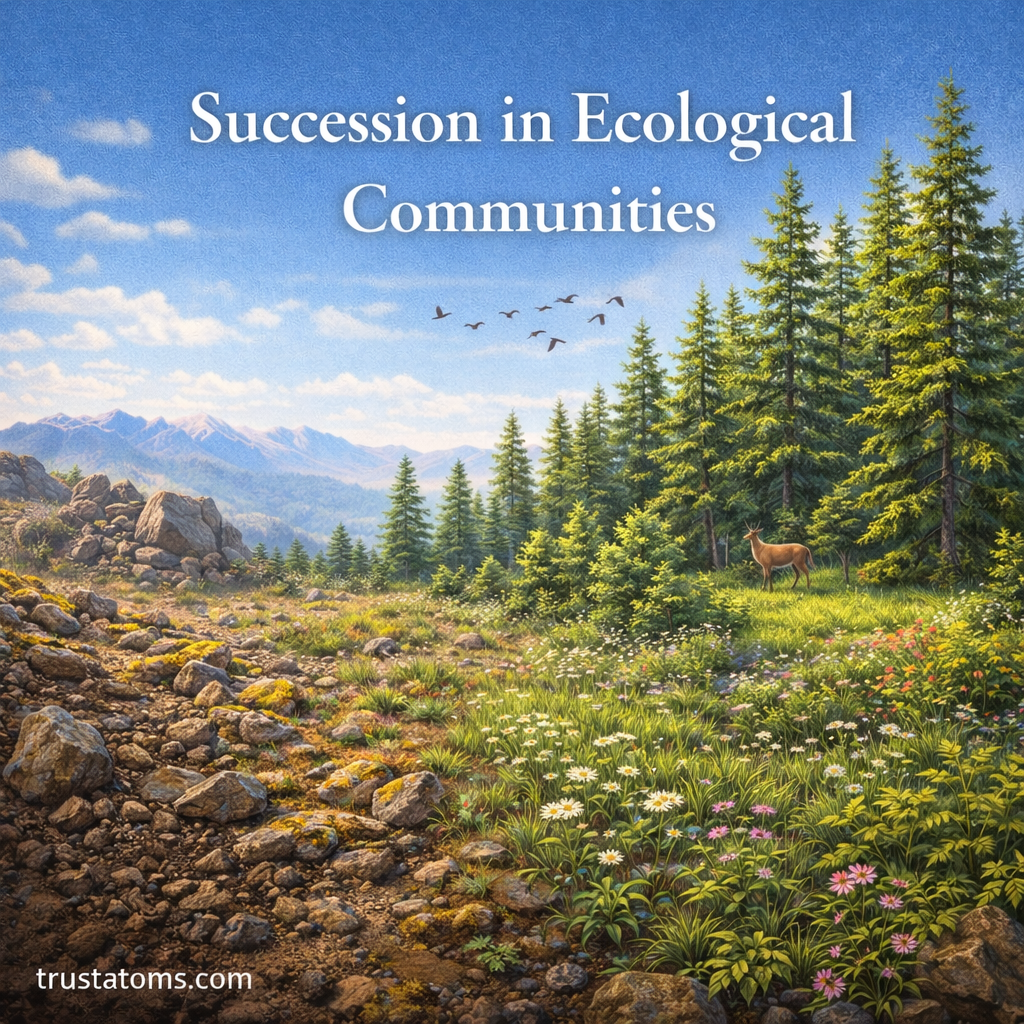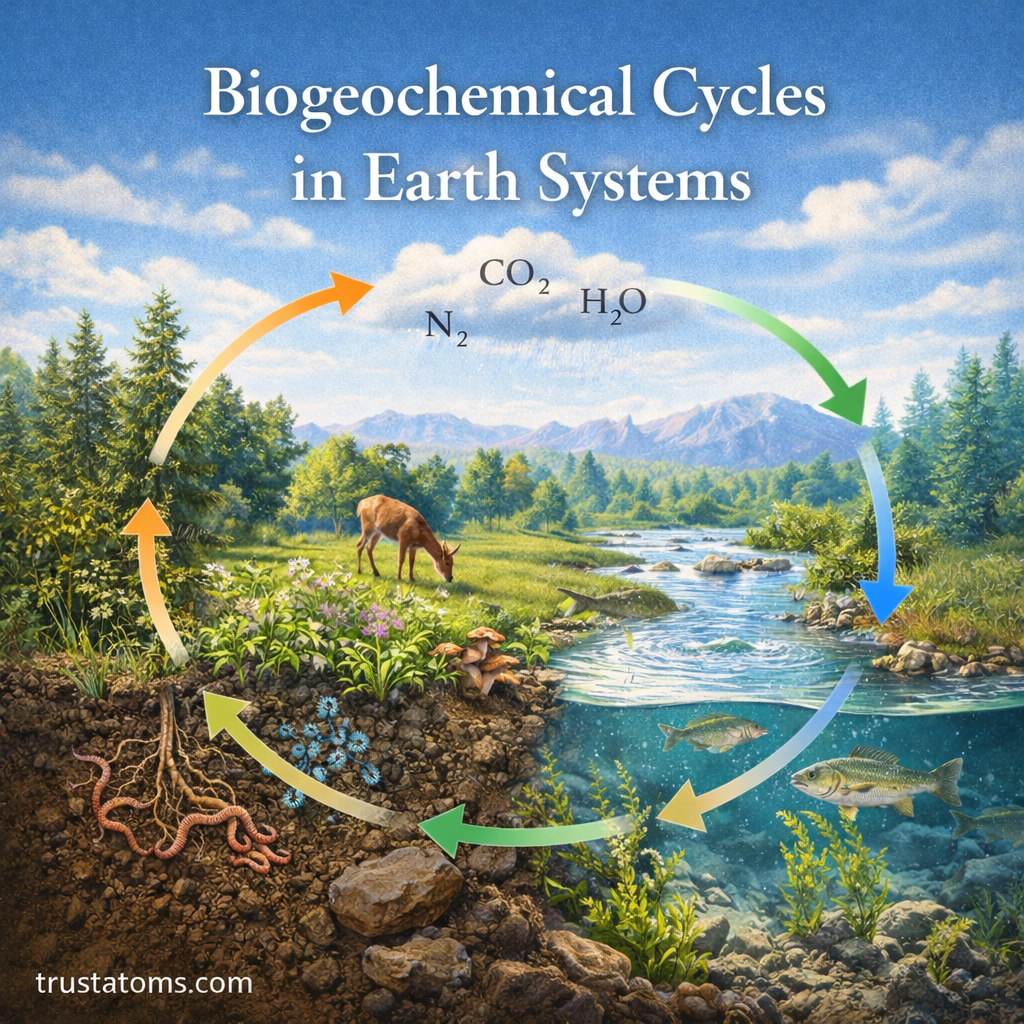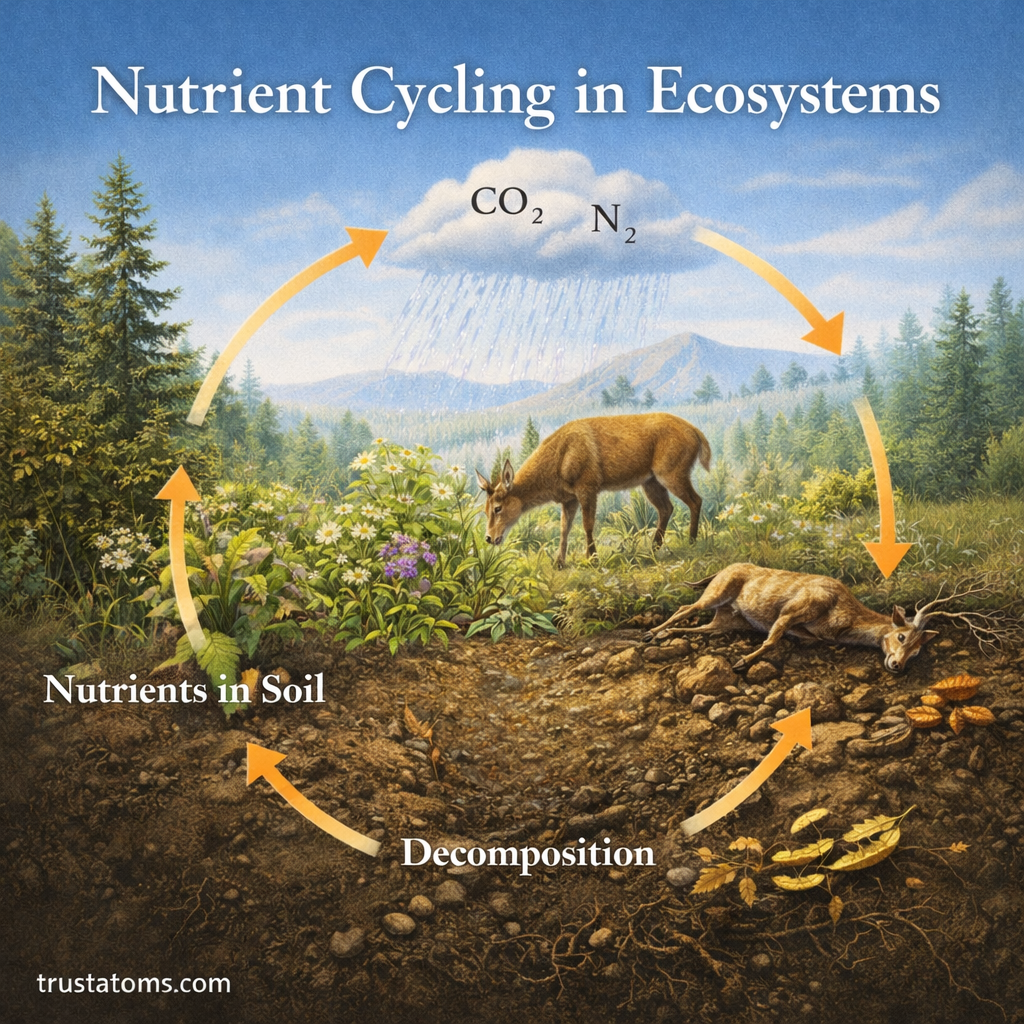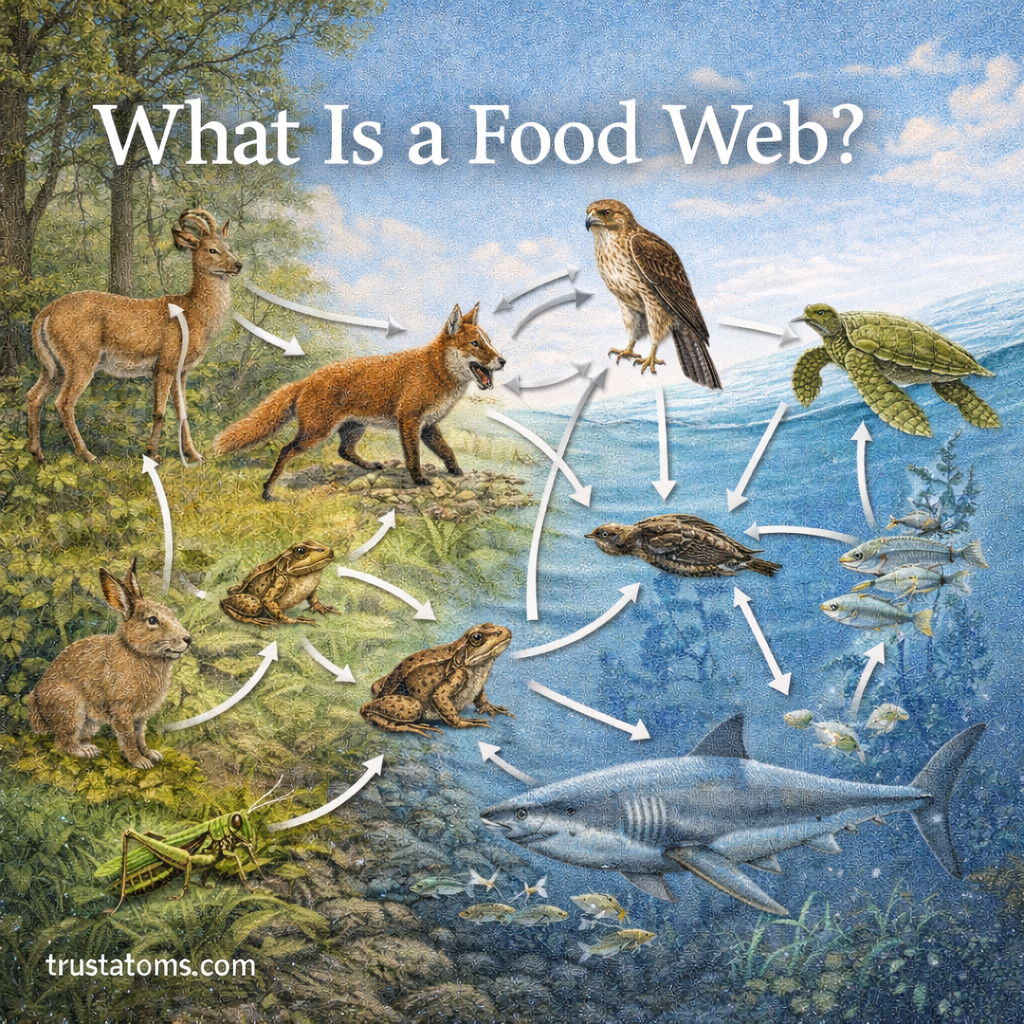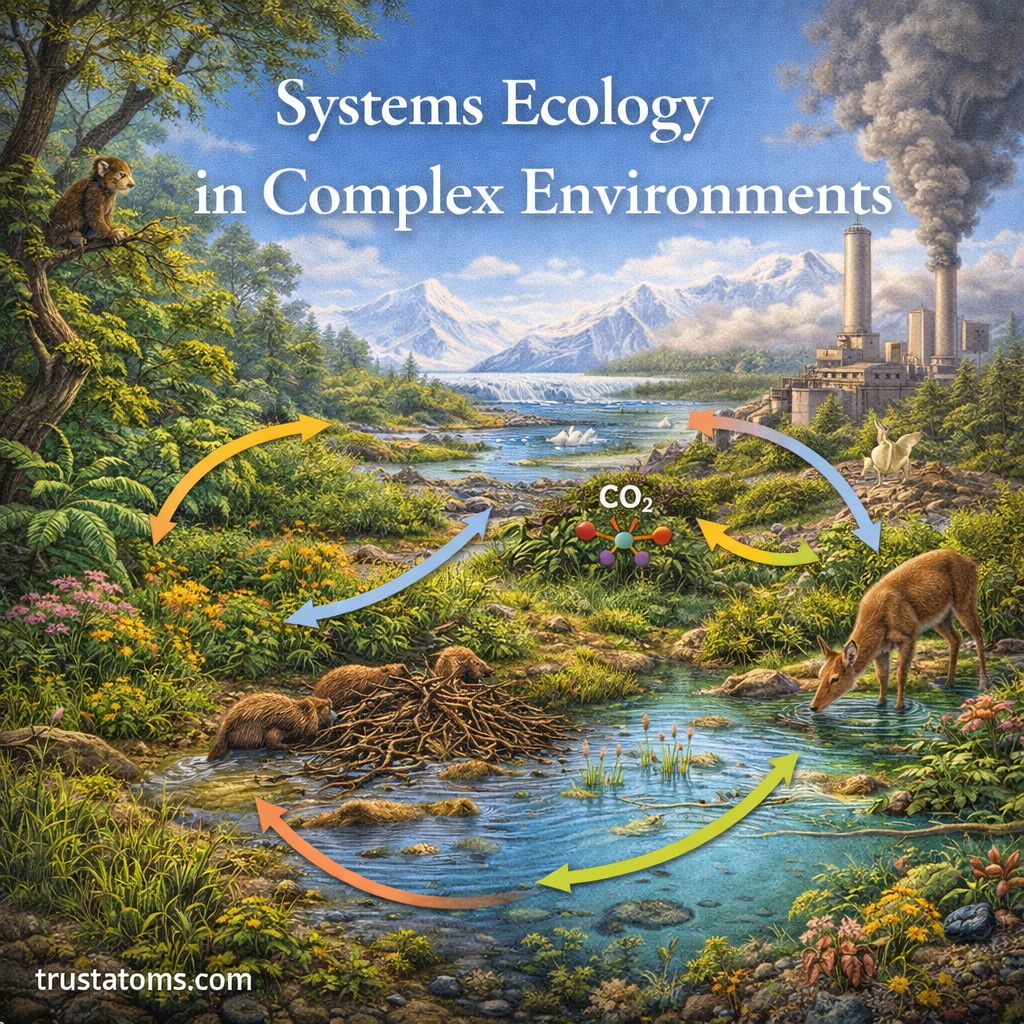
Ecosystems are made up of many interconnected parts, including living organisms, physical environments, and the energy and nutrients that move between them. Systems ecology is the scientific approach that studies ecosystems as integrated systems rather than isolated components.
By analyzing how organisms interact with each other and with their environment, systems ecology helps scientists understand how ecosystems function, adapt, and respond to environmental change. This field is especially important when studying complex environments where many biological and environmental processes occur simultaneously.
Continue reading “Systems Ecology in Complex Environments”