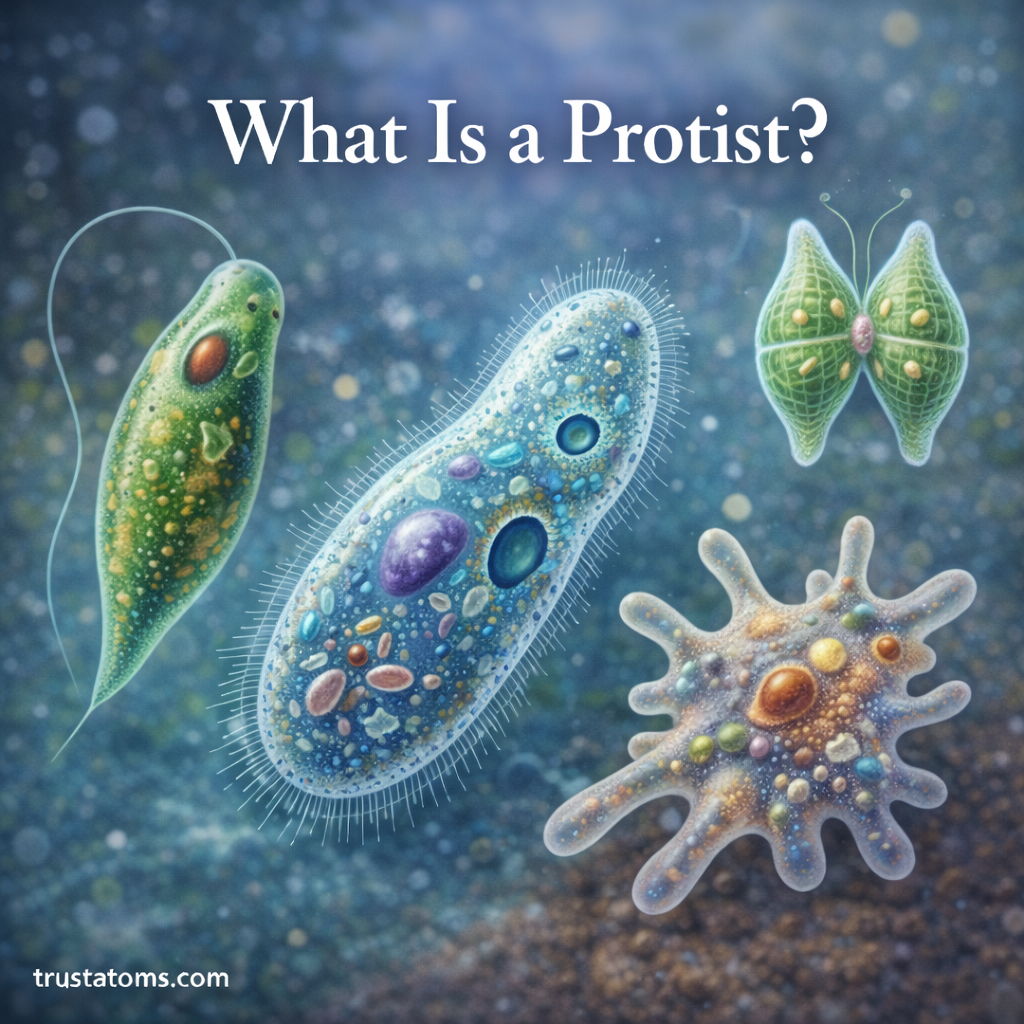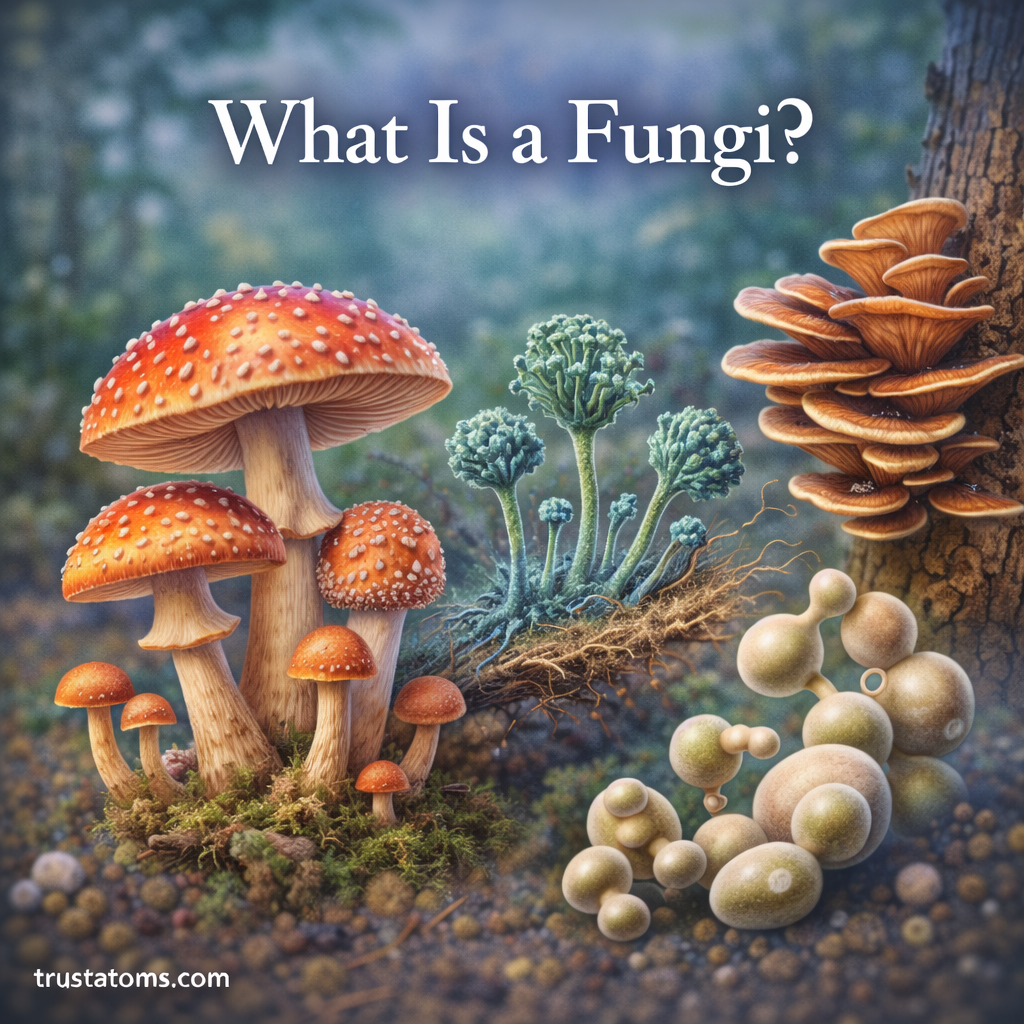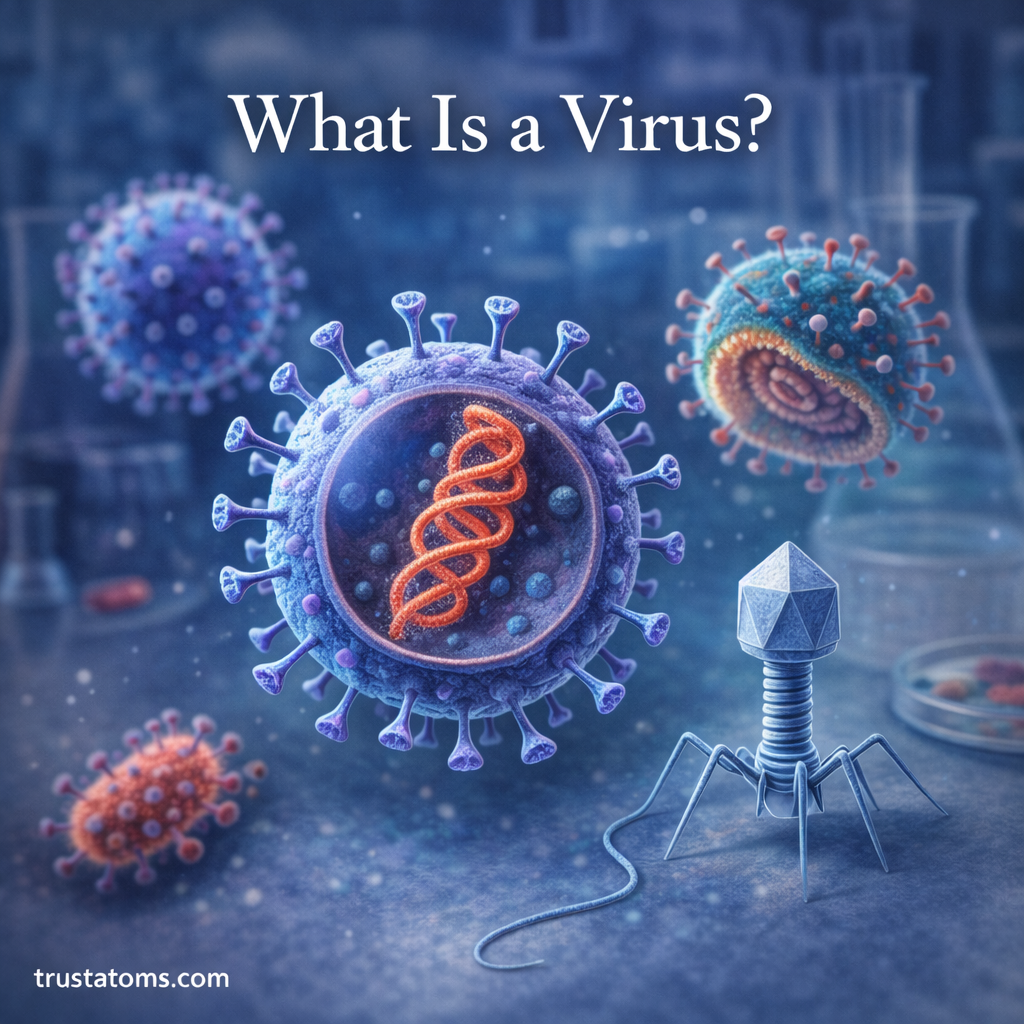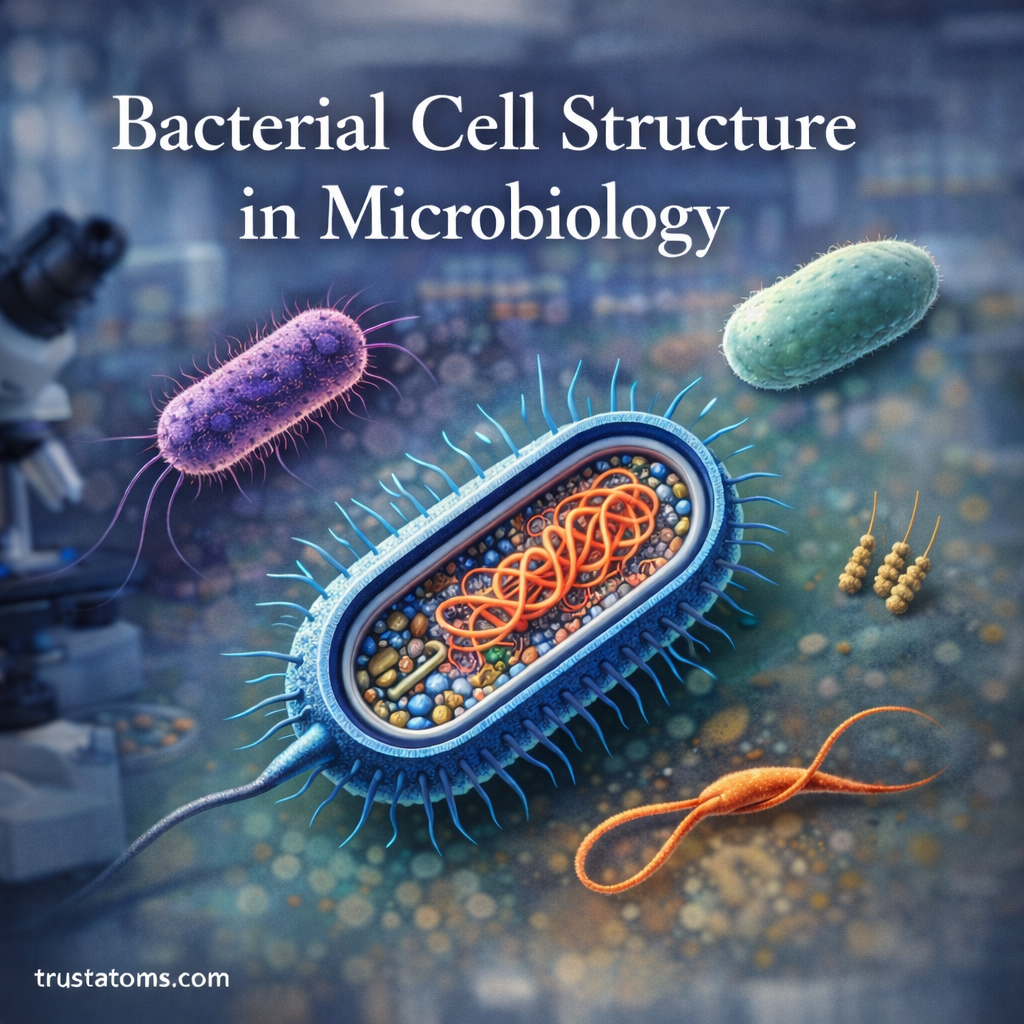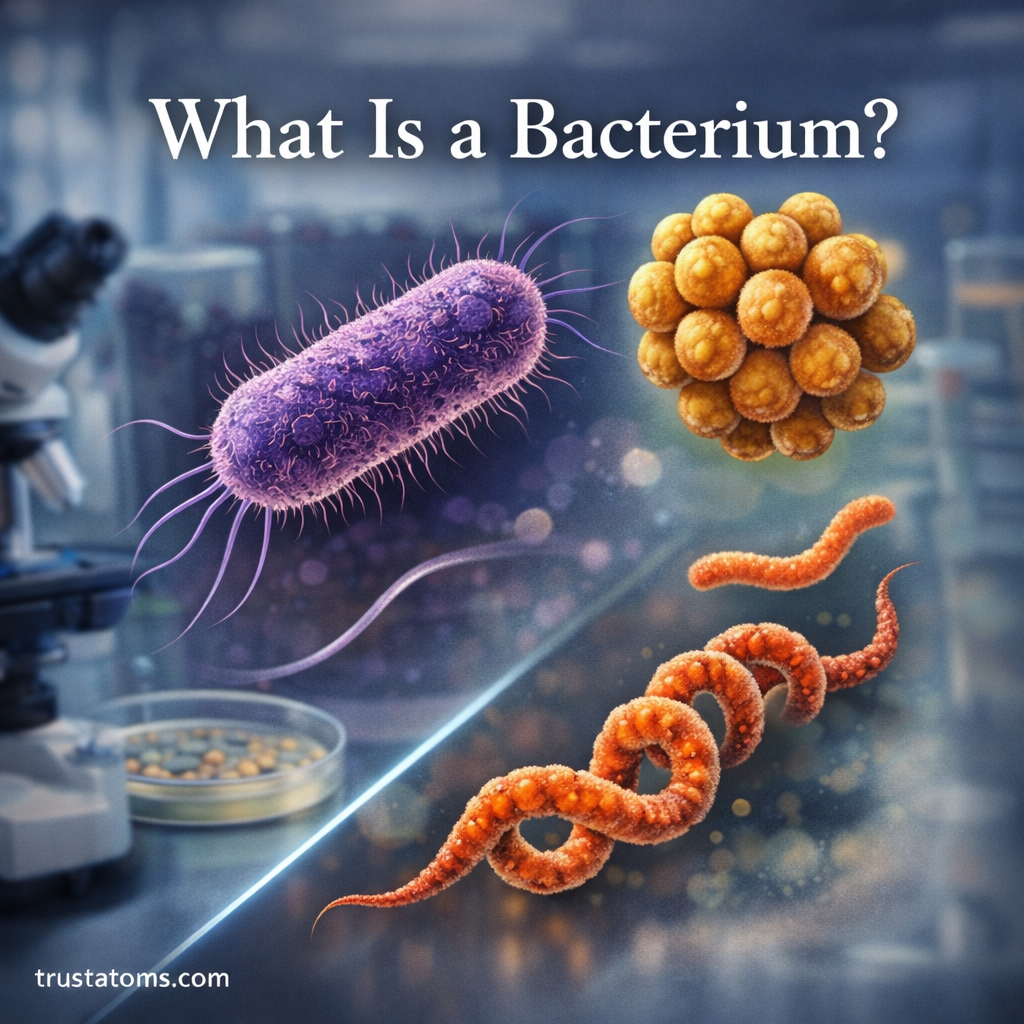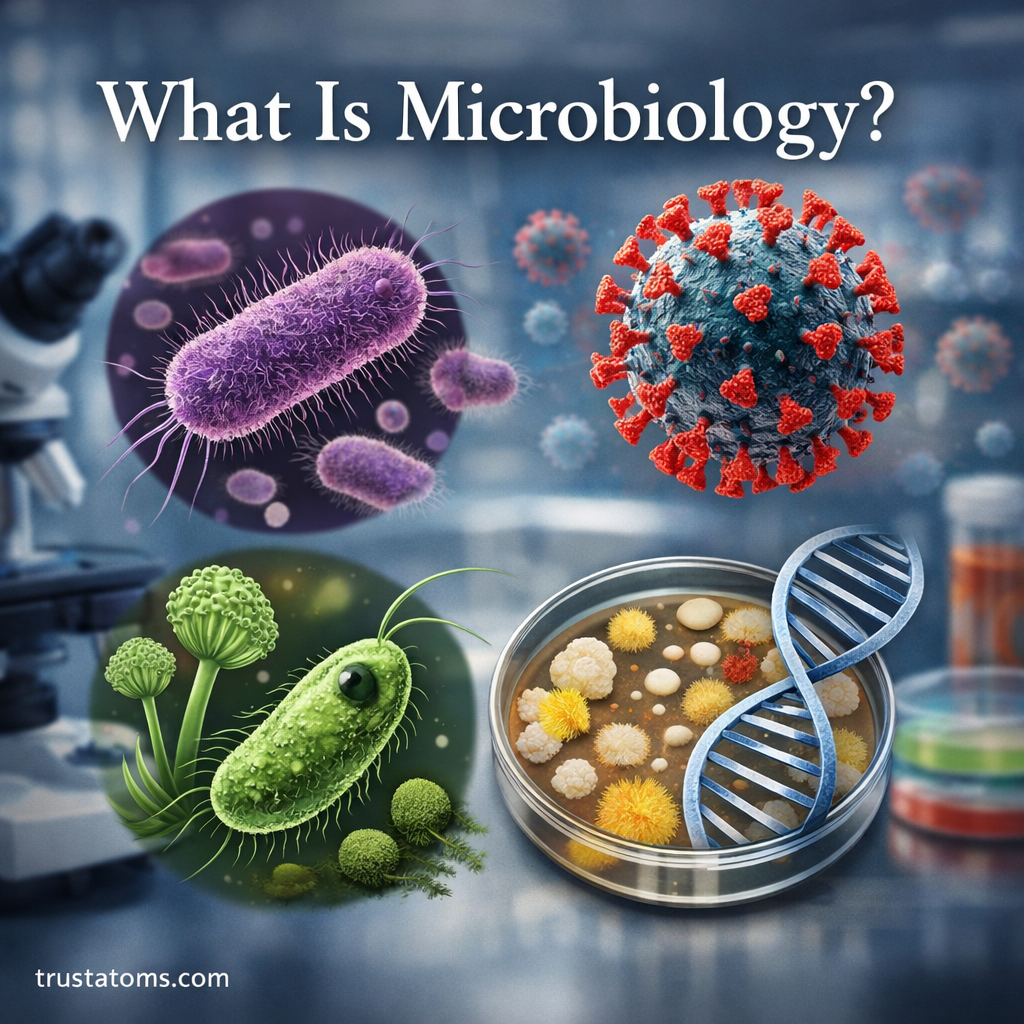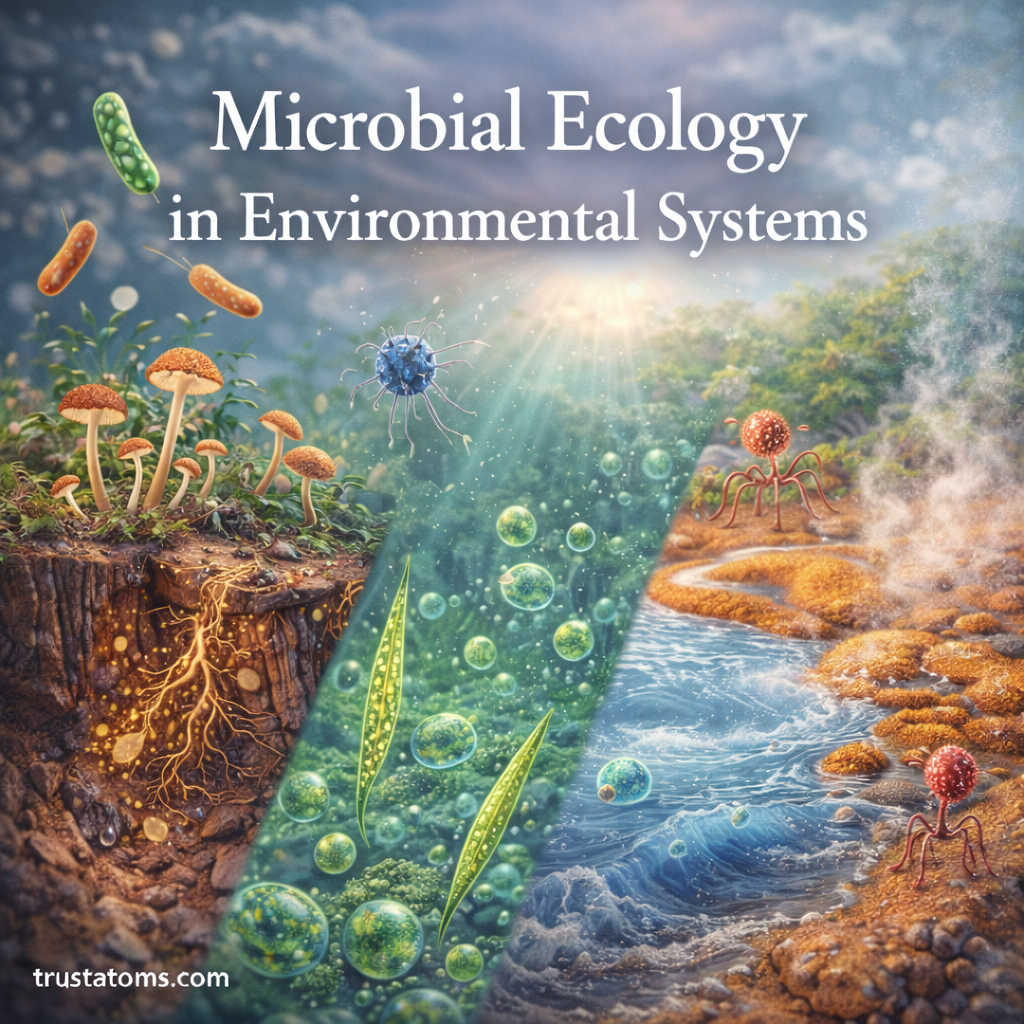
Microbial ecology is the study of how microorganisms interact with each other and with their surrounding environments. In environmental systems, microbes play critical roles in nutrient cycling, ecosystem stability, and energy flow. These microscopic organisms—such as bacteria, fungi, protists, and some viruses—are essential for maintaining the balance of natural ecosystems.
Microbes exist in almost every environment on Earth, including soil, oceans, freshwater systems, extreme environments, and even within living organisms. By studying microbial ecology, scientists gain insight into how ecosystems function and how environmental changes affect microbial communities.
Continue reading “Microbial Ecology in Environmental Systems”