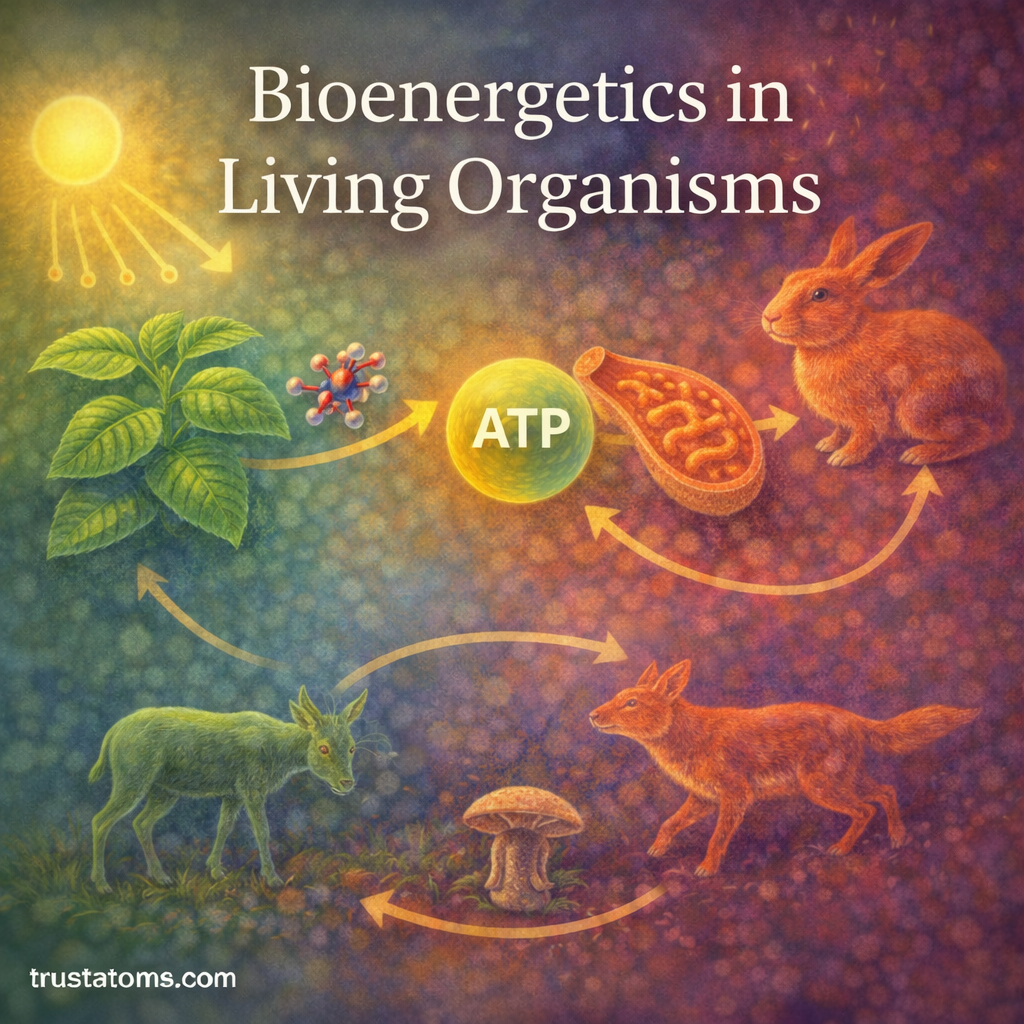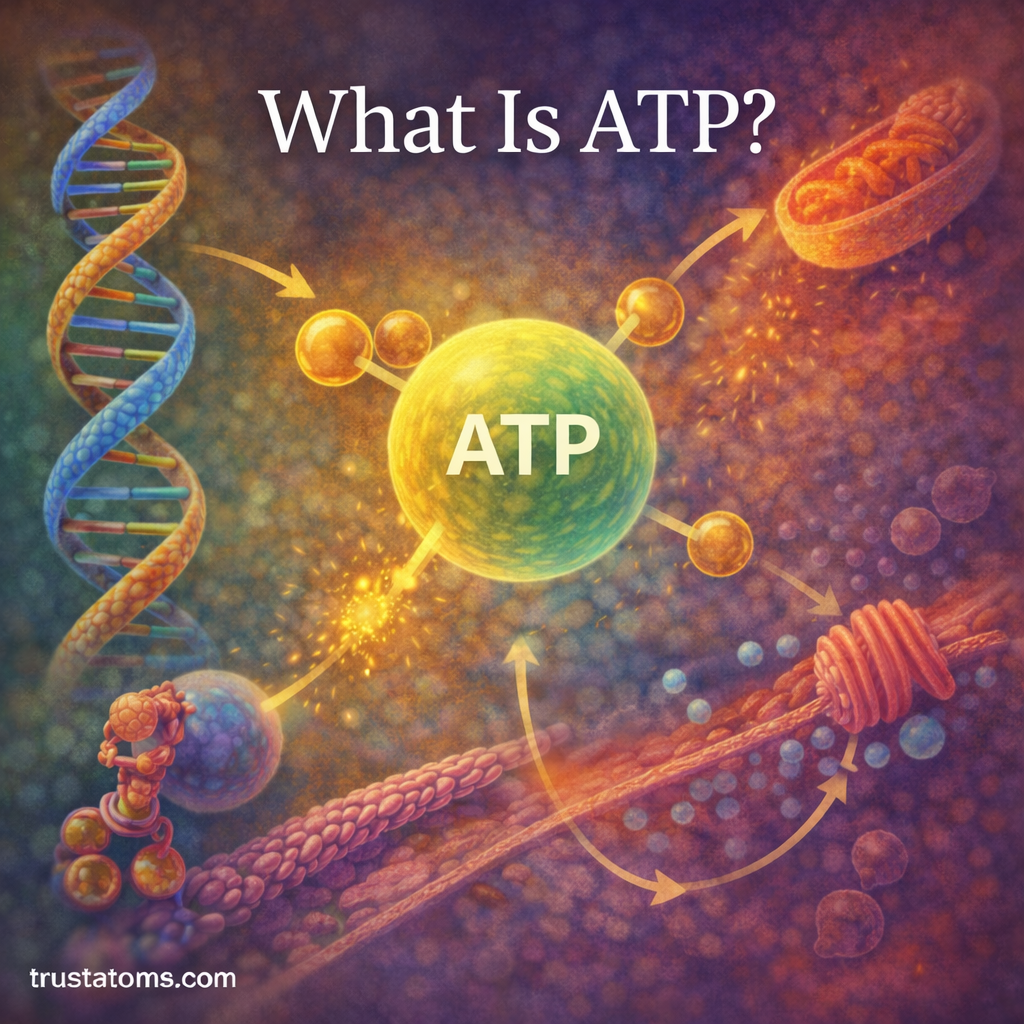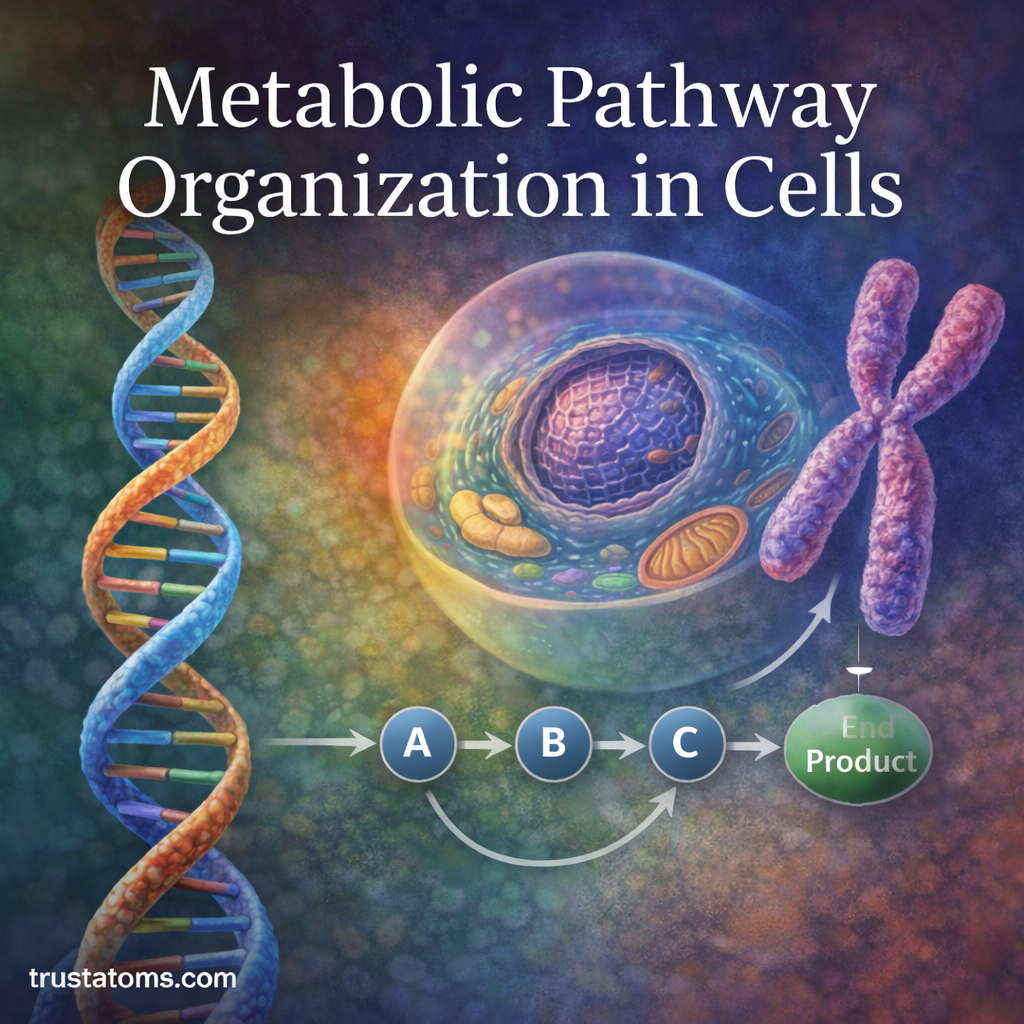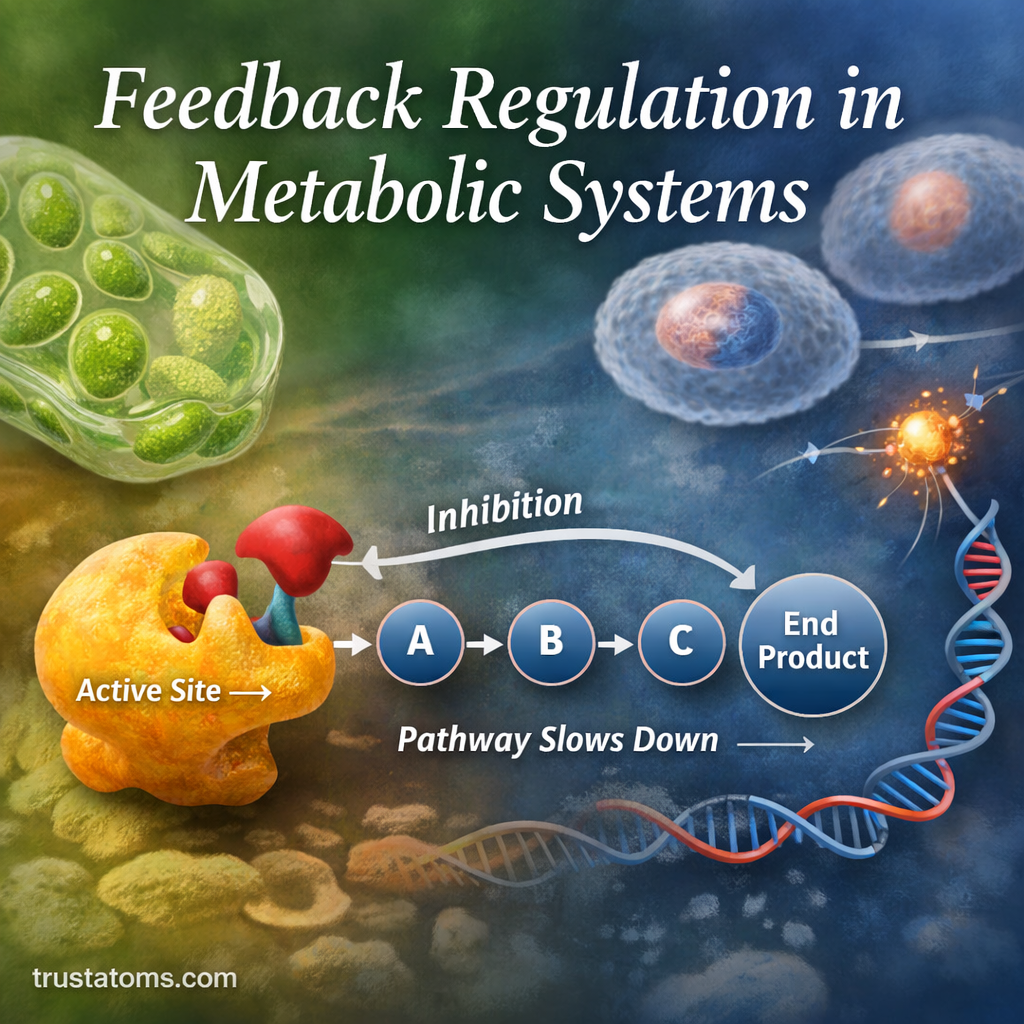
Plants play a critical role in Earth’s ecosystems by converting atmospheric carbon dioxide into organic molecules that support life. One of the key processes that makes this possible is carbon fixation.
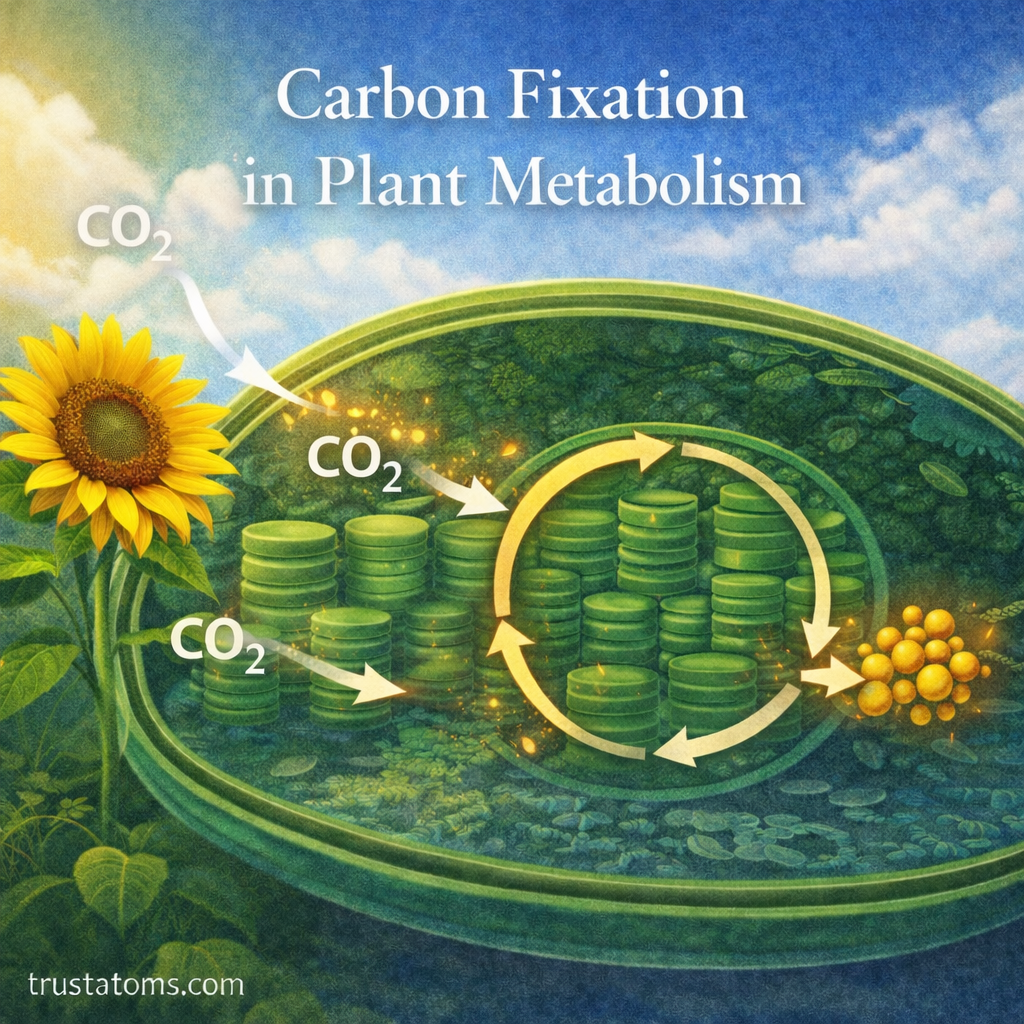
Carbon fixation is the step in plant metabolism where inorganic carbon from carbon dioxide (CO₂) is incorporated into organic molecules. This process allows plants to build sugars, which provide energy for growth, reproduction, and cellular maintenance.
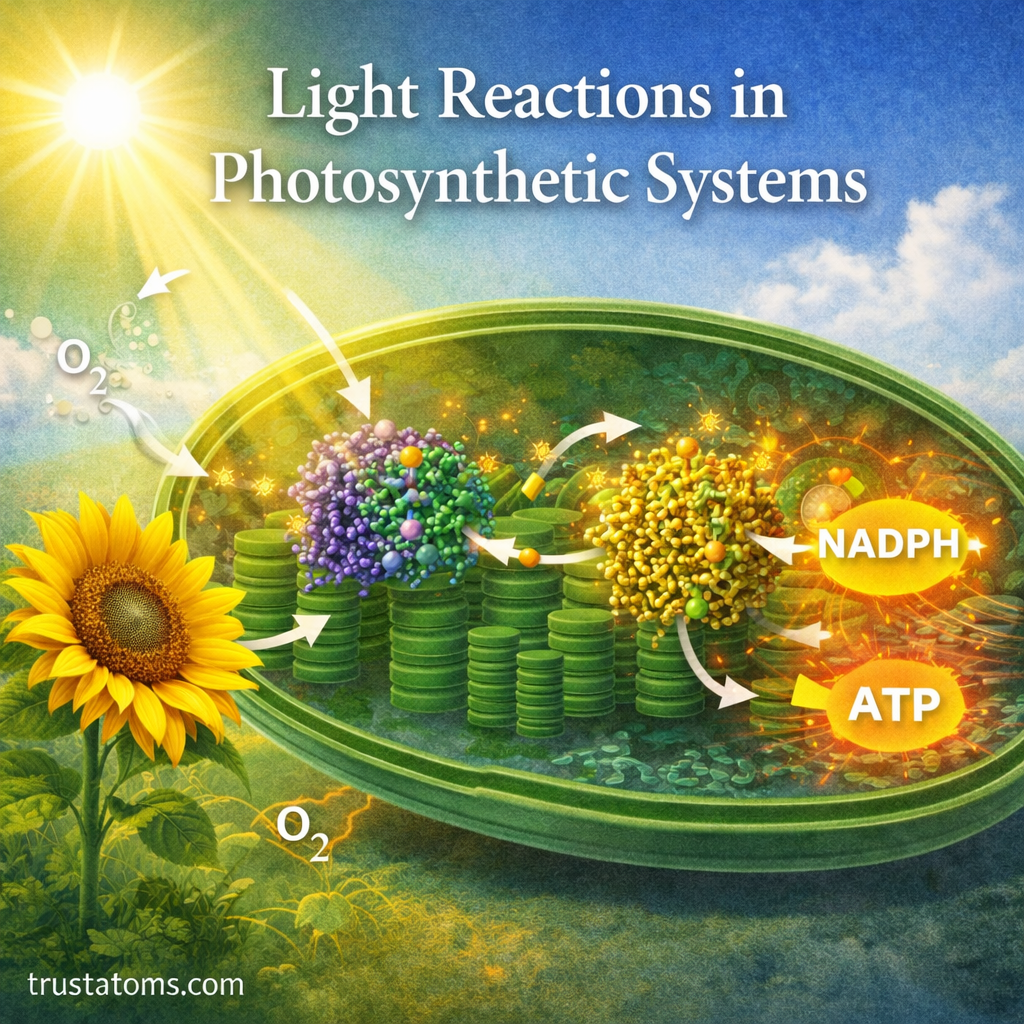
Carbon fixation occurs during the Calvin cycle, the second major stage of photosynthesis that follows the light reactions. Together, these processes enable plants to transform sunlight and carbon dioxide into the chemical energy that fuels nearly all life on Earth.
Continue reading “Carbon Fixation in Plant Metabolism”