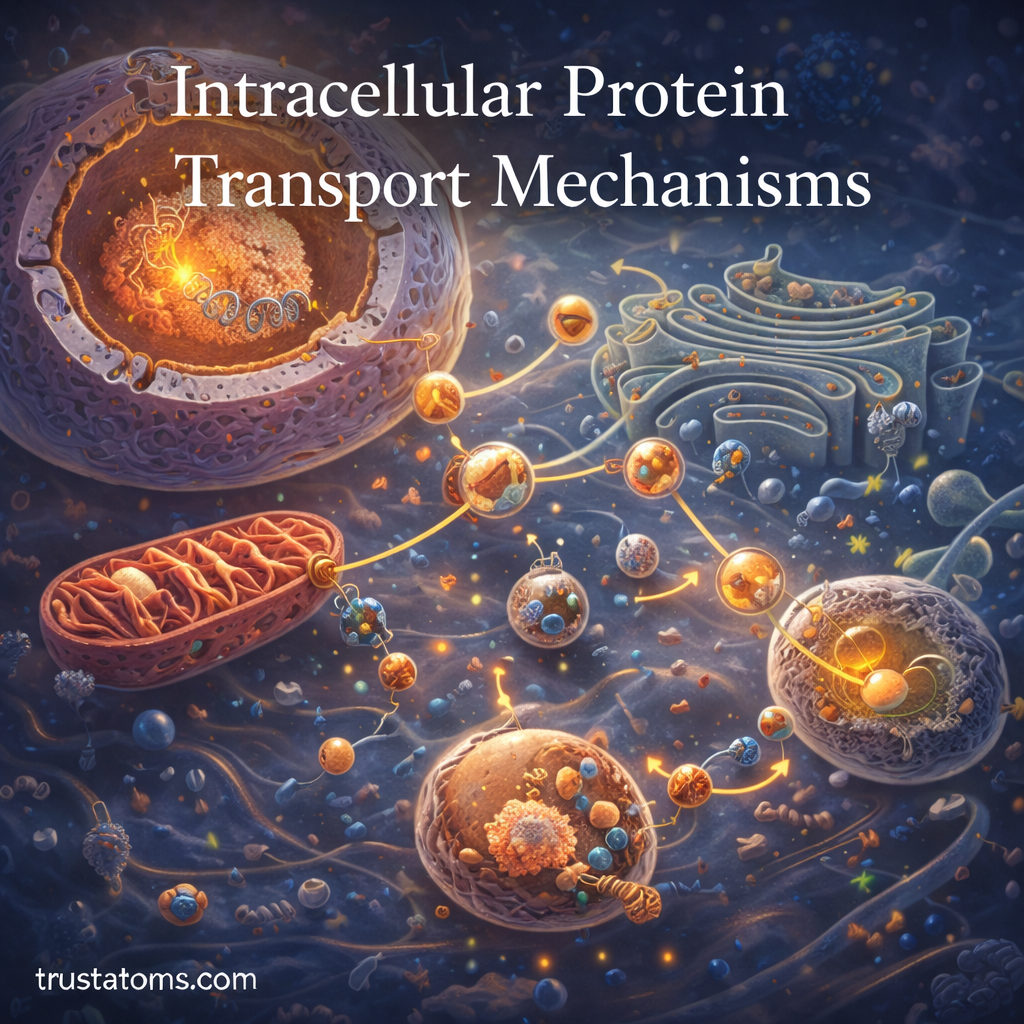
Cells constantly produce thousands of proteins that perform essential biological functions. Many of these proteins must be transported to specific locations within the cell to work correctly. Intracellular protein transport mechanisms ensure that newly synthesized proteins reach the proper organelles, membranes, or secretion pathways.
This transport system is highly organized and relies on molecular signals, transport vesicles, and specialized cellular machinery. Without these mechanisms, proteins would accumulate in the wrong locations, disrupting cellular function and potentially causing disease.
Understanding how proteins move within cells is an important part of modern cell biology and molecular biology.
What Is Intracellular Protein Transport?
Intracellular protein transport refers to the process by which proteins are directed to specific destinations inside a cell after they are synthesized.
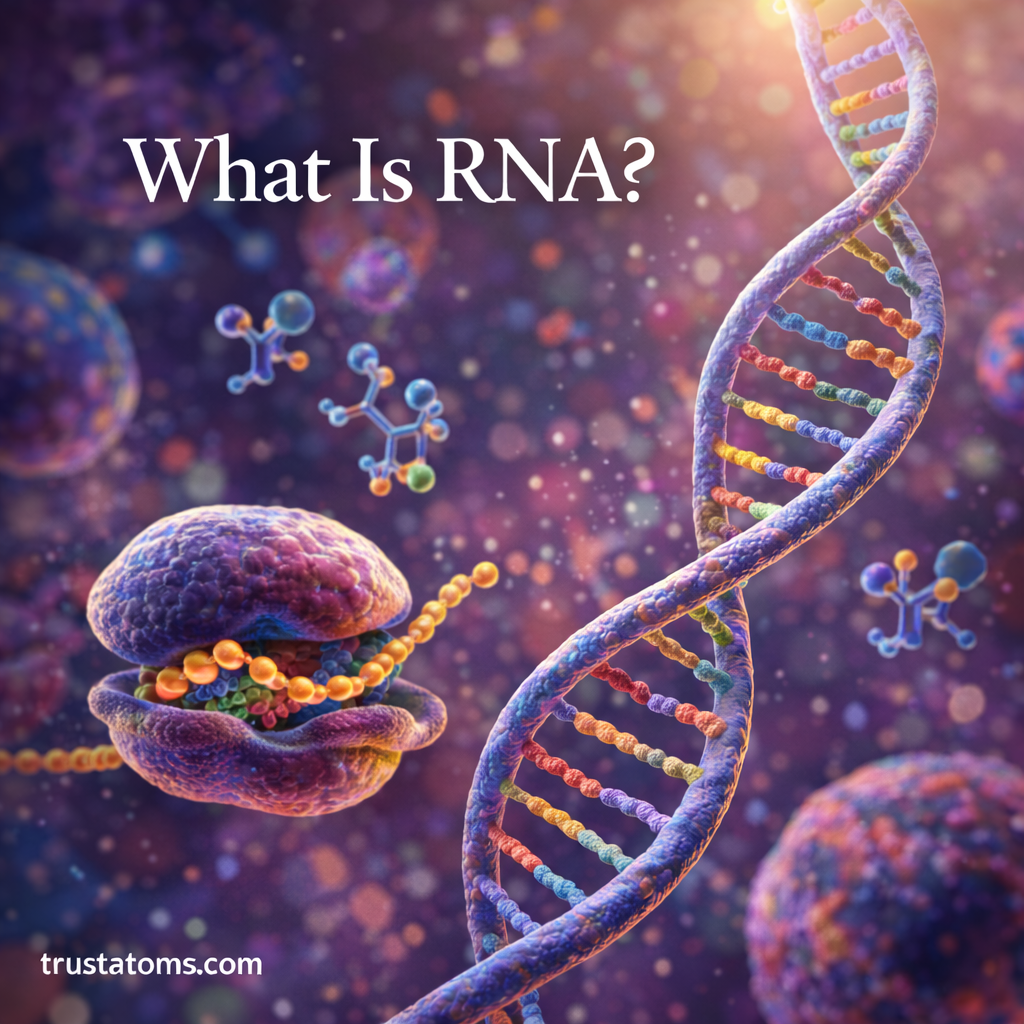
Most proteins are produced by ribosomes in the cytoplasm. However, their final destinations may include:
- The nucleus
- Mitochondria
- Endoplasmic reticulum
- Golgi apparatus
- Lysosomes
- The cell membrane
- Outside the cell
Cells use targeting signals and transport pathways to guide proteins to these locations.
Why Protein Transport Is Important
Correct protein localization is essential for proper cellular function.
Protein transport helps ensure that:
- Enzymes reach the organelles where they perform reactions
- Membrane proteins are inserted into the correct cellular membranes
- Secreted proteins exit the cell through appropriate pathways
- Regulatory proteins reach the nucleus to control gene expression
Errors in protein transport can lead to cellular dysfunction and are associated with several diseases.
Protein Targeting Signals
Cells rely on molecular signals embedded within proteins to determine where they should be transported.
These signals act like cellular address labels that guide proteins to their correct destinations.
Common targeting signals include:
- Signal peptides directing proteins to the endoplasmic reticulum
- Nuclear localization signals guiding proteins into the nucleus
- Mitochondrial targeting sequences directing proteins to mitochondria
- Peroxisomal targeting signals guiding proteins to peroxisomes
These sequences are recognized by transport receptors that initiate the movement of proteins through specific pathways.
The Secretory Pathway
One of the most important intracellular transport routes is the secretory pathway. This pathway transports proteins that are destined for secretion, membranes, or certain organelles.
The process involves several steps.
Protein Entry into the Endoplasmic Reticulum
Proteins that will enter the secretory pathway begin their journey at the rough endoplasmic reticulum (ER).
Key steps include:
- Ribosomes synthesize proteins with signal peptides.
- Signal recognition particles guide the ribosome to the ER membrane.
- The protein is inserted into the ER while it is being synthesized.
Inside the ER, proteins begin folding and may undergo initial chemical modifications.
Transport to the Golgi Apparatus
After processing in the ER, proteins are packaged into small membrane-bound vesicles that transport them to the Golgi apparatus.
Within the Golgi, proteins are:
- Further modified
- Sorted according to their destinations
- Packaged into transport vesicles
This sorting system ensures that proteins are delivered to the correct cellular location.
Delivery to Final Destinations
After leaving the Golgi apparatus, proteins are transported to various cellular destinations, including:
- The cell membrane
- Lysosomes
- Secretory vesicles
- Extracellular environments
Specialized vesicle transport systems guide these proteins through the cytoplasm to their targets.
Vesicle-Mediated Transport
Many intracellular transport processes rely on vesicles, small membrane-bound sacs that move cargo between cellular compartments.
Vesicle Formation
Vesicles form when sections of cellular membranes bud off from organelles such as the ER or Golgi apparatus.
Proteins involved in vesicle formation help select cargo and shape the membrane into transport vesicles.
Vesicle Movement
Once formed, vesicles travel through the cytoplasm along the cell’s cytoskeleton.
Motor proteins transport vesicles along structures such as:
- Microtubules
- Actin filaments
These molecular motors ensure efficient and directed transport.
Vesicle Fusion
When vesicles reach their destination, they fuse with the target membrane.
Specialized proteins ensure that vesicles fuse with the correct membrane.
This process allows transported proteins to enter the target compartment or be released outside the cell.
Protein Transport into Organelles
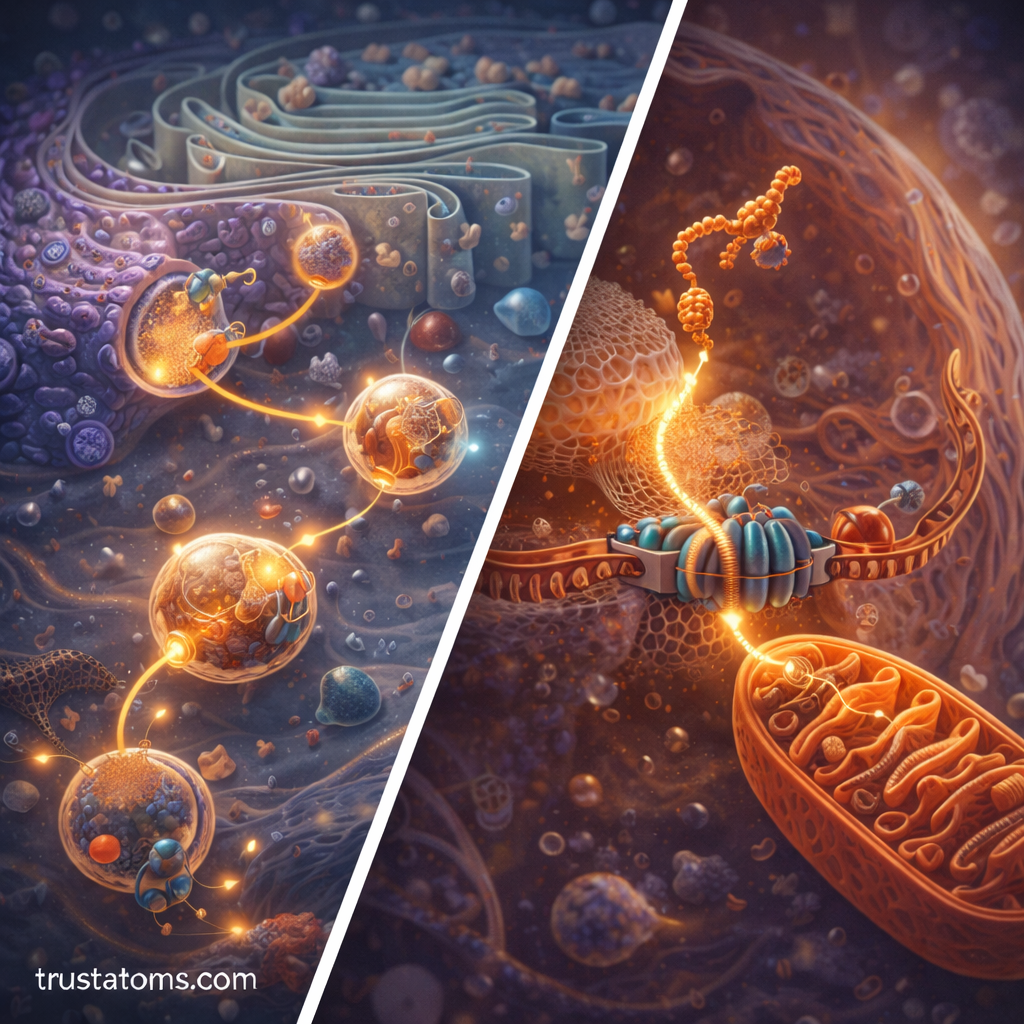
Some proteins must cross organelle membranes rather than travel in vesicles.
Special transport systems allow proteins to enter specific organelles.
Nuclear Transport
Proteins that function in the nucleus must pass through nuclear pore complexes.
Nuclear localization signals are recognized by transport receptors that guide proteins through these pores.
This transport system allows regulatory proteins to control gene expression.
Mitochondrial Protein Import
Although mitochondria have their own DNA, most mitochondrial proteins are produced in the cytoplasm.
Specialized protein complexes in the mitochondrial membrane help transport these proteins into the organelle.
These proteins are essential for cellular energy production.
Peroxisomal Protein Import
Peroxisomes contain enzymes involved in lipid metabolism and detoxification.
Proteins destined for peroxisomes carry specific targeting signals that allow them to be transported directly into the organelle.
Quality Control in Protein Transport
Cells have mechanisms to ensure that only properly folded proteins continue along transport pathways.
Quality control systems include:
- Molecular chaperones that assist protein folding
- ER quality control checkpoints
- Degradation systems for damaged proteins
If proteins fail to fold correctly, they may be sent to degradation pathways to prevent cellular damage.
Diseases Linked to Protein Transport Defects
Errors in intracellular protein transport can cause serious health problems.
Examples of related diseases include:
- Certain genetic metabolic disorders
- Neurodegenerative diseases
- Immune system dysfunction
- Lysosomal storage disorders
Studying protein transport mechanisms helps researchers understand these diseases and develop potential treatments.
Advances in Research on Protein Transport
Modern cell biology techniques have greatly improved the study of intracellular protein transport.
Researchers now use tools such as:
- Fluorescent protein tagging
- Live-cell imaging
- Electron microscopy
- Molecular genetics
These techniques allow scientists to observe how proteins move within living cells in real time.
Final Thoughts
Intracellular protein transport is a fundamental process that ensures proteins reach their correct destinations within the cell. Through targeting signals, vesicle-mediated transport, and specialized organelle import systems, cells maintain a highly organized system for protein distribution.
These mechanisms support essential biological functions such as metabolism, signaling, and gene regulation. Understanding protein transport not only deepens our knowledge of cell biology but also helps scientists investigate diseases caused by disruptions in cellular transport systems.
As research advances, new discoveries will continue to reveal the remarkable complexity of protein movement within living cells.