Your heart beats continuously, adjusting its speed and strength to match your body’s needs. Whether you’re resting, exercising, or reacting to stress, your heart rate is tightly regulated by the nervous system.
The neural control of heart rate ensures that blood circulation remains efficient, delivering oxygen and nutrients where they are needed most while maintaining overall balance in the body.
What Is Neural Control of Heart Rate?
Neural control of heart rate refers to how the nervous system regulates the speed at which the heart beats.
This control system:
- Adjusts heart rate based on activity level
- Responds to internal and external stimuli
- Maintains stable blood circulation
- Works automatically without conscious effort
Although the heart has its own intrinsic rhythm, neural input fine-tunes its activity.
The Heart’s Intrinsic Rhythm
Before understanding neural control, it’s important to know that the heart can generate its own electrical signals.
Sinoatrial (SA) Node
- Known as the natural pacemaker of the heart
- Located in the right atrium
- Initiates each heartbeat
The SA node sets a baseline heart rate, but this rate is constantly modified by neural signals.
The Autonomic Nervous System
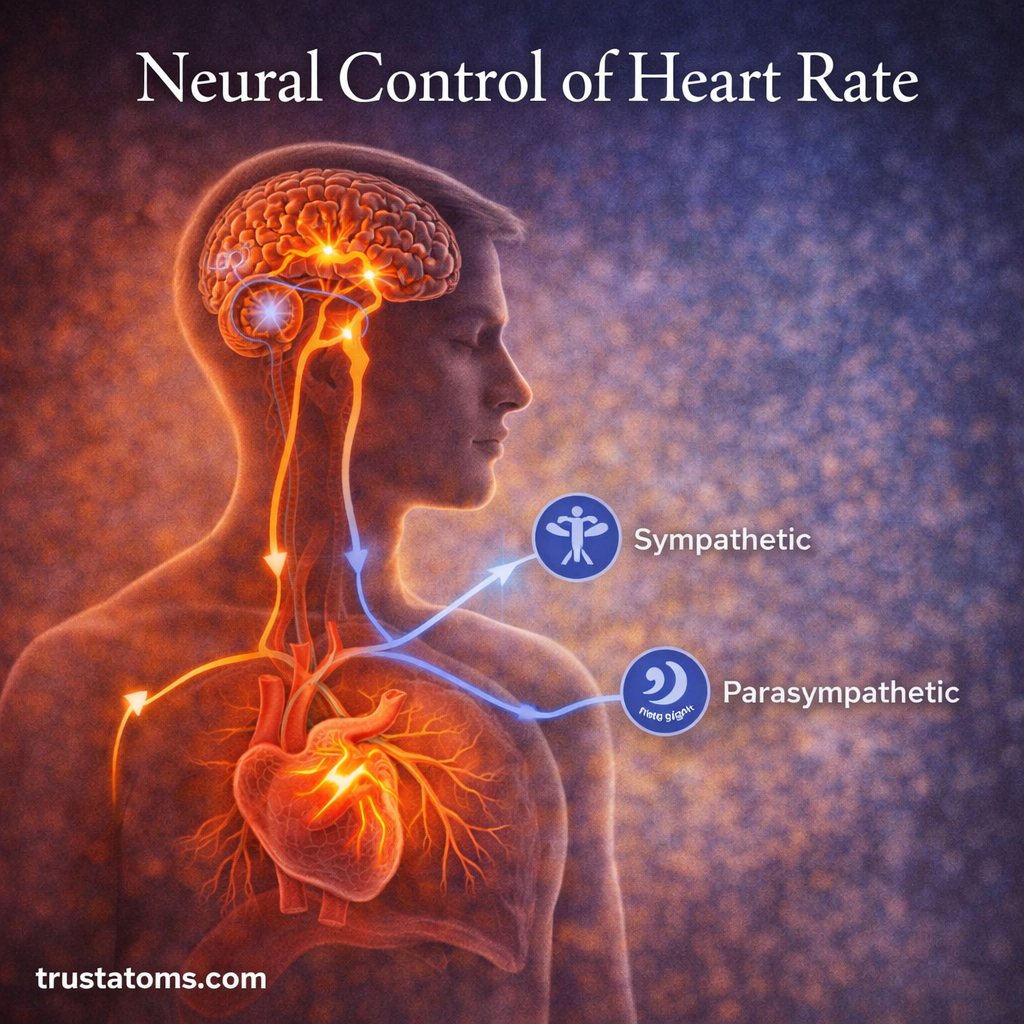
The autonomic nervous system (ANS) plays the central role in regulating heart rate.
It has two main branches:
- Sympathetic nervous system
- Parasympathetic nervous system
These systems have opposing effects that balance heart activity.
Sympathetic Nervous System (Fight or Flight)
The sympathetic system increases heart rate during times of activity or stress.
Effects on the Heart
- Increases heart rate
- Increases force of contraction
- Prepares the body for action
When It Activates
- Exercise
- Stress or anxiety
- Danger or excitement
This response helps deliver more oxygen to muscles and vital organs.
Parasympathetic Nervous System (Rest and Digest)
The parasympathetic system slows the heart rate during restful conditions.
Effects on the Heart
- Decreases heart rate
- Promotes relaxation
- Conserves energy
Key Nerve Involved
- The vagus nerve plays a major role in slowing heart rate
This system dominates when the body is calm and at rest.
How Neural Signals Reach the Heart
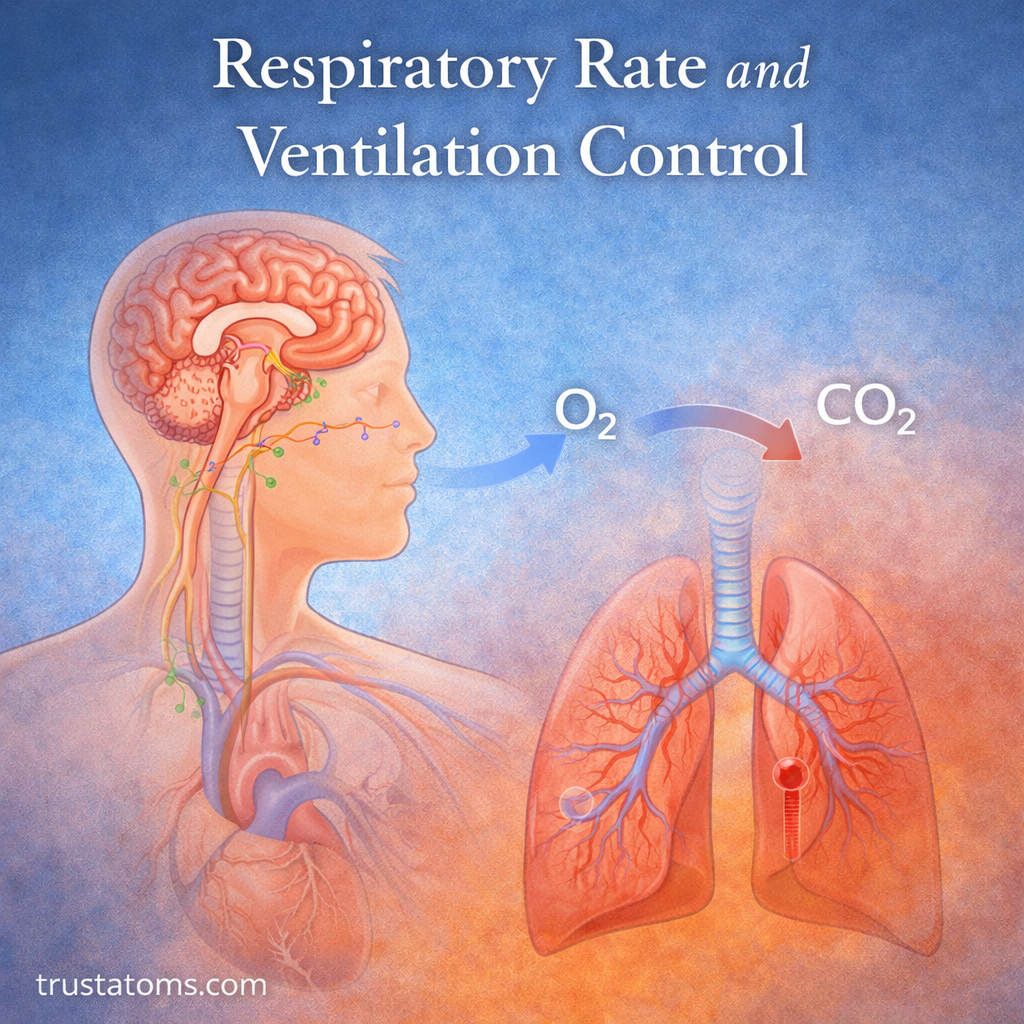
Neural control of heart rate involves communication between the brain and the heart through specific pathways.
Control Centers in the Brain
- Located in the medulla oblongata
- Receives input from the body
- Sends signals through autonomic nerves
Signal Pathway
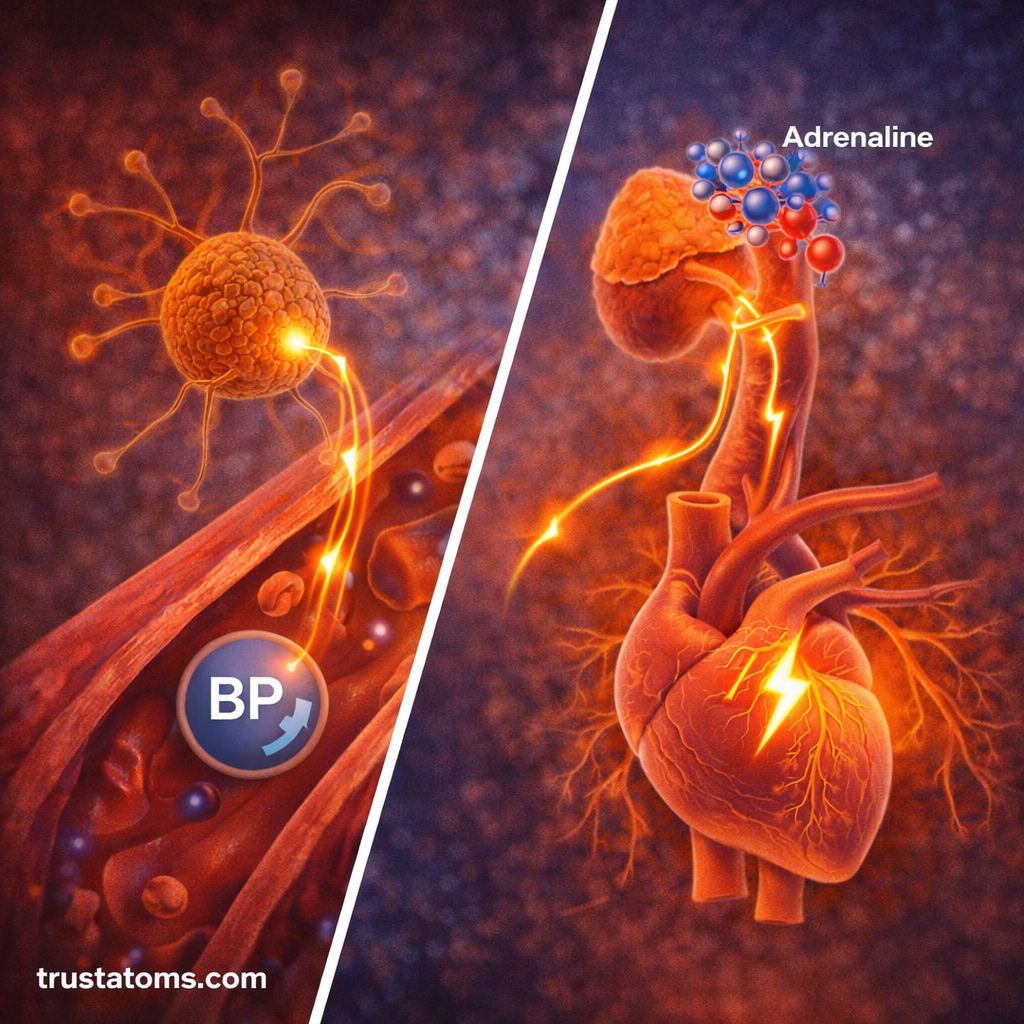
- Sensory receptors detect changes (e.g., blood pressure)
- Signals are sent to the brainstem
- The brain processes the information
- Autonomic nerves send signals to the heart
- Heart rate adjusts accordingly
Role of Sensory Receptors
Specialized receptors help regulate heart rate by providing feedback.
Baroreceptors
- Detect changes in blood pressure
- Located in arteries such as the carotid sinus
- Trigger adjustments in heart rate
Chemoreceptors
- Monitor oxygen, carbon dioxide, and pH levels
- Help adjust heart rate based on metabolic needs
These receptors ensure the heart responds quickly to changes in the body.
Heart Rate During Different Conditions
Heart rate varies depending on physical and emotional states.
At Rest
- Parasympathetic system dominates
- Heart rate is lower and stable
During Exercise
- Sympathetic activity increases
- Heart rate rises to meet oxygen demand
During Stress
- Rapid increase in heart rate
- Enhanced blood flow to muscles
During Sleep
- Heart rate decreases
- Energy conservation is prioritized
Interaction Between Neural and Hormonal Control
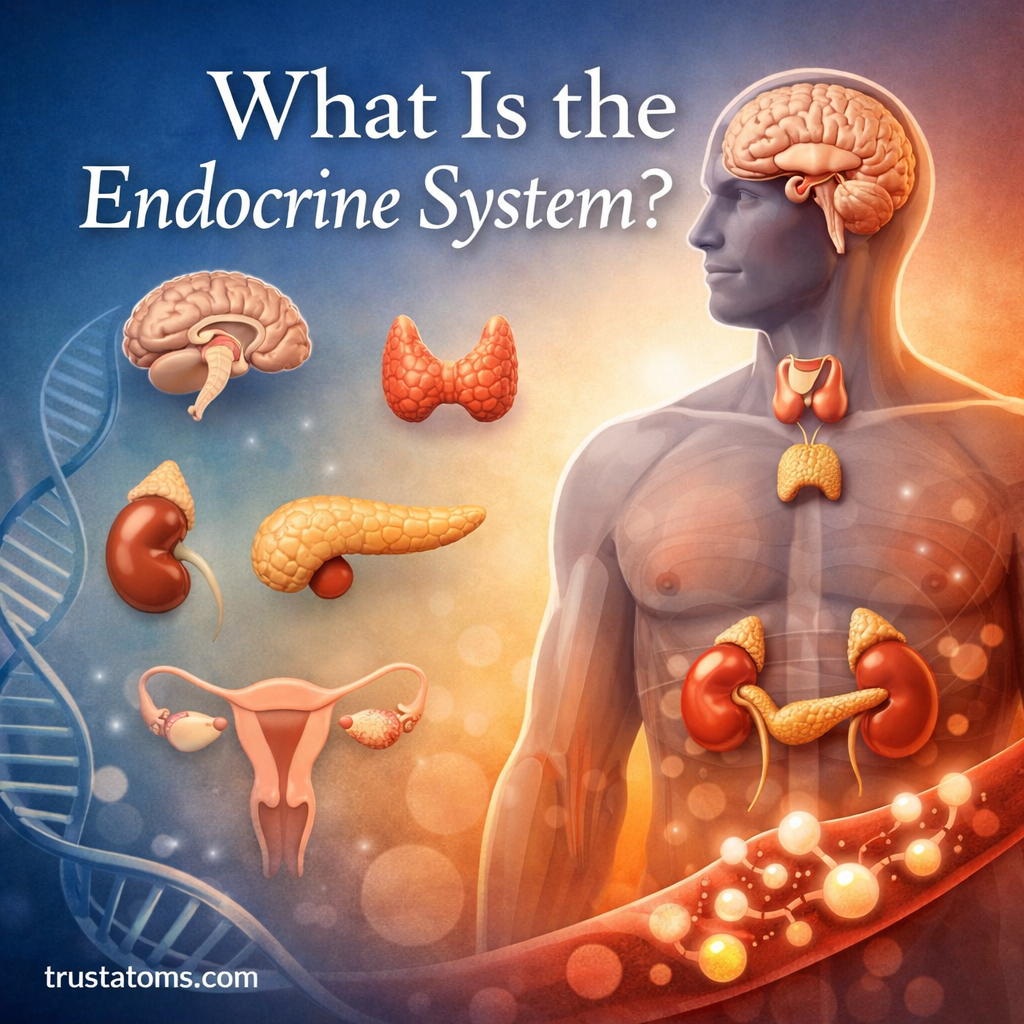
Heart rate is influenced not only by neural signals but also by hormones.
Hormonal Influence
- Adrenaline (epinephrine) increases heart rate
- Released during stress by adrenal glands
Combined Effect
- Neural signals provide rapid changes
- Hormones provide longer-lasting effects
This coordination ensures precise regulation.
Clinical Significance
Disruptions in neural control of heart rate can lead to health problems.
Common Conditions
- Arrhythmias (irregular heartbeats)
- Tachycardia (abnormally fast heart rate)
- Bradycardia (abnormally slow heart rate)
Nervous System Disorders
- Damage to autonomic pathways can impair regulation
- Conditions like neuropathy may affect heart control
Cardiovascular Risk
- Chronic stress can overstimulate the sympathetic system
- May contribute to long-term heart issues
Factors That Influence Heart Rate Control
Several factors affect how the nervous system regulates heart rate.
Internal Factors
- Age
- Fitness level
- Hormone levels
External Factors
- Physical activity
- Emotional stress
- Environmental conditions
Lifestyle Habits
- Exercise improves heart rate regulation
- Poor sleep can disrupt autonomic balance
- Smoking and diet can impact cardiovascular health
Key Takeaways
- The heart has its own rhythm but is regulated by the nervous system
- The autonomic nervous system controls heart rate
- The sympathetic system increases heart rate
- The parasympathetic system decreases heart rate
- Sensory receptors provide feedback for regulation
- Neural and hormonal systems work together
- Proper regulation is essential for cardiovascular health
Final Thoughts
The neural control of heart rate is a finely tuned system that keeps your body functioning efficiently in every situation. By balancing opposing signals from the autonomic nervous system, your heart can respond instantly to changes in activity, stress, and environment.
Understanding this system highlights the importance of maintaining both nervous system health and cardiovascular fitness for overall well-being.