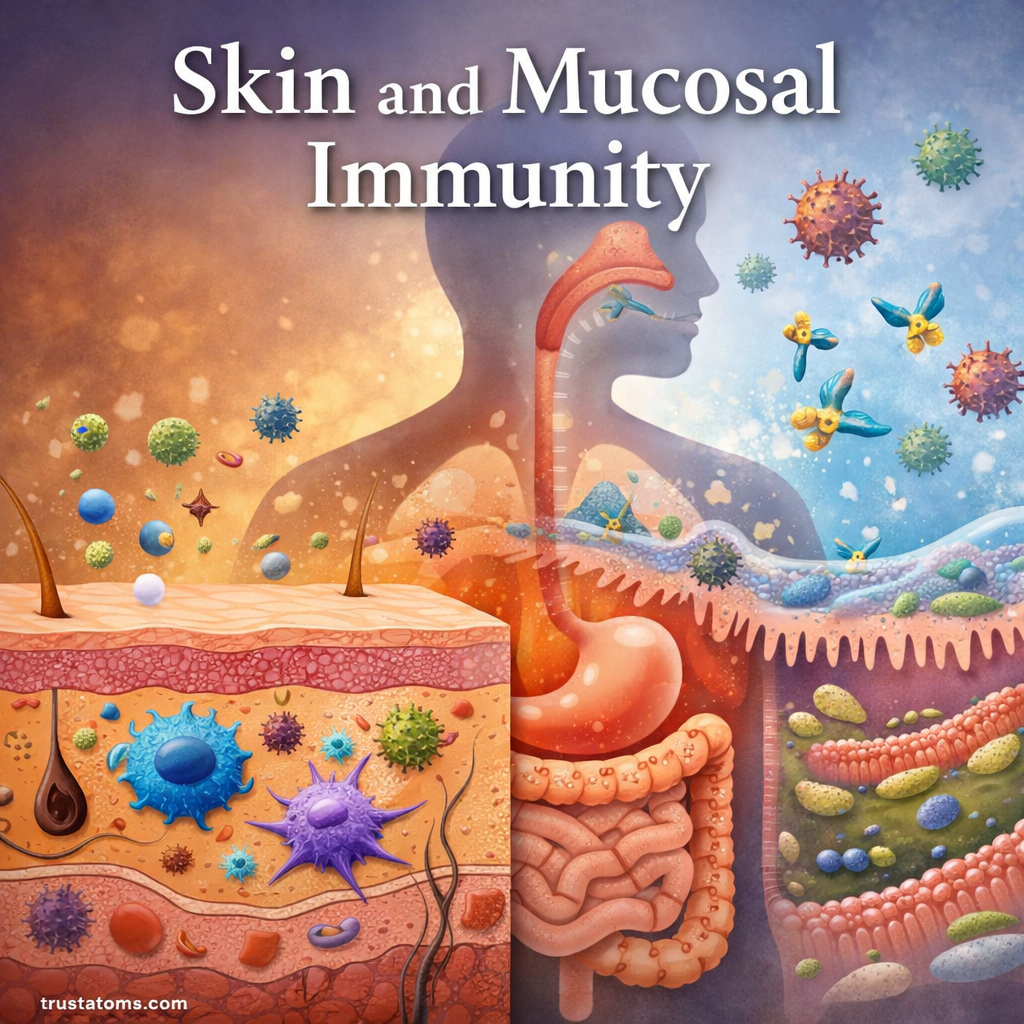
Your body is constantly exposed to microbes, allergens, and environmental threats. The first systems that stand between you and these invaders are your skin and mucosal surfaces. Together, they form a powerful, layered defense known as skin and mucosal immunity—a critical part of your innate and adaptive immune systems.
Understanding how these barriers work can help you better protect your health and recognize how the body naturally prevents infection.
What Is Skin and Mucosal Immunity?
Skin and mucosal immunity refers to the protective mechanisms that operate at the body’s outer surfaces, including:
- The skin (your external barrier)
- Mucosal linings (internal surfaces exposed to the environment)
These systems act as the body’s first line of defense, preventing harmful organisms from entering deeper tissues.
Key Functions
- Block pathogens from entering the body
- Detect and respond to harmful microbes
- Communicate with the immune system
- Maintain balance with beneficial microbes
The Role of the Skin in Immunity
The skin is more than just a physical covering—it is an active immune organ.
Physical Barrier
The outermost layer of skin (epidermis) acts as a tough, waterproof shield that prevents bacteria, viruses, and toxins from entering.
- Composed of tightly packed cells
- Contains keratin for durability
- Continuously sheds to remove microbes
Chemical Defenses
The skin produces antimicrobial substances that help neutralize threats:
- Sebum (oil) with antimicrobial properties
- Sweat, which contains enzymes and salt
- Acidic pH, which inhibits bacterial growth
Immune Cells in the Skin
Specialized cells monitor and respond to danger:
- Langerhans cells detect pathogens
- T cells help coordinate immune responses
- Macrophages engulf and destroy invaders
What Is Mucosal Immunity?
Mucosal immunity protects the internal surfaces of the body that are exposed to the external environment.
Key Mucosal Areas
- Respiratory tract (nose, lungs)
- Digestive tract (mouth, stomach, intestines)
- Urogenital tract
These areas are more vulnerable than skin because they must allow substances like air, food, and fluids to pass through.
How Mucosal Surfaces Defend the Body
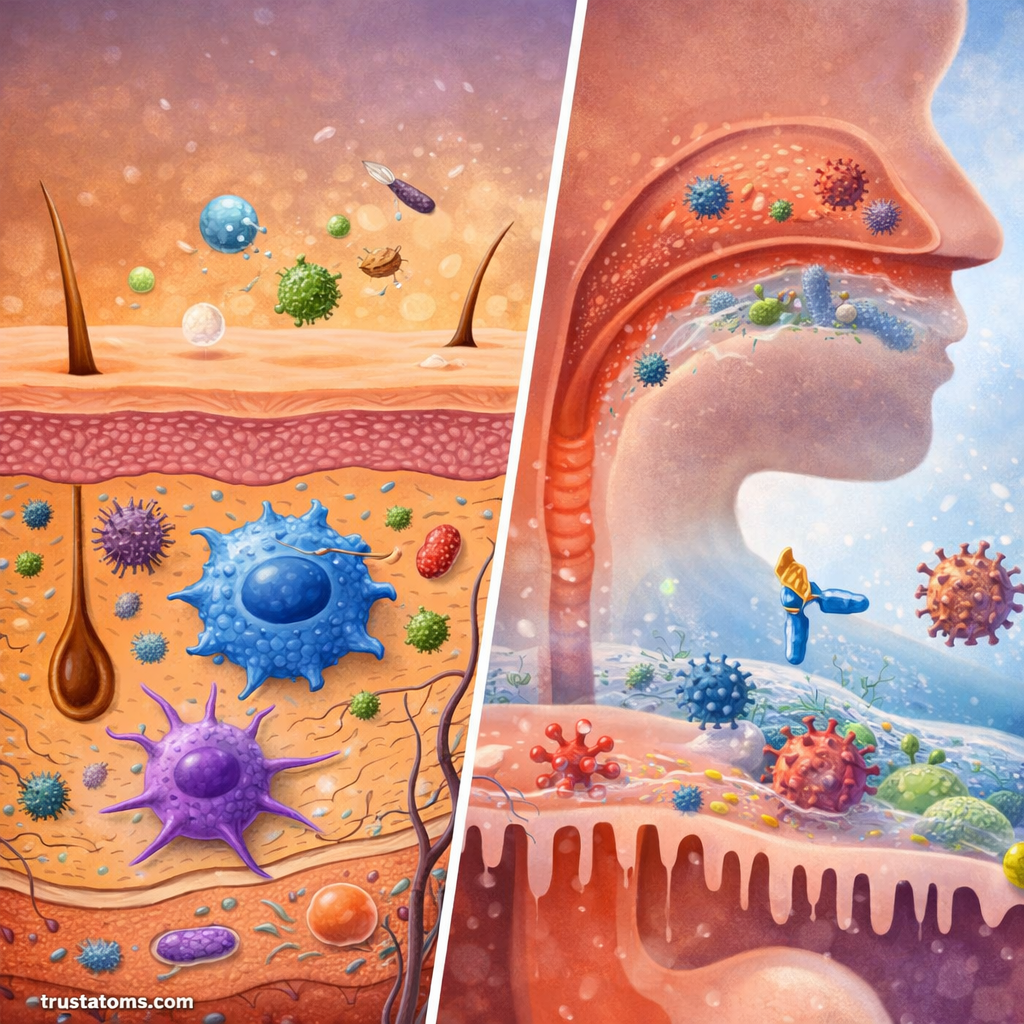
Mucosal immunity uses a combination of physical, chemical, and immune responses.
Mucus Production
Mucus traps pathogens before they can reach cells.
- Sticky and gel-like consistency
- Contains antimicrobial proteins
- Helps sweep away microbes
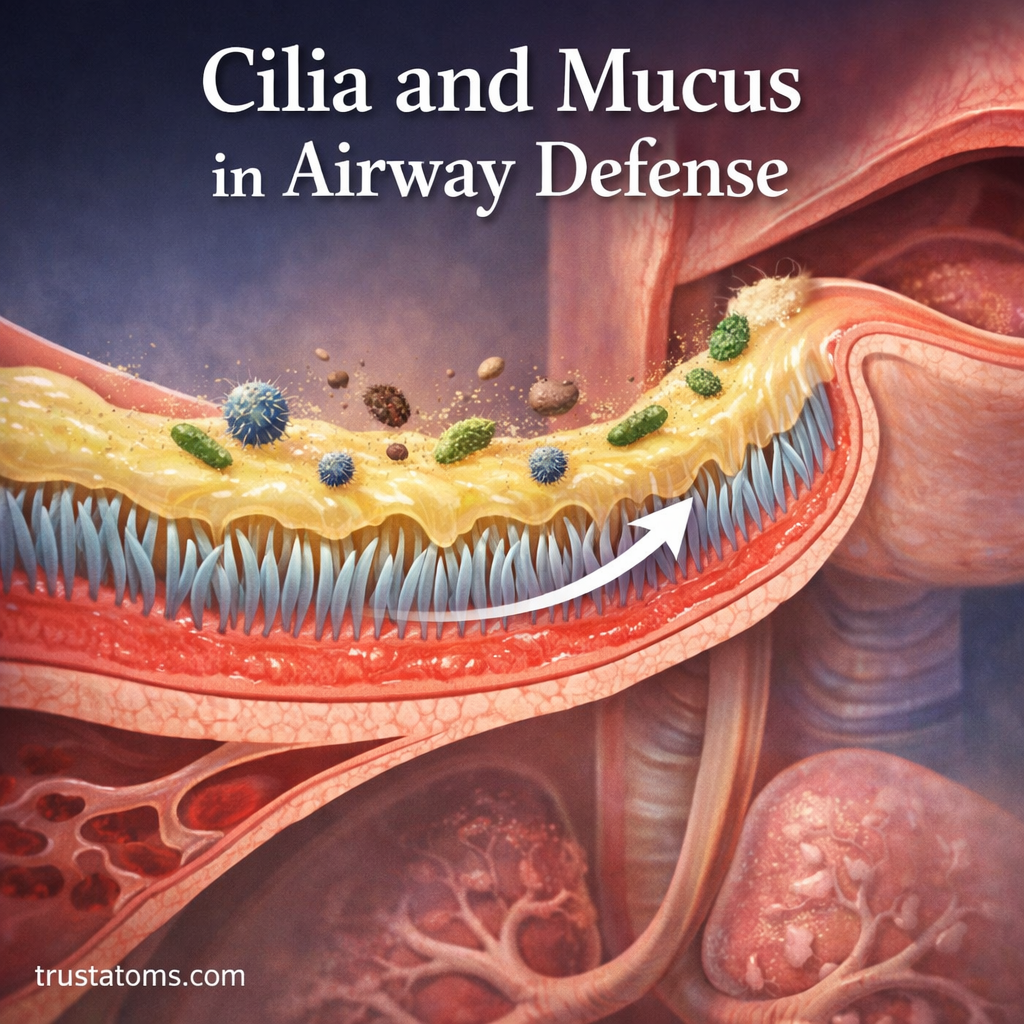
Cilia Movement
Tiny hair-like structures (cilia) move mucus and trapped particles out of the body, especially in the respiratory system.
Secretory Antibodies (IgA)
One of the most important features of mucosal immunity is the production of Immunoglobulin A (IgA).
- Binds to pathogens
- Prevents them from attaching to cells
- Neutralizes toxins
The Microbiome: A Hidden Layer of Defense
Both skin and mucosal surfaces host beneficial microbes known as the microbiome.
Why the Microbiome Matters
- Competes with harmful bacteria for space
- Produces substances that inhibit pathogens
- Helps regulate immune responses
A balanced microbiome is essential for maintaining strong immunity.
Innate vs Adaptive Immunity at Barrier Surfaces
Skin and mucosal immunity involve both branches of the immune system.
Innate Immunity (Immediate Response)
- Physical barriers (skin, mucus)
- Chemical defenses (enzymes, acids)
- Rapid, non-specific response
Adaptive Immunity (Targeted Response)
- T cells and B cells recognize specific pathogens
- Memory cells provide long-term protection
- Antibody production (like IgA)
Common Factors That Affect Skin and Mucosal Immunity
Your body’s defenses can be strengthened—or weakened—by various factors.
Lifestyle Influences
- Poor nutrition
- Lack of sleep
- Chronic stress
- Smoking or pollution exposure
Environmental Factors
- Dry air can weaken mucosal barriers
- Harsh chemicals can damage skin
- Frequent infections can strain immunity
How to Support Skin and Mucosal Immunity
Maintaining strong barrier defenses doesn’t require complex interventions. Consistency in healthy habits goes a long way.
Practical Tips
- Stay hydrated to support mucus production
- Eat a balanced diet rich in vitamins A, C, and E
- Maintain good hygiene without over-washing
- Use gentle skincare products
- Avoid smoking and limit exposure to pollutants
- Get enough sleep to support immune regulation
Why Skin and Mucosal Immunity Matters
These systems are your body’s first and most constant line of defense. When functioning properly, they:
- Prevent infections before they start
- Reduce the burden on deeper immune responses
- Help maintain overall health and balance
If these barriers are compromised, pathogens can enter more easily, increasing the risk of illness.
Final Thoughts
Skin and mucosal immunity work together as a sophisticated defense network, combining physical barriers, chemical protection, immune cells, and beneficial microbes. While often overlooked, these systems play a vital role in keeping you healthy every day.
By understanding and supporting these natural defenses, you can strengthen your body’s ability to protect itself from the outside world.