Cytokines are small signaling proteins that play a central role in how the immune system communicates, coordinates, and responds to threats. From fighting infections to regulating inflammation, cytokines act as messengers between cells, ensuring the body reacts appropriately to internal and external challenges.
Understanding cytokines is key to grasping how immune responses work—both in maintaining health and in disease conditions like autoimmune disorders, chronic inflammation, and infections.
What Are Cytokines?
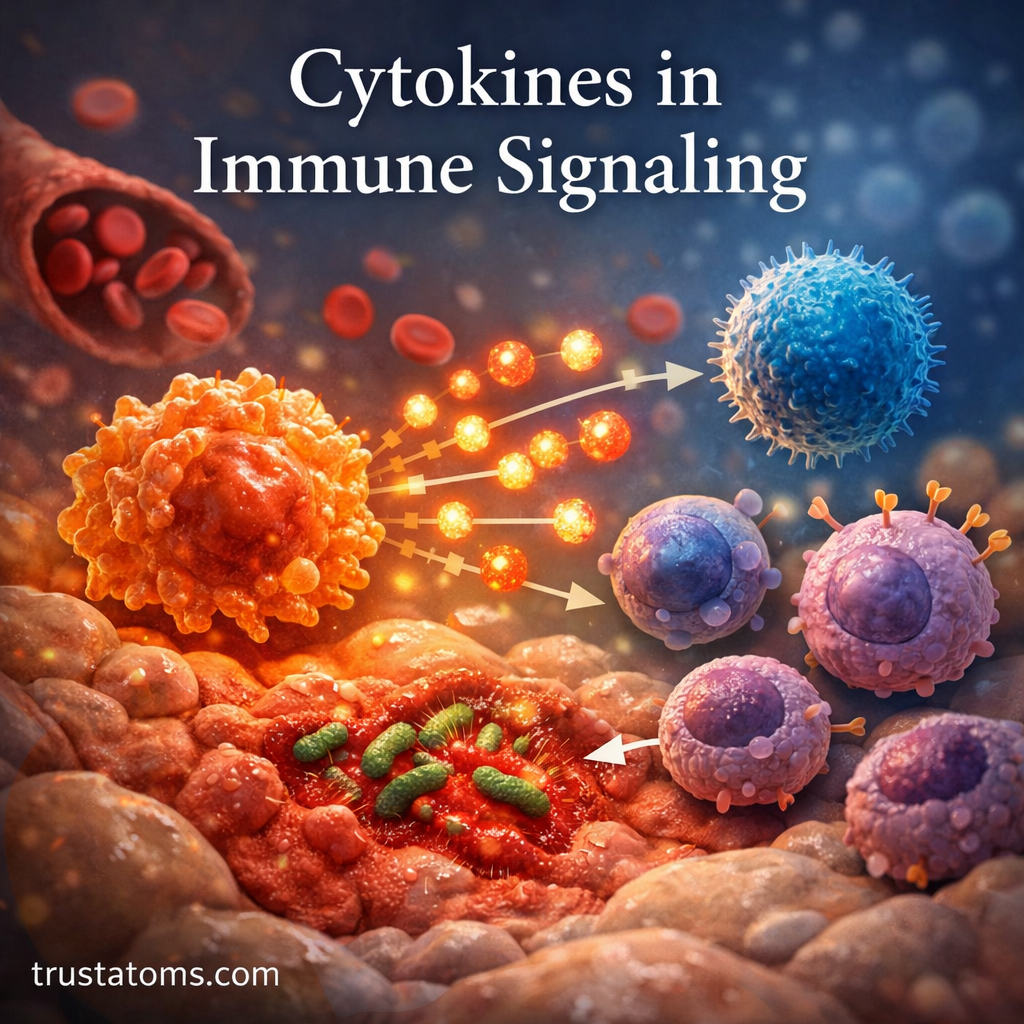
Cytokines are proteins secreted primarily by immune cells that influence the behavior of other cells. They function as chemical messengers, allowing immune cells to “talk” to each other.
Key characteristics of cytokines include:
- Small, soluble proteins
- Released by immune and non-immune cells
- Act locally (paracrine) or systemically (endocrine)
- Bind to specific receptors on target cells
They are essential for:
- Initiating immune responses
- Regulating inflammation
- Controlling cell growth and differentiation
- Coordinating healing and repair
How Cytokine Signaling Works
Cytokine signaling follows a structured process:
1. Release
When immune cells detect a threat (such as bacteria or viruses), they release cytokines into the surrounding environment.
2. Binding
Cytokines bind to specific receptors on nearby or distant cells. Each cytokine has a matching receptor, ensuring targeted communication.
3. Cellular Response
Once bound, the target cell activates internal signaling pathways that lead to changes such as:
- Gene expression
- Cell activation
- Migration toward infection sites
- Production of additional immune molecules
Major Types of Cytokines
Cytokines are grouped based on their function. Each type plays a distinct role in immune signaling.
Interleukins (ILs)
Interleukins are primarily produced by white blood cells and regulate interactions between immune cells.
Functions include:
- Activating lymphocytes (T cells and B cells)
- Promoting immune cell differentiation
- Regulating inflammation levels
Example:
- IL-2 stimulates T cell proliferation
Interferons (IFNs)
Interferons are crucial in antiviral defense.
Functions include:
- Inhibiting viral replication
- Activating natural killer (NK) cells
- Enhancing antigen presentation
Example:
- IFN-α and IFN-β are produced in response to viral infections
Tumor Necrosis Factors (TNFs)
TNFs are involved in systemic inflammation and immune regulation.
Functions include:
- Promoting inflammation
- Inducing cell death (apoptosis)
- Activating immune responses
Example:
- TNF-α is a key mediator in inflammatory diseases
Chemokines
Chemokines guide immune cells to specific locations in the body.
Functions include:
- Directing cell movement (chemotaxis)
- Recruiting immune cells to infection or injury sites
Example:
- CXCL8 (IL-8) attracts neutrophils to sites of infection
Colony-Stimulating Factors (CSFs)
These cytokines stimulate the production of blood cells in the bone marrow.
Functions include:
- Promoting growth of white blood cells
- Supporting immune system replenishment
Cytokines and Inflammation
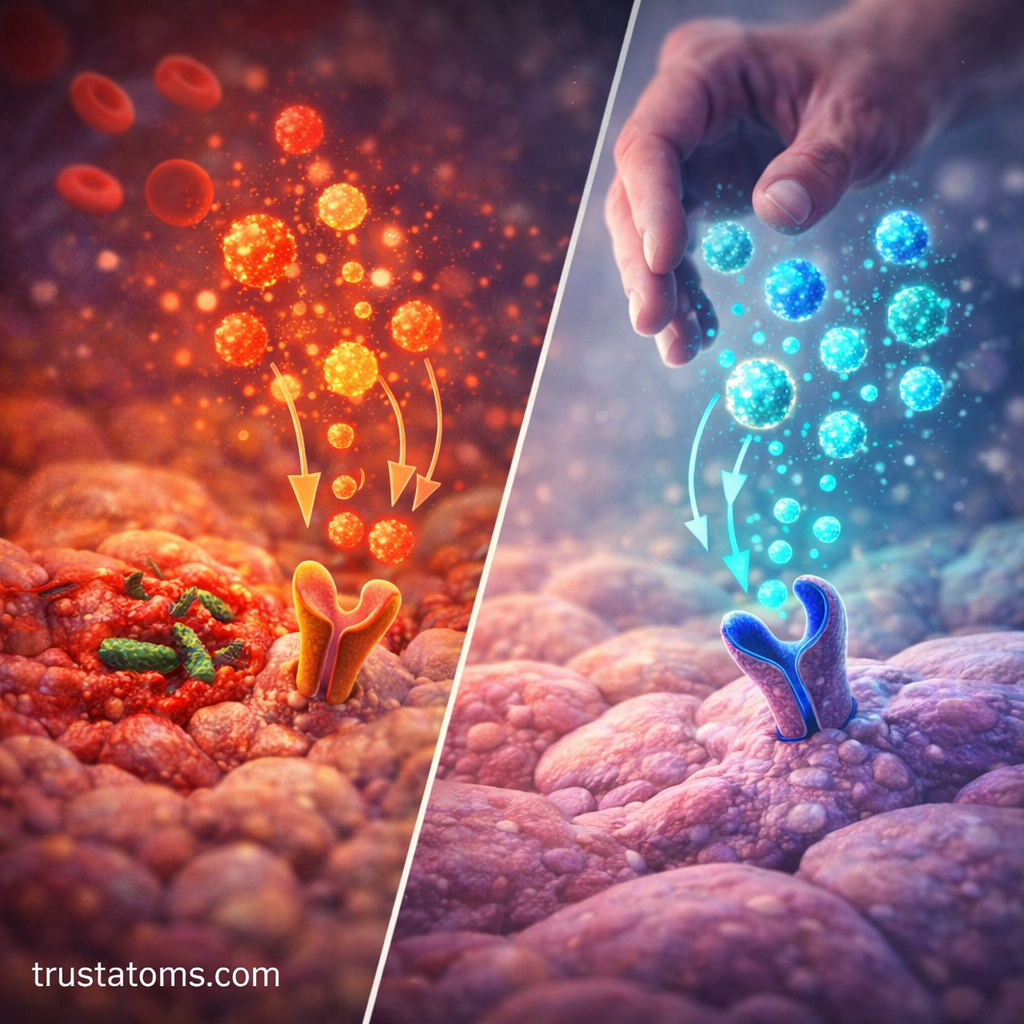
Cytokines play a major role in inflammation, which is the body’s response to injury or infection.
Pro-inflammatory Cytokines
These cytokines promote inflammation to help eliminate threats.
Examples include:
- TNF-α
- IL-1
- IL-6
Effects:
- Increased blood flow
- Recruitment of immune cells
- Fever and swelling
Anti-inflammatory Cytokines
These cytokines help reduce inflammation and restore balance.
Examples include:
- IL-10
- TGF-β
Effects:
- Suppression of immune activity
- Prevention of tissue damage
- Promotion of healing
Balancing Act
A healthy immune system maintains a balance between pro-inflammatory and anti-inflammatory cytokines. When this balance is disrupted, problems can arise.
Cytokine Networks and Communication
Cytokines rarely act alone. Instead, they function in complex networks where multiple cytokines influence each other.
Key features of cytokine networks:
- Redundancy: Multiple cytokines can perform similar functions
- Synergy: Cytokines can enhance each other’s effects
- Antagonism: Some cytokines counteract others
- Pleiotropy: One cytokine can have multiple effects on different cells
This complexity allows for precise control of immune responses.
Cytokines in the Innate and Adaptive Immune System
Cytokines are involved in both major branches of immunity.
Innate Immunity
The innate immune system provides immediate, non-specific defense.
Cytokine roles:
- Triggering inflammation
- Activating macrophages and neutrophils
- Recruiting immune cells to infection sites
Adaptive Immunity
The adaptive immune system provides targeted, long-term protection.
Cytokine roles:
- Guiding T cell differentiation (e.g., helper T cell subsets)
- Supporting B cell antibody production
- Establishing immune memory
Cytokine Storm: When Signaling Goes Wrong
A cytokine storm is an excessive and uncontrolled release of cytokines.
What Happens?
- Overactivation of immune cells
- Massive inflammation
- Damage to healthy tissues
Consequences:
- Organ failure
- Severe illness
- Potentially life-threatening outcomes
Cytokine storms have been observed in:
- Severe viral infections
- Certain autoimmune conditions
- Some cancer therapies
Cytokines and Disease
Cytokine dysregulation is linked to many diseases.
Autoimmune Disorders
In conditions like rheumatoid arthritis:
- Excess pro-inflammatory cytokines attack healthy tissues
- Chronic inflammation leads to joint damage
Allergies and Asthma
Cytokines can drive hypersensitive immune responses:
- Overproduction leads to airway inflammation
- Causes symptoms like wheezing and swelling
Chronic Inflammation
Persistent cytokine activity can contribute to:
- Cardiovascular disease
- Metabolic disorders
- Neurodegenerative conditions
Cancer
Cytokines can have dual roles:
- Some promote tumor growth and survival
- Others enhance immune attack against cancer cells
Therapeutic Use of Cytokines
Cytokines are not only involved in disease—they are also used in treatment.
Cytokine-Based Therapies
Examples include:
- Interferon therapy for viral infections and certain cancers
- Interleukin therapies to boost immune responses
Cytokine Inhibitors
These drugs block harmful cytokine activity.
Examples:
- TNF inhibitors used in autoimmune diseases
- IL-6 blockers for inflammatory conditions
These therapies aim to restore balance in the immune system.
Key Functions of Cytokines at a Glance
- Coordinate immune cell communication
- Regulate inflammation levels
- Direct immune cell movement
- Promote cell growth and differentiation
- Activate or suppress immune responses
Why Cytokines Matter
Cytokines are fundamental to how the body defends itself. Without them, immune cells would not be able to coordinate effectively, leading to weak or disorganized responses.
At the same time, too much cytokine activity can be just as harmful as too little. This delicate balance is what keeps the immune system functioning properly.
Understanding cytokines provides insight into:
- How infections are fought
- Why inflammation occurs
- What causes immune-related diseases
- How modern treatments target the immune system
Final Thoughts
Cytokines serve as the communication backbone of the immune system. Through precise signaling, they control when, where, and how immune responses occur.
From initiating inflammation to resolving it, cytokines ensure that the body responds appropriately to threats while minimizing damage to its own tissues. Their role in both health and disease makes them a central focus in immunology and modern medicine.
As research continues, cytokines remain a key target for developing new therapies aimed at improving immune function and treating complex diseases.