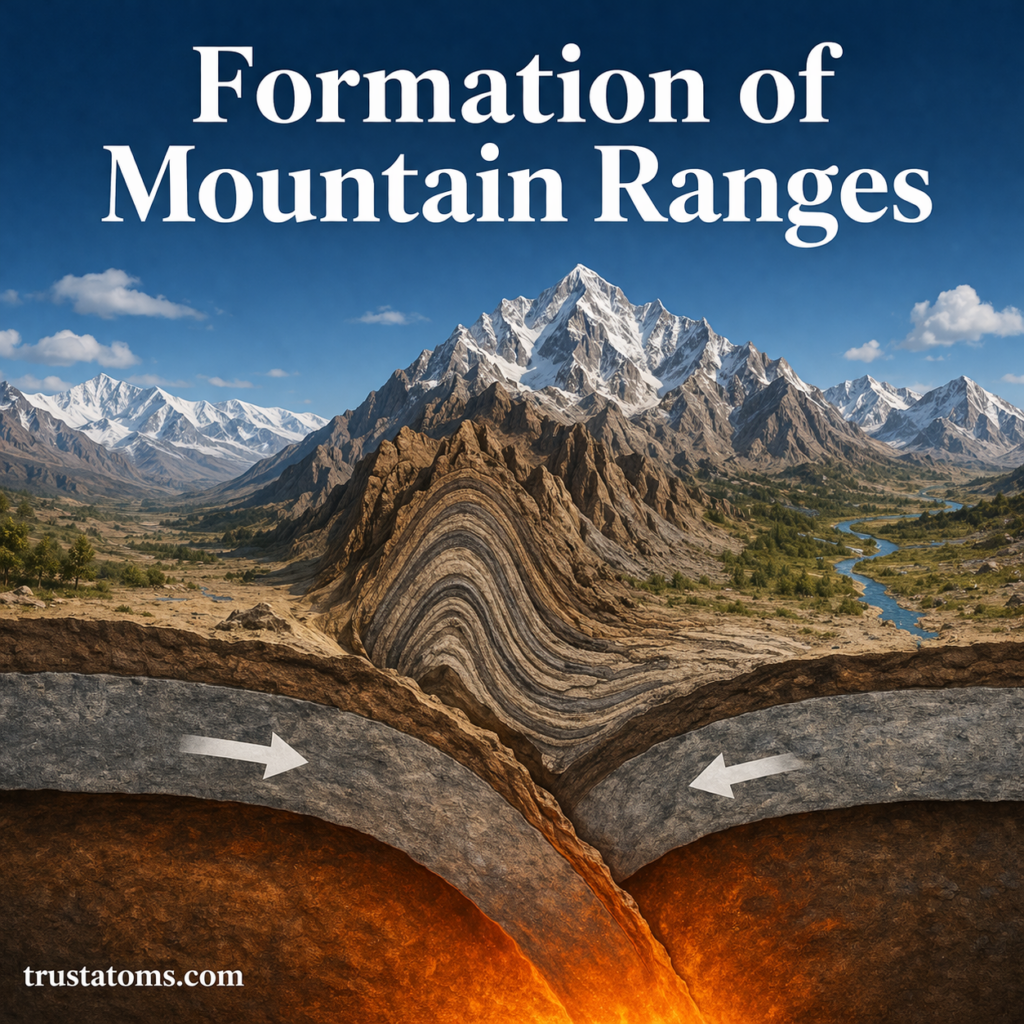
Mountain ranges are among the most dramatic features on Earth’s surface, shaping landscapes, influencing climate, and supporting diverse ecosystems. From towering peaks like the Himalayas to ancient, weathered ranges like the Appalachians, mountains tell the story of powerful geological forces at work over millions of years.
Understanding how mountain ranges form helps explain not only Earth’s past but also the ongoing processes that continue to reshape our planet today.
What Are Mountain Ranges?
A mountain range is a series of connected mountains formed by the same geological processes. These formations typically occur along plate boundaries, where large sections of Earth’s crust interact.
Mountain ranges vary widely in size, age, and appearance, but they all share a common origin: movement within Earth’s lithosphere.
The Role of Plate Tectonics
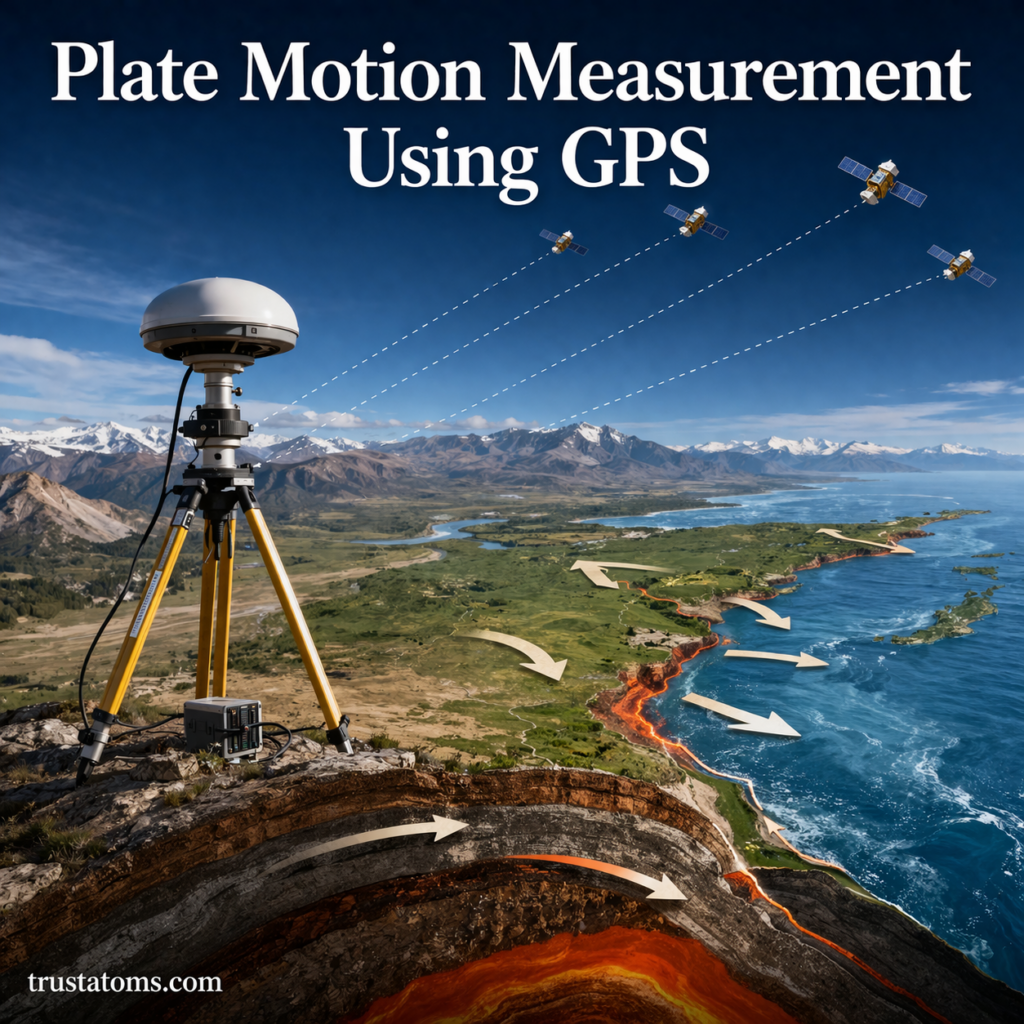
The primary driver behind mountain formation is the theory of plate tectonics. Earth’s outer shell is divided into large plates that float on the semi-fluid mantle beneath them.
When these plates move, they can:
- Collide
- Pull apart
- Slide past each other
Mountain ranges most commonly form at convergent boundaries, where plates collide.
Types of Mountain Formation
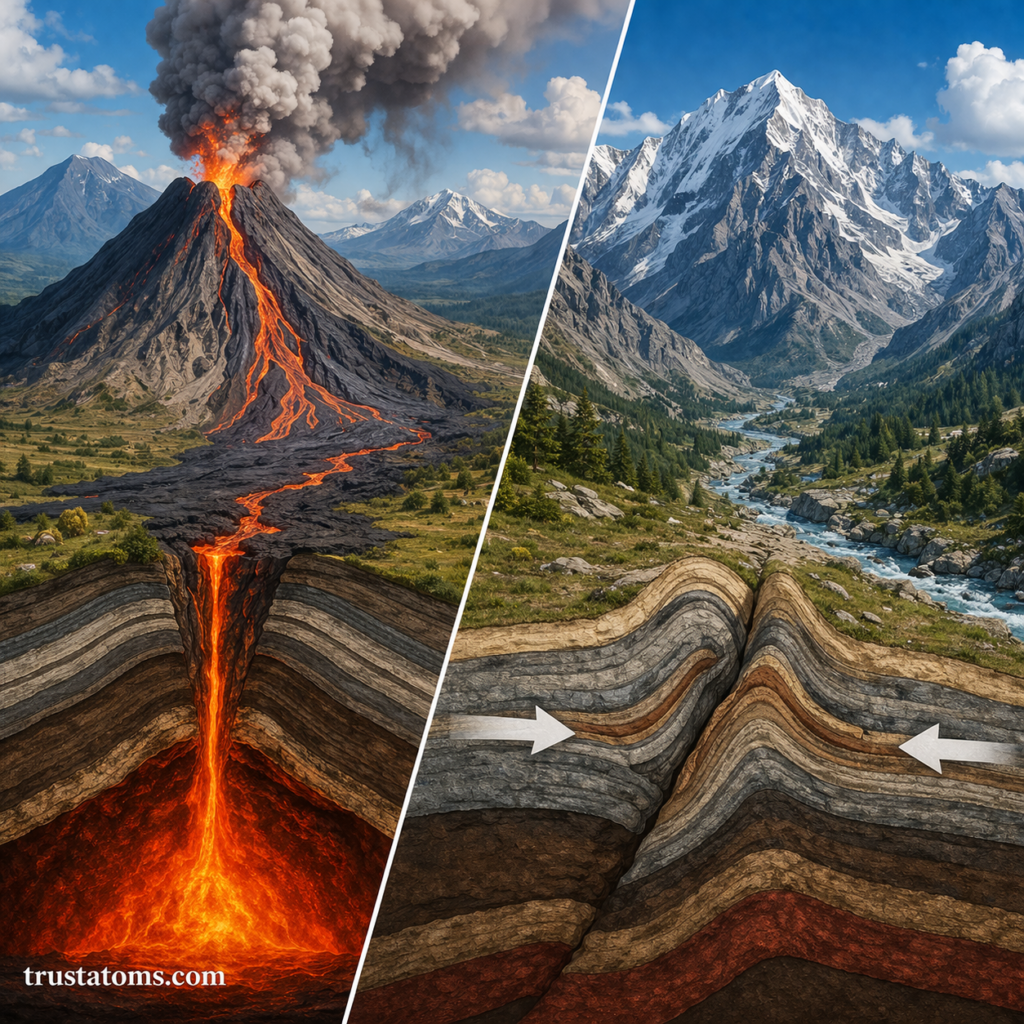
Different tectonic interactions create different types of mountain ranges. The three main types are fold mountains, fault-block mountains, and volcanic mountains.
Fold Mountains
Fold mountains form when two tectonic plates collide, causing layers of rock to buckle and fold upward.
Common characteristics:
- Long, linear ranges
- High elevation
- Complex rock structures
Examples include:
- The Himalayas
- The Alps
- The Andes
Formation process:
- Two continental plates move toward each other
- Neither plate easily sinks due to similar density
- Crust compresses and folds upward
- Over time, massive पर्वत ranges develop
This process can take tens of millions of years and is still ongoing in some regions.
Fault-Block Mountains
Fault-block mountains form when large sections of Earth’s crust break and move along faults due to tectonic stress.
Key features:
- Steep slopes
- Flat or tilted tops
- Large fractures in the crust
Formation process:
- Tension causes the crust to crack
- Blocks of rock move up or down
- Elevated blocks form mountains
Examples include:
- The Sierra Nevada in California
- The Basin and Range region in the western United States
These mountains are often less jagged than fold mountains but still dramatic in appearance.
Volcanic Mountains
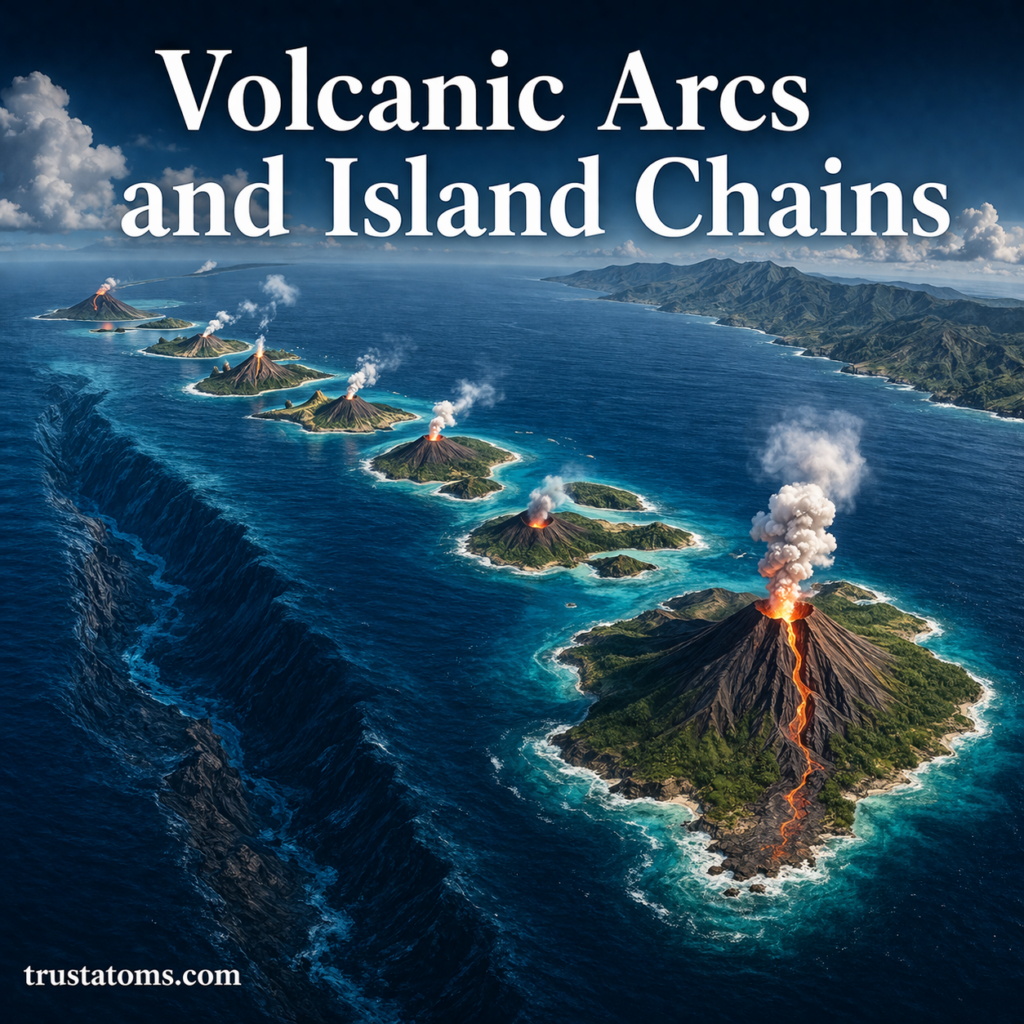
Volcanic mountains form when molten rock (magma) rises from beneath Earth’s surface and erupts.
Main characteristics:
- Cone-shaped peaks
- Layers of lava and ash
- Often located near plate boundaries or hotspots
Formation process:
- Magma rises through cracks in the crust
- Eruptions deposit layers of material
- Repeated eruptions build a mountain over time
Examples include:
- Mount Fuji in Japan
- Mount St. Helens in the United States
- Mauna Loa in Hawaii
Some volcanic mountains can grow rapidly compared to other mountain types.
Other Factors That Shape Mountains
While tectonic activity forms mountains, other forces shape them over time.
Erosion
Wind, water, and ice gradually wear down mountains:
- Rivers carve valleys
- Glaciers reshape peaks
- Weathering breaks down rock
Uplift and Isostasy
Even after formation, mountains can continue to rise due to isostatic adjustment, where the crust balances itself after erosion removes weight.
Climate Influence
Climate plays a major role in shaping mountain features:
- Cold climates promote glaciation
- Wet climates increase erosion
- Dry climates preserve sharp features
The Life Cycle of Mountain Ranges
Mountain ranges go through a long life cycle:
- Formation through tectonic activity
- Growth and uplift
- Erosion and weathering
- Eventual flattening into plains
Older ranges, like the Appalachian Mountains, are lower and more rounded due to millions of years of erosion, while younger ranges like the Himalayas remain tall and rugged.
Why Mountain Formation Matters
Mountain ranges are more than just scenic landscapes—they play a crucial role in Earth systems.
Climate Regulation
Mountains influence weather patterns by:
- Blocking air masses
- Creating rain shadows
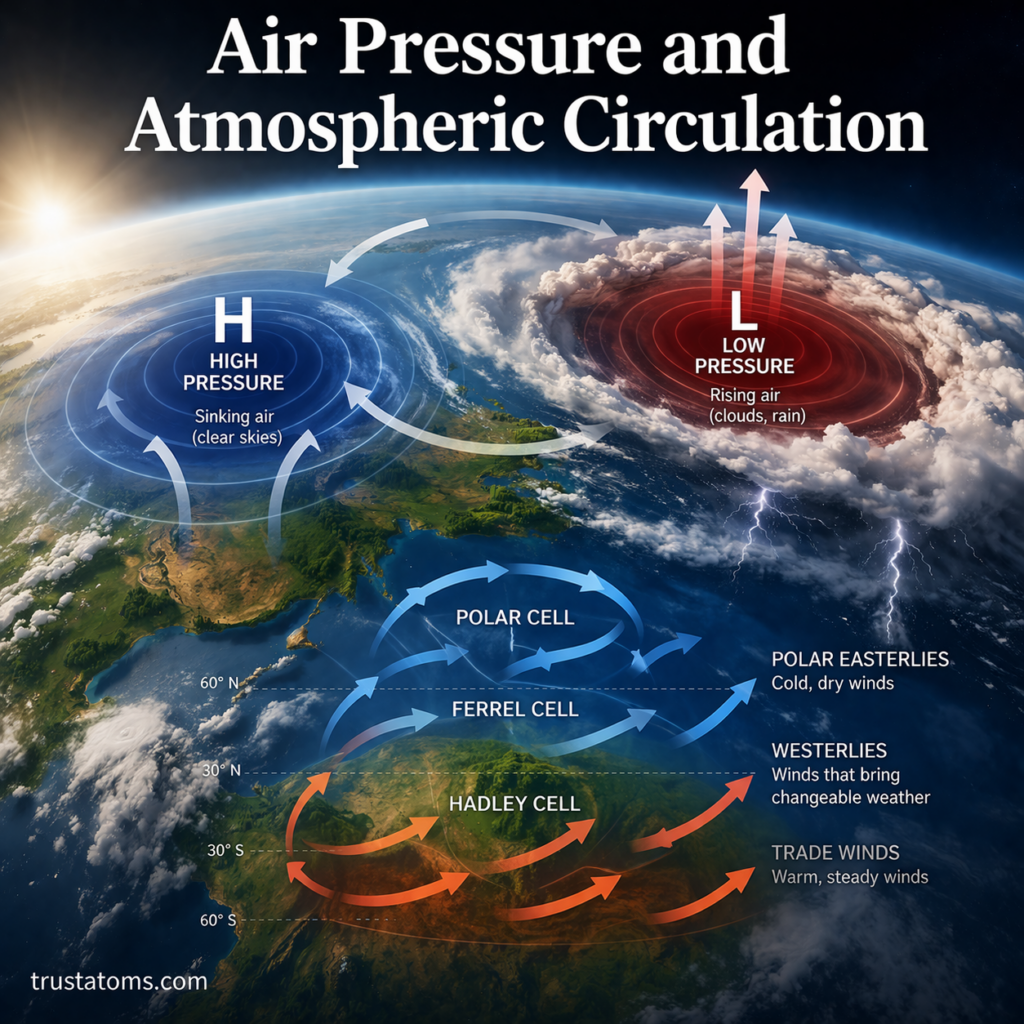
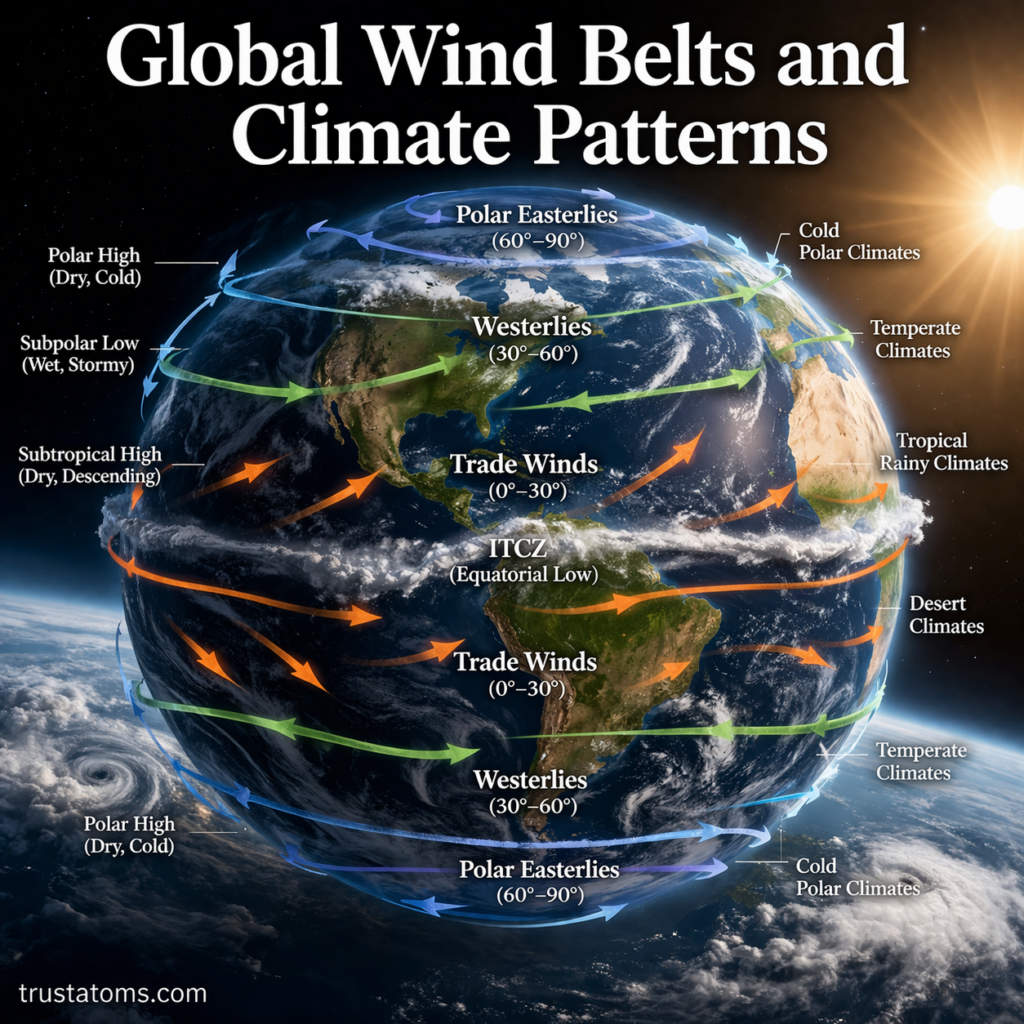
- Affecting global wind circulation
Water Sources
Many major rivers originate in mountain regions, making them essential for freshwater supply.
Biodiversity
Mountains create diverse habitats with unique ecosystems, often supporting species found nowhere else.
Natural Hazards
Mountain formation is associated with:
- Earthquakes
- Landslides
- Volcanic eruptions
Understanding these processes helps improve disaster preparedness.
Key Takeaways
- Mountain ranges form primarily due to tectonic plate interactions
- Fold, fault-block, and volcanic mountains are the main types
- Erosion and climate continuously reshape mountains
- Mountain formation is an ongoing process that affects climate, water systems, and ecosystems
Final Thoughts
The formation of mountain ranges is a powerful reminder of Earth’s dynamic nature. What may appear stable and unchanging is actually the result of slow but relentless geological forces.
By studying how mountains form, we gain insight into Earth’s past, present, and future—revealing a planet that is constantly evolving beneath our feet.