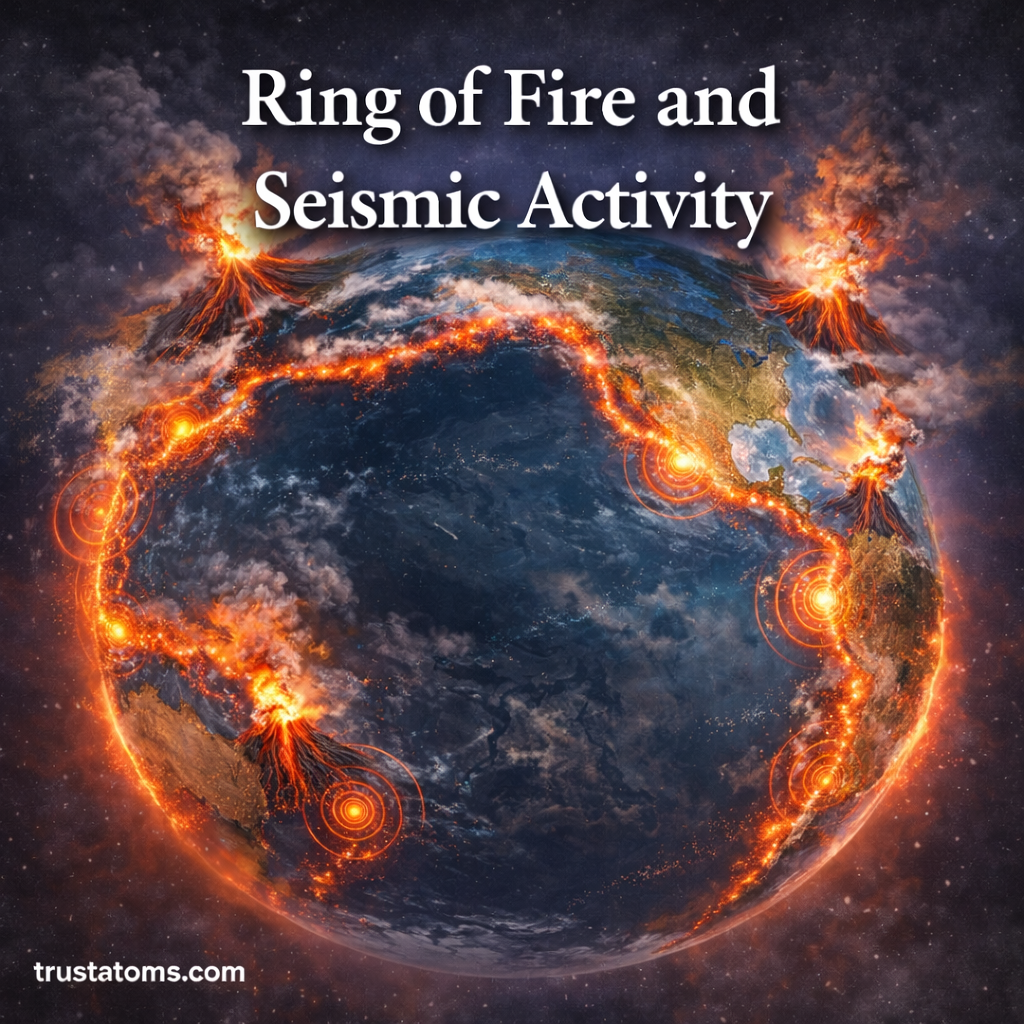
The Ring of Fire is one of the most geologically active regions on Earth. Stretching around the Pacific Ocean, it is home to the majority of the world’s earthquakes and volcanoes.
Understanding why this region experiences so much seismic activity helps explain how Earth’s dynamic surface works—and why certain areas face greater natural hazard risks.
What Is the Ring of Fire?
The Ring of Fire is a horseshoe-shaped zone that surrounds the Pacific Ocean. It is characterized by intense tectonic activity, including:
- Frequent earthquakes
- Active volcanoes
- Deep ocean trenches
This region includes parts of:
- North and South America
- East Asia
- Southeast Asia
- Oceania
Roughly 75% of the world’s active volcanoes and about 90% of earthquakes occur within this zone.
Why Is the Ring of Fire So Active?
The high level of activity is due to tectonic plate interactions along the edges of the Pacific Plate.
1. Plate Boundaries
The Ring of Fire is dominated by:
- Convergent boundaries (plates collide)
- Transform boundaries (plates slide past each other)
These interactions generate stress and movement within Earth’s crust.
2. Subduction Zones
- One plate is forced beneath another into the mantle
- Creates deep ocean trenches
- Generates powerful earthquakes and volcanic activity
Subduction is the primary reason for the region’s intense geological activity.
How Earthquakes Occur in the Ring of Fire
Earthquakes happen when stress builds up along faults and is suddenly released.
Key Processes
- Plates become locked due to friction
- Stress accumulates over time
- Sudden slip releases energy as seismic waves
Because plate boundaries are so active in this region, earthquakes occur frequently and can be very powerful.
Volcanic Activity in the Ring of Fire
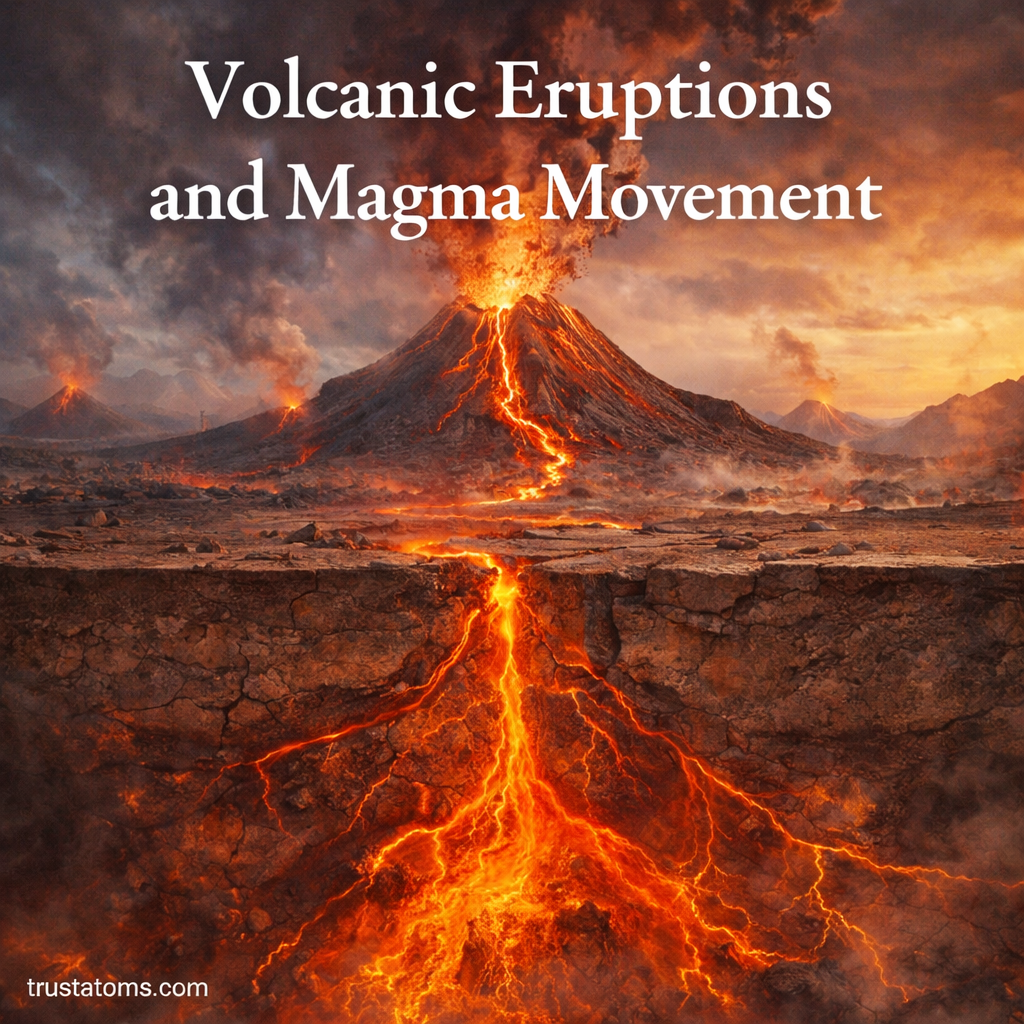
Volcanoes in the Ring of Fire are closely linked to subduction processes.
How Volcanoes Form
- Subducting plates melt as they descend
- Melted material rises as magma
- Magma reaches the surface and erupts
This process creates chains of volcanoes known as volcanic arcs.
Major Regions Within the Ring of Fire
Several well-known regions are part of the Ring of Fire:
The Andes (South America)
- One of the longest mountain ranges in the world
- Frequent earthquakes and volcanic eruptions
The Cascades (North America)
- Includes volcanoes like Mount St. Helens
- Known for explosive eruptions
Japan and East Asia
- Highly active seismic zone
- Frequent earthquakes and tsunamis
Indonesia
- One of the most volcanically active regions
- Numerous eruptions and seismic events
What Makes This Region Hazardous?
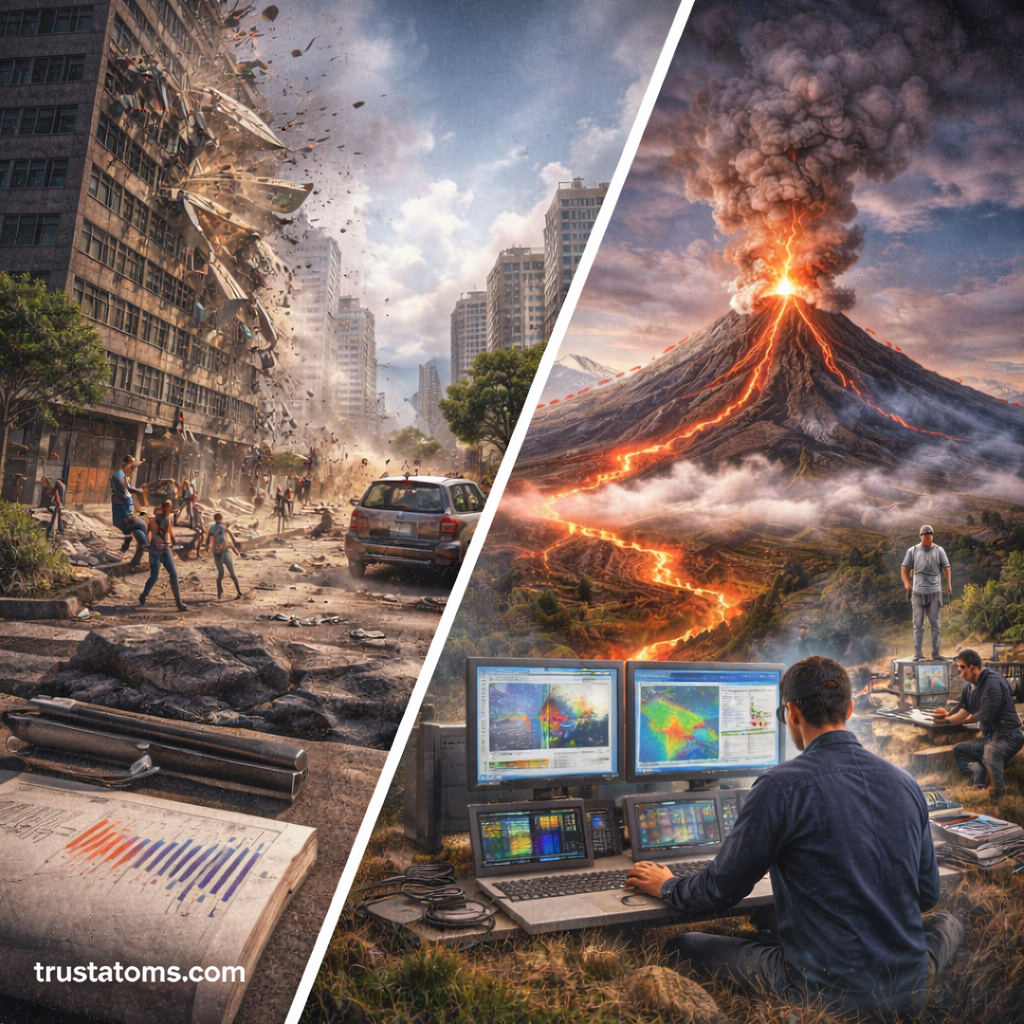
The concentration of geological activity creates multiple overlapping hazards.
Earthquake Risks
- Strong ground shaking
- Structural damage
- Landslides and ground rupture
Volcanic Hazards
- Lava flows
- Ash clouds
- Pyroclastic flows
Tsunami Risk
- Underwater earthquakes can displace water
- Coastal regions are especially vulnerable
How Scientists Monitor the Ring of Fire
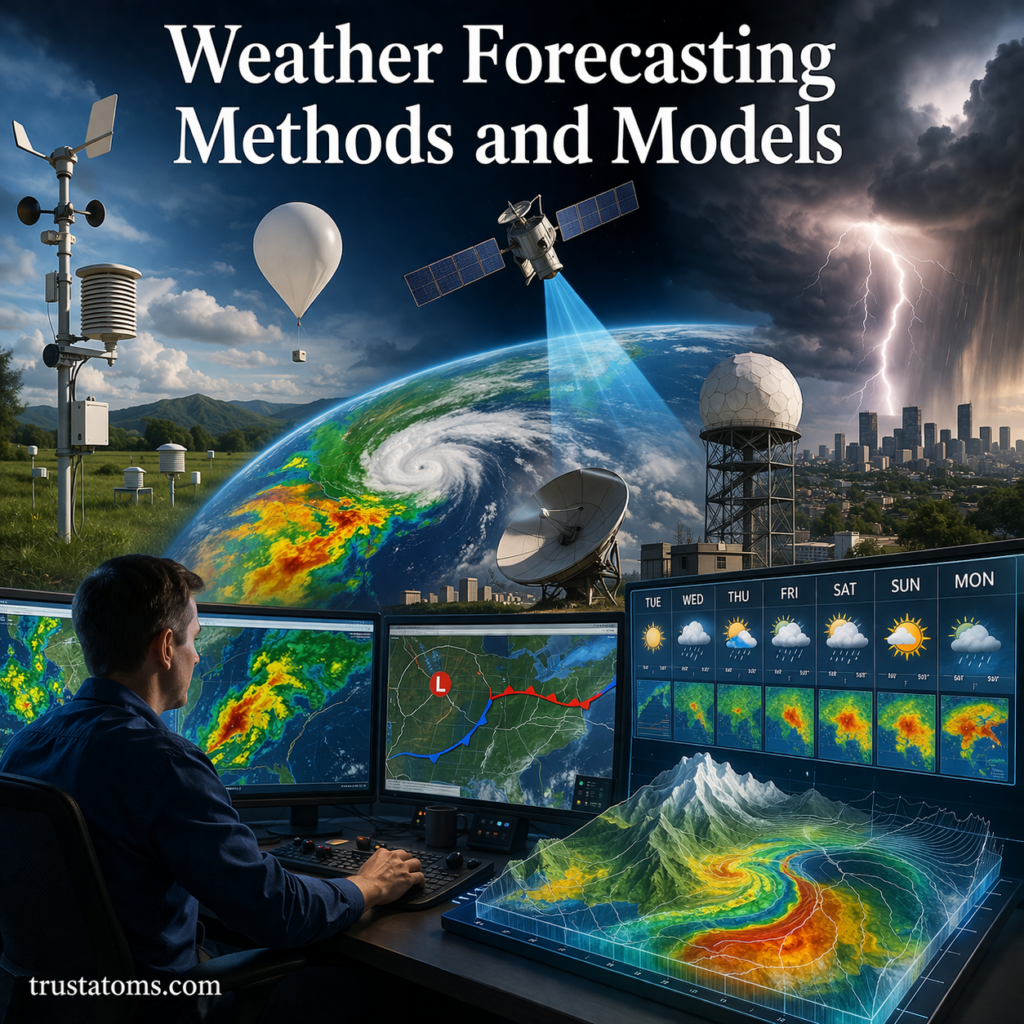
Given its activity, the Ring of Fire is closely monitored using advanced technology.
Monitoring Methods
- Seismographs to detect earthquakes
- GPS systems to track plate movement
- Satellite imaging for surface changes
- Volcanic gas and thermal monitoring
These tools help scientists assess risk and issue warnings.
How People Prepare for Seismic Activity
Communities in the Ring of Fire take steps to reduce risk and improve safety.
Preparedness Measures
- Earthquake-resistant building design
- Tsunami evacuation plans
- Public education and drills
- Early warning systems
Preparedness plays a critical role in minimizing damage and saving lives.
Key Takeaways
- The Ring of Fire surrounds the Pacific Ocean and is highly active
- Most earthquakes and volcanoes occur in this region
- Subduction zones are the main cause of activity
- Hazards include earthquakes, eruptions, and tsunamis
- Monitoring and preparedness are essential for safety
Final Thoughts
The Ring of Fire is a powerful example of Earth’s dynamic nature. While it presents significant risks, it also provides valuable insights into how our planet works.
By studying seismic activity in this region, scientists can better understand Earth’s processes and help communities prepare for natural hazards.