Earthquakes are among the most powerful natural forces on our planet. Throughout history, major seismic events have reshaped landscapes, influenced civilizations, and advanced our scientific understanding of how the Earth works.
From ancient disasters to modern catastrophes, historic earthquakes reveal both the destructive power of nature and the importance of preparedness.
What Is an Earthquake?
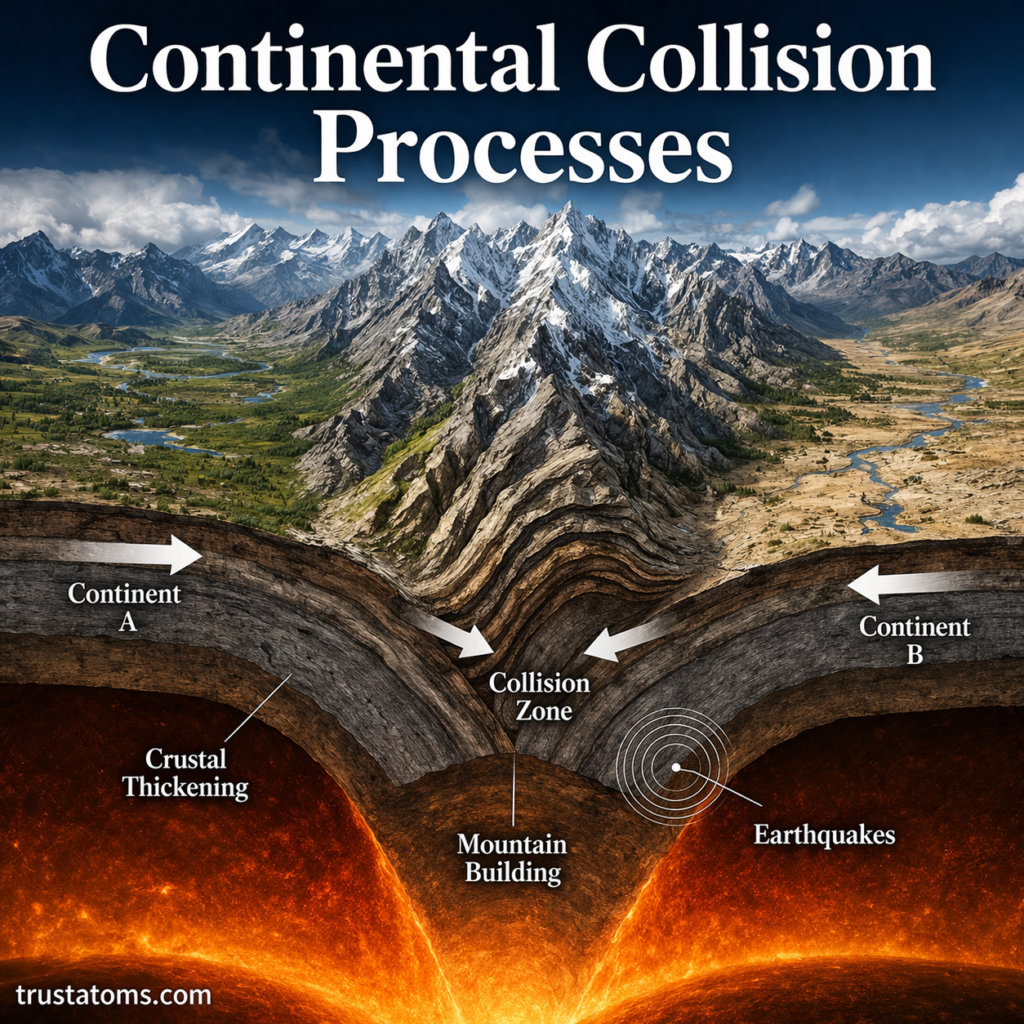
An earthquake occurs when energy stored in the Earth’s crust is suddenly released, creating seismic waves. This usually happens along faults—fractures where tectonic plates meet and move.
Key concepts:
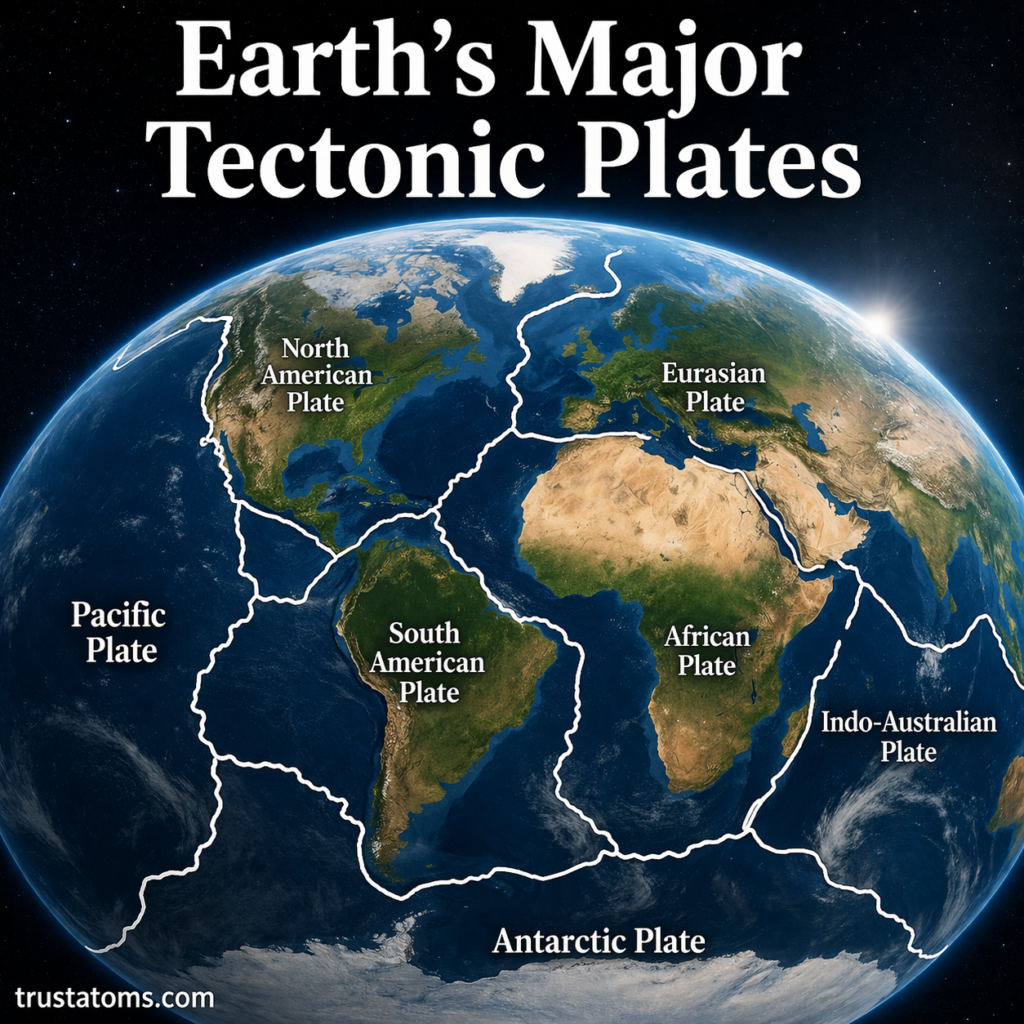
- Tectonic plates: Large sections of Earth’s crust that move slowly over time
- Fault lines: Cracks where movement occurs
- Magnitude: A measure of energy released (commonly using the Richter or moment magnitude scale)
- Epicenter: The point on the Earth’s surface directly above where the earthquake originates
Why Study Historic Earthquakes?
Understanding past earthquakes helps scientists:
- Identify high-risk regions
- Improve building codes and infrastructure
- Develop early warning systems
- Understand patterns in seismic activity
Historic events also highlight how societies respond to natural disasters—and how those responses evolve over time.
Notable Historic Earthquakes
Below are some of the most significant earthquakes in recorded history, known for their magnitude, impact, or scientific importance.
1556 Shaanxi Earthquake (China)
- Estimated magnitude: ~8.0
- Fatalities: Approximately 830,000
The Shaanxi Earthquake is considered the deadliest earthquake in history. Many people lived in loess caves, which collapsed during the shaking.
Key impact:
- Massive loss of life due to vulnerable housing
- Highlighted the importance of construction materials and design
1906 San Francisco Earthquake (USA)
- Magnitude: 7.9
- Fatalities: ~3,000
The 1906 San Francisco Earthquake devastated San Francisco, triggering fires that burned for days.
Key impact:
- Destroyed over 80% of the city
- Led to major advancements in earthquake engineering
- Improved understanding of fault systems, especially the San Andreas Fault
1960 Valdivia Earthquake (Chile)
- Magnitude: 9.5 (largest ever recorded)
- Fatalities: ~1,000–6,000
The 1960 Valdivia Earthquake is the most powerful earthquake ever measured.
Key impact:
- Triggered massive tsunamis across the Pacific
- Advanced global seismic monitoring systems
- Demonstrated the global reach of earthquake effects
2004 Indian Ocean Earthquake and Tsunami
- Magnitude: 9.1–9.3
- Fatalities: Over 230,000
The 2004 Indian Ocean Earthquake and Tsunami struck off the coast of Sumatra and caused one of the deadliest tsunamis in history.
Key impact:
- Affected multiple countries including Indonesia, Thailand, and India
- Led to the creation of improved tsunami warning systems
- Raised global awareness of ocean-based seismic risks
2011 Tōhoku Earthquake and Tsunami (Japan)
- Magnitude: 9.0
- Fatalities: ~20,000
The 2011 Tōhoku Earthquake and Tsunami caused widespread destruction and triggered the Fukushima Daiichi Nuclear Disaster.
Key impact:
- Severe infrastructure damage despite advanced preparedness
- Highlighted risks of nuclear facilities in seismic zones
- Led to improved disaster response and energy policy reviews
2023 Turkey–Syria Earthquake
- Magnitude: 7.8
- Fatalities: Over 50,000
The 2023 Turkey–Syria Earthquake caused catastrophic destruction across southeastern Turkey and northern Syria.
Key impact:
- Collapse of thousands of buildings
- Renewed focus on construction standards and enforcement
- Highlighted humanitarian challenges in disaster zones
Common Patterns Among Major Earthquakes
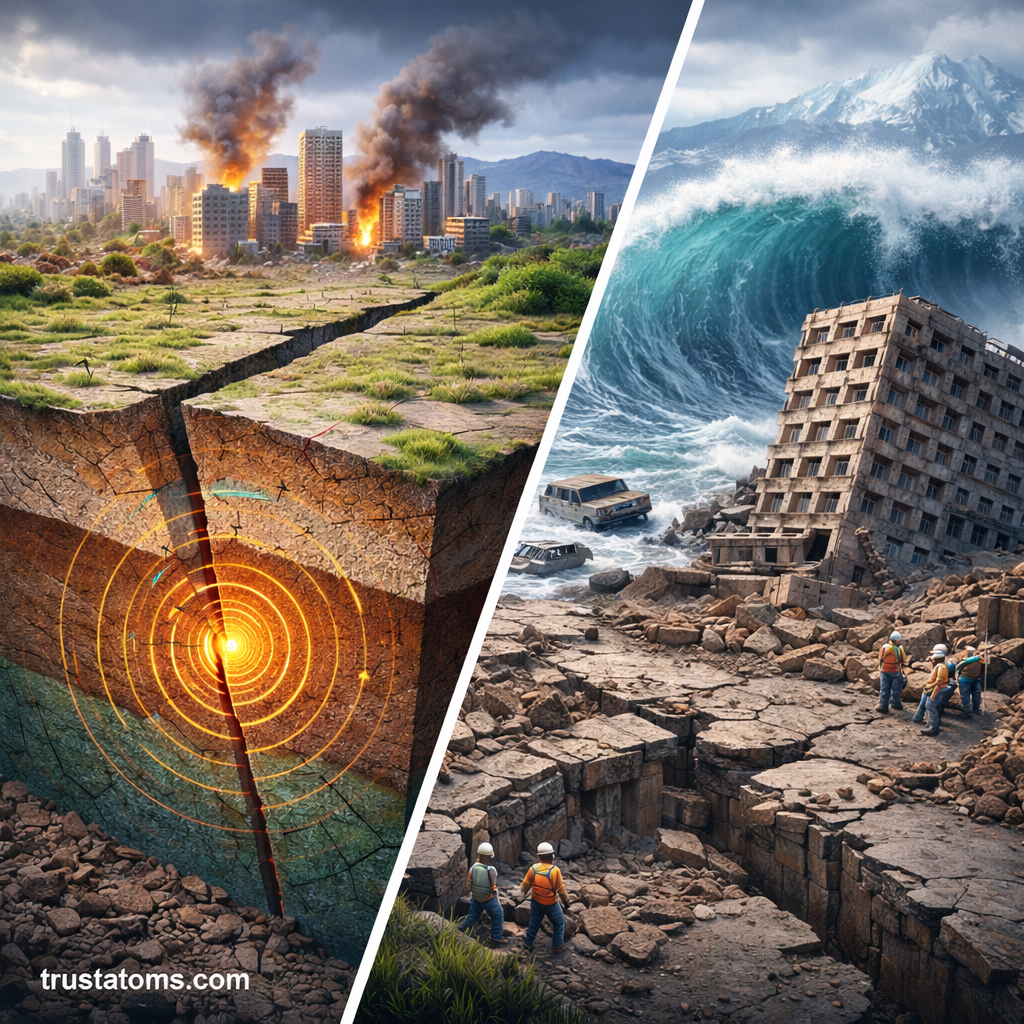
Despite occurring in different regions and time periods, major earthquakes share several patterns:
1. Plate Boundary Activity
Most large earthquakes occur along tectonic plate boundaries, especially:
- Convergent boundaries (subduction zones)
- Transform boundaries (sliding plates)
2. Secondary Hazards
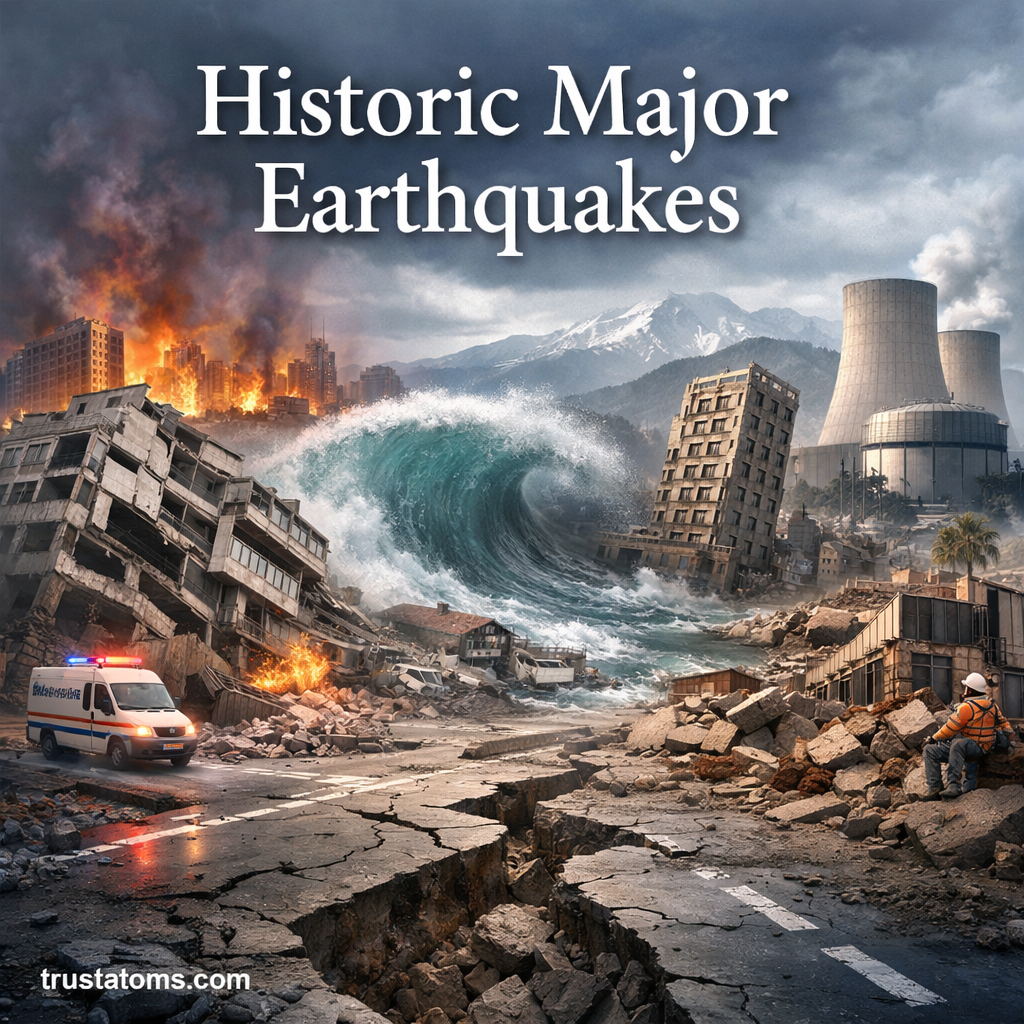
Earthquakes often trigger additional disasters:
- Tsunamis
- Landslides
- Fires
- Infrastructure collapse
3. Human Factors Matter
Damage severity often depends on:
- Building quality
- Population density
- Emergency preparedness
How Historic Earthquakes Changed Science
Major earthquakes have led to breakthroughs in Earth science:
- Development of the moment magnitude scale for more accurate measurements
- Expansion of global seismic monitoring networks
- Improved understanding of plate tectonics
- Creation of earthquake-resistant engineering techniques
Lessons Learned From the Past
Historic earthquakes offer important takeaways for the future:
- Invest in earthquake-resistant construction
- Develop and maintain early warning systems
- Educate communities on emergency preparedness
- Strengthen international cooperation for disaster response
Final Thoughts
Historic major earthquakes remind us that while we cannot prevent seismic activity, we can reduce its impact. By learning from past events, societies can build safer cities, improve response systems, and better protect lives.
As science continues to advance, our ability to understand and prepare for earthquakes grows—turning past tragedies into valuable lessons for the future.