Cells are the fundamental units of life. Every living organism—from single-celled bacteria to complex multicellular organisms—depends on cells to carry out essential biological processes. Within each cell is a highly organized structure composed of specialized components that work together to maintain life.
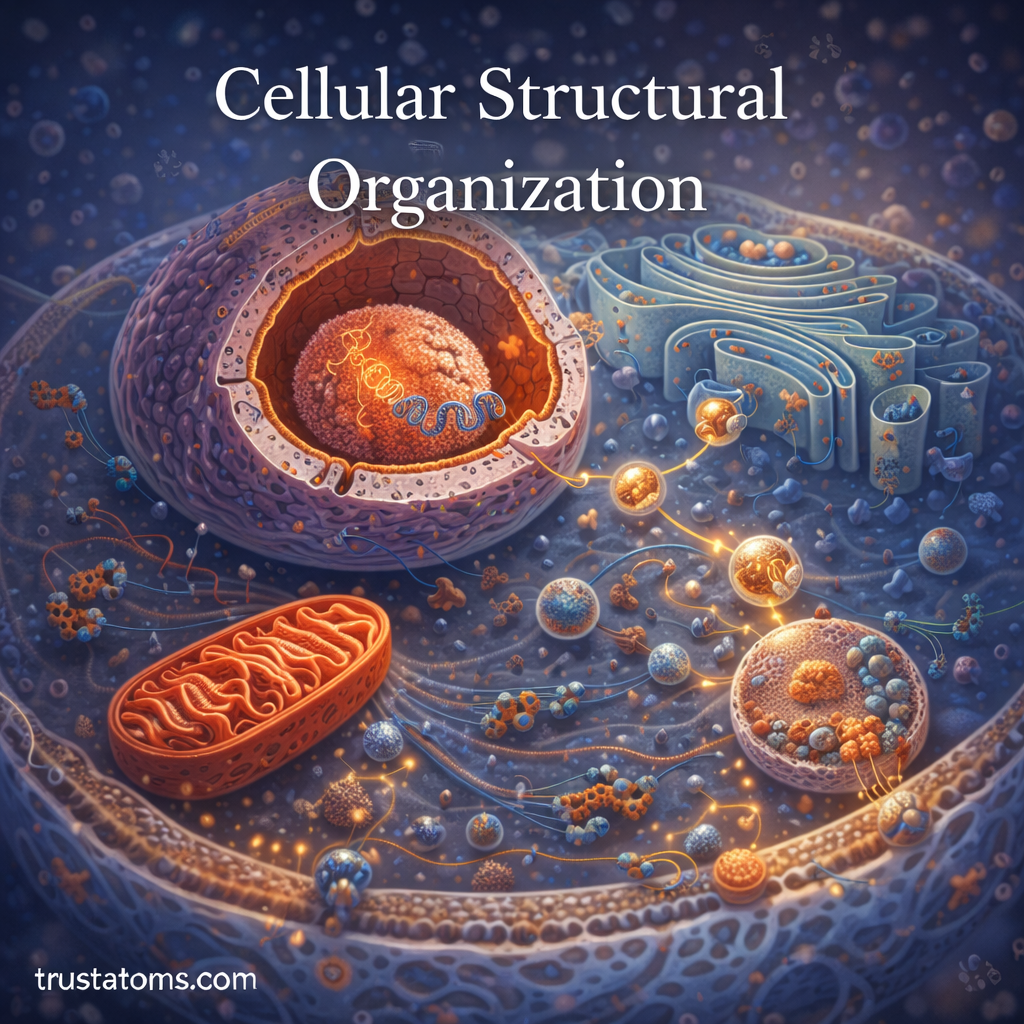
Cellular structural organization refers to the arrangement and coordination of internal cellular components, including membranes, organelles, and the cytoskeleton. This organization ensures that biological processes such as metabolism, protein synthesis, energy production, and cell division occur efficiently.
Understanding cellular structure is a central topic in biology because it reveals how life operates at the microscopic level.
Continue reading “Cellular Structural Organization”