Human Anatomy focuses on the structure and organization of the human body. Explore educational articles covering organs, body systems, anatomy concepts, physiological functions, and explanations designed to help readers better understand how the body works.
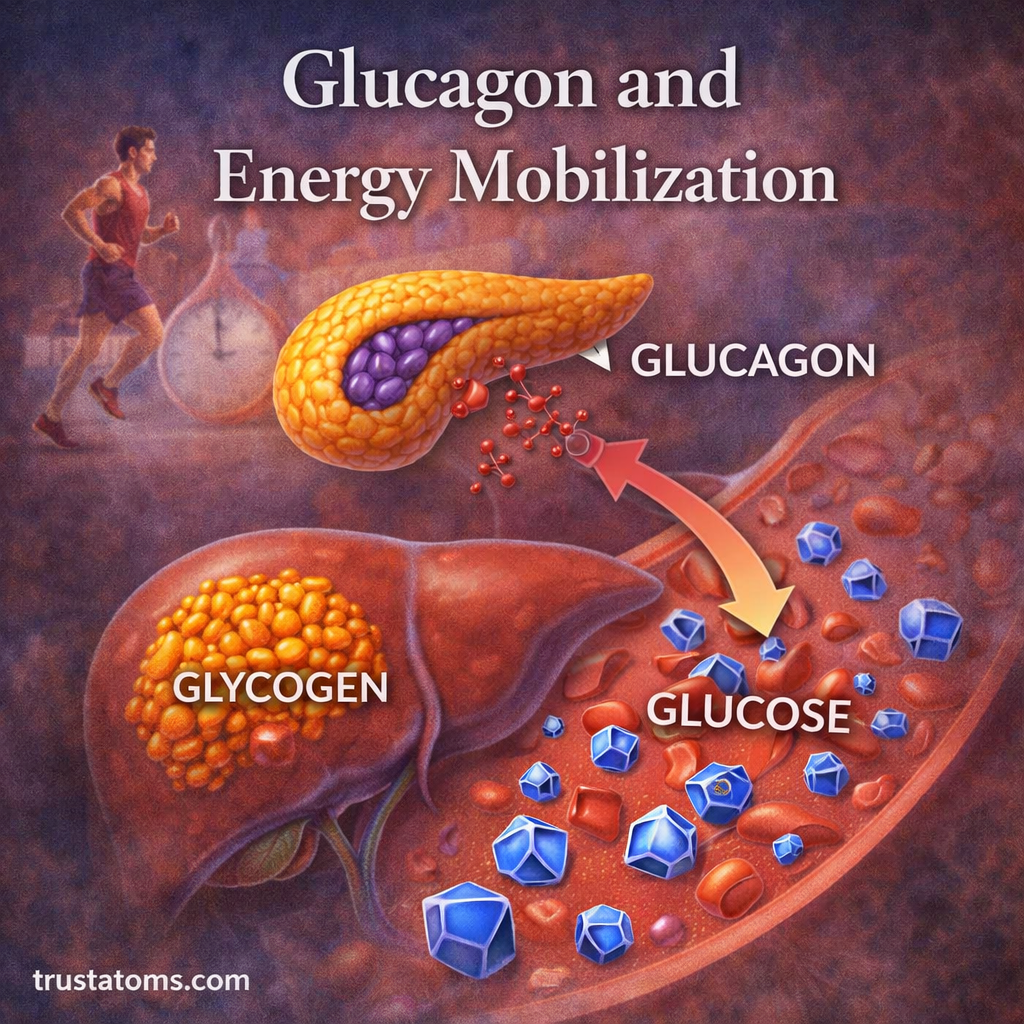
Diagram illustrating how glucagon triggers glycogen breakdown in the liver to release glucose into the bloodstream.
Glucagon is a hormone that raises blood glucose by signaling the liver to release stored glucose and produce additional glucose when the body needs fuel. It helps maintain energy availability between meals, during fasting, and during physical activity when glucose use increases.
Produced by specialized cells in the pancreas, glucagon works alongside insulin to keep blood sugar within a functional range. Understanding this relationship connects human anatomy with metabolism and the hormonal control of energy supplies.
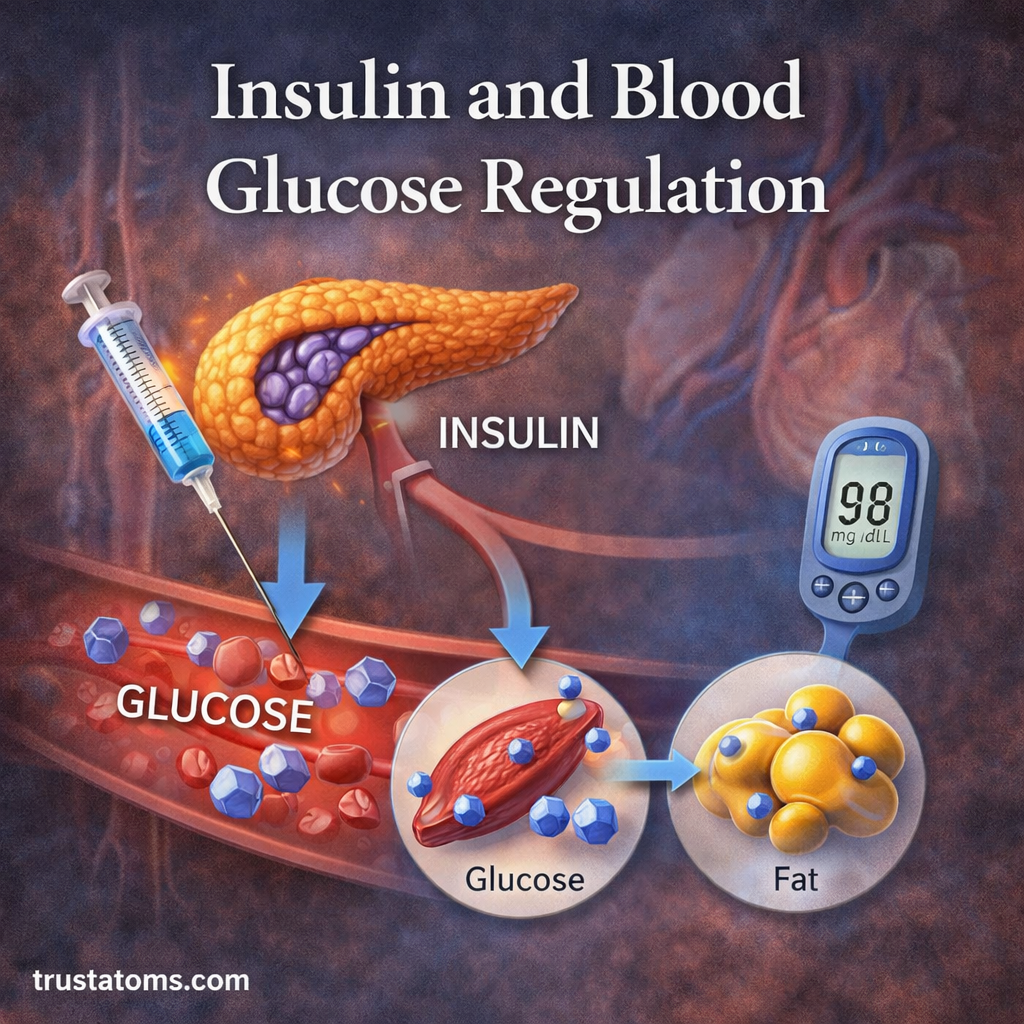
Insulin released by the pancreas helps muscle and fat cells absorb glucose while reducing glucose production by the liver.
Insulin regulates blood glucose by helping muscle and fat cells absorb sugar from the bloodstream and signaling the liver to reduce glucose production. Released by the pancreas when blood sugar rises, insulin helps keep glucose within a healthy range while supporting energy use and storage.
This process connects the digestive, endocrine, and circulatory systems studied in human anatomy. When insulin production or cellular responses become impaired, blood glucose can remain elevated, increasing the risk of diabetes and related complications.
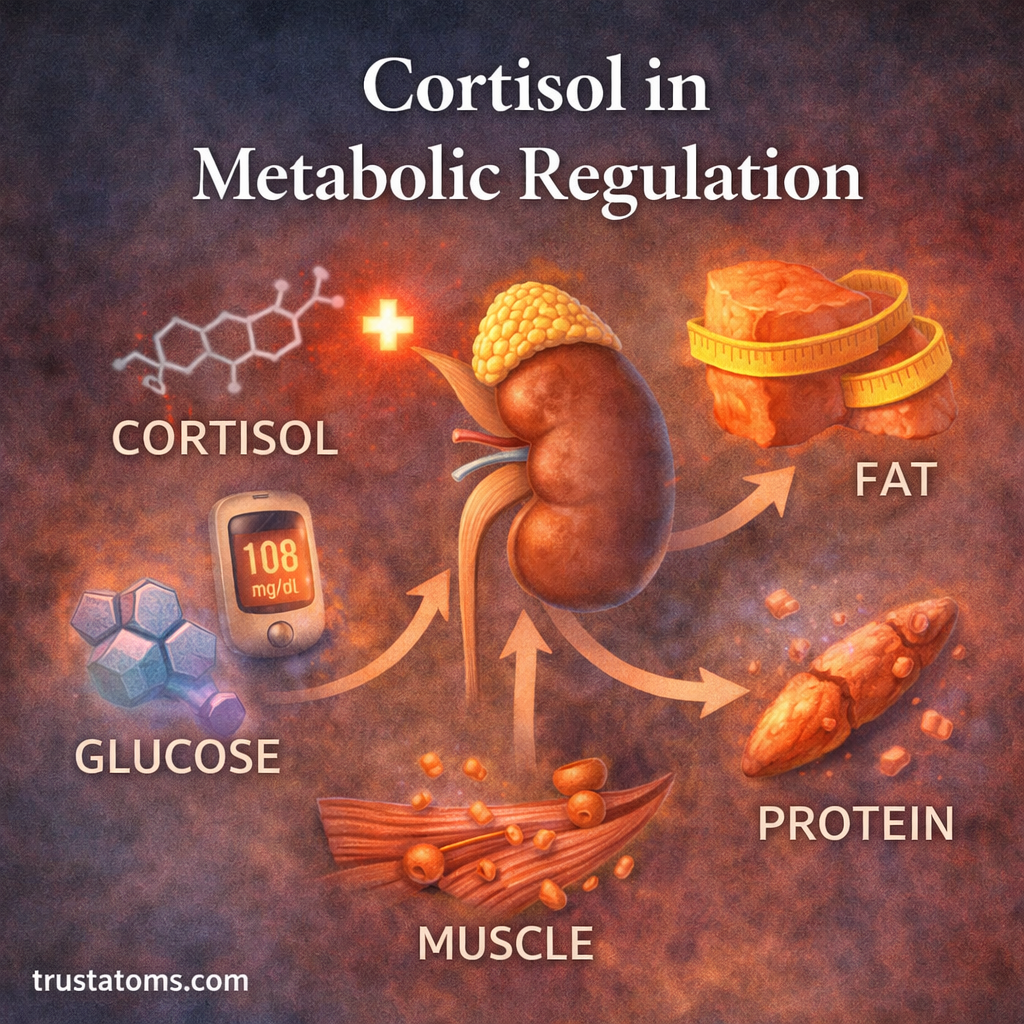
Diagram illustrating how cortisol influences glucose, fat, and protein metabolism in the body. trustatoms.com.
Cortisol is often called the body’s “stress hormone,” but its role goes far beyond stress response. It is a vital hormone that helps regulate metabolism, energy production, and overall balance in the body.
Produced by the adrenal glands, cortisol ensures that your body has the fuel it needs to function—especially during times of increased demand. From controlling blood sugar levels to influencing how your body uses fats and proteins, cortisol plays a central role in metabolic regulation.
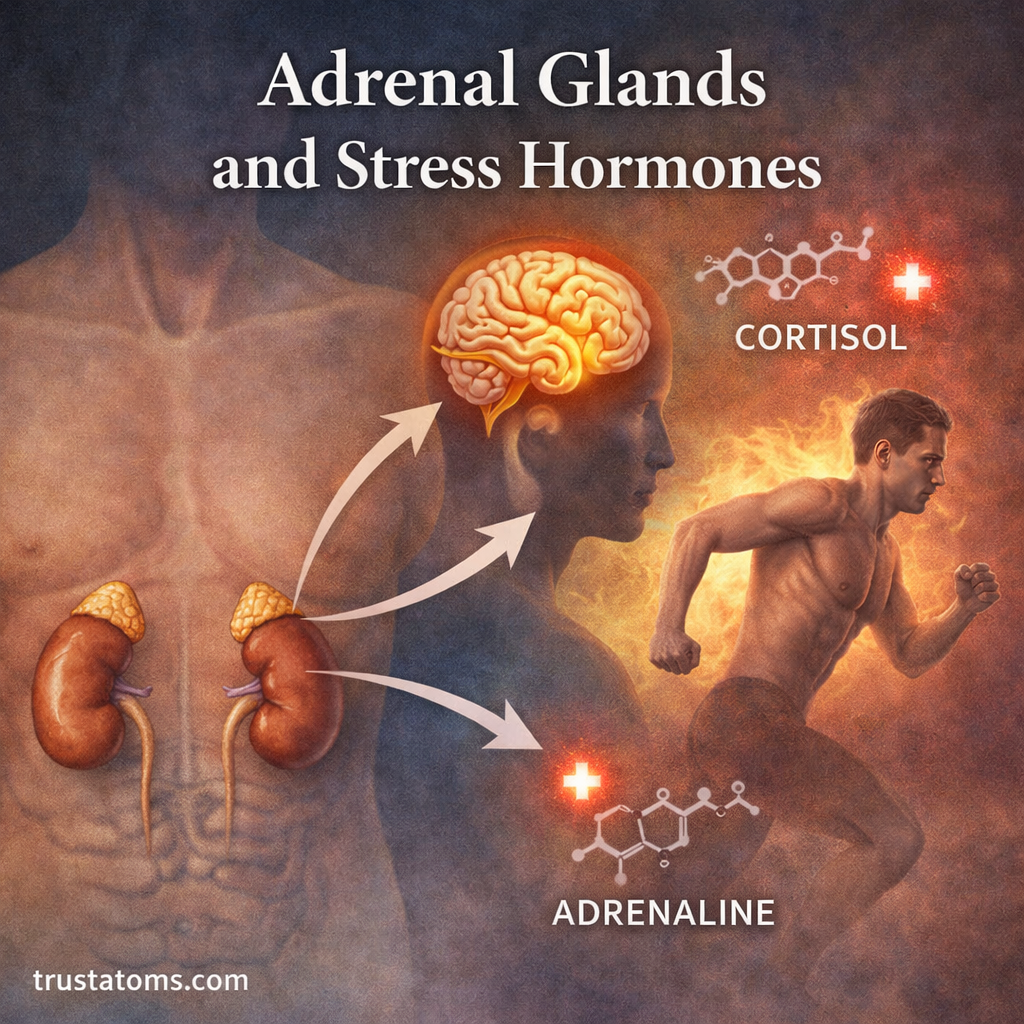
Illustration of adrenal glands producing stress hormones such as cortisol and adrenaline during the body’s stress response.
The adrenal glands are two small endocrine organs above the kidneys that produce hormones involved in stress responses, metabolism, blood pressure, and fluid balance. During stressful situations, they release hormones such as cortisol and adrenaline, helping the body mobilize energy and respond to changing demands.
In human anatomy, the adrenal glands connect hormonal regulation with the nervous system and cardiovascular function. Their outer and inner regions produce different hormones, allowing the body to respond both rapidly and over longer periods.
Although commonly associated with emergencies, adrenal hormones also support ordinary daily functions, including maintaining blood glucose, regulating blood pressure, and adapting to the sleep-wake cycle.
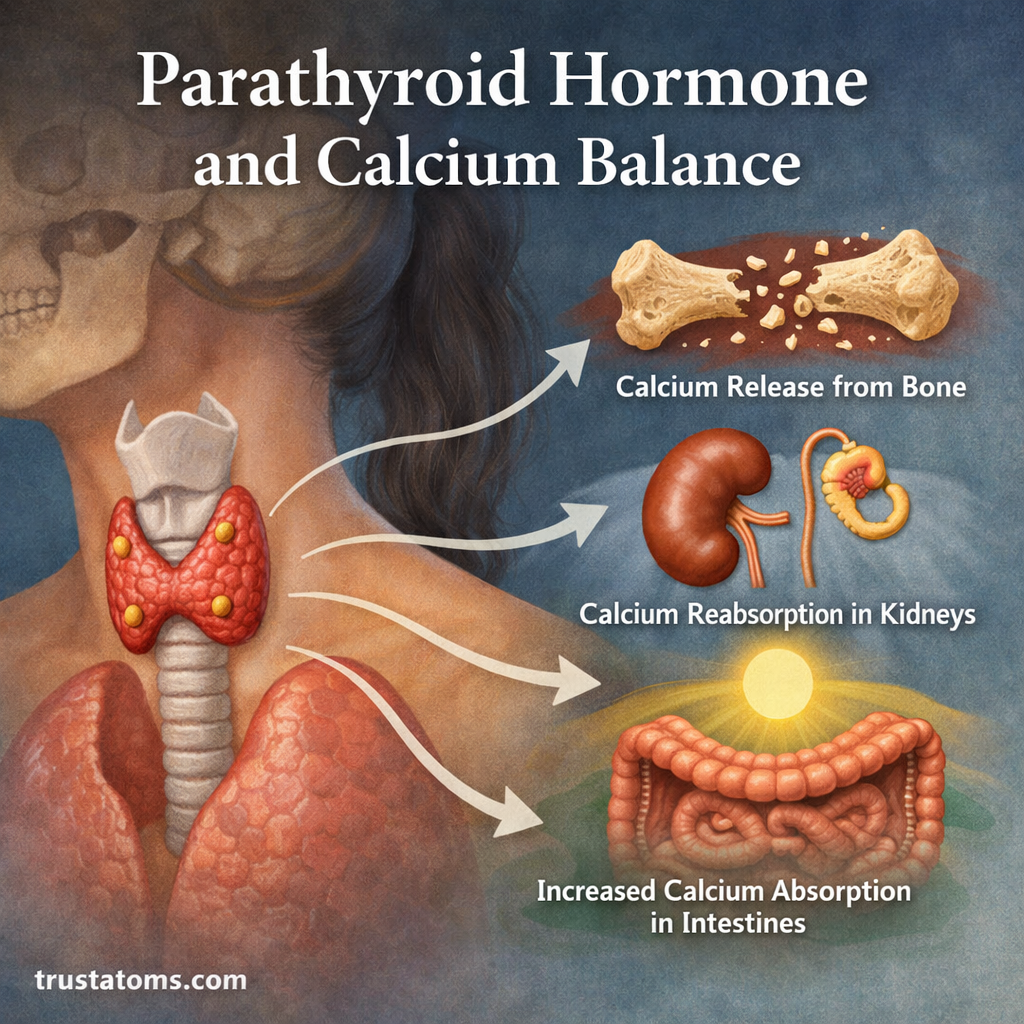
Diagram illustrating how parathyroid hormone maintains calcium balance in the body. trustatoms.com.
Calcium is one of the most essential minerals in the human body, playing a critical role in muscle contraction, nerve signaling, blood clotting, and bone strength. Maintaining stable calcium levels is vital for survival, and this balance is tightly regulated by a key hormone: parathyroid hormone (PTH).
Produced by the parathyroid glands, PTH ensures that calcium levels in the blood remain within a narrow, healthy range. Even small fluctuations can affect vital bodily functions, making PTH one of the most important regulators in human physiology.
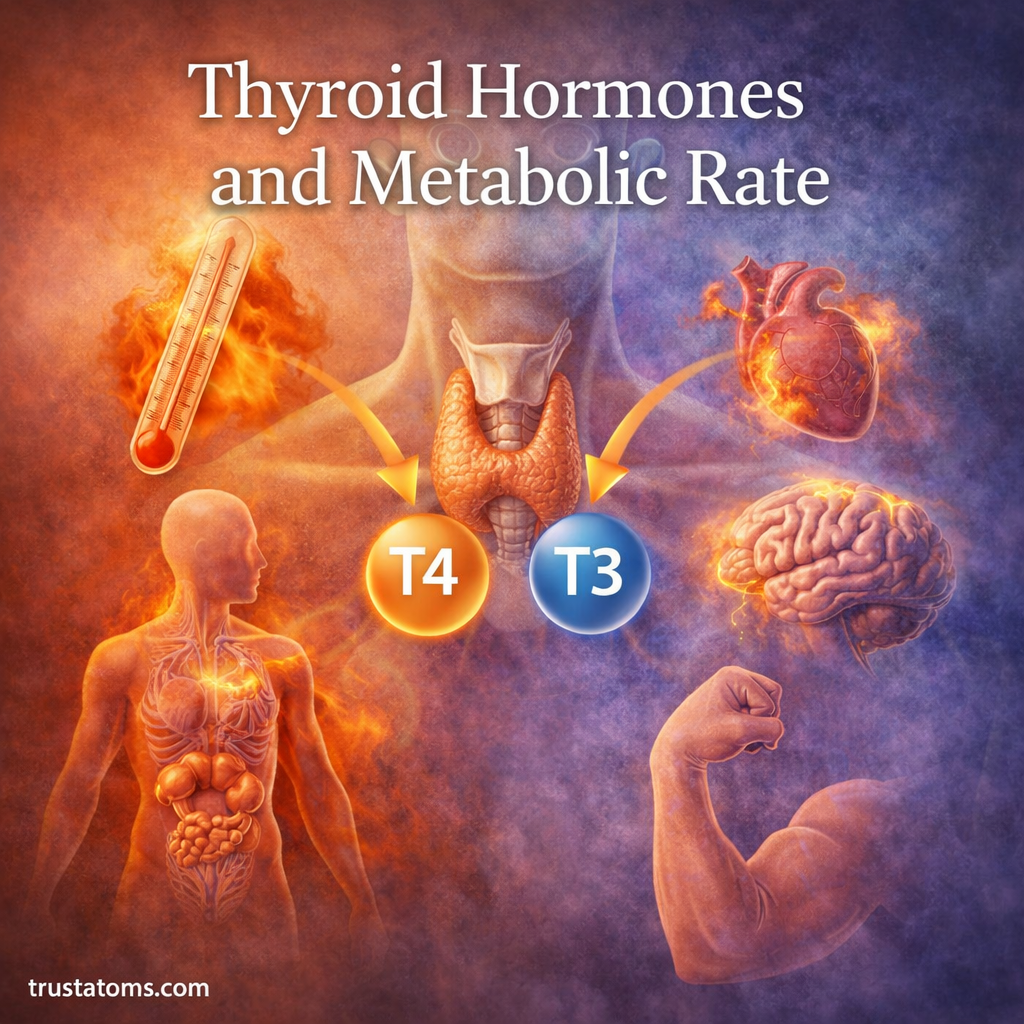
Thyroid hormones T3 and T4 regulate metabolic rate and influence multiple body systems. trustatoms.com.
Thyroid hormones play a central role in regulating the body’s metabolic rate—the speed at which your body uses energy. Produced by the thyroid gland, these hormones influence nearly every cell, controlling how efficiently your body converts food into energy.
From maintaining body temperature to supporting heart function and brain activity, thyroid hormones are essential for keeping your metabolism balanced.
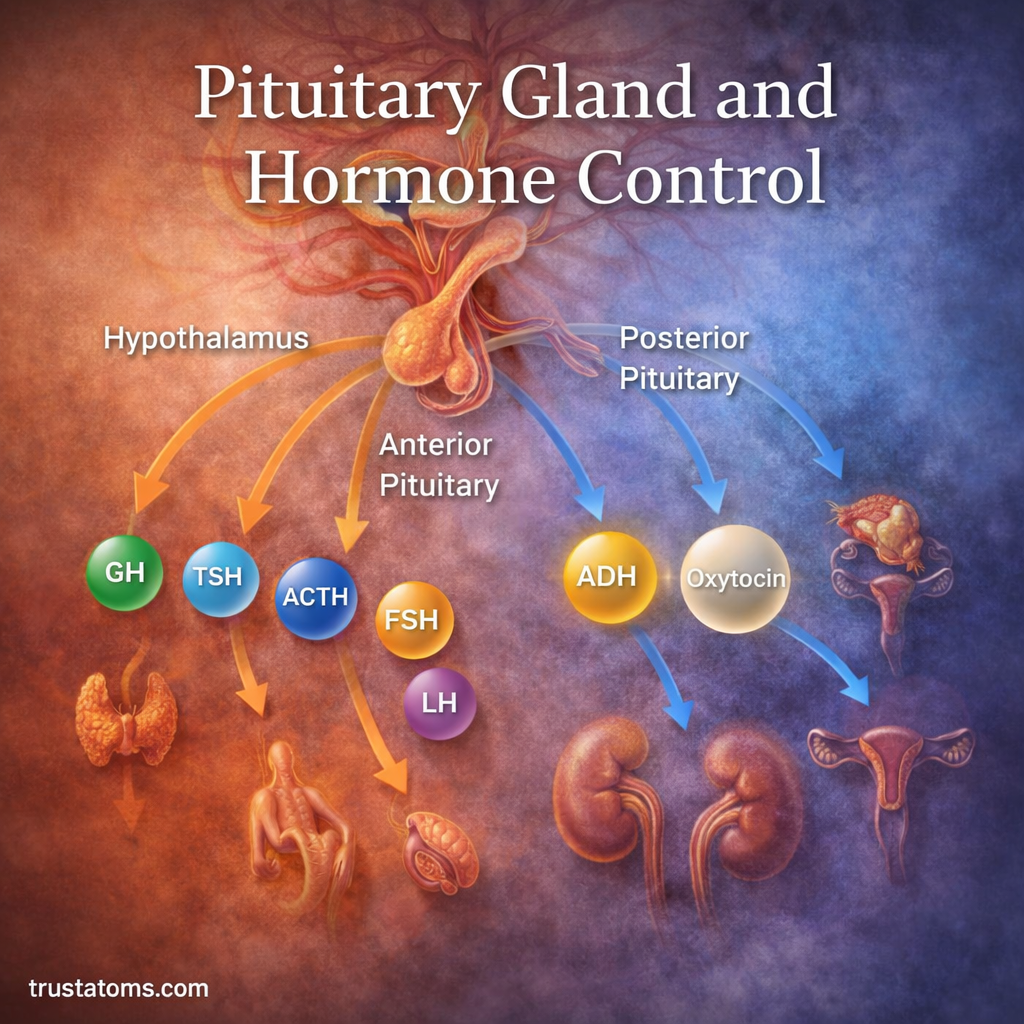
The pituitary gland acts as the master gland, controlling hormone release throughout the endocrine system. trustatoms.com.
The pituitary gland is one of the most important structures in the endocrine system. Often called the “master gland,” it plays a central role in controlling hormone production throughout the body.
Despite its small size—about the size of a pea—the pituitary gland influences growth, metabolism, reproduction, and stress responses by directing other glands to release hormones.
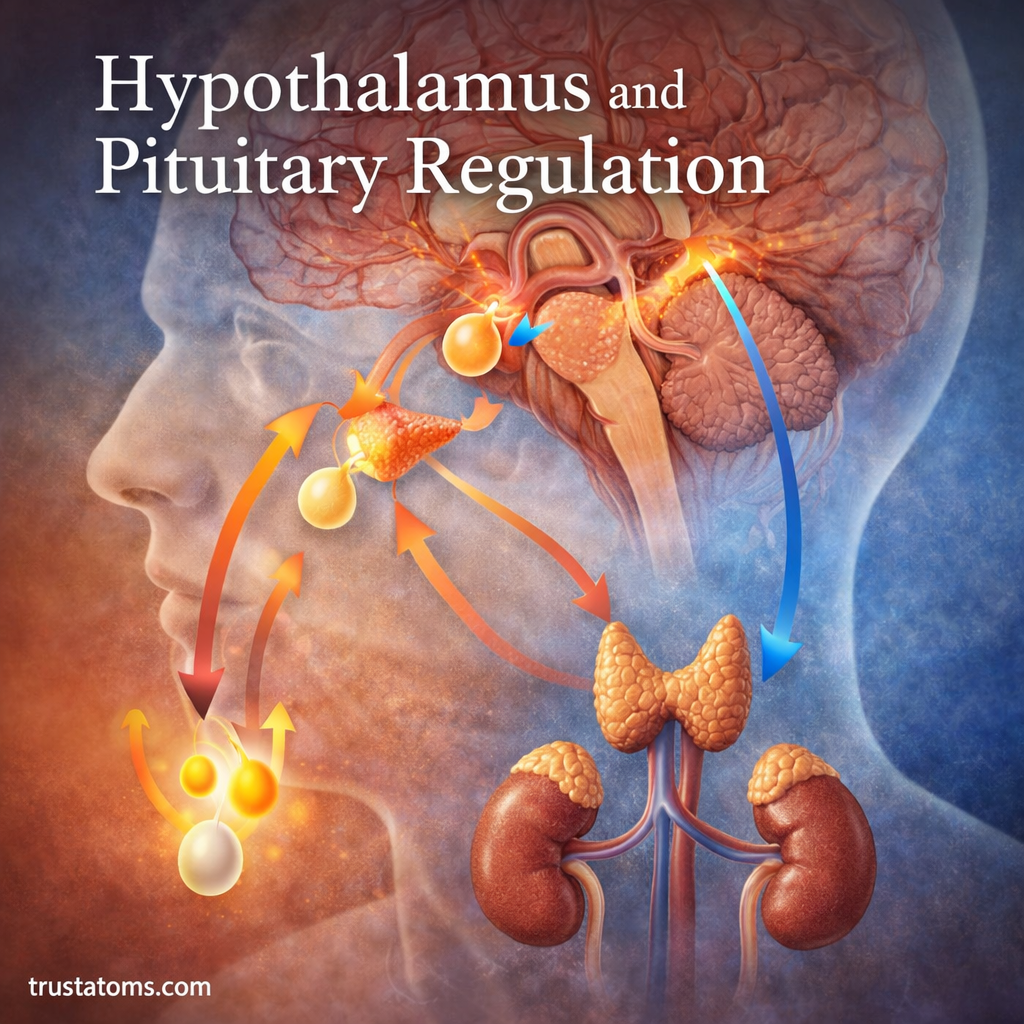
The hypothalamus and pituitary gland coordinate hormone release and regulate the endocrine system.
The hypothalamus and pituitary gland form one of the most important control systems in the human body. Together, they regulate hormone production, maintain internal balance, and coordinate communication between the nervous and endocrine systems.
Located near the base of the brain, these connected structures help regulate growth, metabolism, reproduction, stress responses, and water balance. Their relationship illustrates how the organs and tissues studied in human anatomy cooperate to maintain stable conditions inside the body.
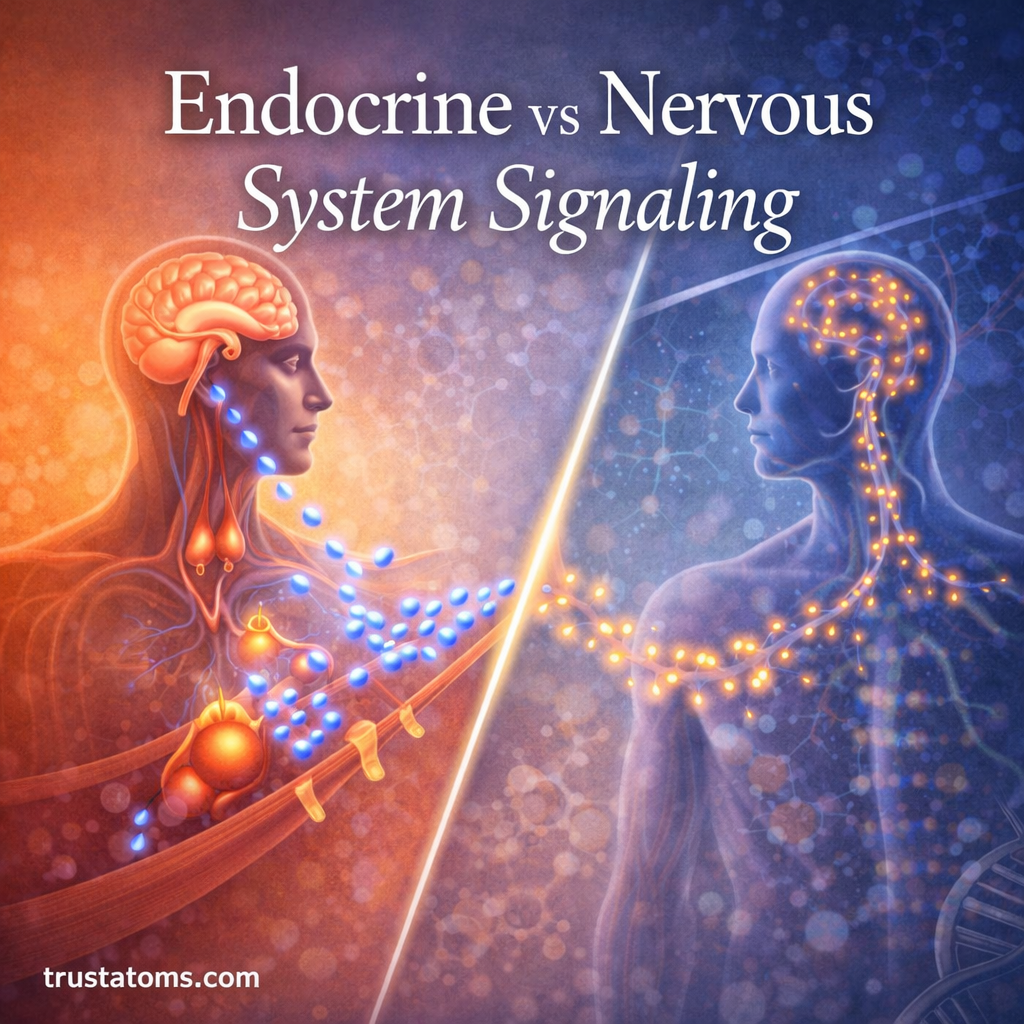
The endocrine and nervous systems use different signaling methods to regulate body functions.
Endocrine signaling uses hormones released into the bloodstream to communicate with cells that have matching receptors, while nervous system signaling uses electrical impulses along neurons and chemical messengers at synapses. Nervous signals commonly produce rapid, localized responses, whereas endocrine signals often regulate broader processes over longer periods, although their timing and effects can overlap.
The human body relies on two major communication systems to function effectively: the endocrine system and the nervous system. Both regulate processes such as movement, metabolism, mood, growth, and internal balance. Understanding their structures and connections is part of human anatomy, where the arrangement of organs and tissues helps explain how communication occurs.
These systems do not work independently. A sudden fright, a meal, or a change in body temperature can activate neural pathways and hormonal responses together. Their different communication methods allow the body to react immediately while adjusting processes that continue over minutes, hours, or longer.
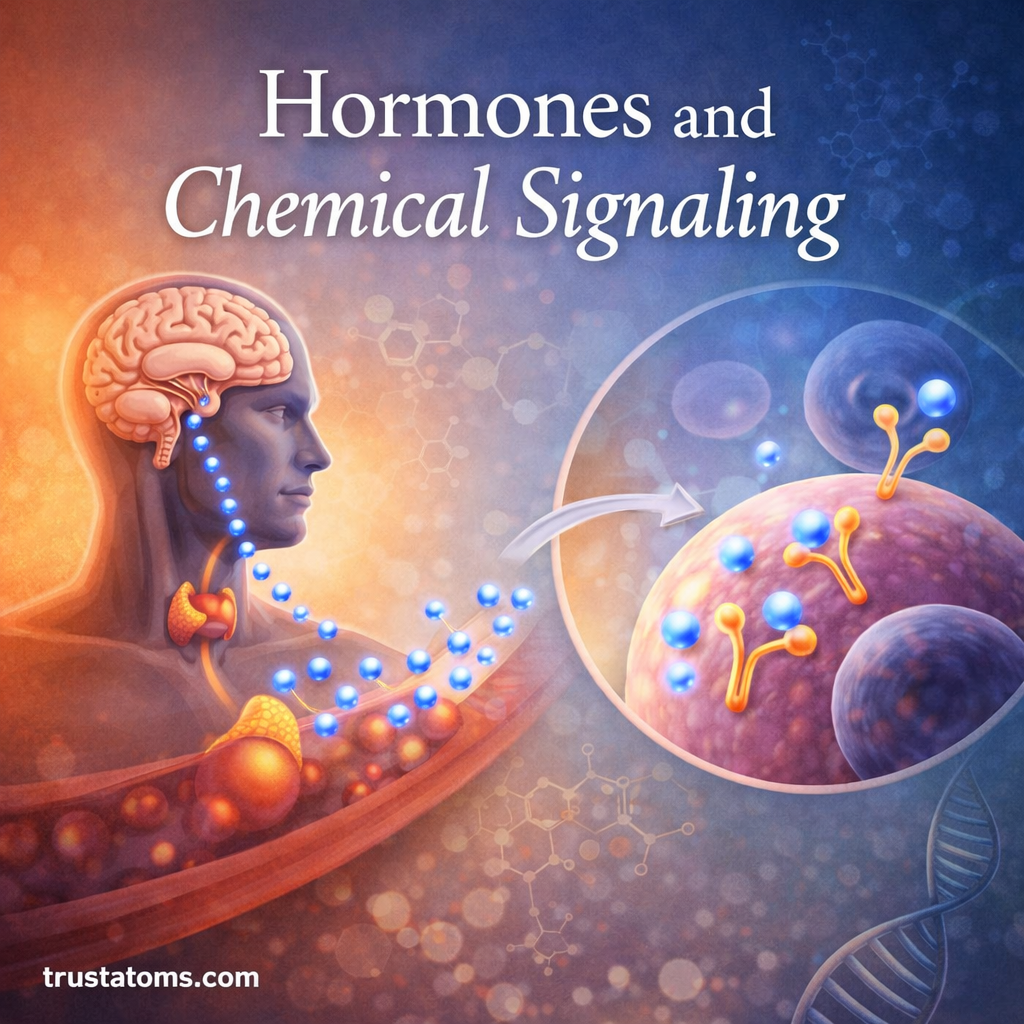
Hormones act as chemical messengers, traveling through the bloodstream to regulate body functions.
Hormones are chemical messengers that coordinate communication throughout the body. Produced by glands in the endocrine system, these substances travel through the bloodstream to regulate processes such as growth, metabolism, mood, and reproduction.
Chemical signaling allows cells to exchange information, respond to changing conditions, and maintain internal stability. Understanding this communication helps explain how organs studied in human anatomy work together rather than independently.