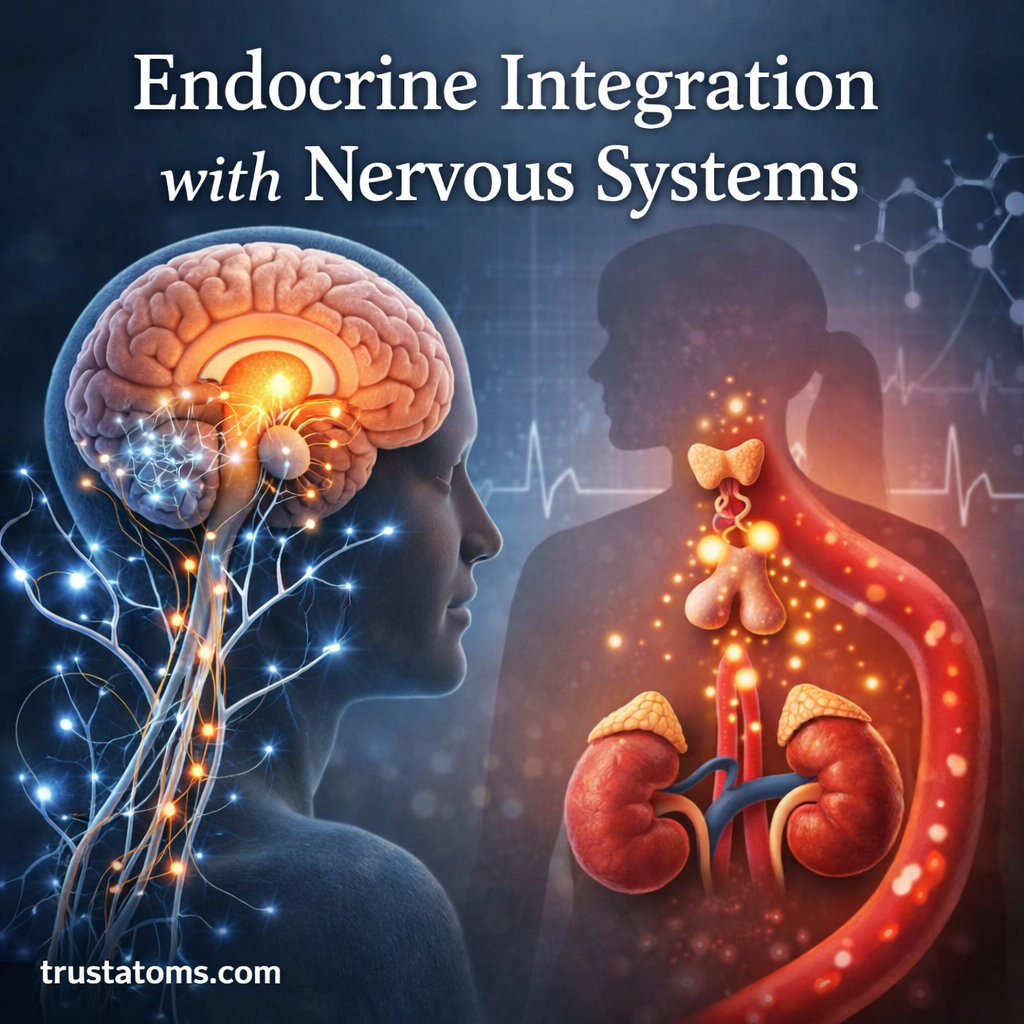
Endocrine Integration with Nervous Systems

Illustration showing how the endocrine and nervous systems interact through the brain, hypothalamus, and major glands.
Visual representation of endocrine and nervous system integration in the human body.

The nervous and endocrine systems work together to coordinate rapid responses and longer-lasting changes that maintain the body’s internal balance. The nervous system communicates through electrical impulses and neurotransmitters, while the endocrine system releases hormones into the bloodstream, with the hypothalamus connecting these two forms of regulation.

The human body relies on two major communication systems to maintain balance and respond to internal and external changes: the nervous system and the endocrine system. While they operate differently—one using rapid electrical signals and the other using circulating chemical messengers—they are closely interconnected, as explored in endocrine and nervous system signaling. Their integration connects organ structure with function throughout human anatomy.

Continue reading “Endocrine Integration with Nervous Systems”
Signal Transduction in Endocrine Pathways

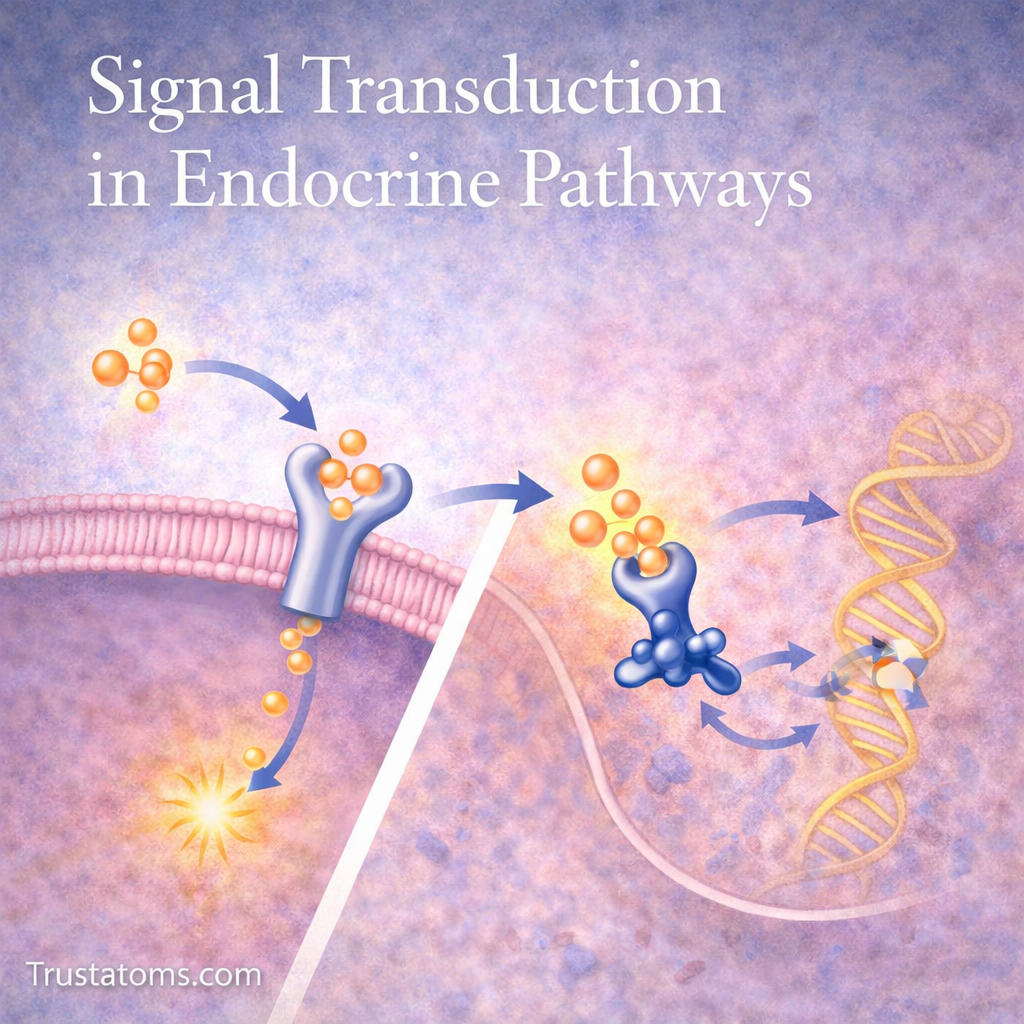
Diagram showing hormone signal transduction from receptor binding to cellular response and gene activation.
Signal transduction converts hormone signals into cellular responses through receptor activation and internal pathways. trustatoms.com.

The endocrine system relies on hormones to send messages throughout the body. But once a hormone reaches its target cell, the message must be converted into action. This process is known as signal transduction.

Signal transduction allows cells to interpret hormonal signals and produce specific responses, making it a critical part of how the body regulates growth, metabolism, and overall function.

Continue reading “Signal Transduction in Endocrine Pathways”

Hormone Receptors and Target Cell Response

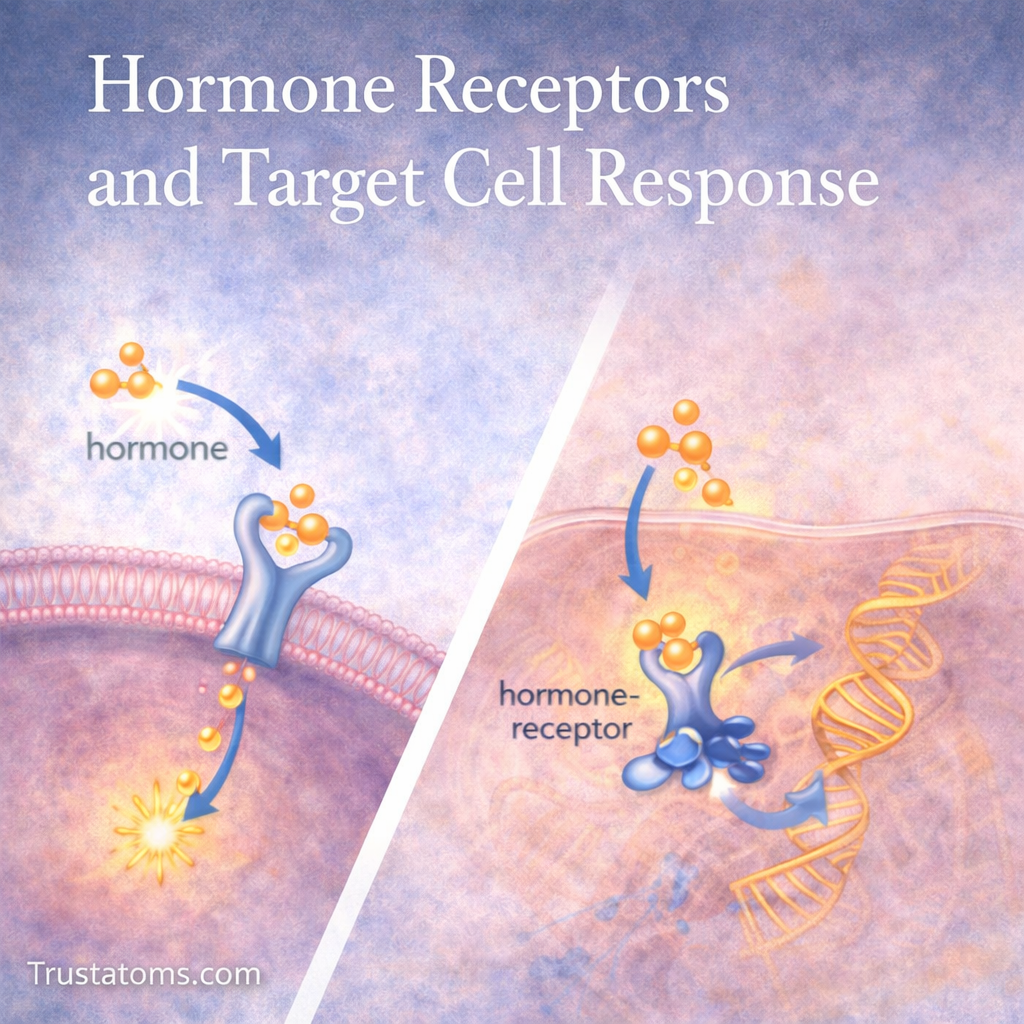
Diagram showing hormone binding to cell surface and intracellular receptors triggering target cell response.
Hormones bind to specific receptors on or inside cells to trigger targeted biological responses.

Hormone receptors are specialized proteins that recognize chemical messengers and enable target cells to respond to them. When a hormone binds to a compatible receptor, it activates cellular processes that can change metabolism, secretion, growth, or gene expression.

Hormones act as chemical messengers that travel through the bloodstream to regulate processes throughout the body. However, their effects depend on which cells possess suitable receptors, connecting cellular communication with the organs studied in human anatomy.

Continue reading “Hormone Receptors and Target Cell Response”

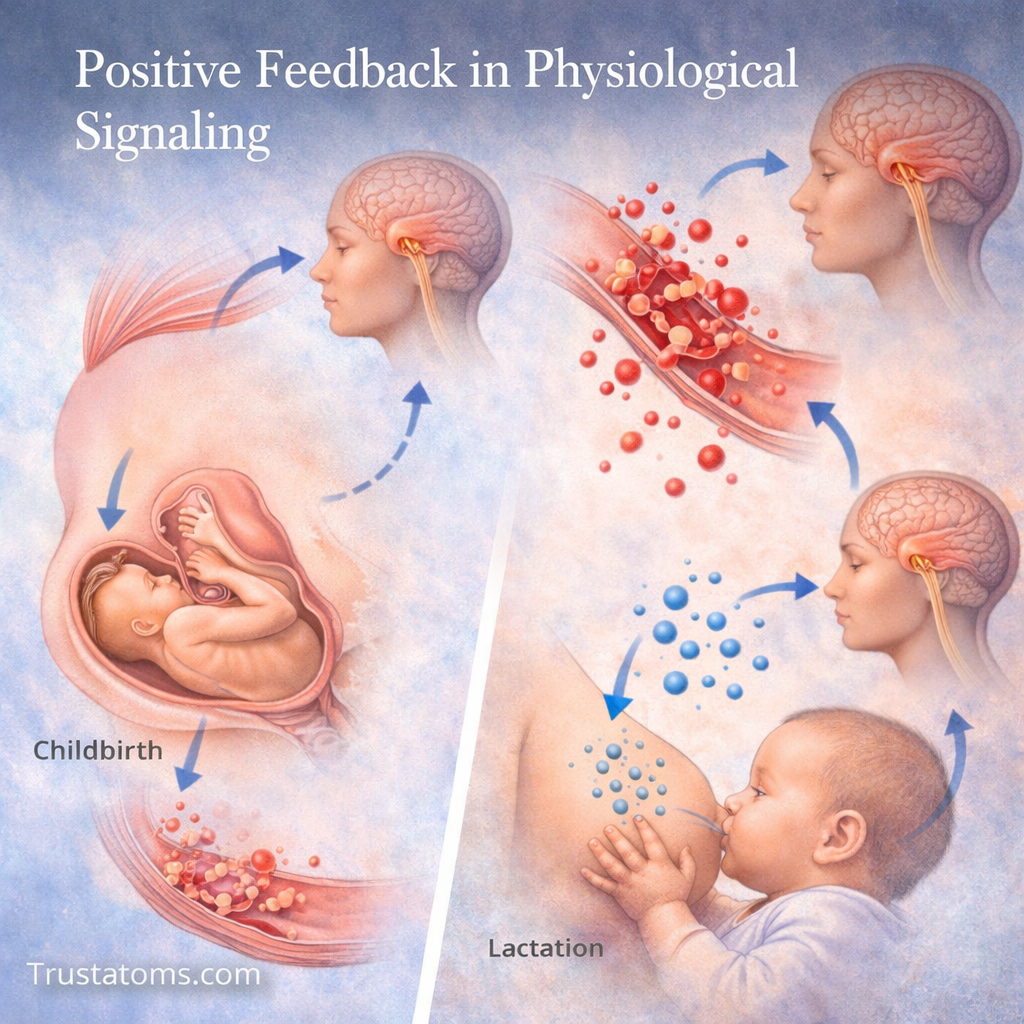
Positive Feedback in Physiological Signaling

Illustration showing positive feedback in physiological signaling including childbirth, blood clotting, and lactation.
Positive feedback amplifies biological processes like childbirth, clotting, and lactation until completion. trustatoms.com.

The human body depends on precise signaling systems to regulate functions and respond to change. While many processes rely on stabilizing mechanisms, some situations require rapid amplification. This is where positive feedback comes into play.

Positive feedback is a powerful biological mechanism that enhances a response, driving a process forward until a specific outcome is achieved.

Continue reading “Positive Feedback in Physiological Signaling”

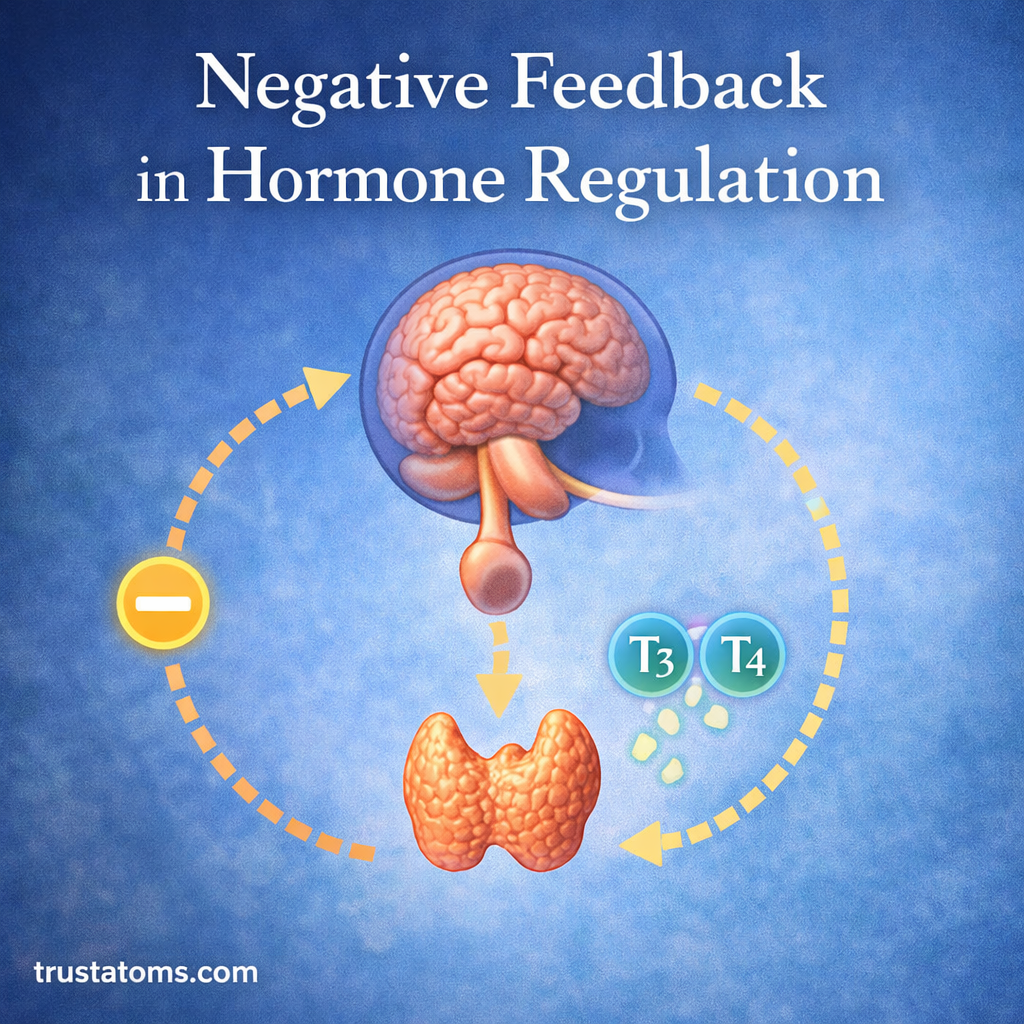
Negative Feedback in Hormone Regulation

Diagram illustrating negative feedback loop between brain and thyroid gland regulating hormone levels.
Negative feedback loops regulate hormone production by signaling the body to reduce output when levels are sufficient. trustatoms.com.

The human body relies on precise control systems to keep internal conditions stable. One of the most important of these systems is negative feedback—a mechanism that regulates hormone levels and prevents the body from going out of balance.

Negative feedback is essential for maintaining homeostasis, ensuring that hormones are produced in the right amounts and adjusted as needed.

Continue reading “Negative Feedback in Hormone Regulation”

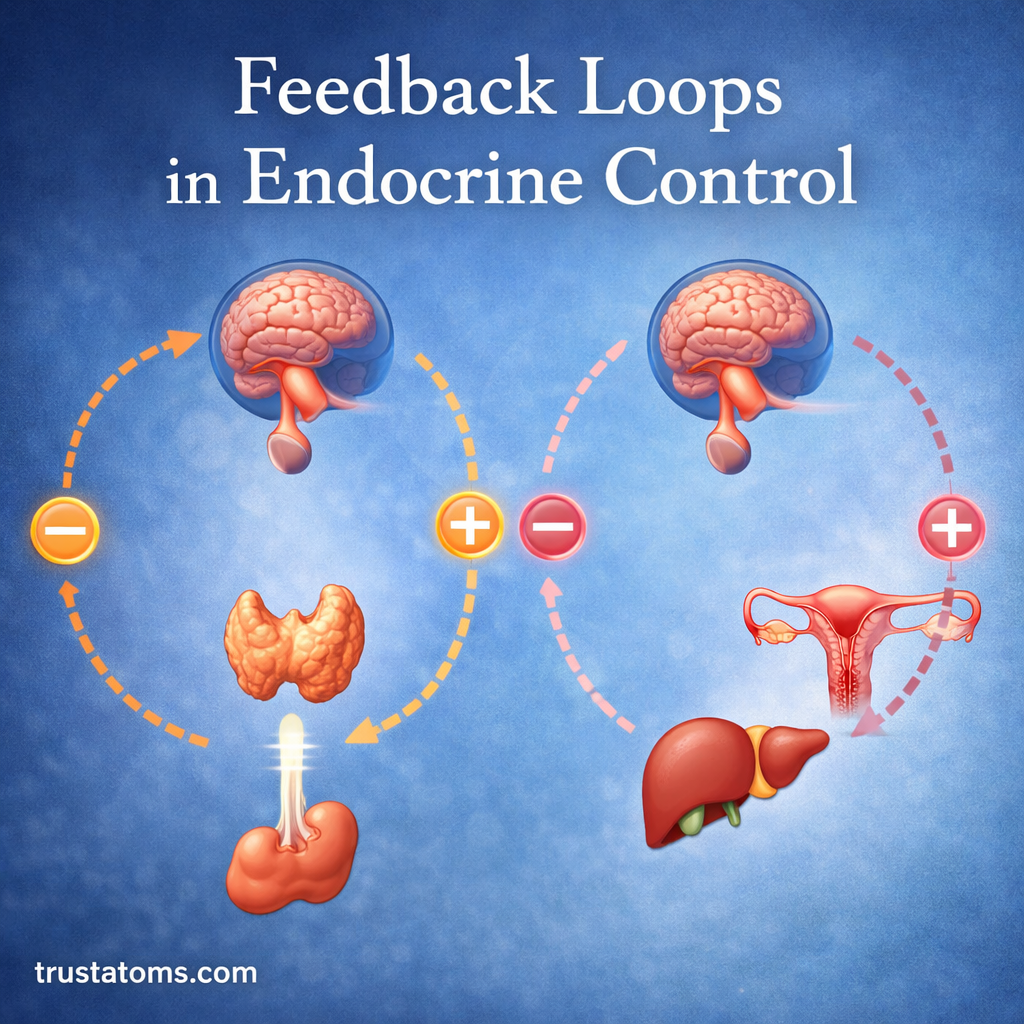
Feedback Loops in Endocrine Control

Diagram showing negative and positive feedback loops in endocrine control involving brain and glands.
Endocrine feedback loops regulate hormone levels through negative and positive signaling pathways.

Feedback loops control the endocrine system by using information about hormone levels and their effects to adjust further hormone release. Negative feedback usually limits a response to maintain internal stability, while positive feedback amplifies a response until a particular event or condition ends it.

These mechanisms help regulate blood glucose, metabolism, growth, and reproduction without requiring conscious control. Understanding how endocrine glands communicate also connects hormone regulation with human anatomy, including the relationships between the brain, pancreas, thyroid gland, and reproductive organs.

Continue reading “Feedback Loops in Endocrine Control”

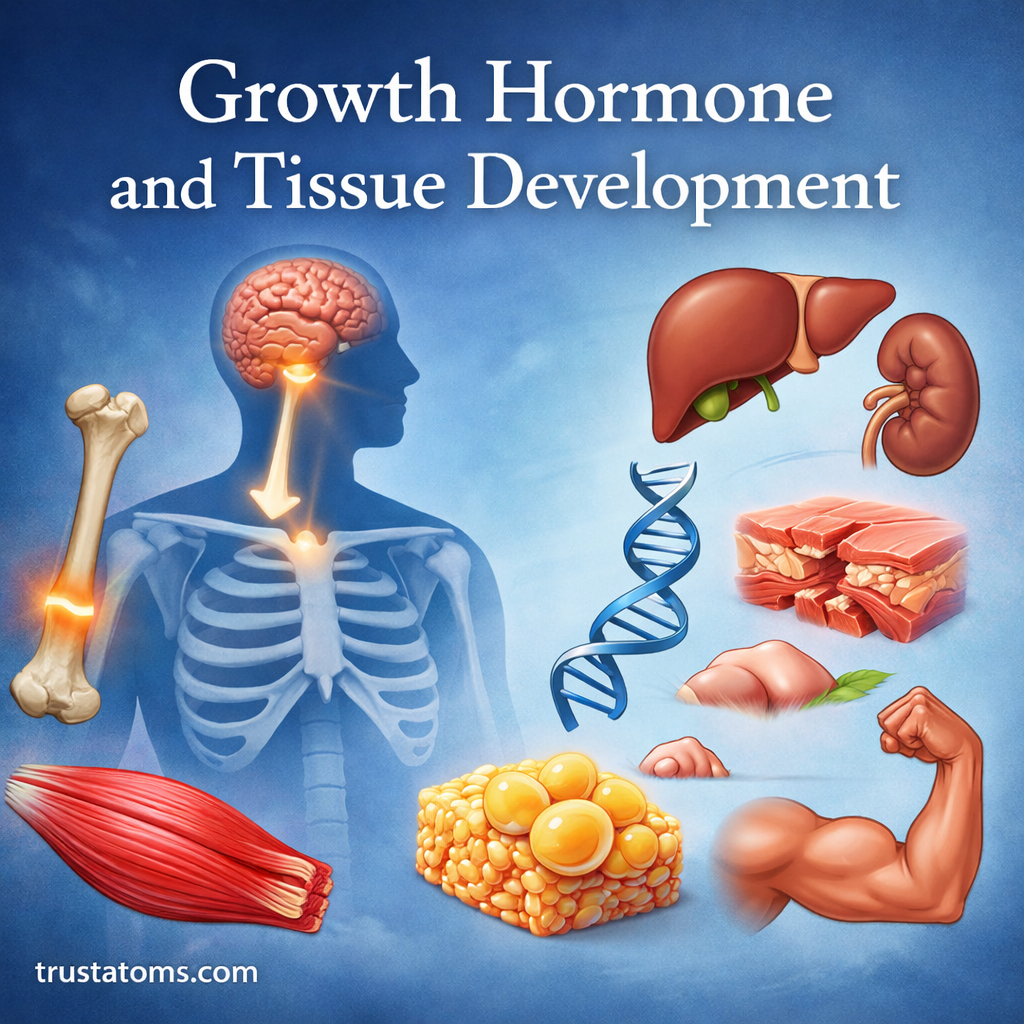
Growth Hormone and Tissue Development

Illustration showing growth hormone effects on bones, muscles, organs, and tissue development.
Growth hormone influences bone growth, muscle development, organ function, and tissue repair.

Growth hormone (GH) supports tissue development by stimulating bone growth, influencing protein production, and regulating how the body uses nutrients for energy. It acts directly on tissues and indirectly through insulin-like growth factor 1 (IGF-1), helping coordinate physical growth during childhood and tissue maintenance throughout adulthood.

Although commonly associated with height, growth hormone also affects muscles, connective tissues, and metabolism. Its actions illustrate how the endocrine system connects with human anatomy to regulate development and maintain healthy body structures.

Continue reading “Growth Hormone and Tissue Development”

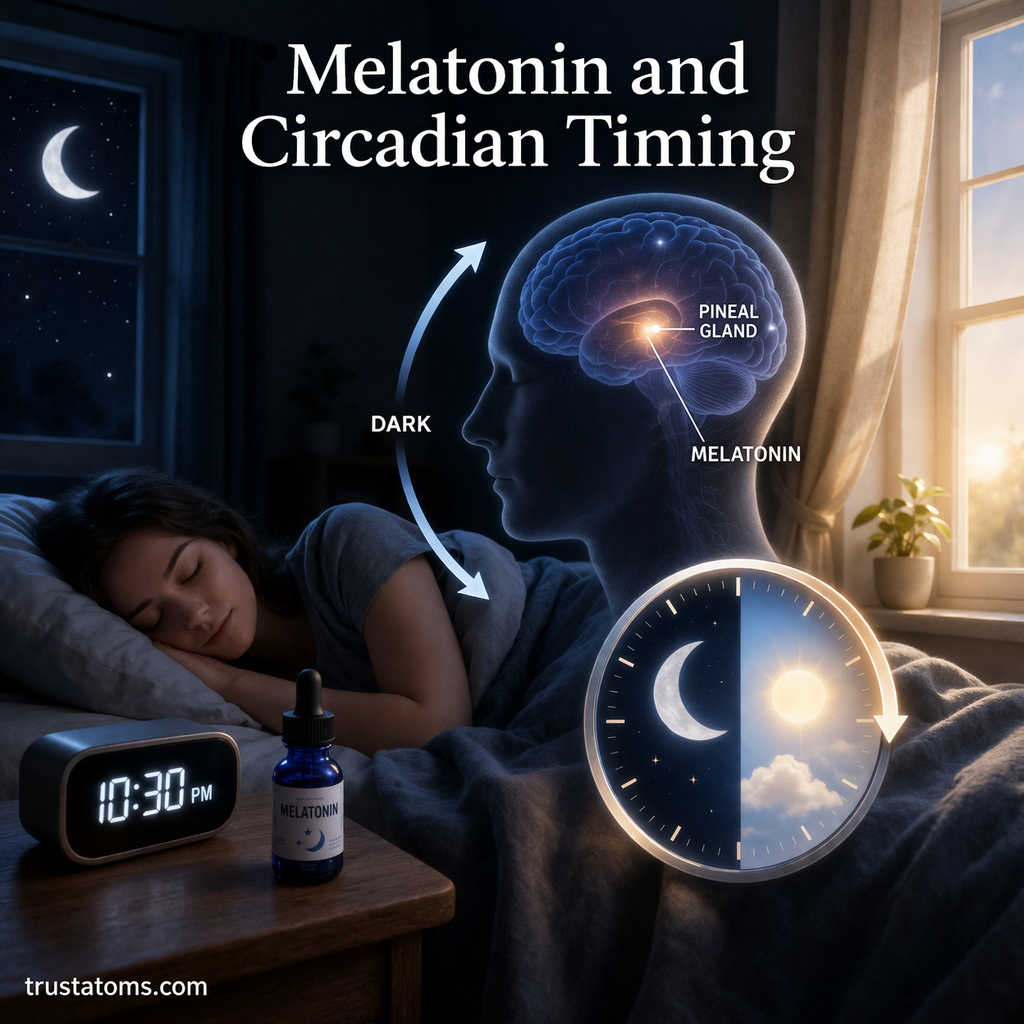
Melatonin and Circadian Timing

Illustration showing melatonin production and circadian rhythm with day and night cycle and pineal gland activity.
Visual explanation of how melatonin regulates the body’s circadian rhythm across day and night cycles. trustatoms.com

Melatonin is a key hormone that regulates the body’s internal clock, also known as the circadian rhythm. It plays a crucial role in controlling sleep-wake cycles, helping the body align with day and night patterns.

Understanding how melatonin works provides insight into sleep quality, energy levels, and overall health.

Continue reading “Melatonin and Circadian Timing”

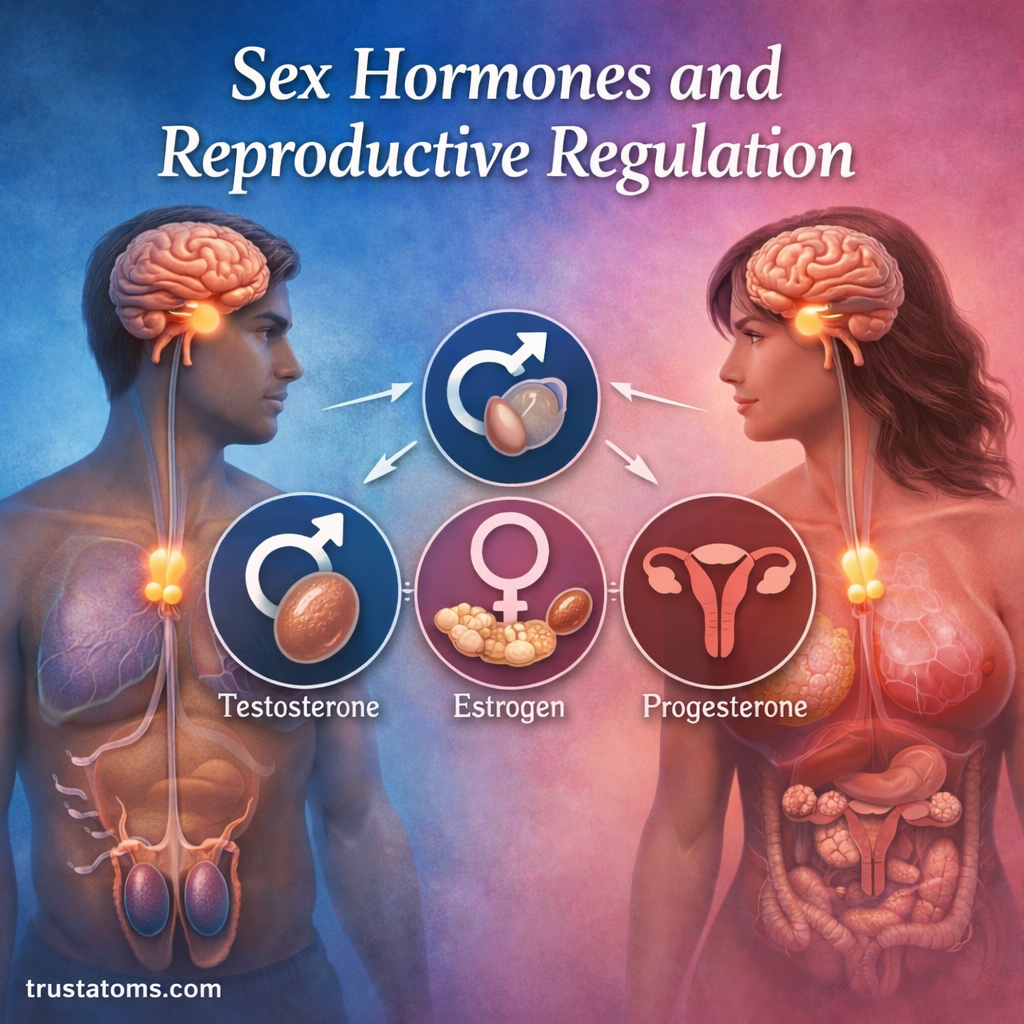
Sex Hormones and Reproductive Regulation

Illustration showing sex hormones testosterone, estrogen, and progesterone and their role in reproductive regulation.
Visual overview of sex hormones and how they regulate reproductive systems in males and females. trustatoms.com

Sex hormones play a central role in human reproduction, development, and overall physiological balance. These chemical messengers regulate everything from puberty and fertility to secondary sexual characteristics and reproductive cycles.

Understanding how sex hormones function helps explain how the body maintains reproductive health and responds to internal and external changes.

Continue reading “Sex Hormones and Reproductive Regulation”

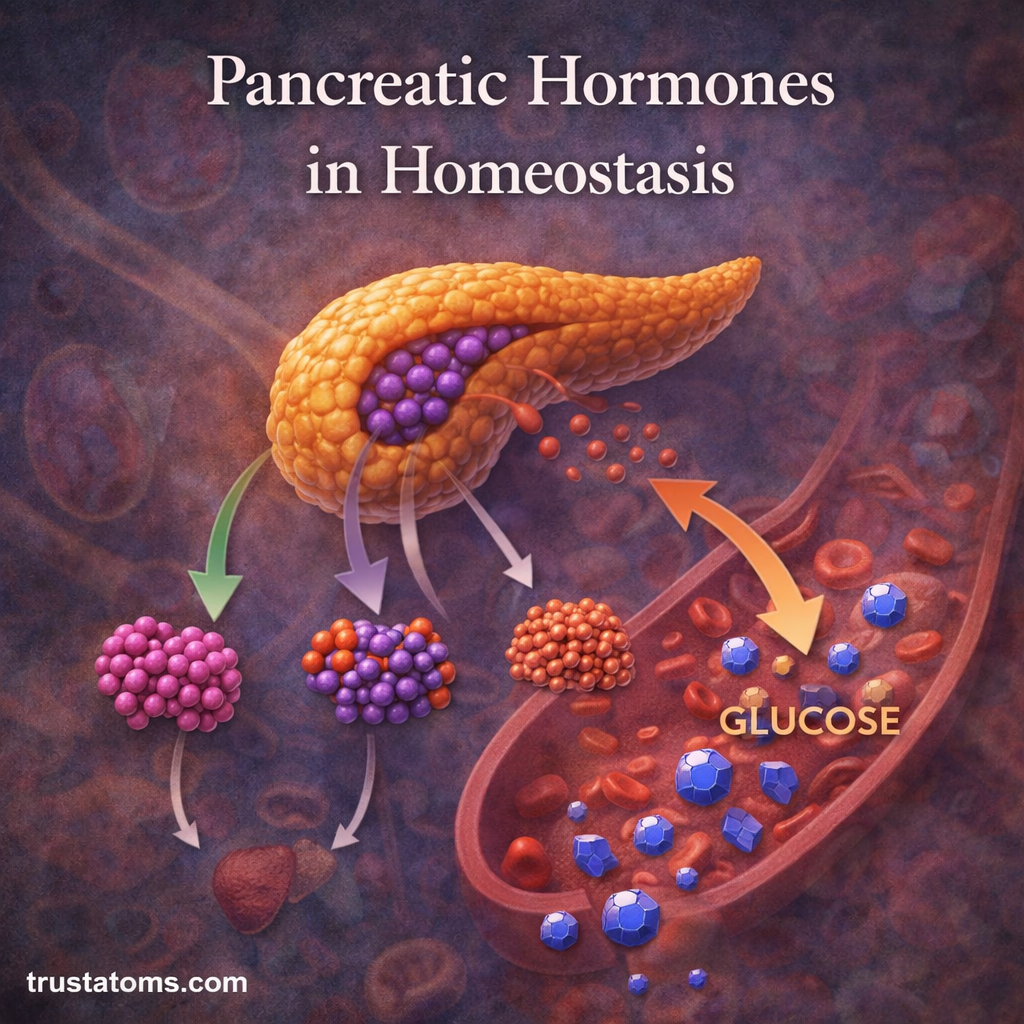
Pancreatic Hormones in Homeostasis

Illustration showing the pancreas releasing hormones to regulate blood glucose and maintain homeostasis.
Simplified diagram of pancreatic hormones helping regulate blood glucose levels and maintain homeostasis. trustatoms.com.

The human body constantly works to maintain internal balance, a state known as homeostasis. One of the key organs responsible for this balance is the pancreas, which produces hormones that regulate blood sugar, energy use, and metabolism.

Pancreatic hormones—primarily insulin and glucagon—work together to keep blood glucose levels within a healthy range. This balance is essential for proper organ function, energy supply, and long-term health.

Continue reading “Pancreatic Hormones in Homeostasis”