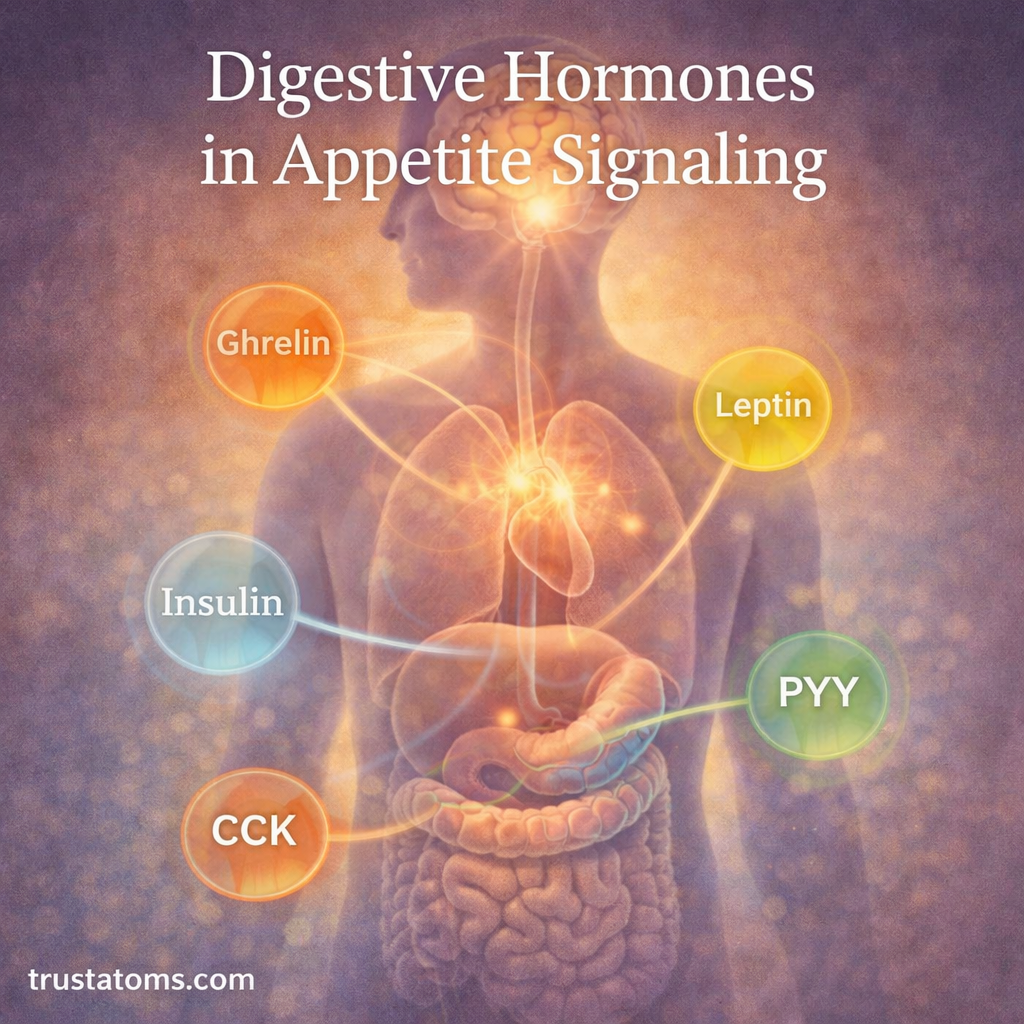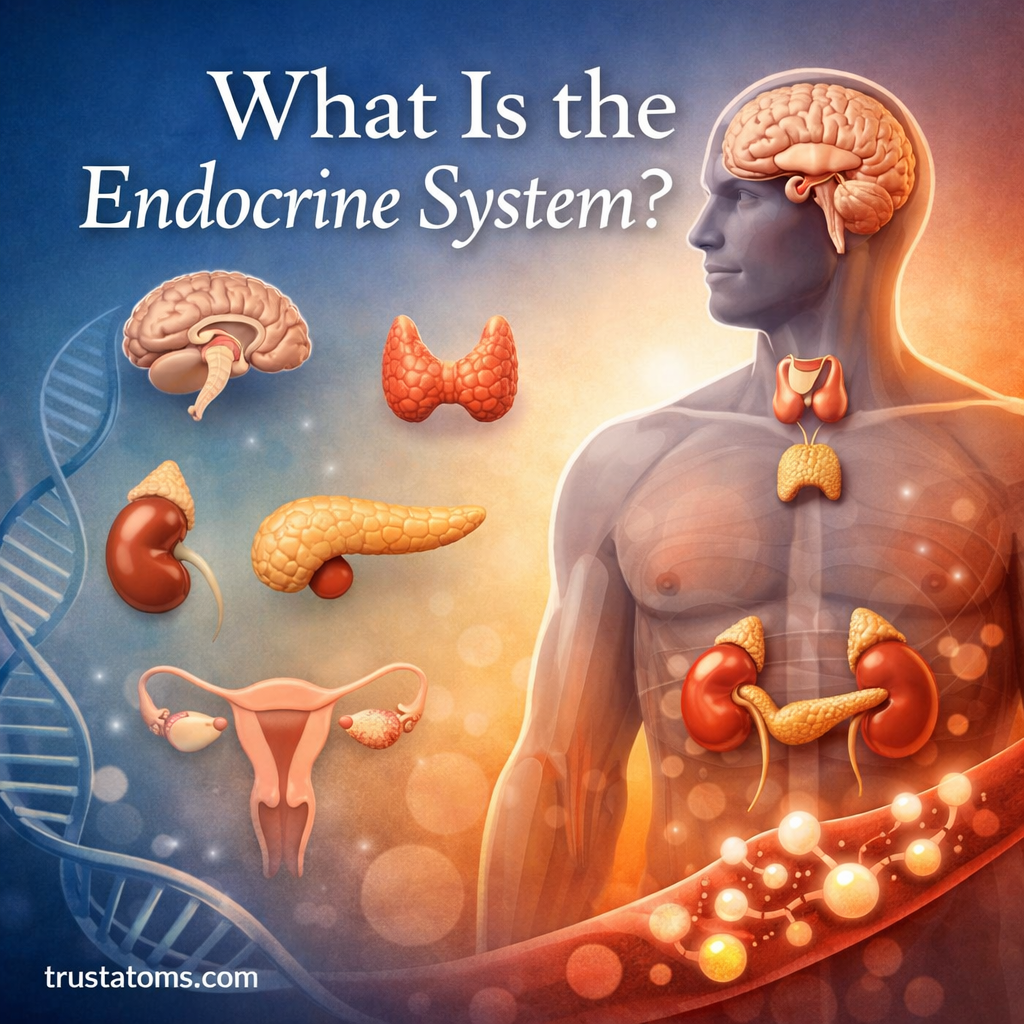
The endocrine system is a network of glands and organs that produce and release hormones, chemical messengers that regulate activities throughout the body. These hormones travel through the bloodstream and act on cells with specific receptors, helping control metabolism, growth, reproduction, stress responses, and internal balance.
Unlike the rapid electrical communication used by neurons, many endocrine signals develop over minutes, hours, or longer. Studying this system is an important part of human anatomy because hormone-producing organs coordinate the activities of tissues throughout the body.
The endocrine system also works closely with the nervous system. Together, they help the body respond to changing conditions while maintaining a relatively stable internal environment, a process called homeostasis.
Continue reading “What Is the Endocrine System?”