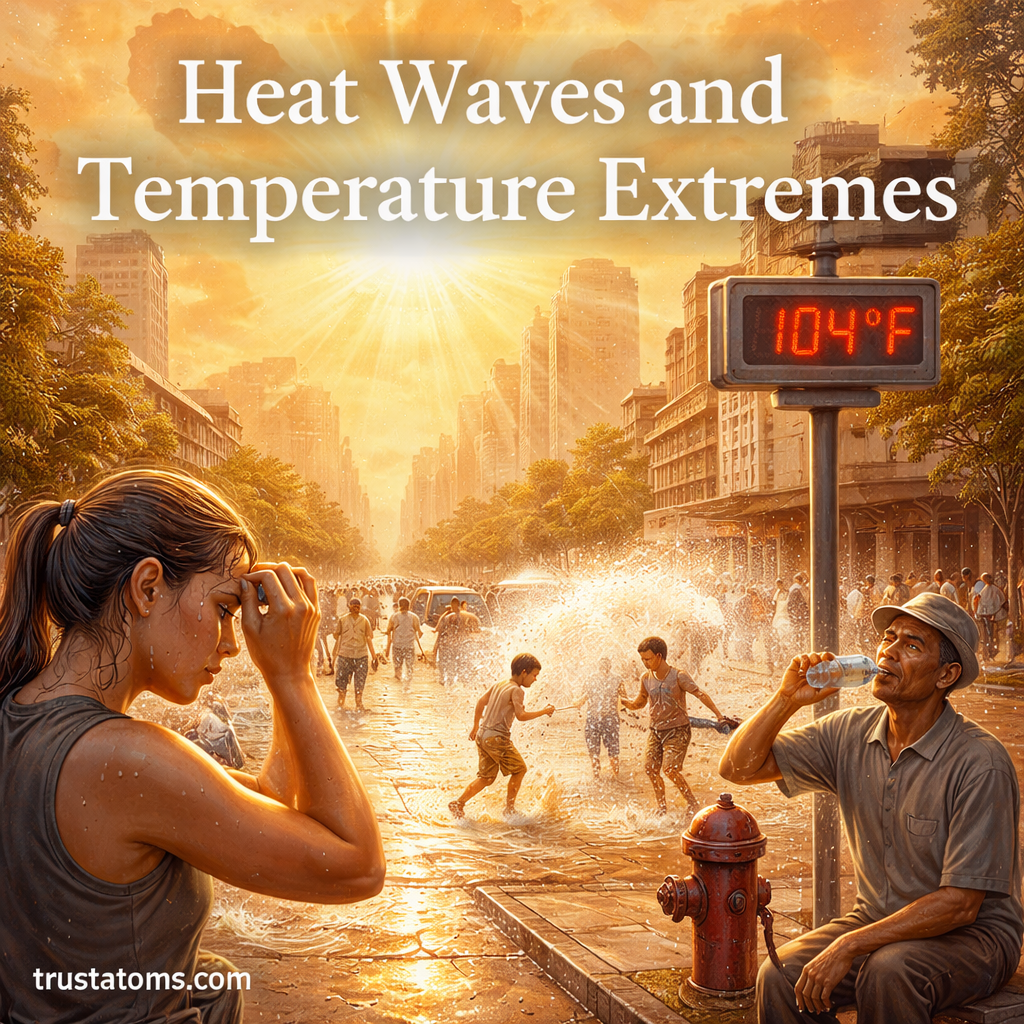
Heat waves and temperature extremes are becoming more frequent and intense across the globe. These events can pose serious risks to human health, infrastructure, and the environment—especially when high temperatures persist over several days.
Understanding what causes extreme heat and how to respond can help reduce risks and improve resilience.
What Is a Heat Wave?
A heat wave is a prolonged period of unusually high temperatures, often combined with high humidity. The exact definition varies by region, but it generally refers to temperatures significantly above the local average for several consecutive days.
Key Characteristics
- Lasts several days or longer
- Temperatures exceed normal seasonal levels
- Often accompanied by high humidity
- Limited nighttime cooling
What Are Temperature Extremes?
Temperature extremes refer to unusually high or low temperatures compared to typical climate patterns. In this context, extreme heat is the primary concern.
These extremes can:
- Occur suddenly or gradually
- Break historical temperature records
- Affect both urban and rural areas
Main Causes of Heat Waves
Heat waves are influenced by a combination of atmospheric conditions and human factors.
1. High-Pressure Systems
Strong high-pressure systems can trap hot air in one area, preventing it from circulating. This creates a “heat dome” effect, causing temperatures to rise and remain elevated.
2. Clear Skies and Sunlight
Cloudless skies allow more solar radiation to reach the Earth’s surface, increasing temperatures.
3. Dry Soil Conditions
Dry ground heats up more quickly than moist soil, intensifying heat levels.
4. Urban Heat Island Effect
Cities tend to be hotter than surrounding areas due to:
- Concrete and asphalt absorbing heat
- Limited vegetation
- Heat generated by buildings and vehicles
5. Climate Change
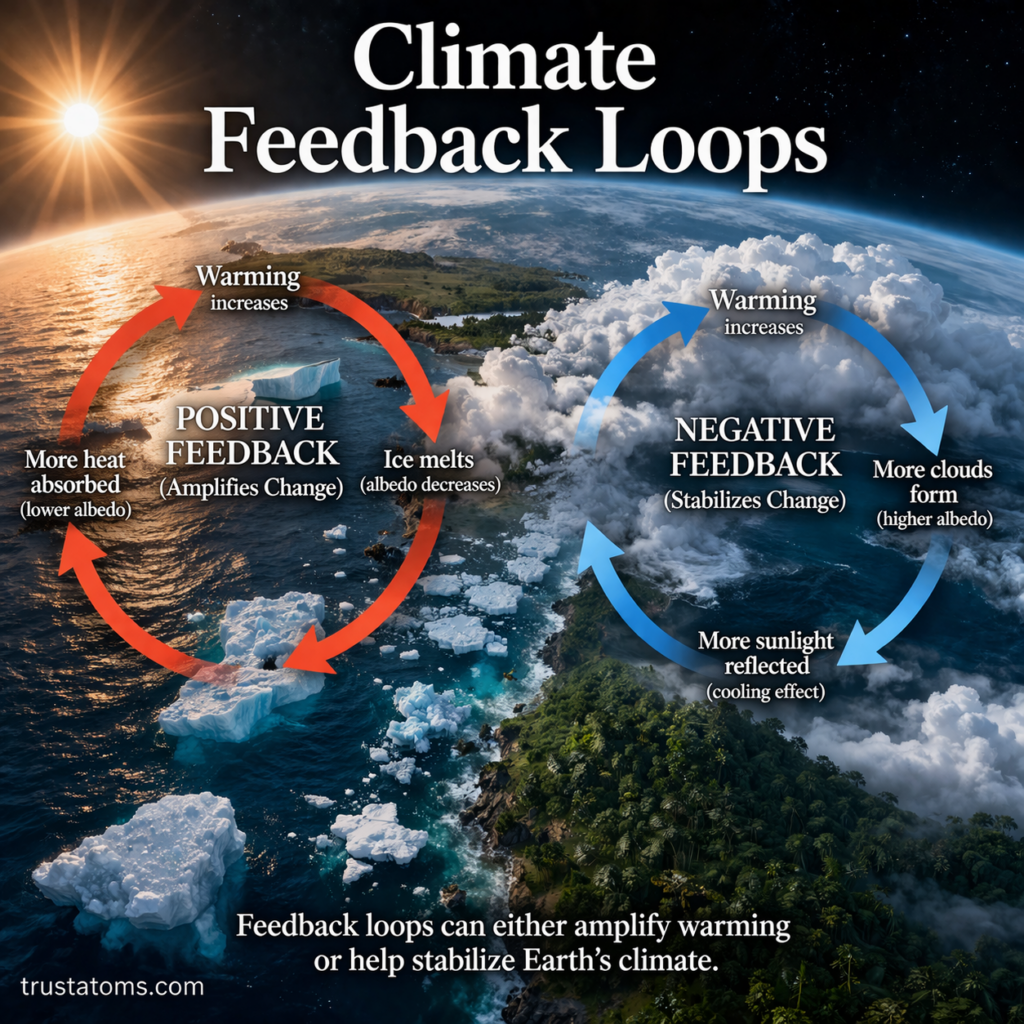
Global warming is increasing the frequency, intensity, and duration of heat waves.
Impacts of Heat Waves
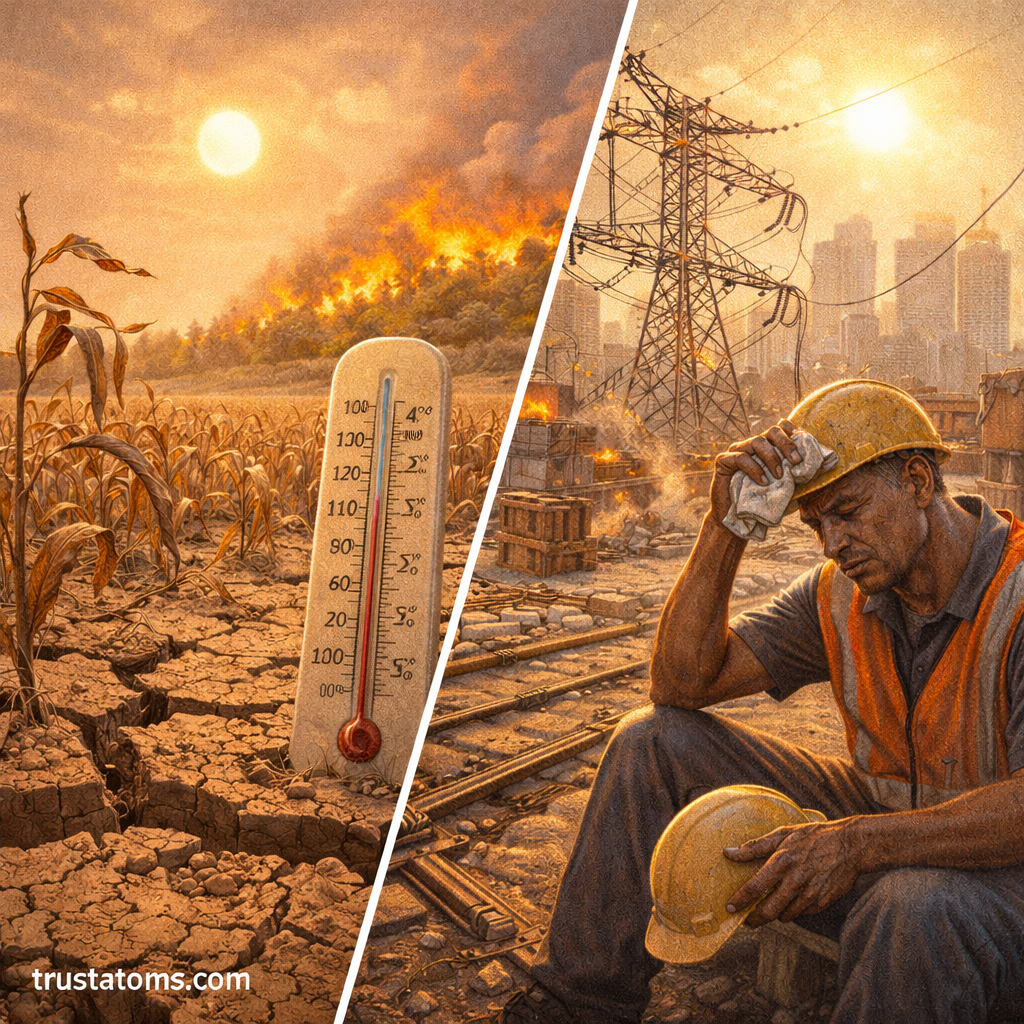
Extreme heat affects many aspects of life, from health to infrastructure.
Health Impacts
- Heat exhaustion and heatstroke
- Dehydration
- Increased risk for vulnerable groups (elderly, children, outdoor workers)
Environmental Impacts
- Drought conditions worsen
- Increased risk of wildfires
- Stress on plants and wildlife
Economic Impacts
- Higher energy demand for cooling
- Reduced productivity
- Damage to crops and agriculture
Infrastructure Impacts
- Roads and railways can warp or crack
- Power grids may become overloaded
- Water supplies may decrease
Warning Signs of Heat-Related Illness
Recognizing symptoms early can prevent serious health issues.
Heat Exhaustion
- Heavy sweating
- Weakness or dizziness
- Nausea
- Headache
Heatstroke (Medical Emergency)
- High body temperature
- Confusion or loss of consciousness
- Rapid pulse
- Hot, dry skin (or lack of sweating)
Immediate medical attention is required for heatstroke.
How to Stay Safe During a Heat Wave
Taking precautions can significantly reduce health risks.
Stay Cool
- Remain indoors during peak heat hours
- Use fans or air conditioning
- Wear lightweight, light-colored clothing
Stay Hydrated
- Drink plenty of water regularly
- Avoid alcohol and excessive caffeine
Limit Outdoor Activity
- Schedule activities during cooler times (morning or evening)
- Take frequent breaks in shaded areas
Protect Vulnerable Individuals
- Check on elderly neighbors or relatives
- Ensure pets have water and shade
- Never leave children or pets in vehicles
Preventing and Reducing Heat Risks
Long-term strategies can help communities adapt to rising temperatures.
Urban Planning Solutions
- Increasing green spaces and tree cover
- Using reflective or “cool” building materials
- Designing buildings for better airflow
Environmental Strategies
- Protecting forests and vegetation
- Reducing greenhouse gas emissions
- Conserving water resources
Public Awareness
- Heat warning systems
- Community cooling centers
- Education on heat safety practices
Heat Waves and Climate Change
Climate change is a major driver behind increasing temperature extremes.
Key trends include:
- More frequent and longer-lasting heat waves
- Higher average temperatures globally
- Increased nighttime temperatures, reducing relief from heat
These changes make it more important than ever to plan for and adapt to extreme heat events.
Final Thoughts
Heat waves and temperature extremes are serious environmental challenges with wide-ranging impacts. While they are natural phenomena, their increasing intensity is closely linked to human activity and climate change.
By understanding the causes, recognizing the risks, and taking proactive steps, individuals and communities can better protect themselves from extreme heat.