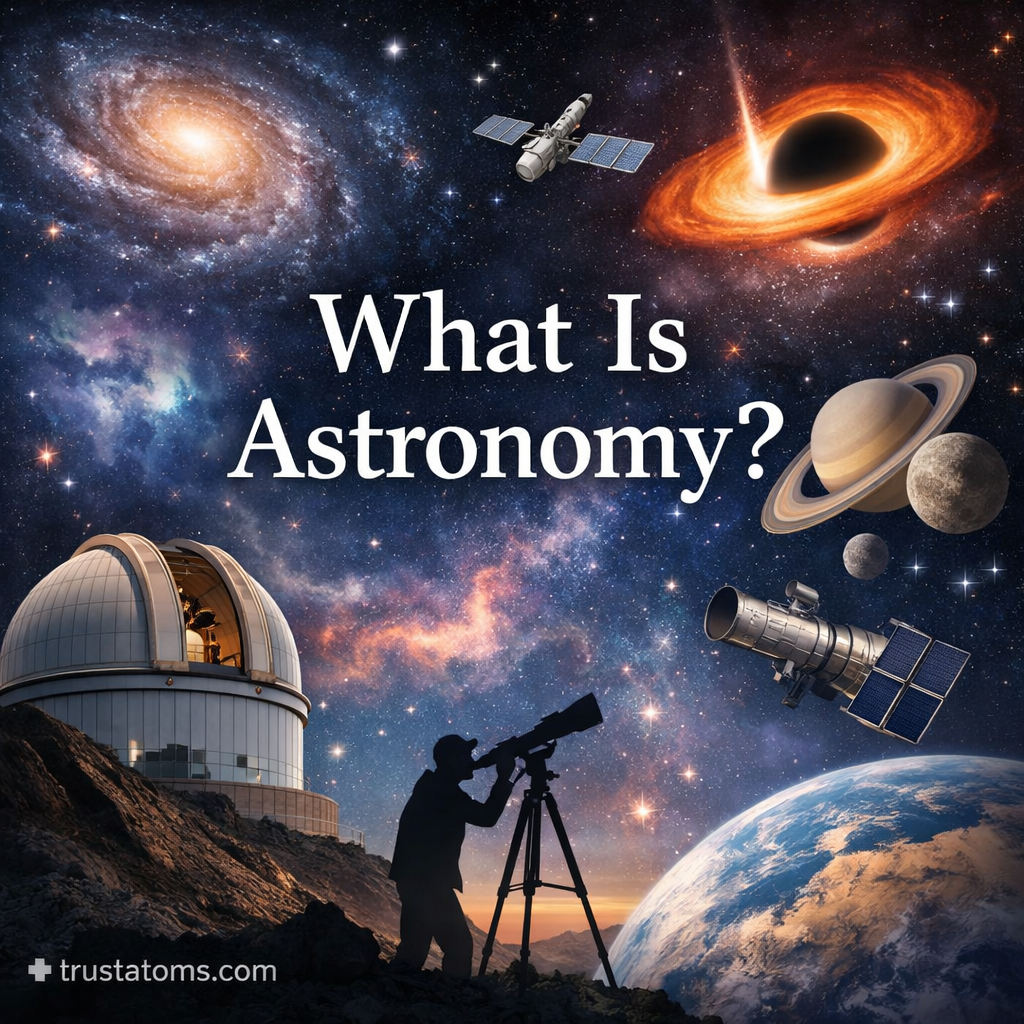
Astronomy is the scientific study of objects, events, and forces beyond Earth’s atmosphere. It explores stars, planets, moons, galaxies, black holes, and the universe itself.
As one of the oldest sciences, astronomy connects ancient sky observation with modern technology. Today, astronomers use telescopes, satellites, computer models, and data analysis to study everything from nearby planets to distant galaxies.
If you are new to the subject, this guide gives you a broad foundation. You can also explore related beginner topics such as Branches of Astronomy Explained, Celestial Sphere and Coordinate Systems, and Mapping the Night Sky.
What Does Astronomy Study?
Astronomy covers a wide range of objects and systems across space.
Major areas of study include:
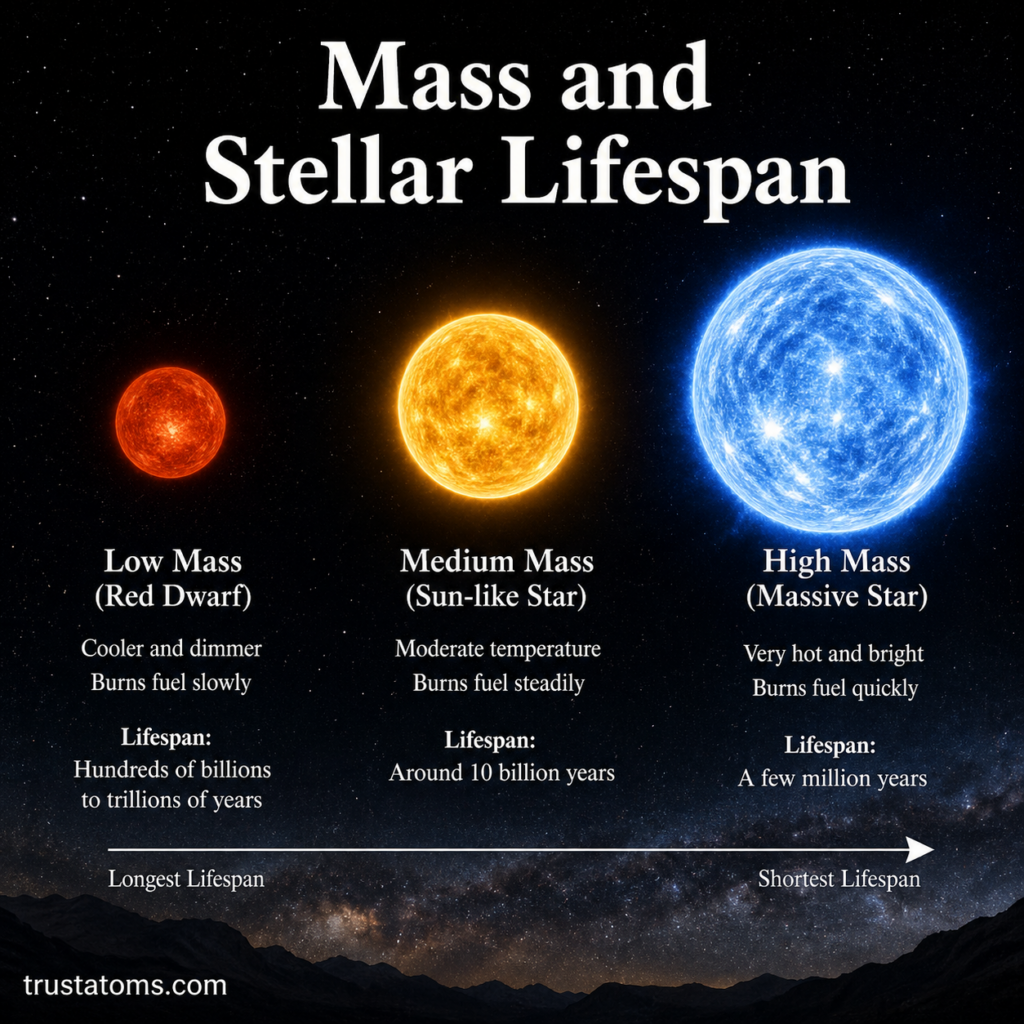
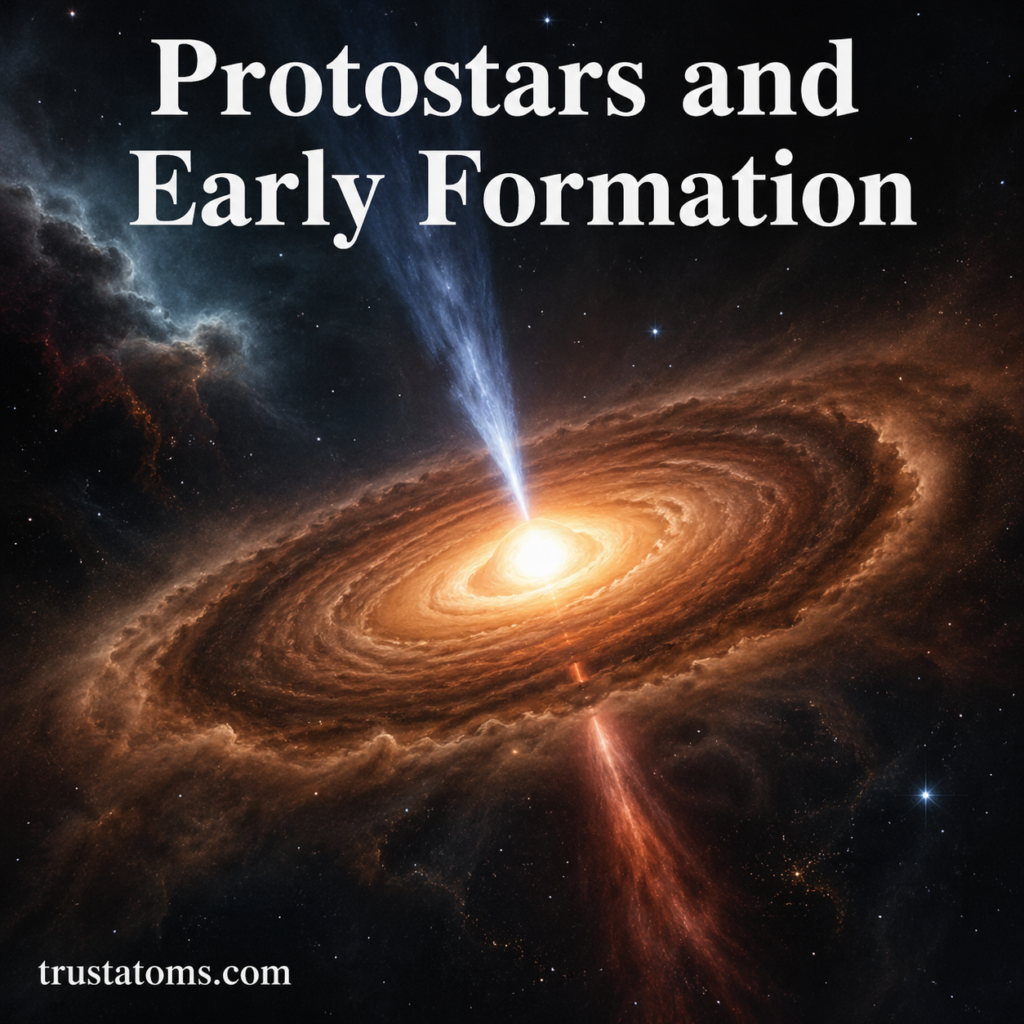
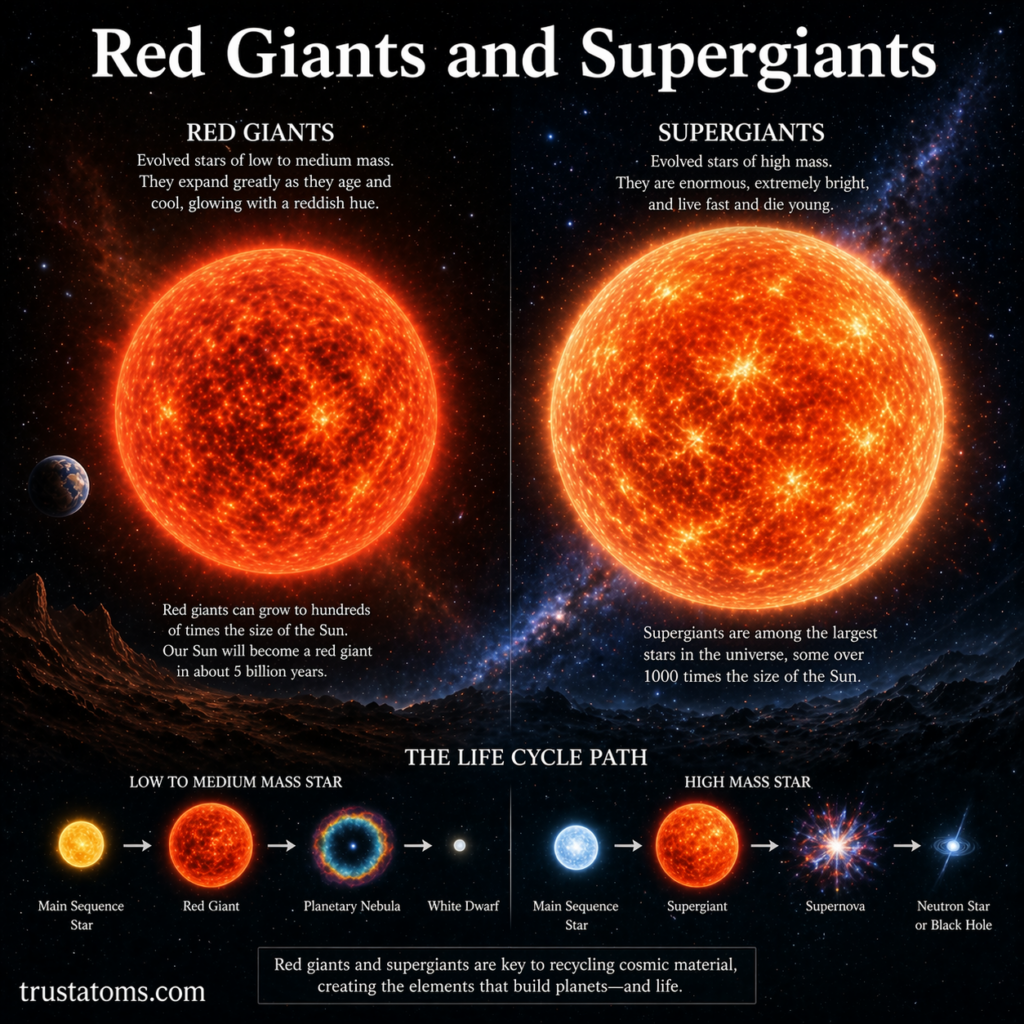
- Stars and stellar evolution
- Planets and planetary systems
- Moons, asteroids, and comets
- Galaxies and galaxy clusters
- Black holes and neutron stars
- Space exploration and satellites
- Dark matter, dark energy, and cosmic expansion
For example, astronomy includes the study of our own solar system through topics like Formation of the Solar System, The Sun: Structure and Energy Production, and Moons of the Solar System.
It also reaches far beyond our solar system through topics such as Black Holes and Event Horizons, Dark Matter Evidence, and Dark Energy Theories.
A Brief History of Astronomy
Humans have studied the sky for thousands of years. Early civilizations used celestial patterns for navigation, agriculture, calendars, and seasonal tracking.
Over time, astronomy became more mathematical and evidence-based. The development of telescopes changed the field dramatically, allowing scientists to observe distant planets, moons, stars, and galaxies in greater detail.
Modern astronomy now uses tools such as space telescopes, radio observatories, satellites, and computer simulations. You can learn more about these methods in Telescopes: Reflecting vs Refracting, Radio Telescopes and Signal Detection, and Space-Based Telescopes.
Branches of Astronomy
Astronomy includes several major branches, each focused on a different part of the universe.
Observational Astronomy
Observational astronomy focuses on collecting data from space using telescopes and instruments.
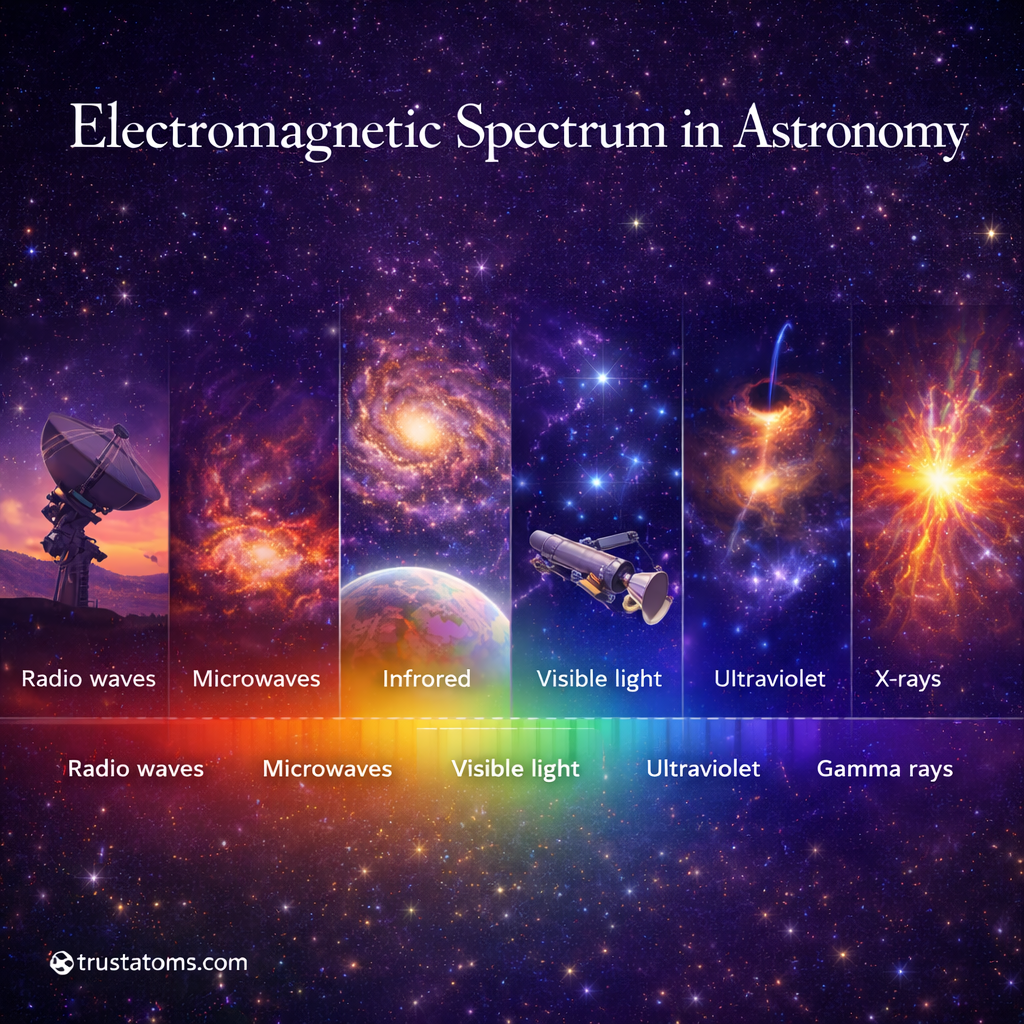
This includes visible-light astronomy as well as forms of observation beyond what the human eye can see. Related topics include Electromagnetic Spectrum in Astronomy, Infrared Astronomy, X-Ray Astronomy, and Ultraviolet Astronomy.
Theoretical Astronomy
Theoretical astronomy uses mathematics, physics, and models to explain what astronomers observe.
This area connects closely with concepts in What Is Physics?, especially when studying gravity, motion, light, relativity, and energy. Supporting astronomy topics include Gravity and Orbital Mechanics, Kepler’s Laws of Planetary Motion, and Newton’s Law of Universal Gravitation.
Planetary Science
Planetary science studies planets, moons, atmospheres, and solar systems.
This connects naturally with What Is Earth Science?, especially when comparing Earth to other planets. Related astronomy topics include Earth in the Solar System, Mars: Geology and Exploration, Jupiter: Structure and Moons, and Planetary Atmospheres Compared.
Cosmology
Cosmology studies the universe as a whole, including its origin, structure, expansion, and possible future.
This branch includes topics such as Cosmic Background Radiation Overview, Age of the Universe Estimates, Cosmic Web Structure, and Observational Evidence for Expansion.
Why Astronomy Matters
Astronomy helps us understand the universe, but it also influences everyday technology and scientific thinking.
Astronomical research has contributed to advances in:
- Imaging systems
- Satellites
- GPS technology
- Communication systems
- Computer modeling
- Data analysis
Space exploration also plays a major role in astronomy. You can continue with History of Space Exploration, International Space Station Overview, Robotic Space Missions, and Mars Exploration Missions.
Tools Astronomers Use
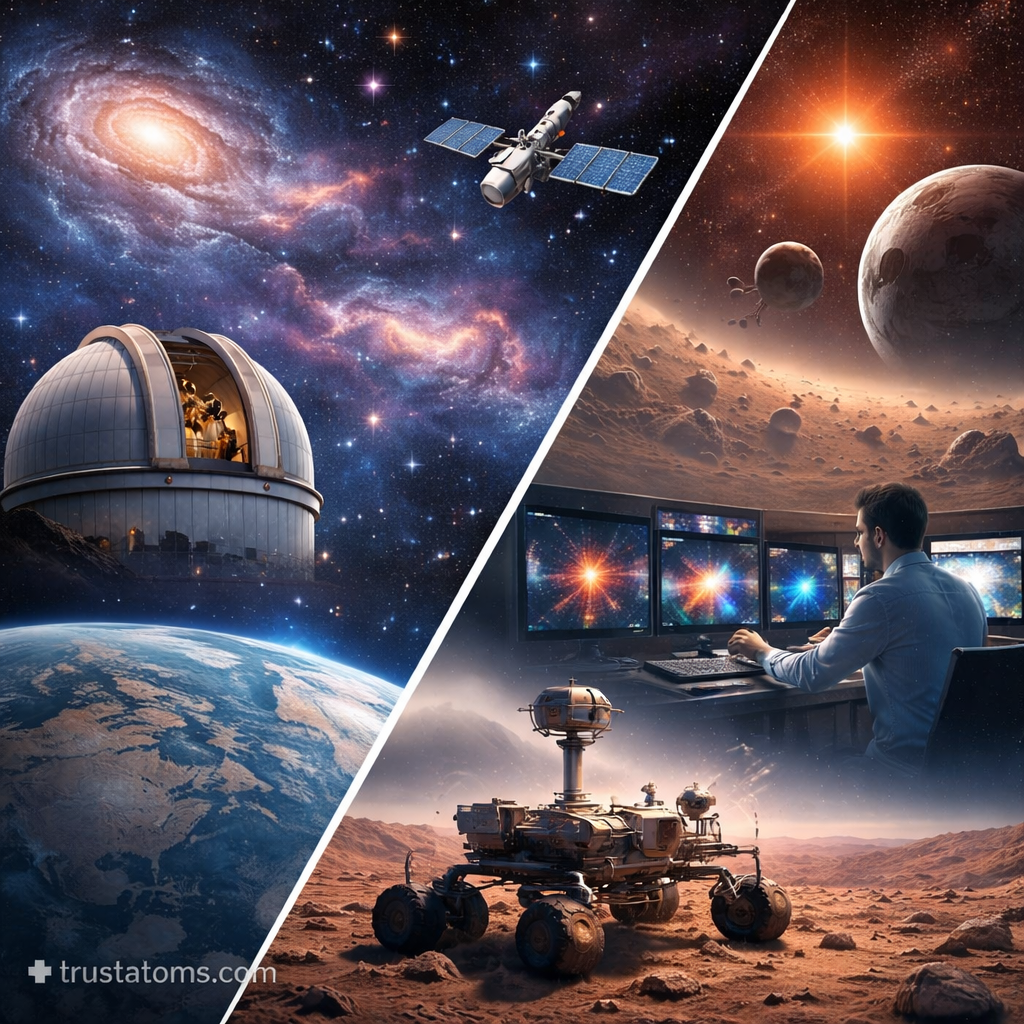
Astronomers use specialized tools to observe objects that are distant, faint, or invisible to the human eye.
Common tools include:
- Ground-based telescopes
- Space telescopes
- Radio telescopes
- Spectrometers
- Satellites and probes
- Supercomputers and simulations
For deeper reading, explore Spectroscopy in Space Science, Astronomical Observation Techniques, Astronomical Imaging Methods, and Astronomy Data Analysis Techniques.
Astronomy vs. Astrology
Astronomy is sometimes confused with astrology, but they are very different.
Astronomy is a science based on observation, evidence, mathematics, and physical laws. Astrology is a belief system that connects celestial positions with human behavior, but it is not supported by scientific evidence.
Understanding this difference is important when learning about space science and evidence-based research.
Can Astronomy Become a Career?
Yes. Astronomy can lead to careers in science, space research, education, engineering, and data analysis.
Common career paths include:
- Astronomer
- Astrophysicist
- Planetary scientist
- Space researcher
- Observatory technician
- Aerospace data analyst
Many astronomy careers require strong foundations in physics, mathematics, computer science, and scientific research methods.
Continue Exploring Astronomy
To keep learning, start with these related astronomy guides:
- Branches of Astronomy Explained
- Light-Year and Astronomical Units
- Measuring Distance in the Universe
- Redshift and Cosmic Motion
- Phases of the Moon Explained
- Eclipses: Solar and Lunar
You can also explore related science pillars:
Final Thoughts
Astronomy is the study of the universe and everything beyond Earth’s atmosphere. It connects observation, physics, mathematics, technology, and curiosity to help explain how space works.
From planets and moons to galaxies and black holes, astronomy gives us a deeper understanding of the cosmos and our place within it.