Cells constantly manage limited resources. Every biological process—growth, repair, movement, and metabolism—requires energy and molecular building blocks. Because resources such as ATP, nutrients, and proteins are finite, cells must carefully allocate them to maintain stability and survive environmental changes.
Cellular resource allocation mechanisms refer to the systems cells use to prioritize, distribute, and regulate energy and materials across different biological processes. These mechanisms ensure that essential functions are maintained while unnecessary or energy-intensive processes are slowed when resources are limited.
Understanding these systems is central to modern biology because they explain how cells adapt, grow, and maintain balance under changing conditions.
What Is Cellular Resource Allocation?
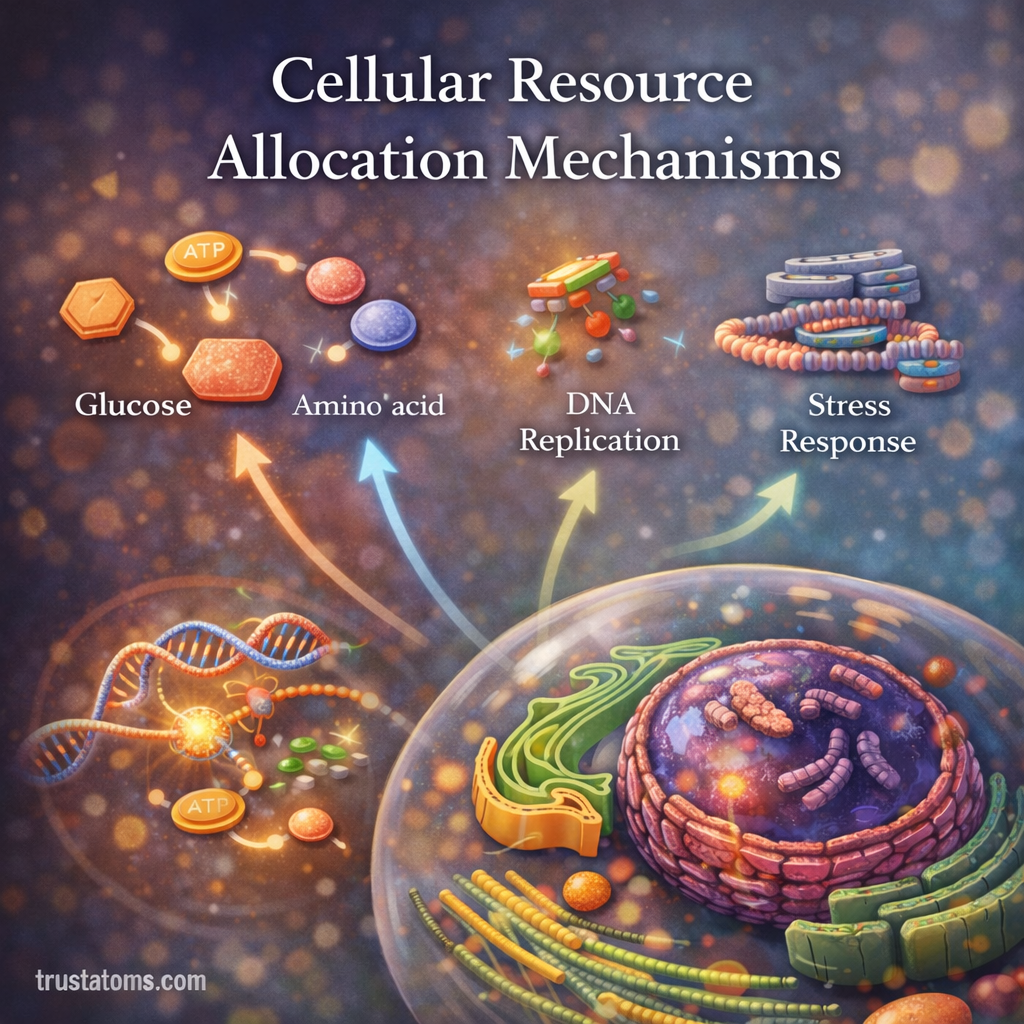
Cellular resource allocation is the strategic distribution of energy, nutrients, and molecular machinery within a cell to support critical biological functions.
Cells must balance multiple competing demands, including:
- Producing proteins
- Replicating DNA
- Generating energy
- Repairing cellular damage
- Responding to environmental signals
Because many of these processes occur simultaneously, cells rely on regulatory networks that prioritize essential activities and reduce wasteful energy use.
Why Resource Allocation Matters for Cell Survival
Cells exist in environments where resources can fluctuate. Nutrient availability, oxygen levels, temperature, and stress conditions all influence cellular activity.
Efficient resource allocation allows cells to:
- Maintain energy balance
- Prevent resource depletion
- Adapt to environmental changes
- Support growth and reproduction
- Protect against stress or damage
Without coordinated resource distribution, cellular systems would quickly become unstable.
Energy Allocation and ATP Management
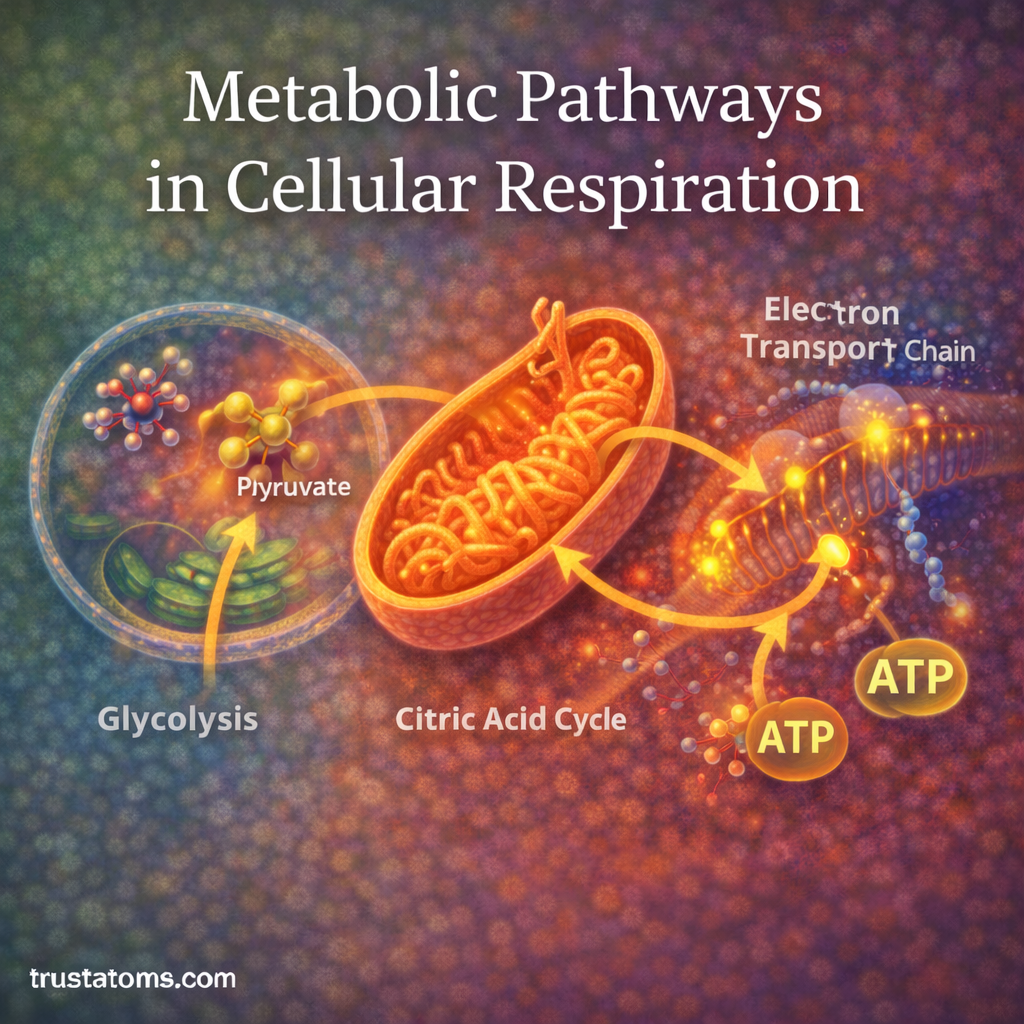
One of the most critical resources within a cell is adenosine triphosphate (ATP), the primary molecule used to store and transfer energy.
ATP fuels nearly every cellular activity, including:
- Protein synthesis
- Ion transport
- DNA replication
- Muscle contraction
- Cellular signaling
Because ATP production requires metabolic resources, cells regulate how energy is spent.
Mechanisms That Control ATP Usage
Cells adjust ATP allocation through several regulatory systems:
- Enzyme regulation that speeds up or slows down metabolic reactions
- Feedback inhibition where high energy levels suppress further ATP production
- Energy-sensing proteins that monitor cellular energy status
These mechanisms ensure that energy production and energy consumption remain balanced.
Nutrient Allocation and Metabolic Prioritization
Cells also manage how nutrients are used across different metabolic pathways.
Nutrients such as glucose, amino acids, and fatty acids serve multiple roles:
- Energy production
- Biomolecule synthesis
- Structural components
- Signaling molecules
Cells must determine whether these resources are used immediately for energy or stored for future needs.
Metabolic Prioritization Strategies
Cells prioritize nutrient use through several strategies:
- Catabolic pathways activation
Breaking down nutrients to generate energy. - Anabolic pathway control
Regulating the synthesis of complex molecules when energy is abundant. - Resource storage systems
Converting excess nutrients into storage molecules such as glycogen or lipids.
These processes allow cells to maintain stability during both abundance and scarcity.
Protein Synthesis and Ribosome Allocation
Producing proteins is one of the most resource-intensive activities in the cell. Protein synthesis requires:
- Amino acids
- Ribosomes
- Energy
- Messenger RNA
Because of the high cost, cells regulate how ribosomes and translation machinery are distributed across different genes.
How Cells Control Protein Production
Cells manage protein synthesis through several mechanisms:
- Regulating gene transcription
- Controlling ribosome availability
- Adjusting translation rates
- Degrading unnecessary proteins
When nutrients are limited, cells often reduce protein synthesis to conserve energy.
Cellular Stress Responses and Resource Reallocation
Environmental stress can force cells to quickly redirect resources.
Examples of stress conditions include:
- Heat shock
- Oxidative stress
- DNA damage
- Nutrient starvation
- Toxic chemical exposure
During stress, cells activate protective pathways that temporarily shift resources away from growth and toward survival.
Examples of Stress Response Mechanisms
Common resource reallocation strategies include:
- Increasing production of repair proteins
- Activating antioxidant defenses
- Slowing down cell division
- Enhancing protein quality control systems
These responses help cells survive challenging conditions.
Autophagy and Recycling of Cellular Materials
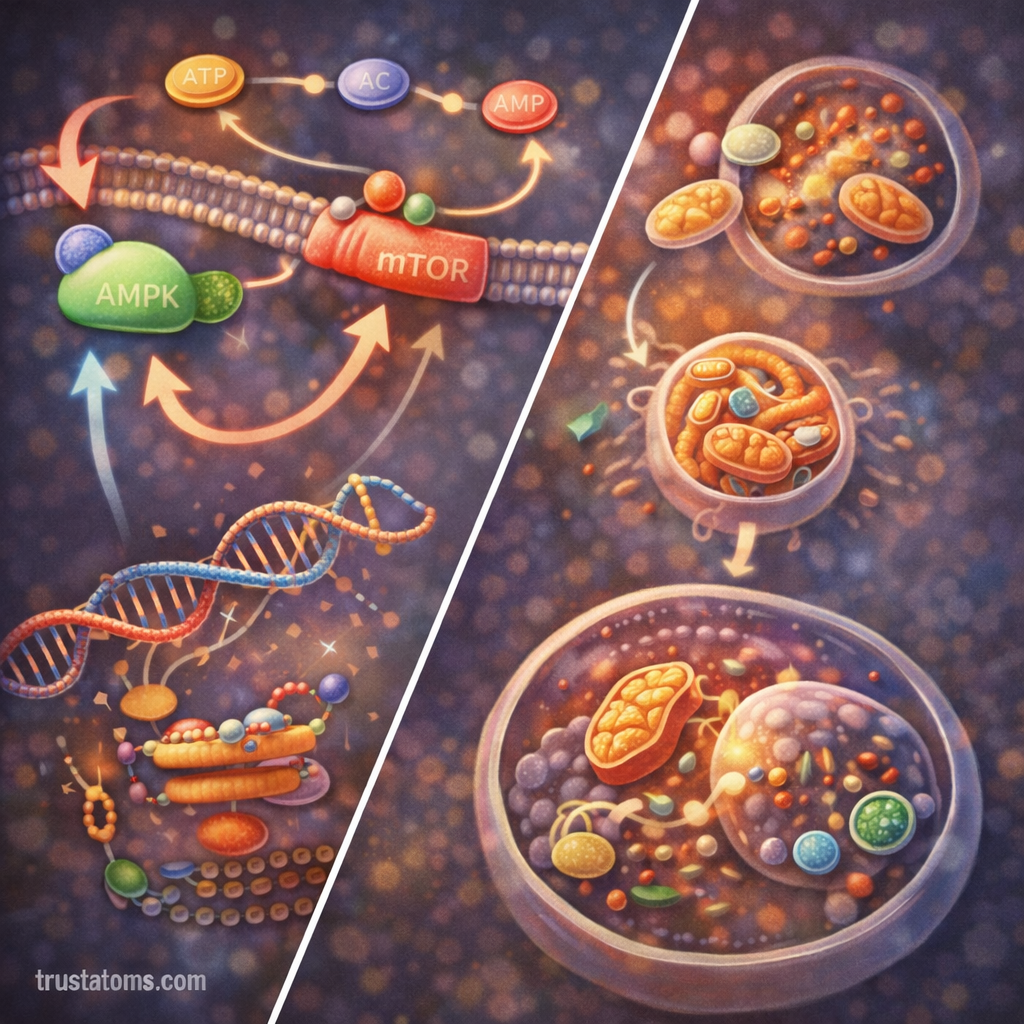
When resources become scarce, cells activate recycling systems to recover usable molecules.
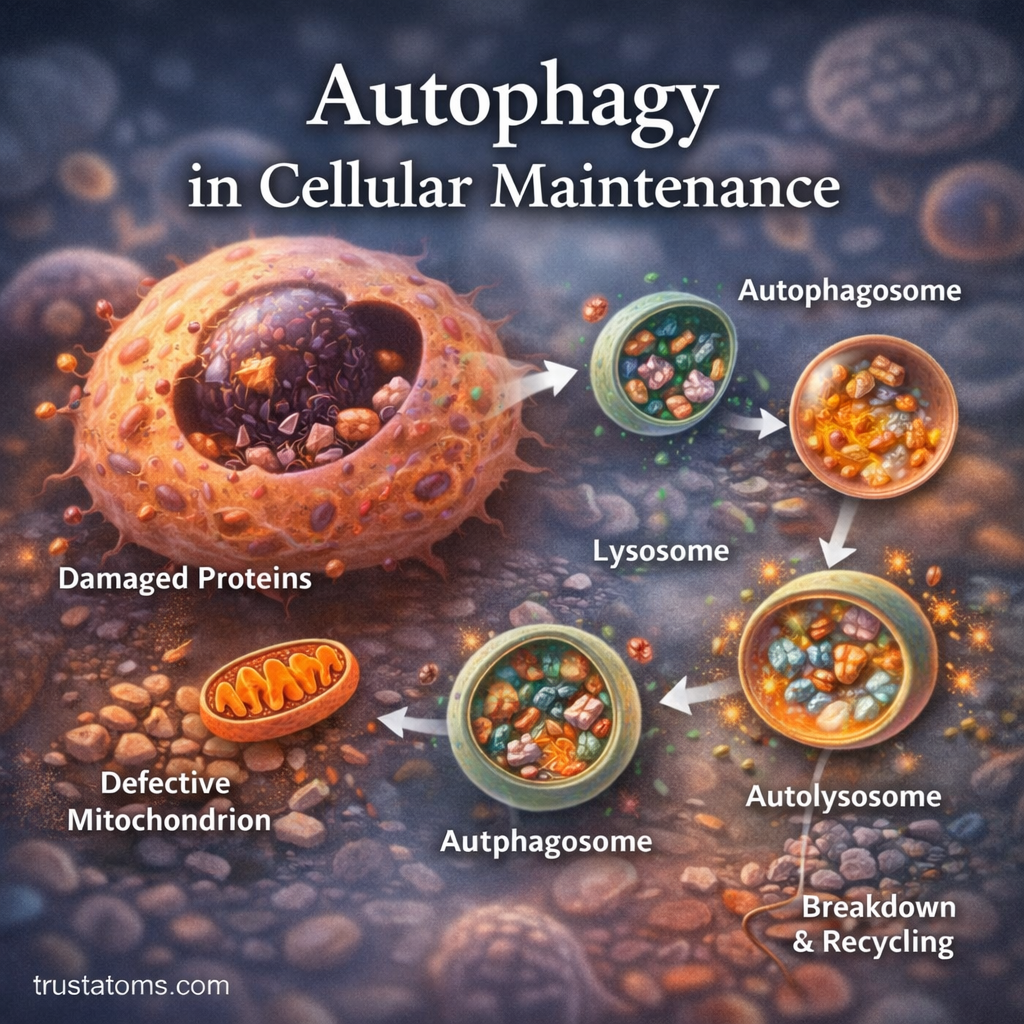
One of the most important recycling mechanisms is autophagy, a process where cells break down and reuse damaged or unnecessary cellular components.
Autophagy allows cells to:
- Recycle proteins and organelles
- Recover amino acids and nutrients
- Remove damaged structures
- Maintain cellular health
This recycling process provides an internal source of materials when external nutrients are limited.
Regulatory Networks That Control Resource Allocation
Resource allocation is controlled by complex signaling networks that integrate information about nutrient levels, energy status, and cellular stress.
Several key regulatory systems help coordinate these decisions.
Major Cellular Resource Regulators
Some of the most important regulators include:
- mTOR signaling pathway – promotes growth when nutrients are abundant
- AMP-activated protein kinase (AMPK) – activates energy-conserving pathways
- Insulin signaling – regulates nutrient storage and metabolism
- Stress response pathways – redirect resources toward repair
These regulatory systems function as molecular decision-makers, allowing the cell to adapt to changing conditions.
Resource Allocation During Cell Growth and Division
When cells prepare to divide, resource allocation becomes especially important.
Cell division requires:
- DNA replication
- Protein synthesis
- Organelle duplication
- Energy production
Cells must ensure sufficient resources exist before initiating division.
Cell Cycle Resource Checkpoints
Cells contain regulatory checkpoints that monitor resource availability.
Key checkpoints verify:
- DNA integrity
- Nutrient availability
- Energy levels
- Proper cellular structure
If conditions are unfavorable, cells delay division until resources are sufficient.
Systems Biology and Cellular Resource Economics
Scientists increasingly study cellular resource allocation using systems biology, which examines how networks of genes, proteins, and metabolic pathways interact.
This approach treats the cell similarly to a complex economy where resources must be distributed efficiently.
By modeling these networks, researchers can better understand:
- Metabolic diseases
- Cancer cell growth
- Aging processes
- Microbial adaptation
- Biotechnology applications
Understanding cellular resource economics helps scientists design new medical treatments and improve biological engineering strategies.
Final Thoughts
Cells operate under constant resource constraints. Through sophisticated regulatory networks, they allocate energy, nutrients, and molecular machinery to maintain stability and adapt to changing environments.
Cellular resource allocation mechanisms ensure that:
- Energy is used efficiently
- Essential processes are prioritized
- Stress responses are activated when necessary
- Growth occurs only when sufficient resources are available
These systems highlight the remarkable efficiency of living cells and demonstrate how biological systems maintain balance even in fluctuating environments.