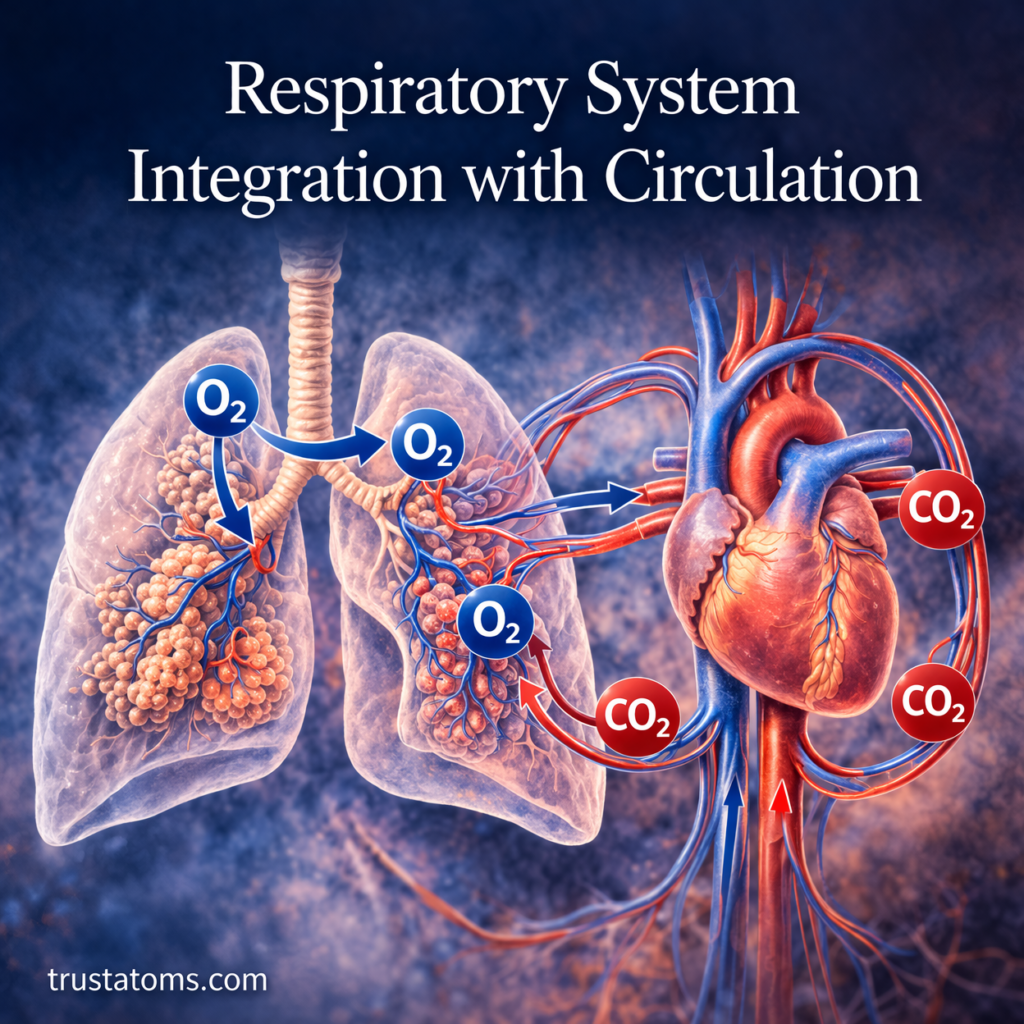
The human body relies on a tightly coordinated partnership between the respiratory and circulatory systems. While the lungs bring oxygen into the body, it’s the bloodstream that delivers that oxygen to every cell—and removes carbon dioxide in return.
This integration is essential for survival, energy production, and overall physiological balance. In this article, we’ll explore how these two systems work together to support life.
The Big Picture: Why Integration Matters
Neither the respiratory nor circulatory system can function effectively on its own.
- The respiratory system supplies oxygen
- The circulatory system transports it
- Both systems remove carbon dioxide
Together, they ensure that cells receive the oxygen needed for energy production and maintain stable internal conditions.
How Oxygen Enters the Body
The process begins with breathing.
Step-by-Step Pathway
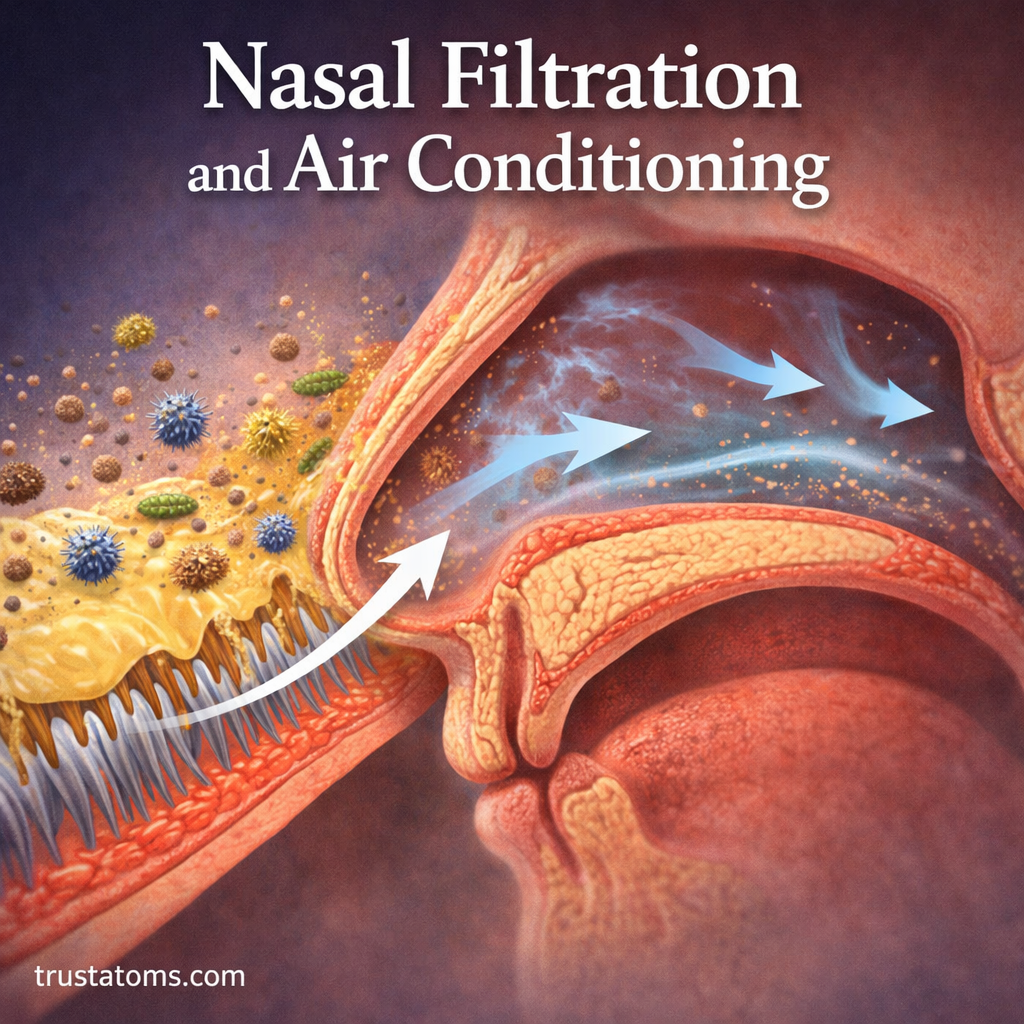
- Air enters through the nose or mouth
- Travels down the trachea
- Moves into the bronchi and bronchioles
- Reaches the alveoli (air sacs in the lungs)
At the alveoli, oxygen is ready to enter the bloodstream.
Gas Exchange in the Alveoli
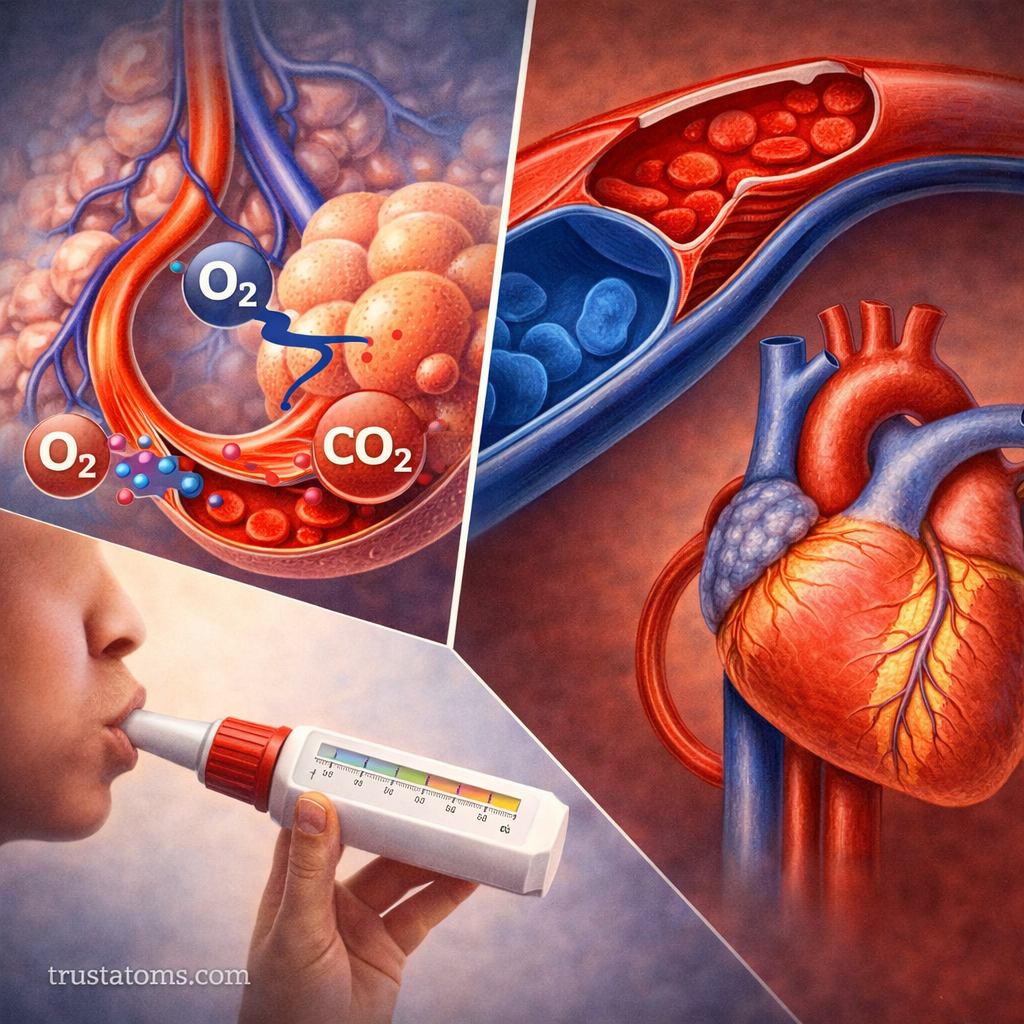
The alveoli are the key interface between the respiratory and circulatory systems.
What Happens Here?
- Oxygen diffuses from the alveoli into nearby capillaries
- Carbon dioxide diffuses from the blood into the alveoli
- Gas exchange occurs across a very thin membrane
This process ensures oxygen enters circulation efficiently.
Role of the Circulatory System
Once oxygen enters the blood, the circulatory system takes over.
Oxygen Transport
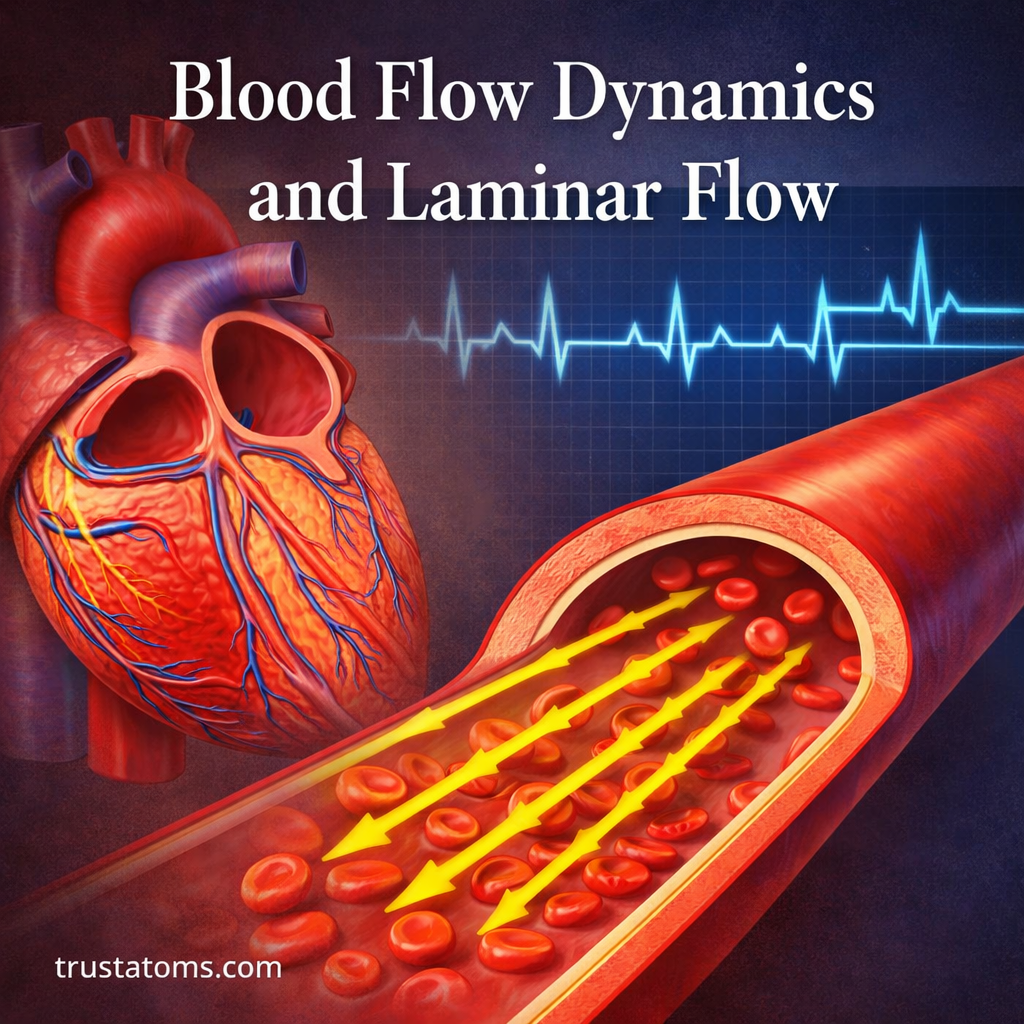
- Oxygen binds to hemoglobin in red blood cells
- Blood carries oxygen through arteries to tissues
Carbon Dioxide Removal
- Carbon dioxide is transported back to the lungs
- It is expelled during exhalation
This continuous loop keeps the body in balance.
The Heart’s Role in Integration
The heart is the central pump that connects both systems.
Pulmonary Circulation
- Right side of the heart sends deoxygenated blood to the lungs
- Blood picks up oxygen in the alveoli
Systemic Circulation
- Left side of the heart pumps oxygenated blood to the body
- Delivers oxygen to organs and tissues
This dual circulation ensures efficient oxygen delivery and waste removal.
Ventilation and Perfusion Matching
For optimal function, airflow (ventilation) and blood flow (perfusion) must be balanced.
Why It Matters
- Too much airflow with little blood flow → inefficient gas exchange
- Too much blood flow with little airflow → reduced oxygen uptake
This balance is known as ventilation-perfusion (V/Q) matching.
Cellular Respiration: The Final Step
Once oxygen reaches the cells, it is used in cellular respiration.
What Happens Inside Cells?
- Oxygen helps produce energy (ATP)
- Carbon dioxide is generated as a waste product
The circulatory system then transports CO₂ back to the lungs for removal.
Regulation of Respiratory and Circulatory Integration
The body continuously monitors and adjusts both systems.
Nervous System Control
- Brain centers regulate breathing rate
- Adjust heart rate based on activity
Chemical Regulation
- Chemoreceptors detect oxygen, carbon dioxide, and pH levels
- Trigger changes in breathing and circulation
These controls ensure rapid response to changing conditions.
Integration During Exercise
Exercise significantly increases the demand for oxygen.
What Changes?
- Breathing becomes faster and deeper
- Heart rate increases
- Blood flow to muscles rises
Result
- More oxygen is delivered to active tissues
- Carbon dioxide is removed more efficiently
This coordination allows sustained physical activity.
Clinical Importance of System Integration
Disruptions in either system can affect the entire body.
Respiratory Issues
- Lung diseases reduce oxygen intake
- Examples: asthma, pneumonia
Circulatory Issues
- Poor blood flow limits oxygen delivery
- Examples: heart disease, anemia
Combined Effects
- Reduced energy production
- Fatigue and shortness of breath
Understanding this integration helps guide diagnosis and treatment.
Common Misconceptions
“Breathing Alone Delivers Oxygen to Cells”
Breathing brings oxygen into the lungs, but the circulatory system delivers it to tissues.
“Heart and Lungs Work Independently”
They are highly interdependent and must function together.
Why This Integration Matters
The connection between the respiratory and circulatory systems is fundamental to life.
It allows:
- Efficient oxygen delivery
- Removal of metabolic waste
- Maintenance of internal balance
- Adaptation to physical and environmental changes
Final Thoughts
The integration of the respiratory and circulatory systems is one of the body’s most important partnerships. From the moment you inhale to the moment oxygen reaches your cells, these systems work seamlessly to keep you alive and functioning.
Understanding this connection provides valuable insight into human physiology, health, and performance.