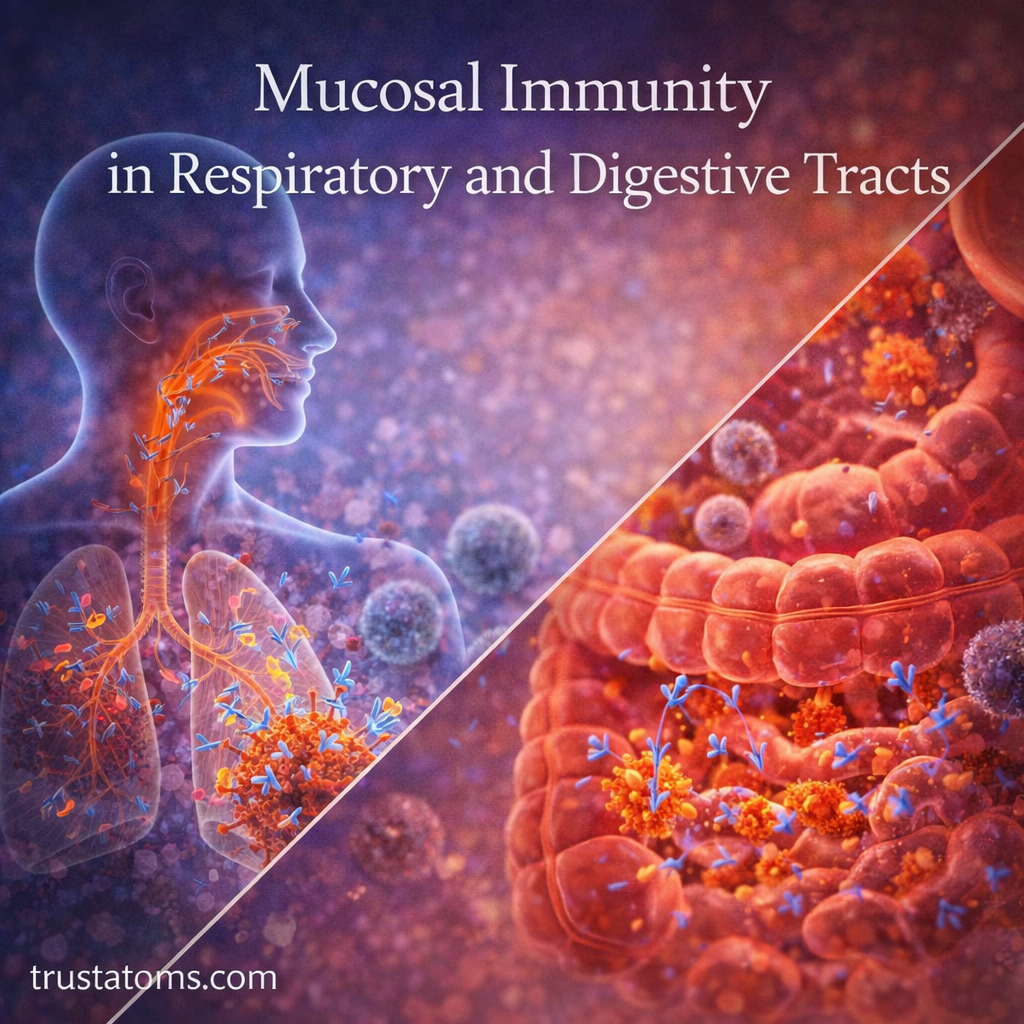
Mucosal immunity protects the respiratory and digestive tracts through mucus, epithelial barriers, immune cells, and antibodies that recognize and help control harmful microorganisms. These defenses also regulate immune reactions to harmless substances, allowing the intestines to tolerate food and resident microbes while the airways respond to inhaled threats.
The nose, airways, stomach, and intestines are lined with specialized tissues that encounter substances from outside the body every day. Understanding these surfaces connects immune defense with human anatomy and explains why protection at the body’s entry points differs from immune responses deep within its tissues.
What Is Mucosal Immunity?
Mucosal immunity refers to the coordinated defenses associated with mucous membranes. These membranes line the respiratory and digestive tracts, as well as parts of the reproductive and urinary systems.
Unlike the outer skin, mucosal surfaces must often permit the movement of air, nutrients, water, or secretions while limiting the entry of pathogens. Their defenses combine protective tissue structures with immune surveillance and controlled inflammatory responses.
The relationship between the skin and mucous membranes is explored further in Skin and Mucosal Immunity. Both protect the body at its boundaries, but their structures and environmental exposures differ.
The Main Components of Mucosal Defense
Mucosal immunity involves both physical barriers and immune system elements working together.
Mucus and Epithelial Cells
Epithelial cells form a continuous lining that separates the body’s internal tissues from material inside the airways or digestive tract. Connections between neighboring cells help control what can pass through this barrier.
Mucus contains water, mucins, and other substances that trap particles and microorganisms. In many airways, cilia move mucus toward the throat, where it can be swallowed or expelled. Intestinal mucus helps separate microbes from the epithelial surface.
Immune Cells and Antimicrobial Substances
Macrophages, dendritic cells, T cells, and B cells contribute to mucosal immune responses. Some detect and engulf microorganisms, while others coordinate targeted responses or produce antibodies.
Epithelial cells and immune cells can also release antimicrobial peptides and signaling molecules. These substances help limit microbial growth and recruit additional defenses when necessary.
Secretory Immunoglobulin A (IgA)
Secretory IgA is an important antibody found in mucus, saliva, intestinal secretions, and other mucosal fluids. It can bind microorganisms and toxins, limiting their ability to attach to epithelial cells.
IgA often provides protection without triggering the same degree of inflammation associated with some other immune responses. This is useful at surfaces that regularly encounter harmless material.
How the Respiratory Tract Removes Inhaled Threats
The respiratory tract encounters dust, allergens, bacteria, and viruses carried in inhaled air. Its defenses vary from the nose and larger airways to the tiny air sacs where gas exchange occurs.
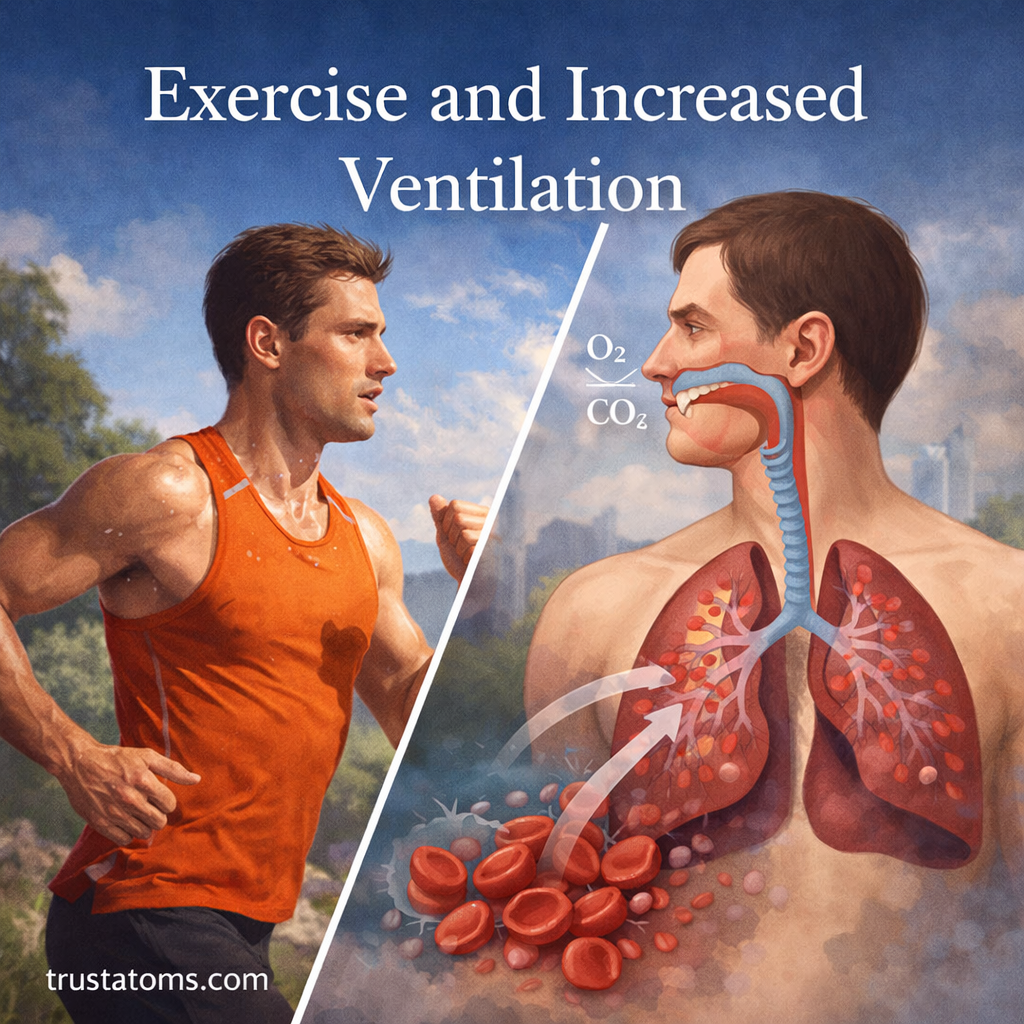
In the conducting airways, mucus traps many inhaled particles. Cilia then move the mucus toward the throat through a process called mucociliary clearance. Coughing and sneezing provide additional ways to expel irritating material.
Deeper in the lungs, alveolar macrophages help remove particles and microorganisms that reach the air sacs. If a pathogen establishes an infection, local immune cells release signals that recruit additional defenses.
Dendritic cells can capture microbial antigens and help activate T and B lymphocytes. These adaptive responses support pathogen-specific immunity, including antibody production and immune memory.
How the Digestive Tract Defends Against Pathogens
The digestive tract encounters food, liquids, microorganisms, and potentially harmful substances. Its immune defenses must distinguish between material that can be tolerated and threats requiring a stronger response.
Several protective mechanisms work together:
- Stomach acid: Inactivates many swallowed microorganisms, although some pathogens can survive.
- Intestinal mucus: Helps separate microbes from epithelial cells and supports the protective barrier.
- Antimicrobial peptides: Help control microorganisms near the intestinal surface.
- Secretory IgA: Binds selected microbial targets and limits their contact with intestinal tissues.
- Resident microbiota: Compete with invading organisms for nutrients and space while interacting with local immune defenses.
The intestinal immune system also responds to the body’s normal microbial community. These interactions help shape immune development and influence how the intestinal barrier responds to infection or injury.
Mucosa-Associated Lymphoid Tissue and Immune Surveillance
Mucosa-associated lymphoid tissue, or MALT, includes organized collections of immune cells positioned near mucosal surfaces. These tissues help recognize antigens and initiate appropriate immune responses.
Examples include the tonsils, Peyer’s patches in the small intestine, and lymphoid tissue associated with the appendix. Gut-associated lymphoid tissue (GALT) is the term used for the intestinal component of this system.
Specialized epithelial cells called M cells can transport material from the intestinal lumen to underlying immune cells. This sampling helps the immune system monitor intestinal contents without requiring every encountered substance to trigger inflammation.
Balancing Defense and Immune Tolerance
Mucosal immunity must respond to pathogens while avoiding unnecessary attacks against food proteins and many harmless microorganisms. This balance depends on epithelial barriers, immune signaling, regulatory T cells, and other mechanisms.
Through a combination of physical barriers, immune cells, and specialized antibodies, the body can defend against harmful invaders while maintaining tolerance to harmless substances.
The processes described in Immune Tolerance and Self-Recognition help explain how immune responses are restrained when aggressive defense is unnecessary.
When harmful bacteria invade tissues, the body may instead activate stronger responses involving inflammation, immune cell recruitment, and antimicrobial activity. Antibacterial Defense Mechanisms examines these protective responses in more detail.
Disrupted immune regulation can contribute to allergic or inflammatory conditions, although these disorders involve multiple interacting causes rather than a single failure of mucosal immunity.
Respiratory and Digestive Mucosal Immunity Compared
| Feature | Respiratory Tract | Digestive Tract |
|---|---|---|
| Main exposure | Inhaled particles and microorganisms | Food, swallowed microbes, and resident microbiota |
| Major physical defenses | Mucus, cilia, coughing | Mucus, epithelial barrier, digestive secretions |
| Specialized immune activity | Airway immune surveillance and alveolar macrophages | GALT, intestinal immune cells, and microbial interactions |
| Major challenge | Clearing inhaled threats while preserving gas exchange | Defending against pathogens while tolerating food and resident microbes |
Example: What Happens When You Inhale a Respiratory Virus?
Imagine breathing in droplets containing a respiratory virus. Some droplets may become trapped in mucus lining the nose or airways, where ciliary movement helps transport them toward the throat.
If the virus reaches susceptible epithelial cells and begins replicating, infected cells can release interferons and other signals that activate local antiviral defenses. Immune cells respond, and adaptive immunity may subsequently generate virus-specific antibodies and T cells.
Secretory IgA already present from previous exposure or vaccination may help prevent some viral particles from attaching to cells. The outcome depends on the pathogen, the person’s existing immunity, and the effectiveness of these defenses.
How Mucosal Vaccines Support Local Protection
Most vaccines are administered by injection, but some are delivered through mucosal routes, including the nose or mouth. These approaches can stimulate immune responses at or near surfaces where particular pathogens enter the body.
Examples include certain intranasal influenza vaccines and oral vaccines against specific infections. Depending on the vaccine, protection can involve mucosal antibodies, circulating antibodies, and cellular immunity.
Mucosal vaccination does not guarantee that infection or transmission will be prevented. Effectiveness depends on the vaccine, pathogen, immune response, and population being studied.
When Mucosal Defenses Are Disrupted
Problems affecting mucus clearance, epithelial integrity, or immune regulation can increase vulnerability to infection or contribute to inflammation. For example, impaired mucociliary clearance makes it harder for the respiratory tract to remove trapped material.
In the intestine, damage to the epithelial barrier or abnormal immune responses may accompany inflammatory digestive disorders. Allergies and immune deficiencies can also affect mucosal health, but symptoms alone cannot identify the underlying mechanism.
Frequently Asked Questions
Is mucosal immunity part of innate or adaptive immunity?
Both. Mucus, epithelial barriers, and many antimicrobial responses belong to innate defense, while antigen-specific T cells and antibodies contribute adaptive protection.
Why is IgA important in mucosal immunity?
Secretory IgA binds selected microorganisms and toxins, helping limit their attachment to mucosal surfaces. It can provide protection while minimizing unnecessary inflammation.
Why doesn’t the immune system attack every gut bacterium?
Intestinal mucus, epithelial barriers, regulatory immune pathways, and interactions with resident microbes help limit unnecessary immune activation. These mechanisms allow many microorganisms to coexist with the host while preserving defenses against pathogens.
Mucosal immunity protects the respiratory tract by trapping, clearing, and responding to inhaled threats, while intestinal defenses combine pathogen control with tolerance of food and resident microorganisms. Secretory IgA, epithelial barriers, and specialized immune tissues contribute to both systems, but their activities reflect the different environments they protect. Effective mucosal defense depends on controlling harmful exposures without producing unnecessary tissue-damaging inflammation.
This article is for general education and is not medical advice. Talk to a qualified health professional about any medical concern.
Sources: Abbas, Lichtman, and Pillai, Cellular and Molecular Immunology; Murphy and Weaver, Janeway’s Immunobiology; National Institute of Allergy and Infectious Diseases (NIAID).