Testosterone is the primary androgen hormone in males, regulating reproductive development, sexual function, and the conditions required for sperm production. It is produced mainly by Leydig cells in the testes and controlled through hormonal signals between the hypothalamus, pituitary gland, and testes.
Understanding testosterone regulation connects the endocrine and reproductive systems within human anatomy. Although testosterone is commonly associated with puberty and muscle development, its effects extend to fertility, bone maintenance, and the body’s hormonal feedback systems.
What Is Testosterone?
Testosterone is a steroid hormone belonging to a group called androgens. In males, most circulating testosterone is synthesized from cholesterol by Leydig cells located between the seminiferous tubules of the testes. The adrenal glands also produce smaller quantities of androgens.
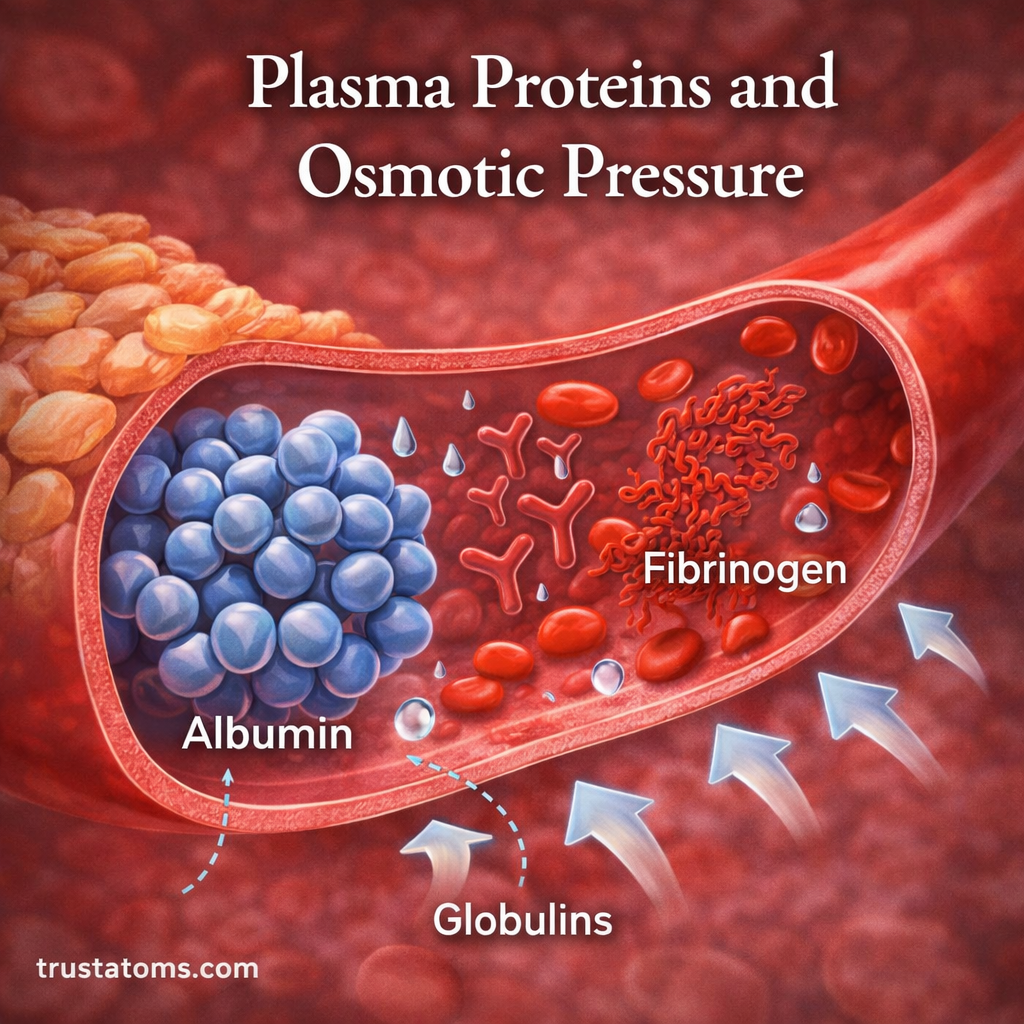
Testosterone travels through the bloodstream, much of it bound to proteins such as sex hormone-binding globulin (SHBG) and albumin. A smaller fraction circulates unbound, or free, and is available to enter cells and interact with androgen receptors.
Its major functions include:
- Supporting the development and maintenance of male reproductive organs.
- Maintaining the hormonal environment necessary for sperm production.
- Contributing to sexual desire and normal sexual function.
- Promoting muscle development and helping maintain bone density.
- Supporting changes in body hair, voice, and body composition during puberty.
The Male Reproductive Hormone System
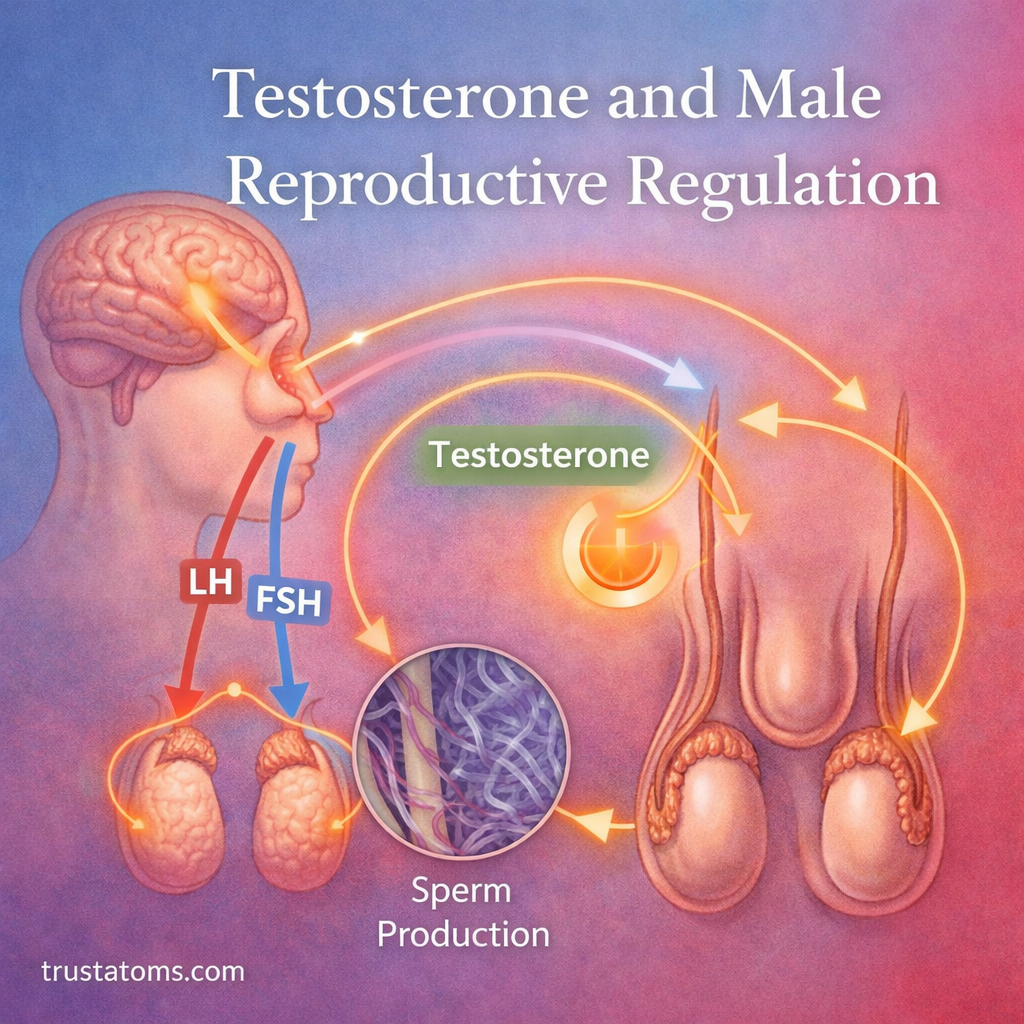
Testosterone production is regulated by the hypothalamic-pituitary-gonadal (HPG) axis. This communication system connects three structures: the hypothalamus in the brain, the pituitary gland beneath it, and the testes.
The hypothalamus releases gonadotropin-releasing hormone (GnRH), which stimulates the anterior pituitary gland to release luteinizing hormone (LH) and follicle-stimulating hormone (FSH). These hormones act on different cells in the testes.
The broader relationship between reproductive hormones is described in Sex Hormones and Reproductive Regulation. For the physical structures involved, see Male Reproductive Anatomy Overview.
The HPG axis becomes increasingly active during adolescence, initiating changes explained in Puberty and Reproductive Maturation. Similar hormonal feedback principles are examined in Reproductive Hormones and Regulation.
How Testosterone Production Is Regulated
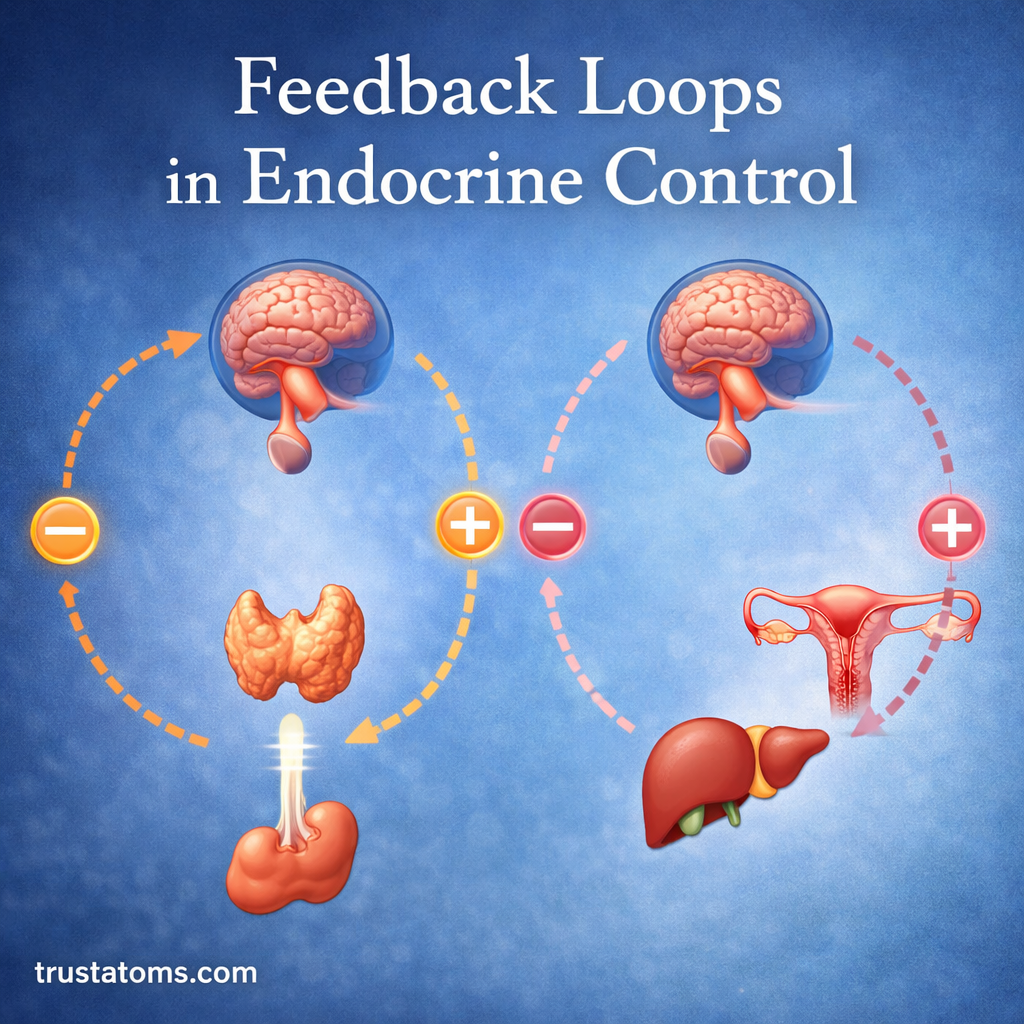
Testosterone production depends on a negative feedback system that adjusts hormone release according to signals circulating in the bloodstream.
- GnRH release: The hypothalamus secretes GnRH in pulses into blood vessels connecting it to the pituitary gland.
- Pituitary stimulation: GnRH causes the anterior pituitary to release LH and FSH.
- Testosterone production: LH stimulates Leydig cells in the testes to synthesize testosterone.
- Sperm support: FSH acts on Sertoli cells, which help maintain the environment required for developing sperm.
- Negative feedback: Testosterone and some of its converted products reduce GnRH and LH stimulation, helping regulate further production.
Sertoli cells also release inhibin B, which helps regulate FSH secretion. Together, these feedback mechanisms coordinate testosterone synthesis and sperm development rather than maintaining a perfectly constant hormone concentration.
How Testosterone Supports Sperm Production
Testosterone is essential for spermatogenesis, the process of producing sperm.
Sperm develop within the seminiferous tubules of the testes, where Sertoli cells support developing germ cells. Testosterone acts through androgen receptors in Sertoli cells and works alongside FSH to maintain the conditions necessary for normal sperm development.
The concentration of testosterone inside the testes is normally much higher than its concentration in circulating blood. This local hormonal environment is particularly important for sperm production.
For example, testosterone medication can increase testosterone levels in the bloodstream while reducing sperm production. External testosterone suppresses LH and FSH through negative feedback, lowering testosterone production within the testes and potentially reducing sperm counts substantially.
This distinction explains why a higher blood testosterone concentration does not automatically mean greater fertility.
How Testosterone Changes Throughout Life
Fetal Development and Childhood
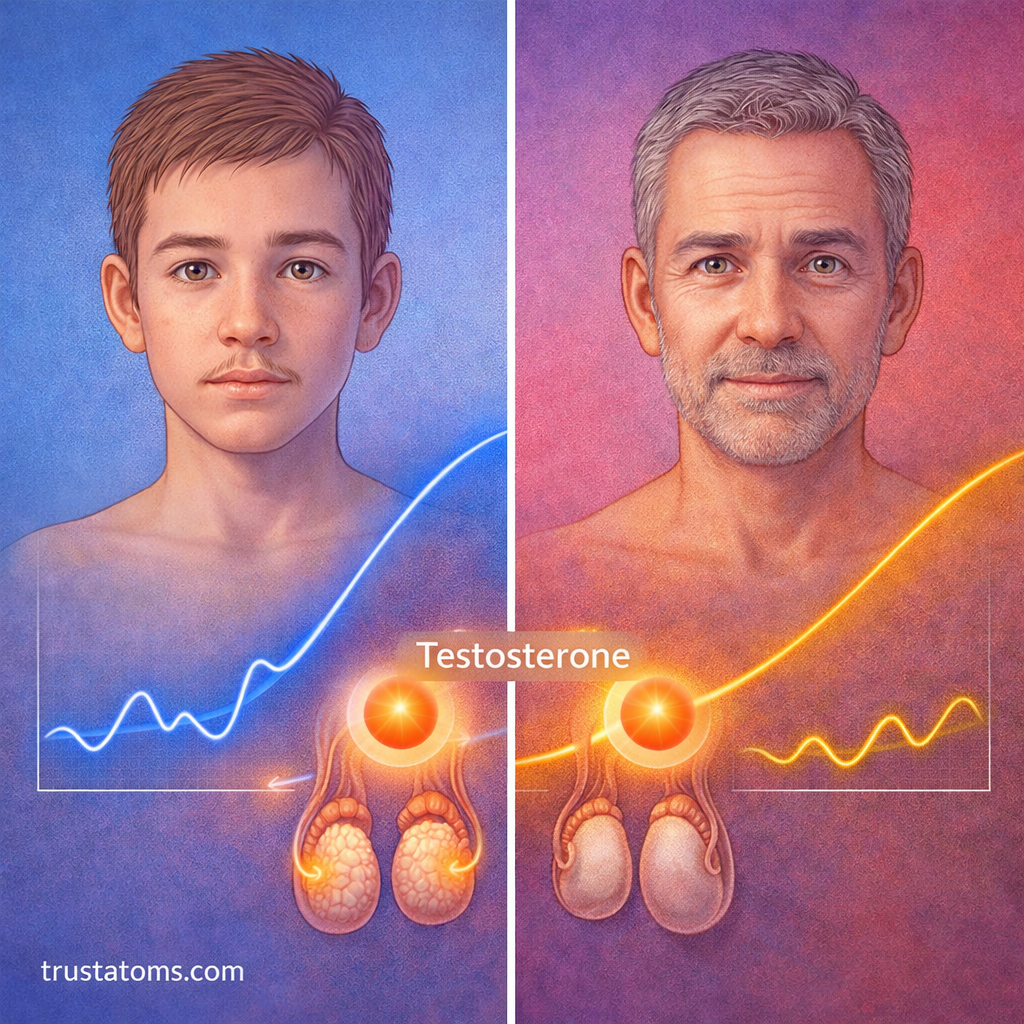
Testosterone contributes to male reproductive development before birth. After a temporary rise during early infancy, levels generally remain relatively low throughout most of childhood.
Puberty
During puberty, increased GnRH signaling stimulates greater LH and FSH release. Testosterone production rises, contributing to enlargement of the reproductive organs, deepening of the voice, increased muscle development, and growth of facial and body hair.
Adulthood and Aging
During adulthood, testosterone supports reproductive function, muscle maintenance, and bone health. Levels often decline gradually with age, but the rate and extent vary considerably between individuals.
Aging alone does not establish a testosterone deficiency. Clinical evaluation considers symptoms, medical history, and appropriately measured hormone levels.
Factors That Influence Testosterone Levels
Testosterone concentrations naturally fluctuate and are affected by physiological conditions, health, and hormone regulation.
- Time of day: Testosterone commonly follows a daily rhythm, with higher concentrations in the morning, particularly in younger men.
- Sleep: Inadequate or disrupted sleep can interfere with normal hormonal patterns.
- Body composition: Obesity is associated with lower testosterone concentrations in some men.
- Illness and medications: Certain medical conditions and drugs can suppress testosterone production.
- Nutrition and physical activity: Energy availability, excessive training stress, and overall health can influence hormone regulation.
Because testosterone varies naturally, a single measurement does not always provide a complete picture of hormonal function.
Low Testosterone and Hormonal Imbalance
Male hypogonadism occurs when the testes produce insufficient testosterone, sperm, or both because of problems involving the testes or their hormonal control systems.
Possible symptoms of testosterone deficiency include reduced sexual desire, fewer spontaneous erections, decreased energy, reduced muscle mass, and changes in bone density. These symptoms can also result from conditions unrelated to testosterone.
Clinicians generally evaluate suspected deficiency using symptoms and consistently low testosterone measurements, commonly obtained on separate mornings. LH and FSH measurements may help distinguish testicular dysfunction from problems involving the hypothalamus or pituitary gland.
Excess androgen exposure, including from anabolic steroid use, can disrupt normal feedback regulation. Potential consequences include acne, reduced sperm production, testicular shrinkage, and changes in red blood cell production.
Frequently Asked Questions
Where is most testosterone produced in males?
Most testosterone is produced by Leydig cells in the testes in response to luteinizing hormone from the anterior pituitary gland. The adrenal glands contribute smaller amounts of androgen precursors.
Does more testosterone always increase sperm production?
No. Normal sperm production requires sufficient testosterone within the testes along with appropriate FSH signaling. External testosterone can suppress LH and FSH, reducing sperm production despite increasing circulating testosterone.
Why are testosterone levels often measured in the morning?
Testosterone commonly follows a daily rhythm, with concentrations generally highest during the morning hours. Morning testing helps standardize measurements, although timing may be adjusted for people with unusual sleep schedules.
Testosterone regulation depends on continuous communication between the hypothalamus, pituitary gland, and testes. Understanding this feedback system explains how testosterone supports reproductive development and sperm production, why hormone levels fluctuate, and why normal fertility requires more than simply having high circulating testosterone.
This article is for general education and is not medical advice. Talk to a qualified health professional about any medical concern.
Sources: Endocrine Society, Testosterone Therapy in Men With Hypogonadism Clinical Practice Guideline; Guyton and Hall Textbook of Medical Physiology; National Institute of Diabetes and Digestive and Kidney Diseases (NIDDK).