Geothermal regions are some of the most fascinating and dynamic places on Earth. These areas, powered by heat from deep within the planet, are closely linked to volcanic activity and tectonic processes.
From steaming geysers and bubbling hot springs to active volcanoes, geothermal regions offer a window into the powerful forces shaping our planet. Understanding how they work helps explain earthquakes, volcanic eruptions, and even renewable energy opportunities.
What Are Geothermal Regions?
Geothermal regions are areas where heat from Earth’s interior rises close to the surface. This heat originates from:
- The planet’s formation (residual heat)
- Radioactive decay within rocks
- Movement of molten rock (magma)
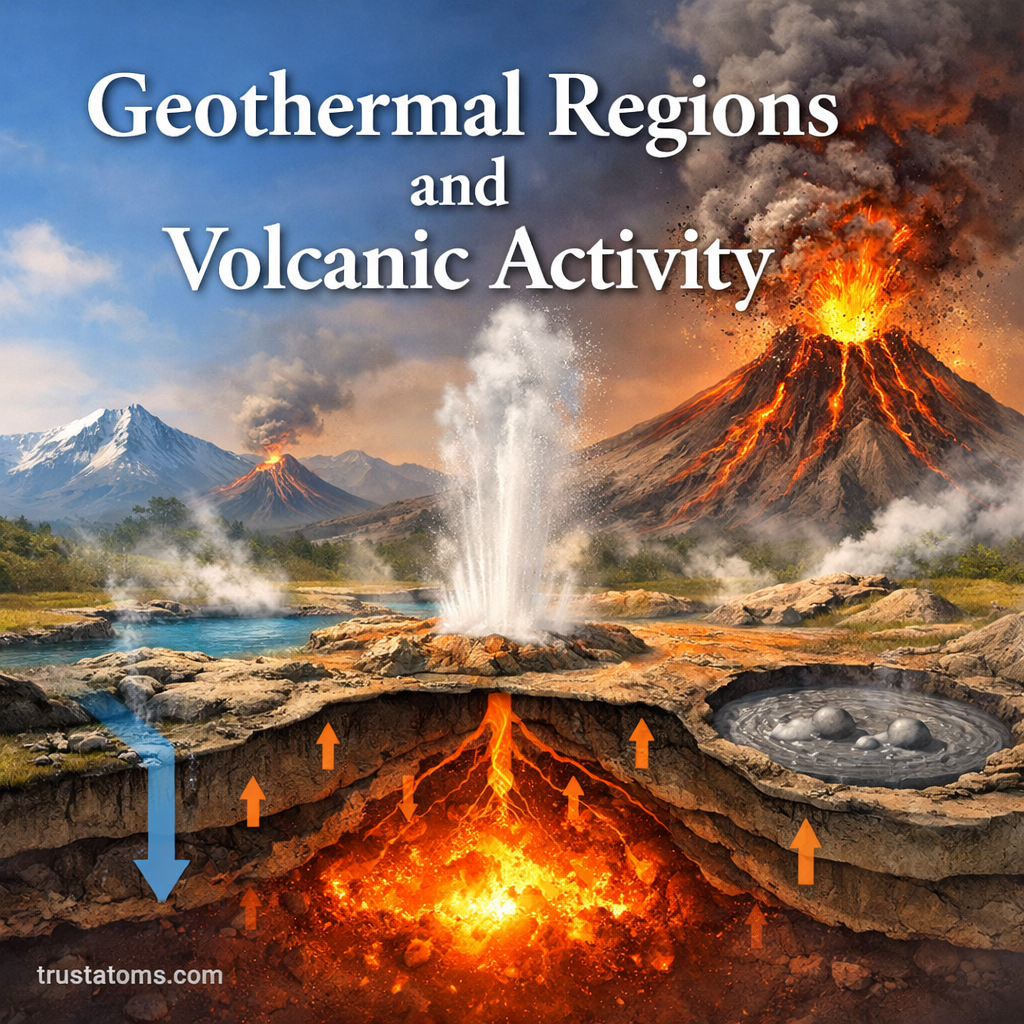
When this heat interacts with groundwater, it creates geothermal features such as:
- Hot springs
- Geysers
- Fumaroles (steam vents)
- Mud pots
These features are most commonly found in tectonically active regions.
The Connection Between Geothermal Activity and Volcanoes
Geothermal regions and volcanic activity are deeply connected because both are driven by magma beneath the Earth’s surface.
How It Works
- Magma rises from the mantle toward the crust
- Heat from the magma warms surrounding rock and groundwater
- Pressure builds as water turns to steam
- The system releases energy through geothermal features—or eruptions
In some cases, the magma never reaches the surface, creating geothermal systems without active volcanoes. In others, it leads to full volcanic eruptions.
Tectonic Plate Boundaries and Geothermal Zones
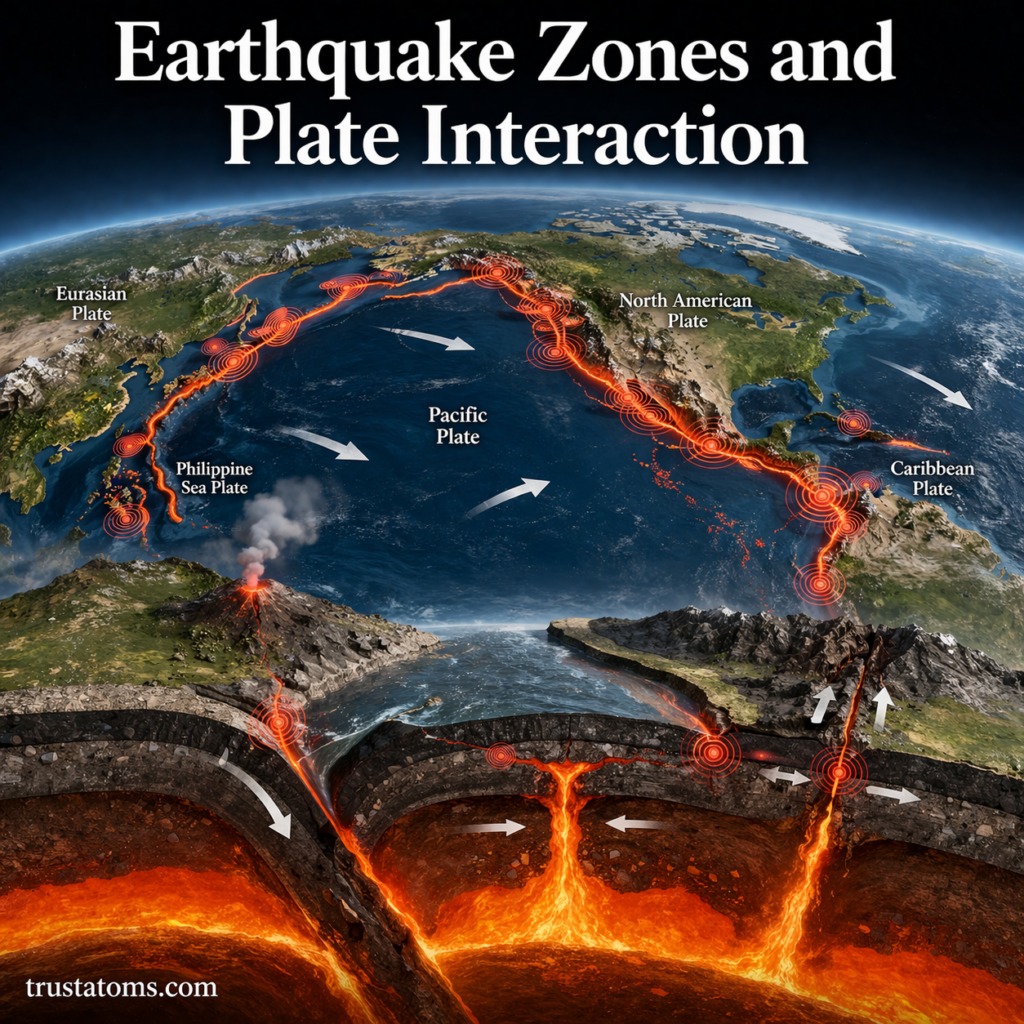
Most geothermal regions are located along tectonic plate boundaries, where Earth’s crust is more active.
Key Locations
- Divergent boundaries (plates moving apart)
- Magma rises easily, creating geothermal fields
- Example: Mid-ocean ridges
- Convergent boundaries (plates colliding)
- One plate subducts, melts, and forms magma
- Leads to volcanic arcs and geothermal activity
- Transform boundaries (plates sliding past each other)
- Less common, but can still produce localized geothermal systems
These tectonic settings explain why geothermal hotspots are not randomly distributed.
Types of Geothermal Features
Geothermal regions produce a variety of surface features, each with unique characteristics.
Hot Springs
- Warm or hot water pools heated by underground magma
- Often rich in minerals
- Can vary in temperature and color
Geysers
- Erupt periodically, shooting water and steam into the air
- Require specific conditions: heat, water, and underground plumbing
- Much rarer than hot springs
Fumaroles
- Openings that release steam and volcanic gases
- Indicate intense heat below the surface
Mud Pots
- Thick, bubbling pools of mud
- Form where acidic water breaks down surrounding rock
Volcanic Activity and Heat Flow
Volcanic regions are areas of high heat flow, meaning large amounts of thermal energy are transferred from Earth’s interior to the surface.
Key Processes
- Magma intrusion heats surrounding rock
- Hydrothermal circulation moves hot water through cracks
- Pressure release leads to eruptions or geothermal discharge
The intensity of volcanic activity often determines how active a geothermal system is.
Famous Geothermal Regions Around the World
Several locations are well-known for their geothermal and volcanic activity:
- Yellowstone National Park (USA) – home to the largest concentration of geysers
- Iceland – sits on a divergent boundary with abundant geothermal energy
- The Pacific Ring of Fire – a major zone of volcanoes and geothermal systems
- New Zealand’s Taupō Volcanic Zone – known for geysers and hot springs
These regions provide valuable scientific insights and attract millions of visitors each year.
Geothermal Energy: A Renewable Resource
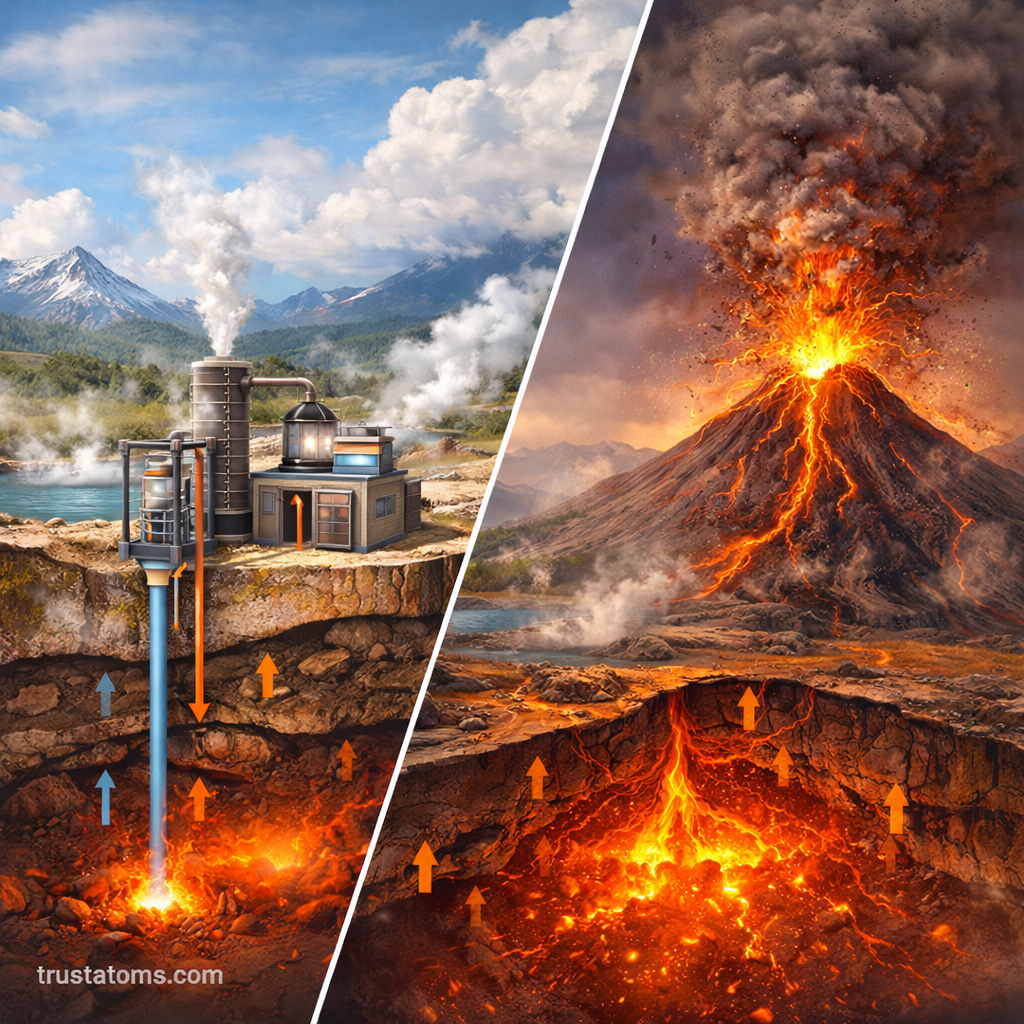
Geothermal regions are not just scientifically important—they are also a powerful source of renewable energy.
How Geothermal Energy Works
- Wells are drilled into geothermal reservoirs
- Hot water or steam is brought to the surface
- The steam spins turbines to generate electricity
- Cooled water is reinjected into the ground
Advantages
- Renewable and sustainable
- Low greenhouse gas emissions
- Reliable (not dependent on weather)
Challenges
- Limited to specific geographic areas
- High upfront costs
- Potential environmental impacts (e.g., land subsidence)
Hazards Associated with Geothermal and Volcanic Activity
While geothermal regions are beneficial, they also come with risks.
Common Hazards
- Volcanic eruptions – explosive or lava flows
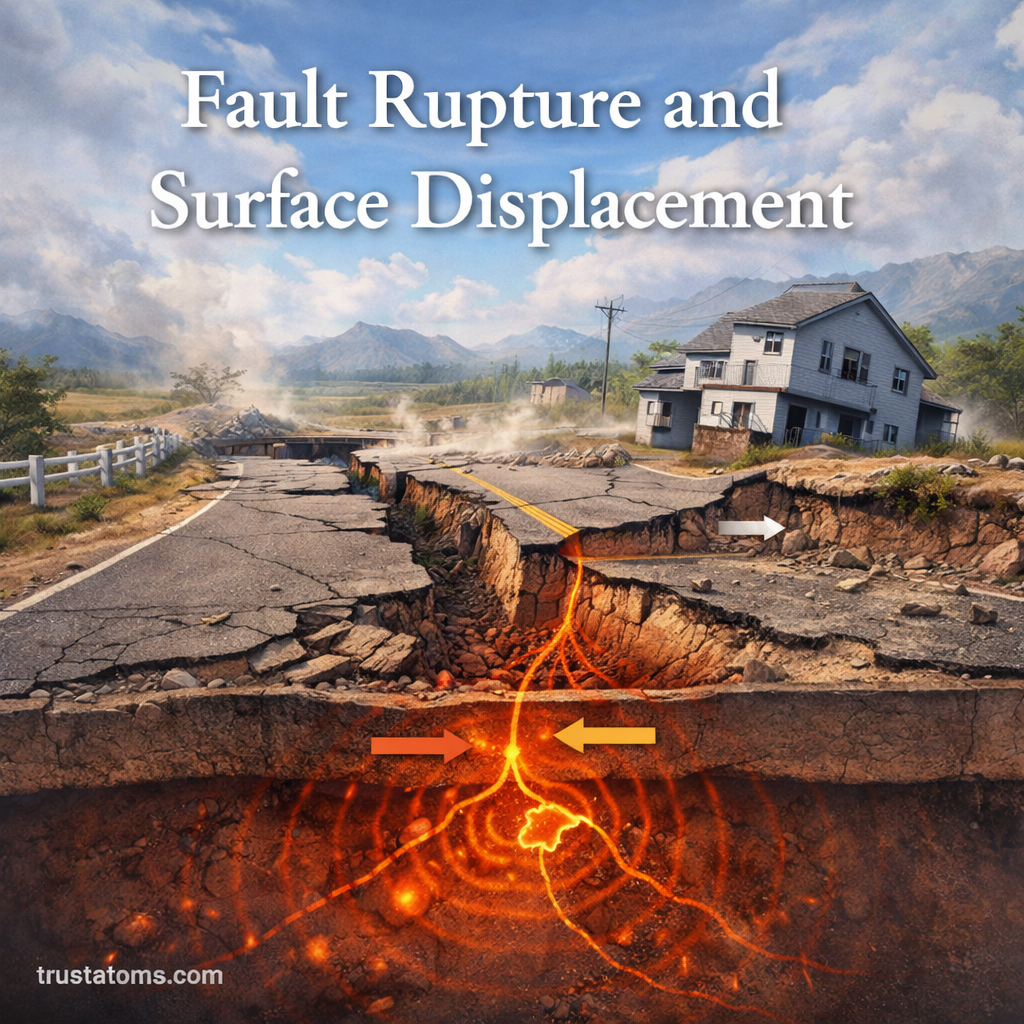
- Earthquakes – caused by tectonic movement or magma shifts
- Toxic gases – such as sulfur dioxide and carbon dioxide
- Ground instability – thin crust over hot water can collapse
Understanding these hazards is crucial for both safety and monitoring efforts.
Why Geothermal Regions Matter
Geothermal regions are essential for understanding Earth’s internal processes. They:
- Reveal how heat moves through the planet
- Help scientists monitor volcanic activity
- Provide renewable energy solutions
- Support unique ecosystems adapted to extreme conditions
They are a direct link between Earth’s deep interior and its surface environment.
Final Thoughts
Geothermal regions and volcanic activity are two sides of the same powerful system driven by Earth’s internal heat. Whether expressed through erupting volcanoes or quiet hot springs, these processes shape landscapes, influence ecosystems, and provide valuable resources.
By studying these regions, scientists gain deeper insight into how our planet works—and how we can safely and sustainably coexist with its natural forces.