What Is the Immune System?

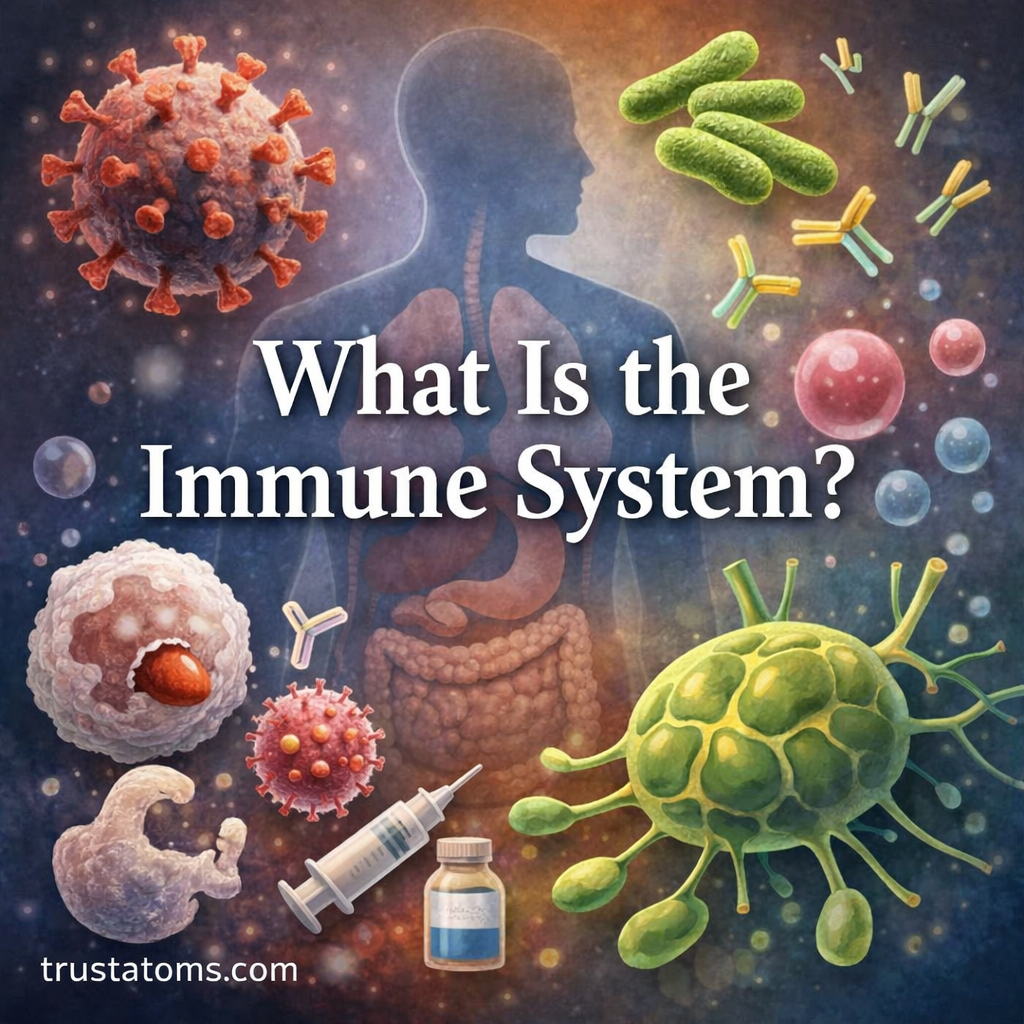
Illustration of the human immune system showing white blood cells, viruses, antibodies, and organs with a human body silhouette.
Simple diagram showing how the immune system protects the body from harmful invaders.

The immune system is a network of cells, tissues, organs, and protective molecules that defends the body against infections and other biological threats. It identifies potentially harmful substances, coordinates responses to eliminate or control them, and can develop lasting memory of specific pathogens.

Unlike a single organ, the immune system operates throughout the body, from the skin and bloodstream to the bone marrow and lymph nodes. Understanding these structures is an important part of human anatomy because immune defenses interact with nearly every organ system.

Immune protection depends on two coordinated forms of defense: innate immunity, which responds rapidly to common signs of danger, and adaptive immunity, which recognizes particular targets and can provide long-term protection after infection or vaccination.

Continue reading “What Is the Immune System?”
Circadian Rhythms and Hormonal Cycles

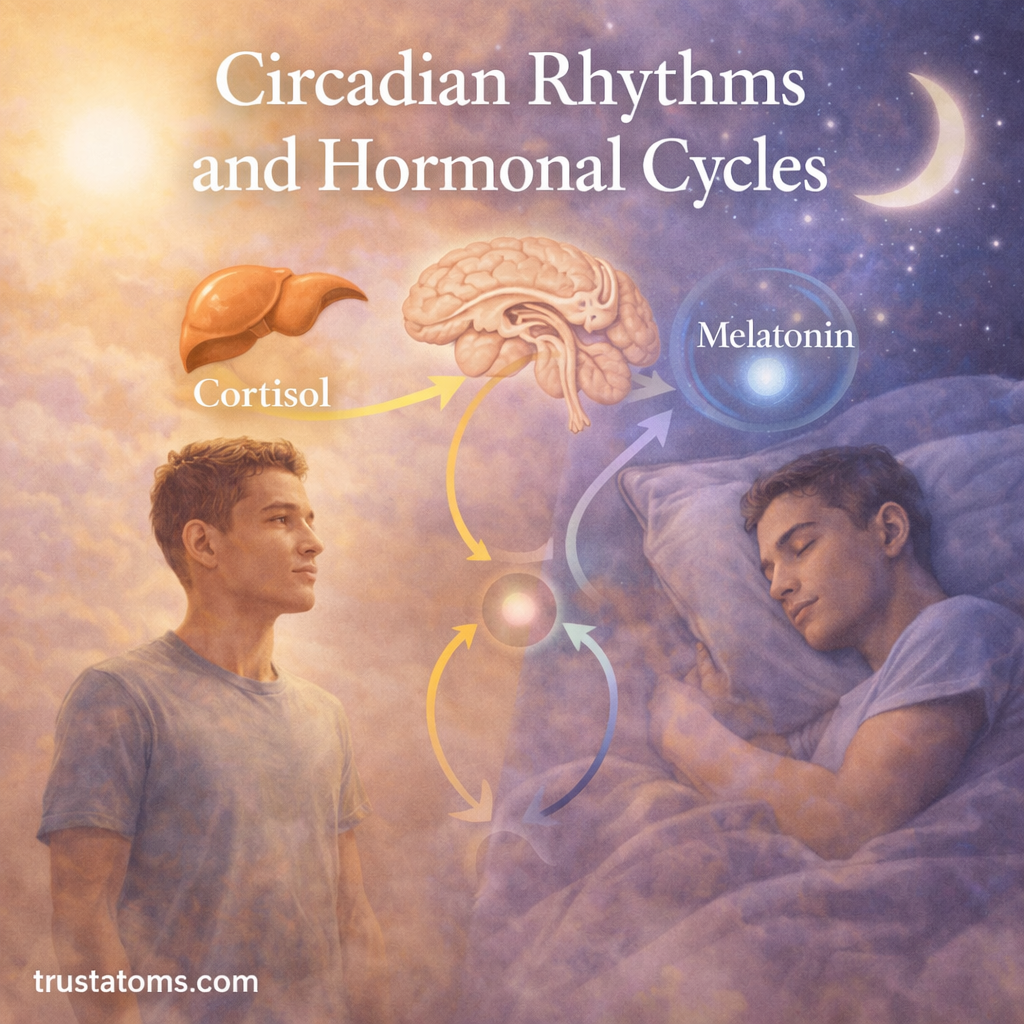
Illustration showing circadian rhythms and hormonal cycles with day and night cycle, brain activity, cortisol and melatonin.
Circadian rhythms regulating hormonal cycles through day and night changes in cortisol and melatonin.

Circadian rhythms are internal biological cycles that repeat approximately every 24 hours and help regulate when hormones are released. These rhythms coordinate processes such as sleep, alertness, metabolism, and body temperature, with light and darkness providing important signals that keep the body’s internal clock synchronized with the environment.

Hormones do not circulate at constant levels throughout the day. Understanding their changing patterns connects the brain, endocrine glands, and other structures studied in human anatomy, showing how the body prepares for different activities at different times.

Continue reading “Circadian Rhythms and Hormonal Cycles”

Endocrine Control of Growth and Puberty

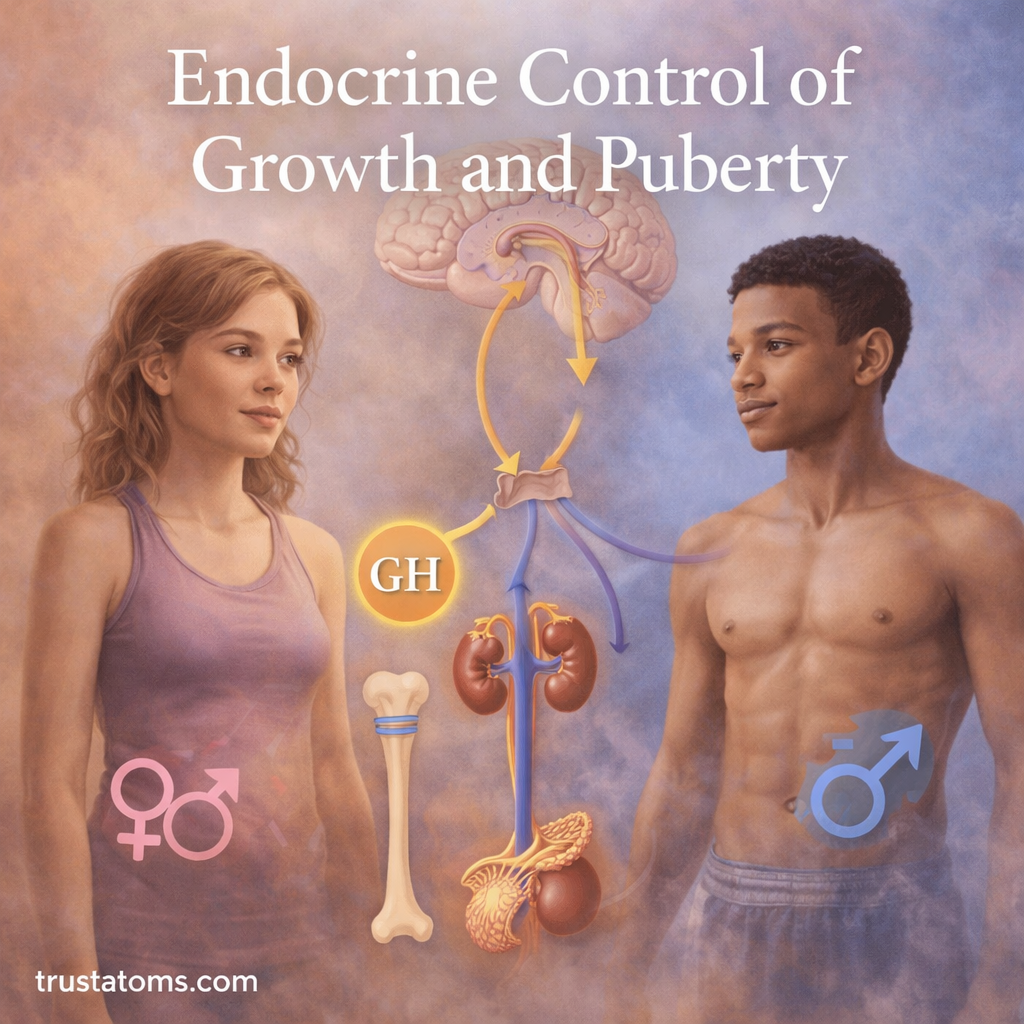
Illustration showing endocrine control of growth and puberty with brain, hormones, and developing male and female bodies.
Endocrine system regulating growth and puberty through hormones and developmental changes.

Growth and puberty are complex biological processes controlled by the endocrine system. Hormones released by the hypothalamus, pituitary gland, thyroid, adrenal glands, and reproductive organs regulate bone growth, metabolism, sexual maturation, and the transition from childhood to adulthood.

These changes demonstrate how hormone-producing organs coordinate development across different structures in human anatomy. Although growth and puberty follow recognizable patterns, their timing varies with genetics, nutrition, health, and individual hormonal regulation.

Continue reading “Endocrine Control of Growth and Puberty”

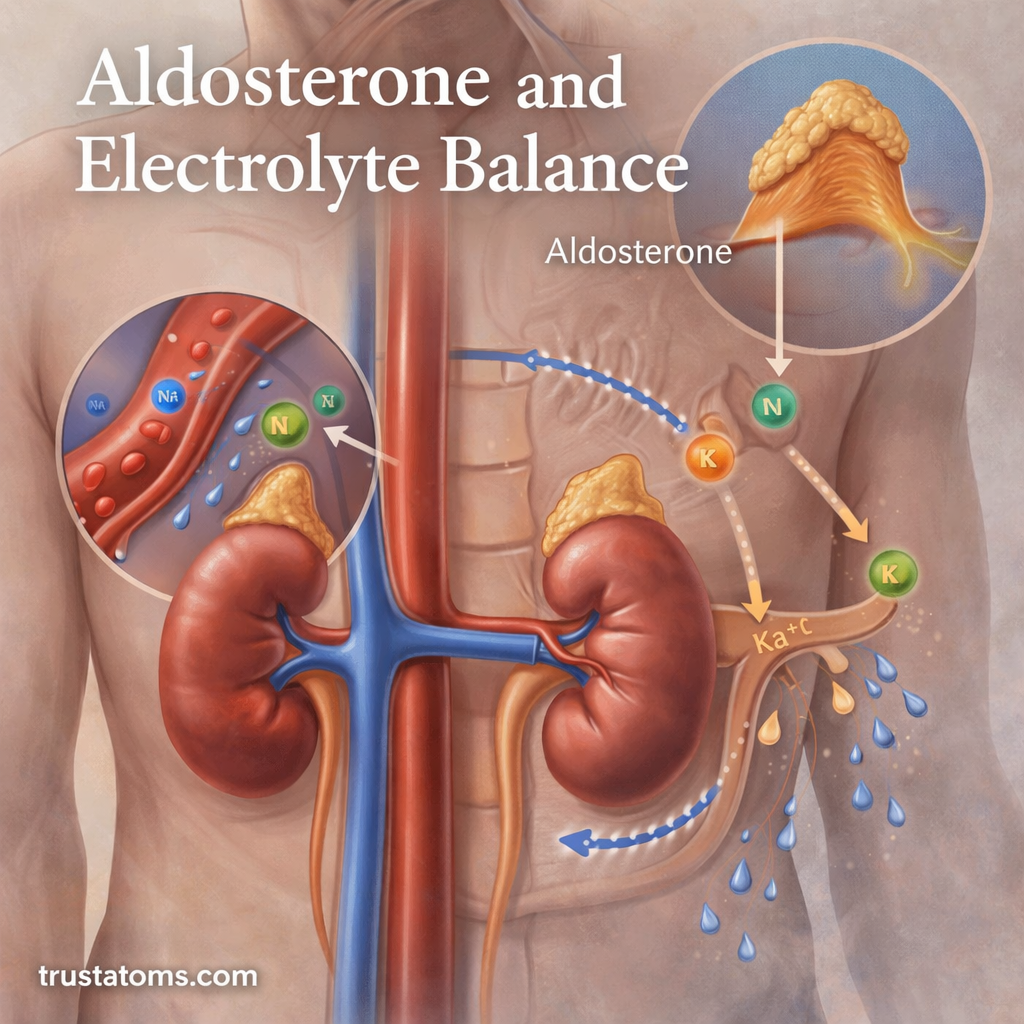
Aldosterone and Electrolyte Balance

Illustration showing aldosterone regulation of sodium and potassium balance through kidneys and adrenal glands.
Aldosterone regulating sodium and potassium balance through the kidneys and adrenal glands.

Aldosterone is a hormone that helps maintain electrolyte balance by directing the kidneys to retain sodium and excrete potassium. Because sodium retention influences how much water the body keeps, aldosterone also helps regulate blood volume and blood pressure.

This connection between hormones, kidneys, and circulation is an example of homeostasis in human anatomy. When blood pressure falls or potassium levels rise, aldosterone secretion can increase to help restore internal balance.

Continue reading “Aldosterone and Electrolyte Balance”

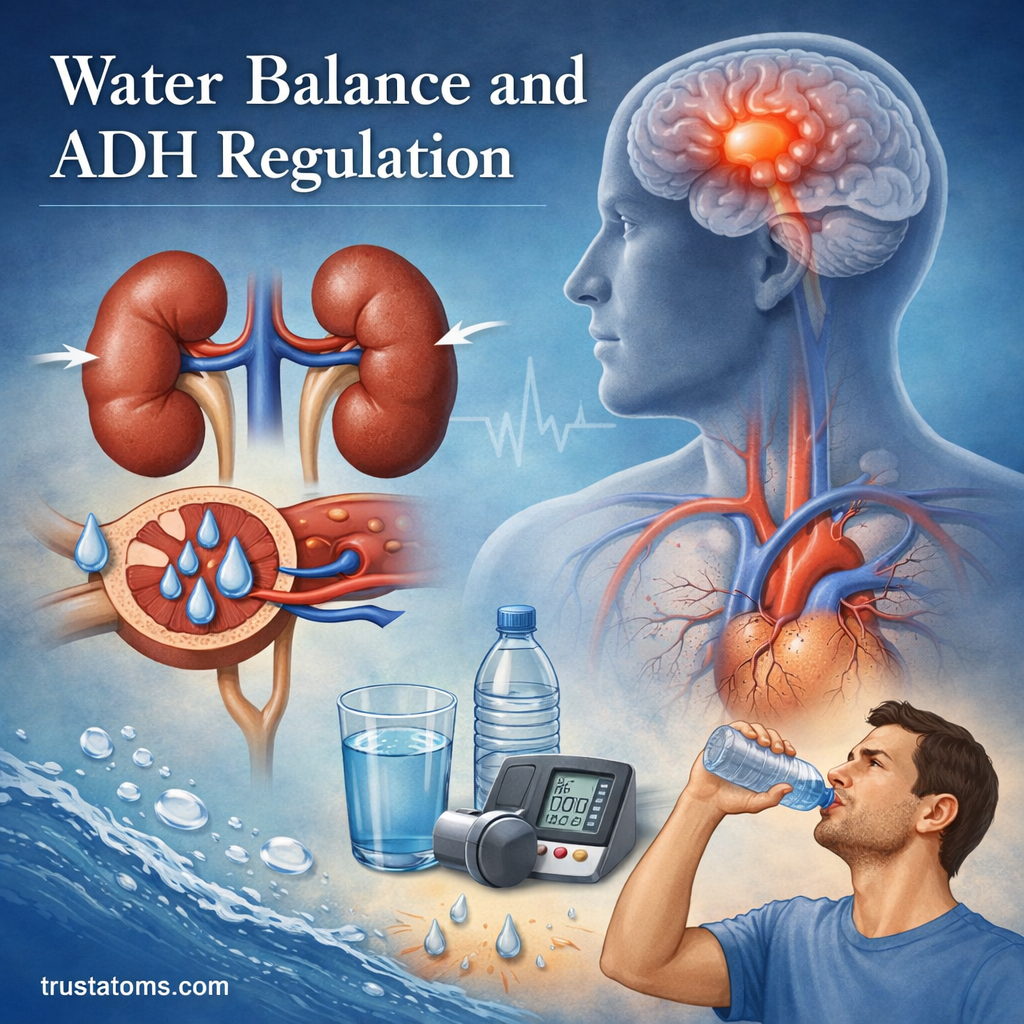
Water Balance and ADH Regulation

Illustration showing water balance and ADH regulation with kidneys, brain hypothalamus, and hydration process.
Water balance and ADH regulation illustrated through kidney function, brain signaling, and hydration.

Water balance is a critical part of human physiology, ensuring that cells function properly, blood pressure remains stable, and essential biochemical processes occur efficiently. One of the key regulators of this balance is antidiuretic hormone (ADH), also known as vasopressin.

This article explains how the body maintains water balance and the central role ADH plays in regulating fluid levels.

Continue reading “Water Balance and ADH Regulation”

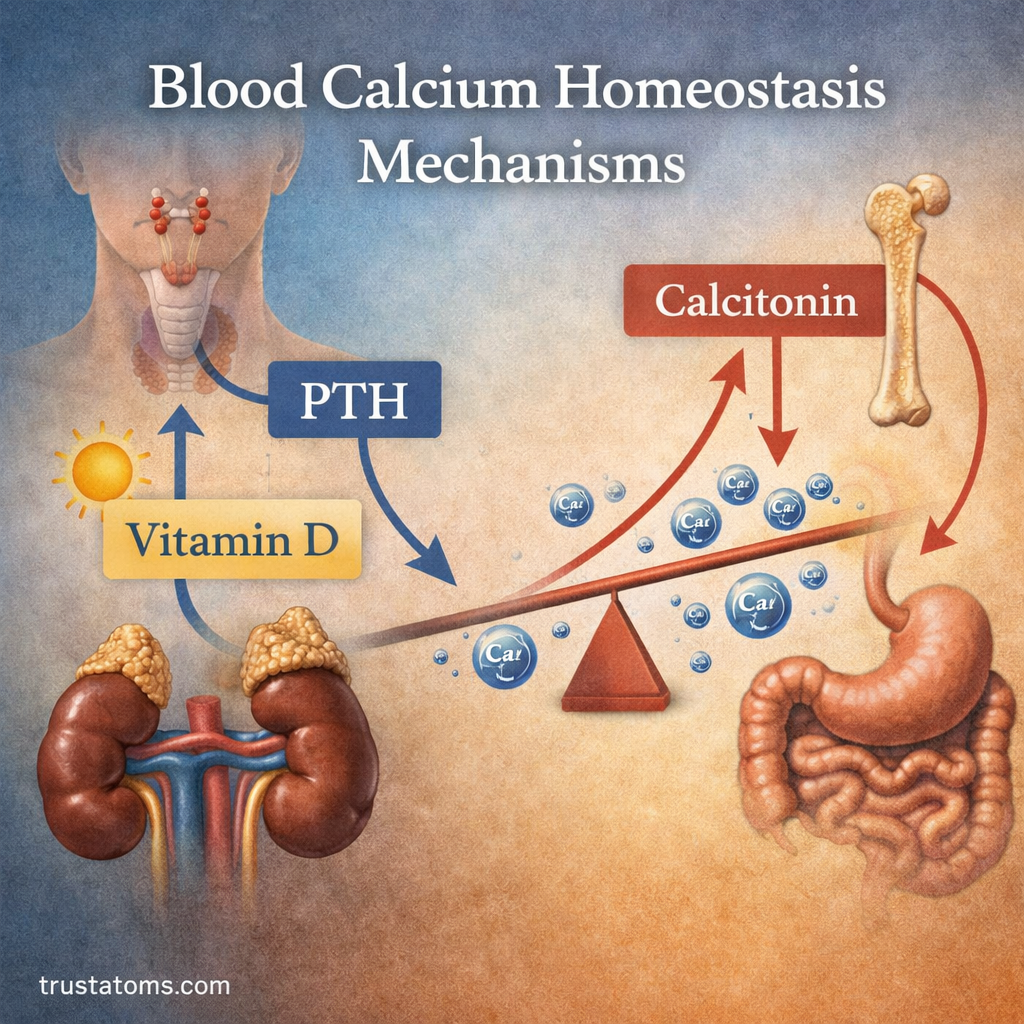
Blood Calcium Homeostasis Mechanisms

Diagram showing blood calcium regulation involving parathyroid hormone, calcitonin, vitamin D, and organs like bones, kidneys, and intestines.
Parathyroid hormone, active vitamin D, and coordinated responses from bones, kidneys, and intestines help maintain blood calcium levels.

Blood calcium homeostasis is the process by which the body maintains calcium concentrations within a narrow range using hormones, bones, kidneys, and intestines. When blood calcium falls or rises, feedback mechanisms adjust calcium release, absorption, and excretion to restore balance.

Calcium is necessary for nerve signaling, muscle contraction, blood clotting, and normal heart function. Understanding these regulatory mechanisms connects human anatomy with physiology by showing how different organs cooperate to maintain a stable internal environment.

Continue reading “Blood Calcium Homeostasis Mechanisms”

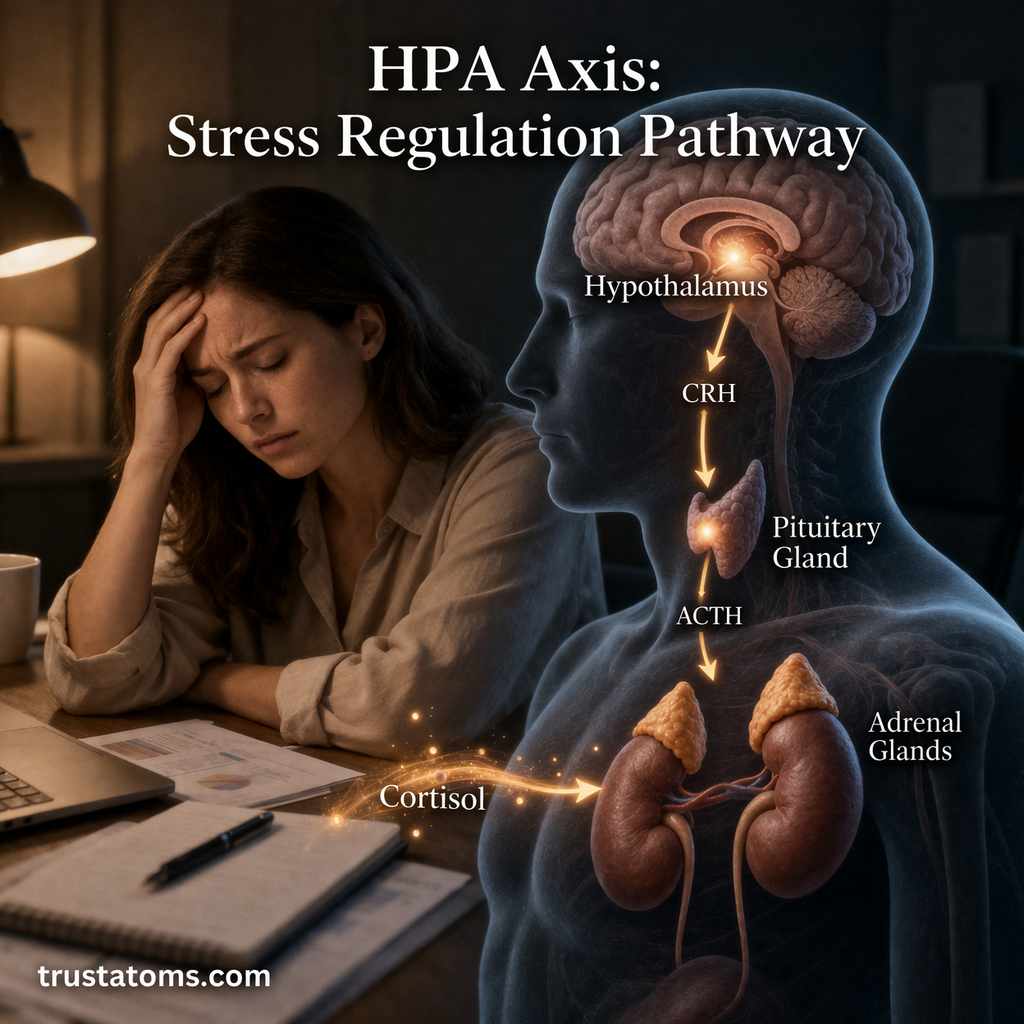
HPA Axis: Stress Regulation Pathway

Illustration showing the HPA axis with hypothalamus, pituitary gland, adrenal glands, and cortisol release during stress.
Visual representation of the HPA axis and how the body regulates stress through hormonal signaling.

The hypothalamic-pituitary-adrenal (HPA) axis is a hormonal pathway that regulates the body’s response to stress. It connects the hypothalamus, pituitary gland, and adrenal glands through chemical signals that control cortisol release and help the body adapt to challenges.

Understanding this pathway connects human anatomy with the functions of the nervous and endocrine systems. Whether someone is preparing for an exam, recovering from illness, or responding to danger, the HPA axis adjusts hormone activity to meet changing demands.

Continue reading “HPA Axis: Stress Regulation Pathway”

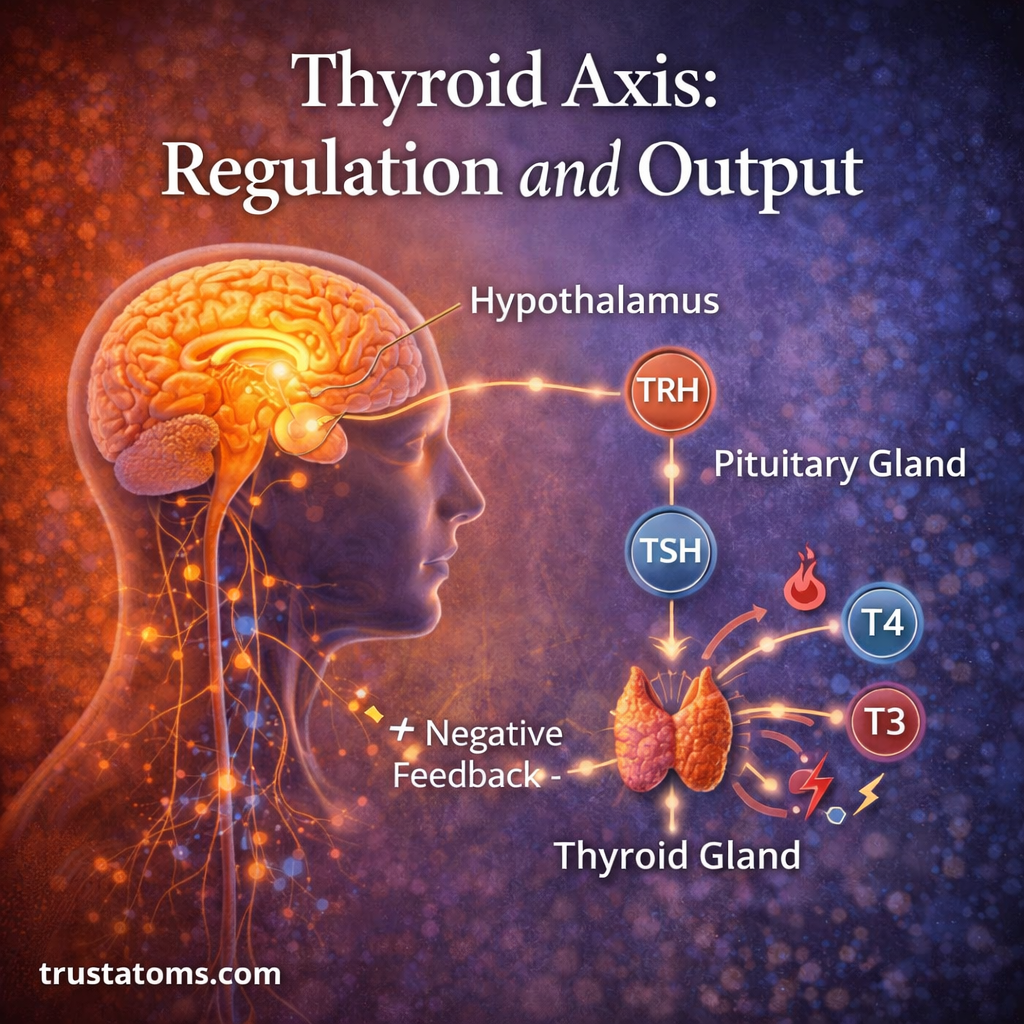
Thyroid Axis: Regulation and Output

Diagram showing the thyroid axis with hypothalamus, pituitary gland, and thyroid producing T3 and T4 hormones.
Illustration of the hypothalamic-pituitary-thyroid axis regulating hormone production and metabolism. trustatoms.com

The thyroid axis is one of the most important hormonal systems in the human body, responsible for regulating metabolism, energy production, and overall physiological balance. Also known as the hypothalamic-pituitary-thyroid (HPT) axis, this system coordinates communication between the brain and the thyroid gland to maintain stable hormone levels.

Understanding how this axis works helps explain how the body controls energy use, body temperature, and even heart rate.

Continue reading “Thyroid Axis: Regulation and Output”

Leptin and Ghrelin in Hunger Signaling

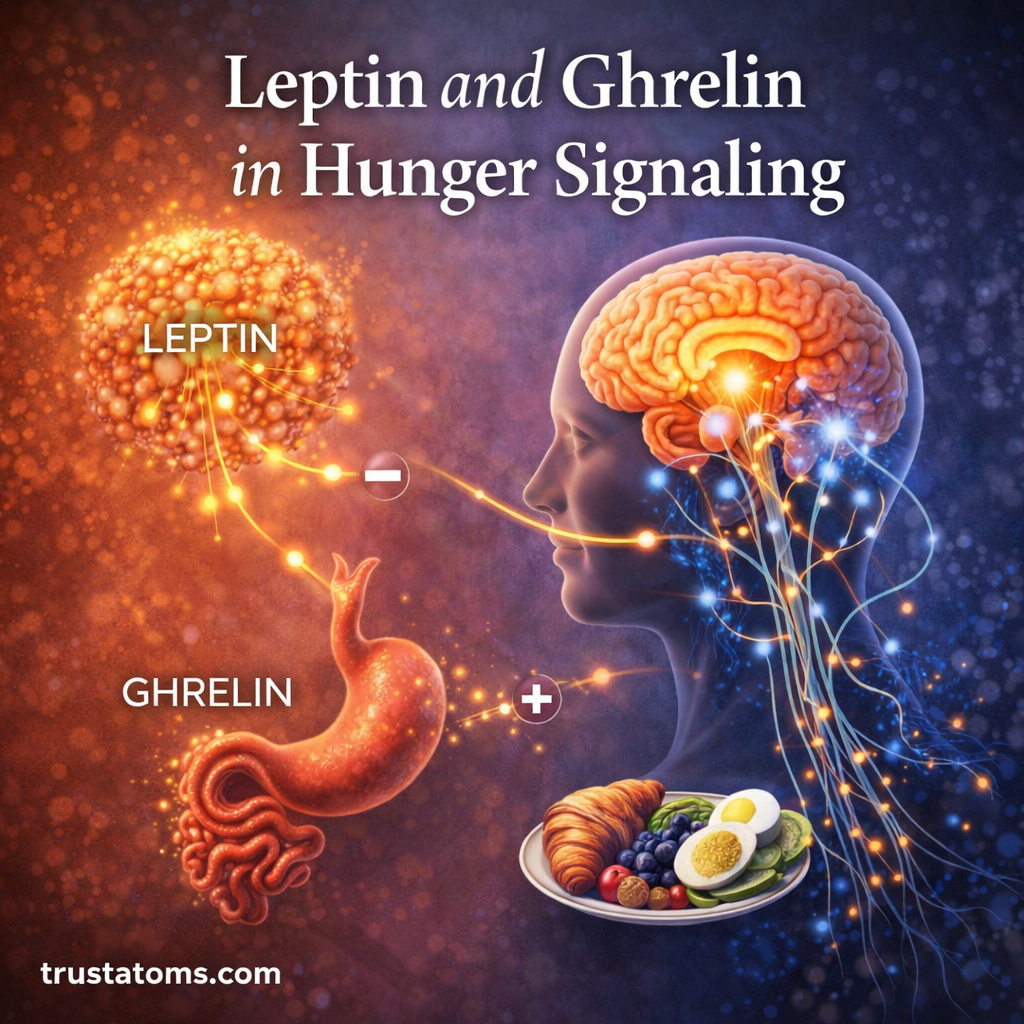
Illustration showing leptin and ghrelin hormones regulating hunger signals between fat cells, stomach, and brain.
Ghrelin from the stomach stimulates hunger, while leptin from fat tissue informs the brain about the body’s stored energy.

Leptin and ghrelin are hormones that help regulate hunger and energy balance by sending information from the body to the brain. Ghrelin generally increases the desire to eat, while leptin signals the availability of stored energy and helps regulate appetite over longer periods.

These hormones connect the digestive system, fat tissue, and brain through a network of chemical signals. Understanding their functions links human anatomy with the physiology of appetite, metabolism, and body weight regulation.

Continue reading “Leptin and Ghrelin in Hunger Signaling”

Endocrine Regulation of Appetite

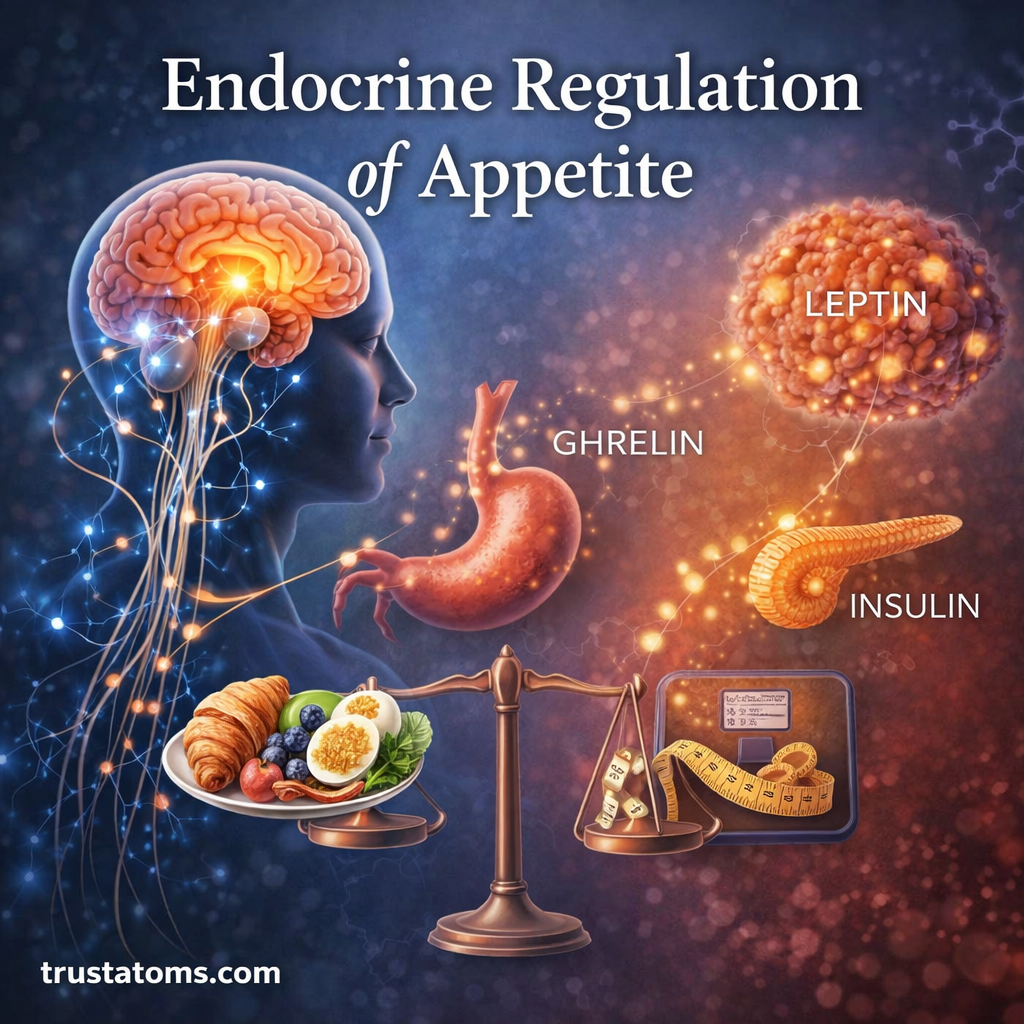
Illustration of endocrine regulation of appetite showing brain signals, stomach, and hormones like ghrelin, leptin, and insulin.
Visual representation of how hormones regulate hunger and satiety through the brain and digestive system.

Endocrine regulation of appetite is the process by which hormones from the stomach, intestines, pancreas, and fat tissue communicate with the brain to influence hunger, fullness, and food intake. Ghrelin generally stimulates hunger, while hormones such as leptin, insulin, peptide YY (PYY), and cholecystokinin (CCK) help the brain assess energy availability and respond to meals.

This coordination connects several organs studied in human anatomy, particularly the digestive and endocrine systems. Appetite also responds to food preferences, emotions, sleep, and environmental cues, so hormone signals influence eating behavior without determining it completely.

Continue reading “Endocrine Regulation of Appetite”