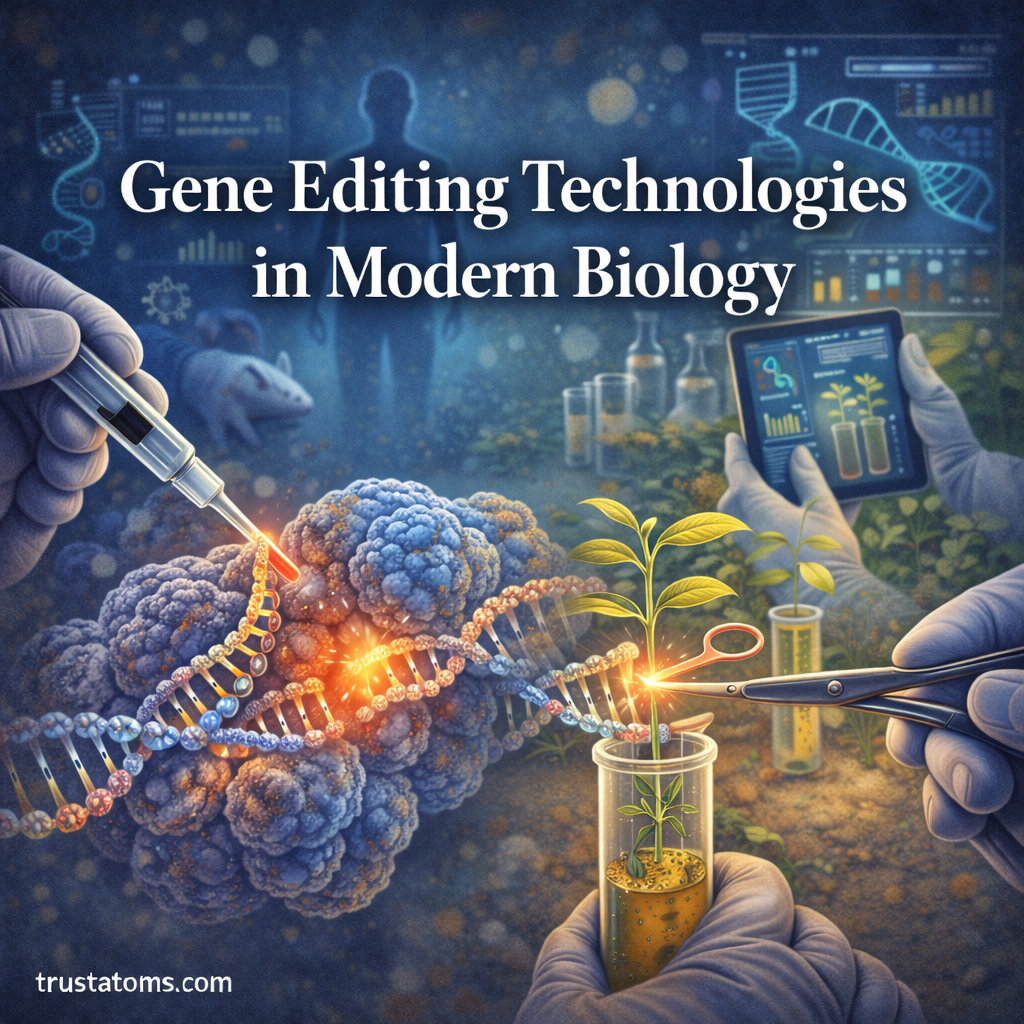
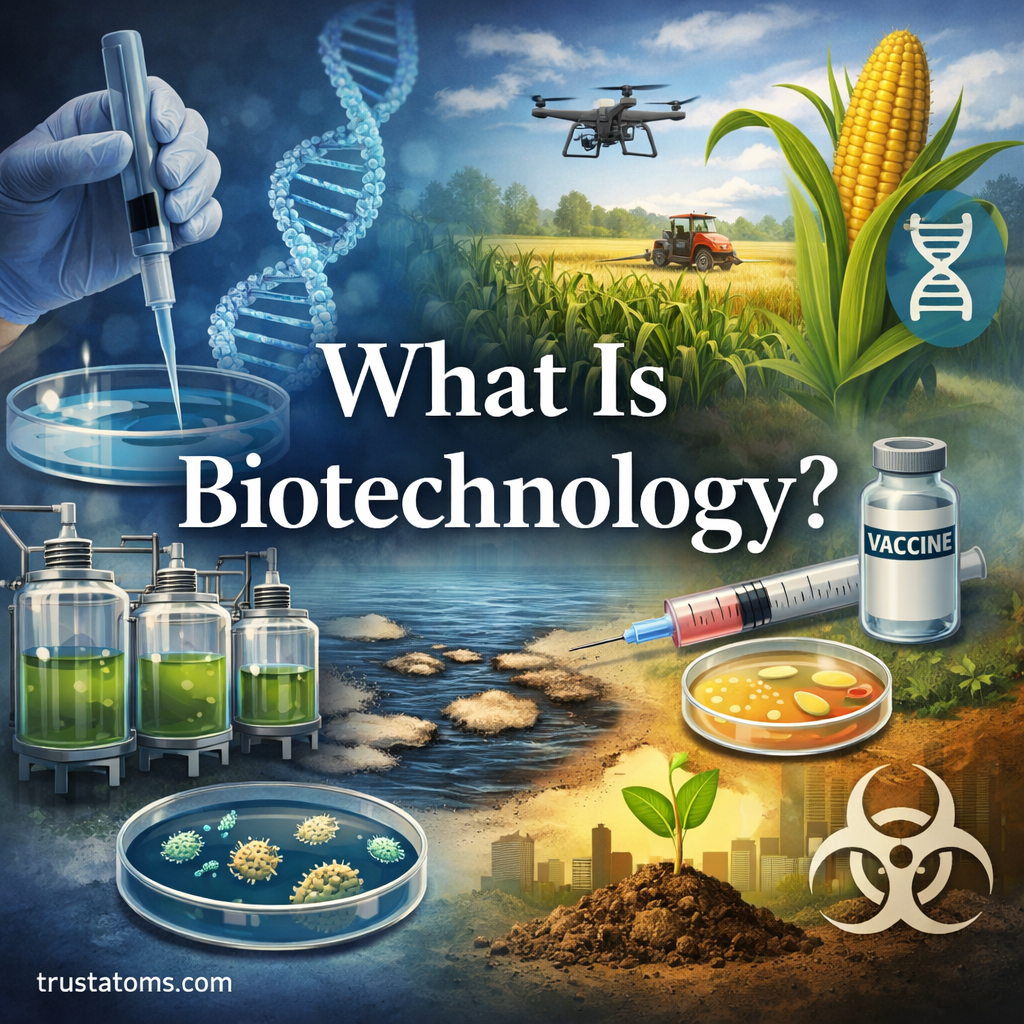
Biotechnology has transformed modern medicine by allowing scientists to use living cells, biological molecules, and genetic technologies to diagnose, treat, and prevent diseases. From life-saving vaccines to advanced gene therapies, biotechnology plays a central role in many of the medical innovations used today.
Medical biotechnology combines biology, genetics, molecular science, and technology to create treatments that improve human health. These technologies allow scientists to better understand diseases and develop targeted therapies that were not possible in the past.
Today, biotechnology is used in areas such as drug development, genetic testing, vaccine production, and personalized medicine.
Continue reading “Biotechnology Applications in Medicine”