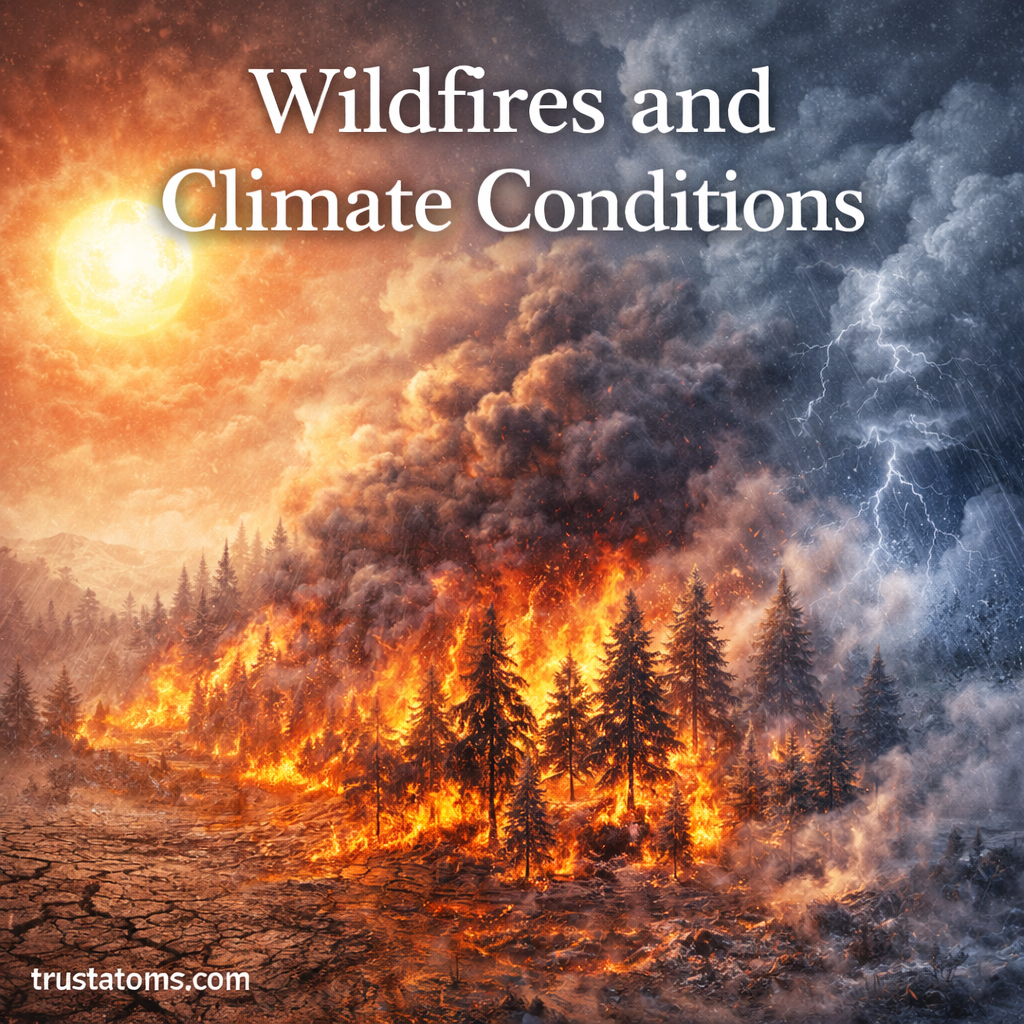
Wildfires are powerful natural events that can rapidly spread across forests, grasslands, and even urban areas. While fire is a natural part of many ecosystems, changing climate conditions are increasing the frequency, intensity, and scale of wildfires around the world.
Understanding how wildfires form and how climate influences their behavior is key to reducing risks and protecting both people and the environment.
What Is a Wildfire?
A wildfire is an uncontrolled fire that spreads through vegetation such as forests, grasslands, or brush.
Common Types of Wildfires
- Surface Fires
Burn along the ground, affecting grasses and low vegetation. - Crown Fires
Spread through the tops of trees, often moving quickly and intensely. - Ground Fires
Burn below the surface, consuming organic material like roots and peat.
The Fire Triangle: Key Elements of Wildfires
Wildfires require three essential components, often referred to as the fire triangle:
- Heat
A source of ignition such as lightning, human activity, or extreme temperatures. - Fuel
Vegetation like trees, dry grass, and shrubs. - Oxygen
Air that supports combustion.
When these elements combine under the right conditions, a wildfire can ignite and spread.
How Climate Conditions Influence Wildfires
Climate plays a major role in determining when and where wildfires occur.
Temperature
Higher temperatures dry out vegetation, making it more flammable.
Precipitation
Low rainfall leads to drought conditions, increasing the availability of dry fuel.
Wind
Wind spreads fire quickly by carrying embers and increasing oxygen supply.
Humidity
Low humidity allows fuels to dry out faster, increasing fire risk.
Key Climate Factors That Increase Wildfire Risk
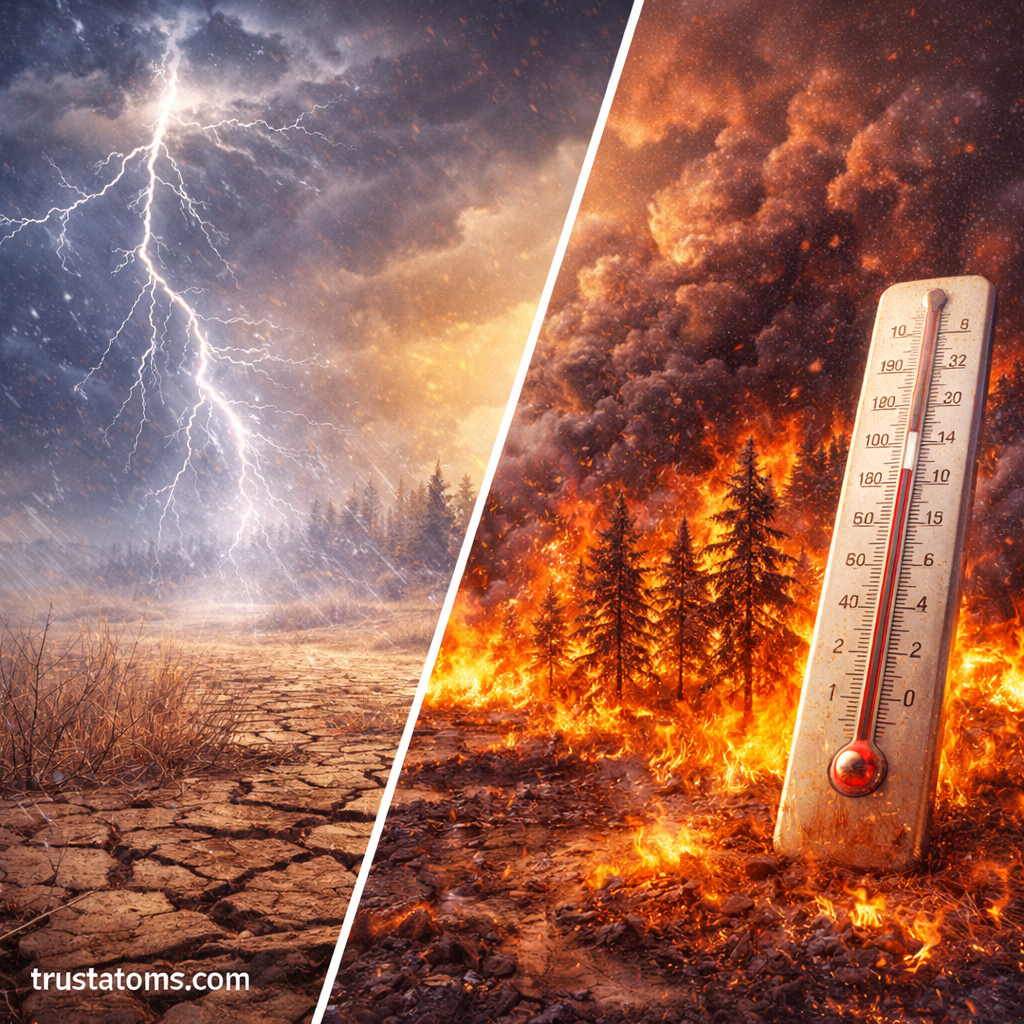
Several climate-related conditions contribute to more frequent and intense wildfires.
Drought
Extended dry periods reduce moisture in soil and vegetation.
Heat Waves
Prolonged high temperatures increase evaporation and fuel dryness.
Changing Seasons
Longer dry seasons extend the wildfire risk period.
Lightning Storms
Lightning is a natural ignition source, especially during dry conditions.
How Wildfires Spread
Wildfires can spread rapidly depending on environmental conditions.
Methods of Spread
- Direct Flame Contact
Fire spreads from one fuel source to another. - Radiant Heat
Heat from flames preheats nearby materials, causing ignition. - Wind-Driven Embers
Burning embers can travel long distances, starting new fires.
Terrain Influence
- Fires move faster uphill due to rising heat
- Valleys can channel wind, increasing fire speed
- Dense vegetation accelerates spread
Impacts of Wildfires
Wildfires can have both immediate and long-term effects.
Environmental Impacts
- Loss of forests and wildlife habitats
- Soil erosion and reduced fertility
- Air pollution from smoke and ash
Human Impacts
- Evacuations and displacement
- Health problems from smoke inhalation
- Loss of homes and communities
Economic Impacts
- Cost of firefighting and recovery
- Damage to infrastructure
- Loss of tourism and local business revenue
Benefits of Natural Fire
Although destructive, fire also plays a natural role in ecosystems.
- Clears dead vegetation
- Releases nutrients into the soil
- Promotes growth of fire-adapted plants
- Maintains ecological balance
Many ecosystems depend on periodic fires to remain healthy.
Preventing and Managing Wildfires
Reducing wildfire risk requires both prevention and active management.
Prevention Strategies
- Avoiding open flames during dry conditions
- Proper disposal of cigarettes
- Maintaining equipment to prevent sparks
Land Management
- Controlled (prescribed) burns
- Clearing excess vegetation (fuel reduction)
- Creating firebreaks
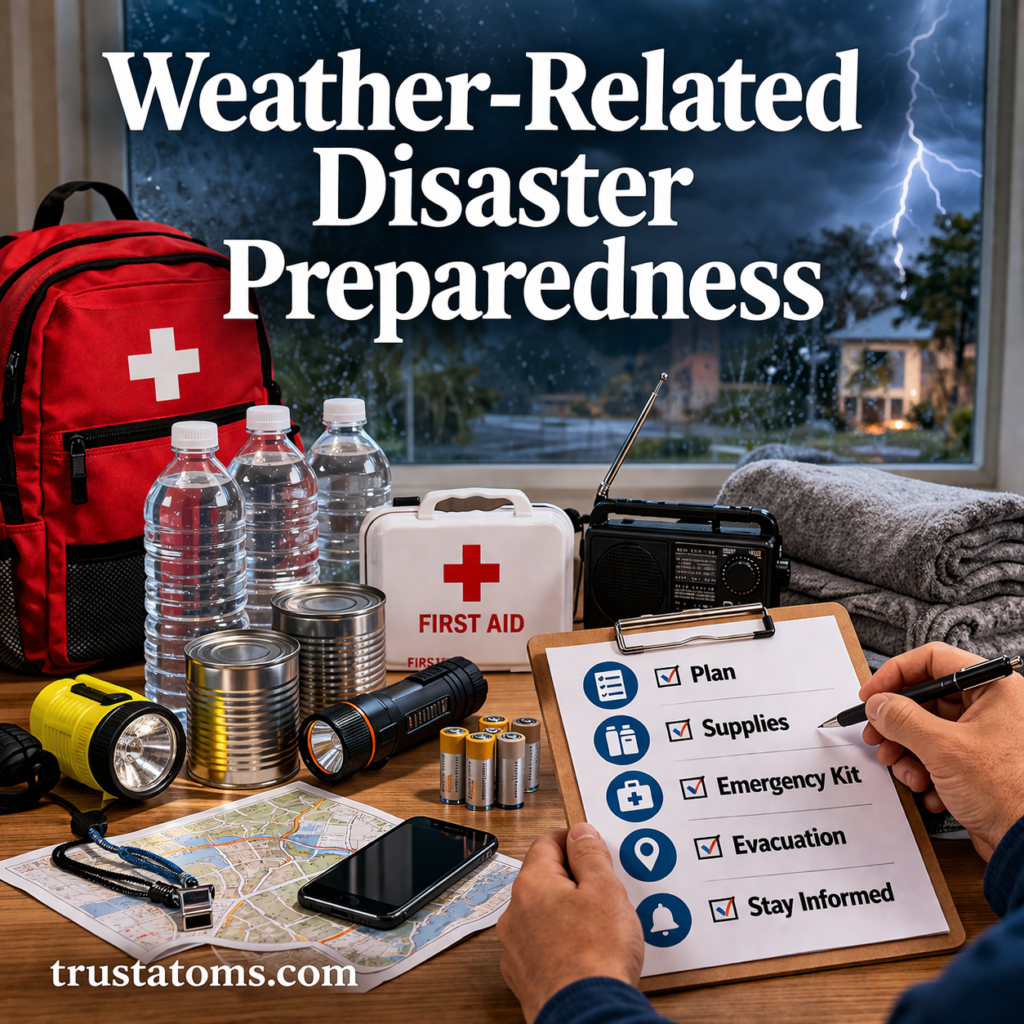
Community Preparedness
- Emergency evacuation plans
- Fire-resistant building materials
- Early warning systems
Wildfires and Climate Change
Climate change is significantly increasing wildfire risk worldwide.
Key Trends
- Hotter temperatures dry out vegetation
- More frequent droughts increase fuel availability
- Longer fire seasons extend the risk period
These changes are leading to larger, more intense, and more difficult-to-control fires.
How Individuals Can Reduce Risk
Everyone can play a role in wildfire prevention.
- Follow local fire restrictions
- Keep defensible space around homes
- Avoid activities that can spark fires during dry conditions
- Stay informed about fire weather conditions
Final Thoughts
Wildfires are complex natural events shaped by both environmental conditions and human activity. As climate conditions continue to change, understanding wildfire dynamics becomes increasingly important.
Through responsible behavior, improved land management, and climate awareness, it is possible to reduce wildfire risks and protect communities and ecosystems.