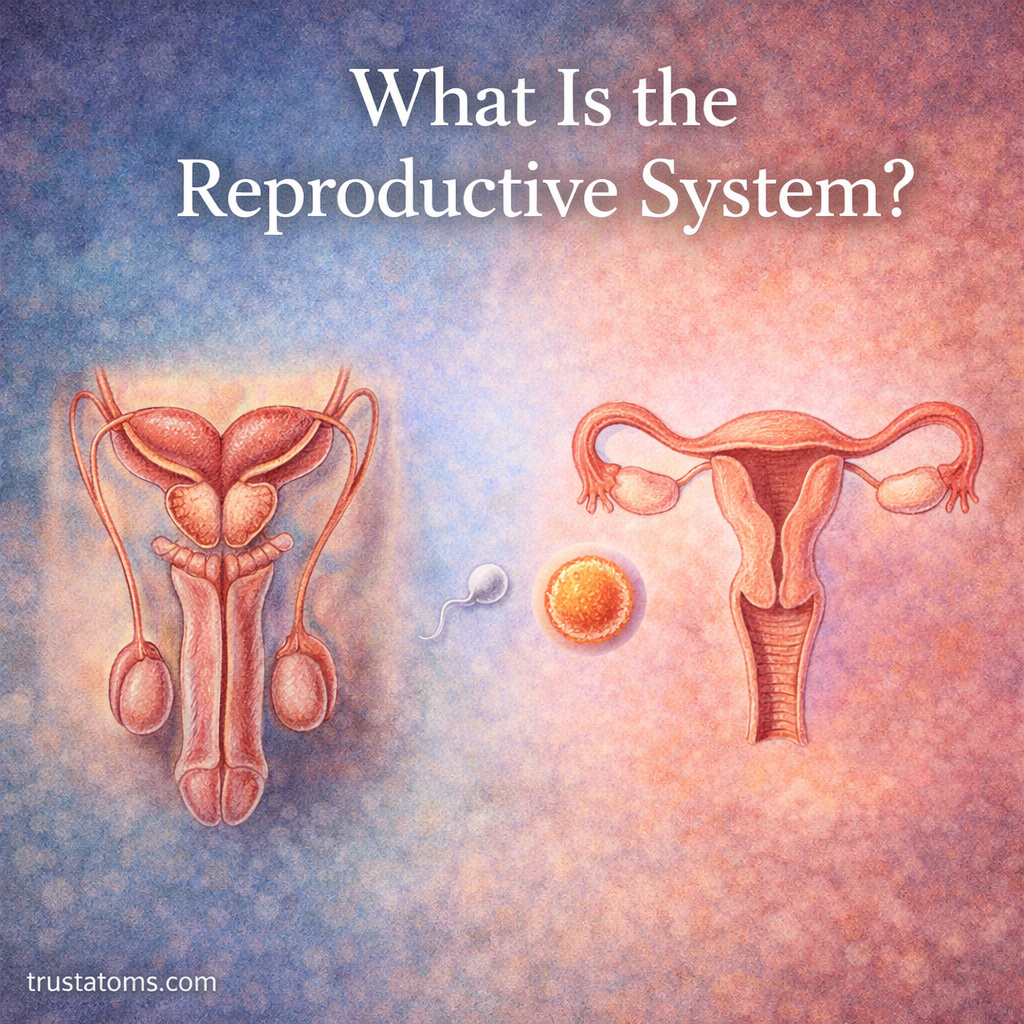
What Is the Reproductive System?

Illustration showing male and female reproductive systems with sperm and egg cells in the center.
Illustration of the male and female reproductive systems with sperm and egg cells. trustatoms.com.

The reproductive system is a group of organs and structures responsible for producing offspring. It enables the creation of new life through the production of reproductive cells (gametes), fertilization, and, in females, the development of a fetus.

Beyond reproduction, this system also plays a major role in hormone production, sexual development, and overall health.

Continue reading “What Is the Reproductive System?”
Immune Regulation and Homeostasis

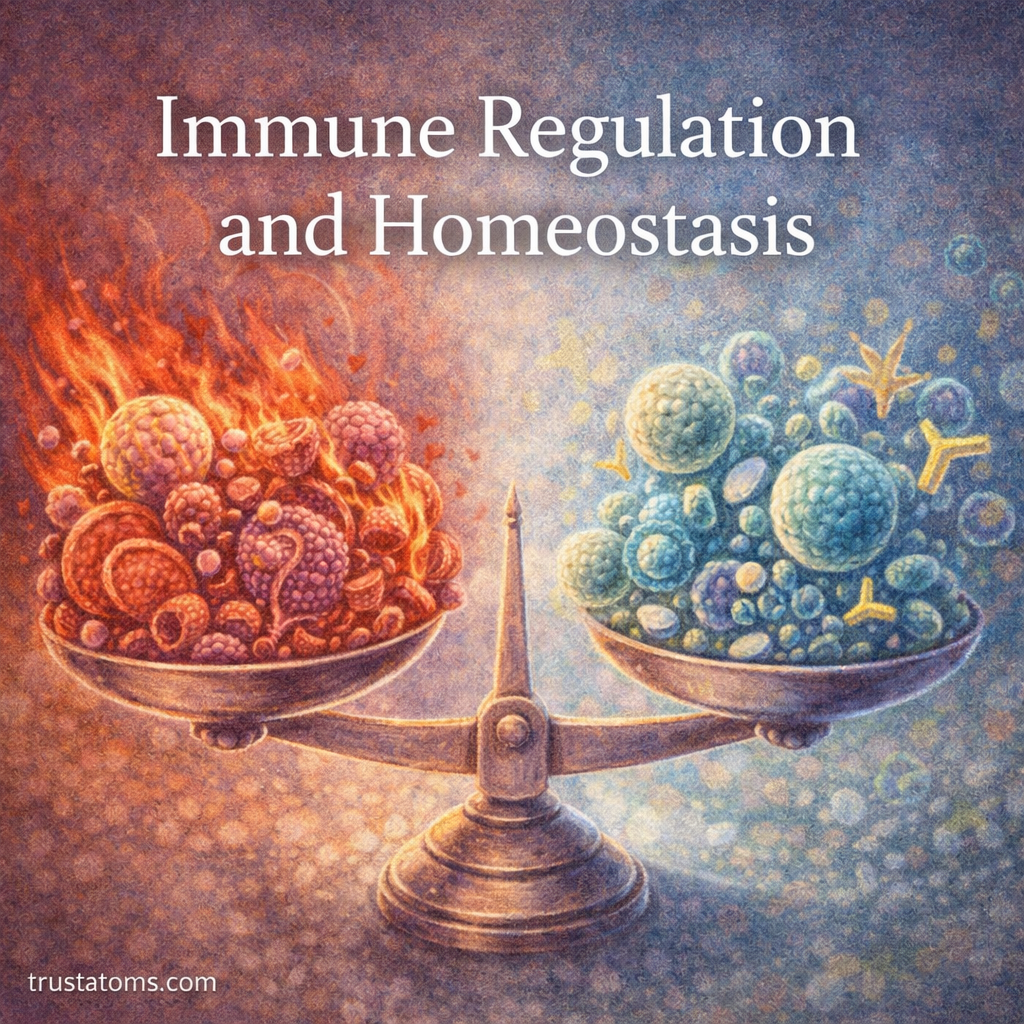
Illustration showing a balance scale representing immune regulation, with inflammation on one side and controlled immune response on the other.
Illustration of immune regulation and homeostasis showing balance between inflammation and immune control. trustatoms.com.

The immune system is constantly active—monitoring for threats, responding to infections, and repairing damage. But just as important as activating defenses is knowing when to slow down or stop. This balance is known as immune regulation, and it is essential for maintaining homeostasis, or the body’s internal stability.

Without proper regulation, the immune system can become either too weak or overly aggressive, leading to disease. Understanding how immune regulation works helps explain how the body maintains health in a constantly changing environment.

Continue reading “Immune Regulation and Homeostasis”

Immune System Integration with Circulation

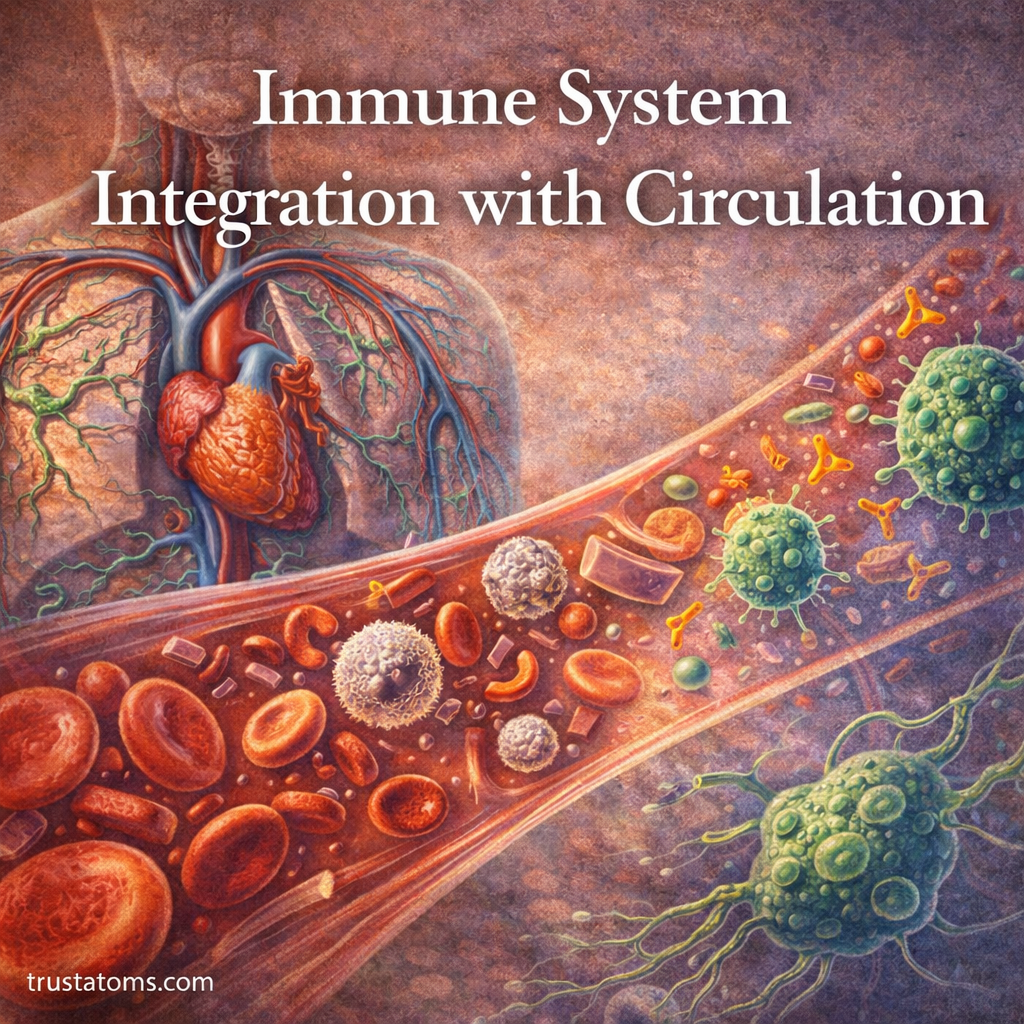
Illustration showing blood vessels carrying immune cells, antibodies, and pathogens to demonstrate immune system integration with circulation.
Illustration of immune system integration with circulation showing immune cells and blood flow. trustatoms.com.

The immune system does not operate in isolation. It relies heavily on the circulatory system to move cells, signals, and molecules throughout the body. This integration allows the body to detect threats quickly, coordinate responses, and deliver immune defenses exactly where they are needed.

Understanding how the immune system works with circulation reveals how the body maintains constant surveillance against infection and injury.

Continue reading “Immune System Integration with Circulation”

Antibacterial Defense Mechanisms

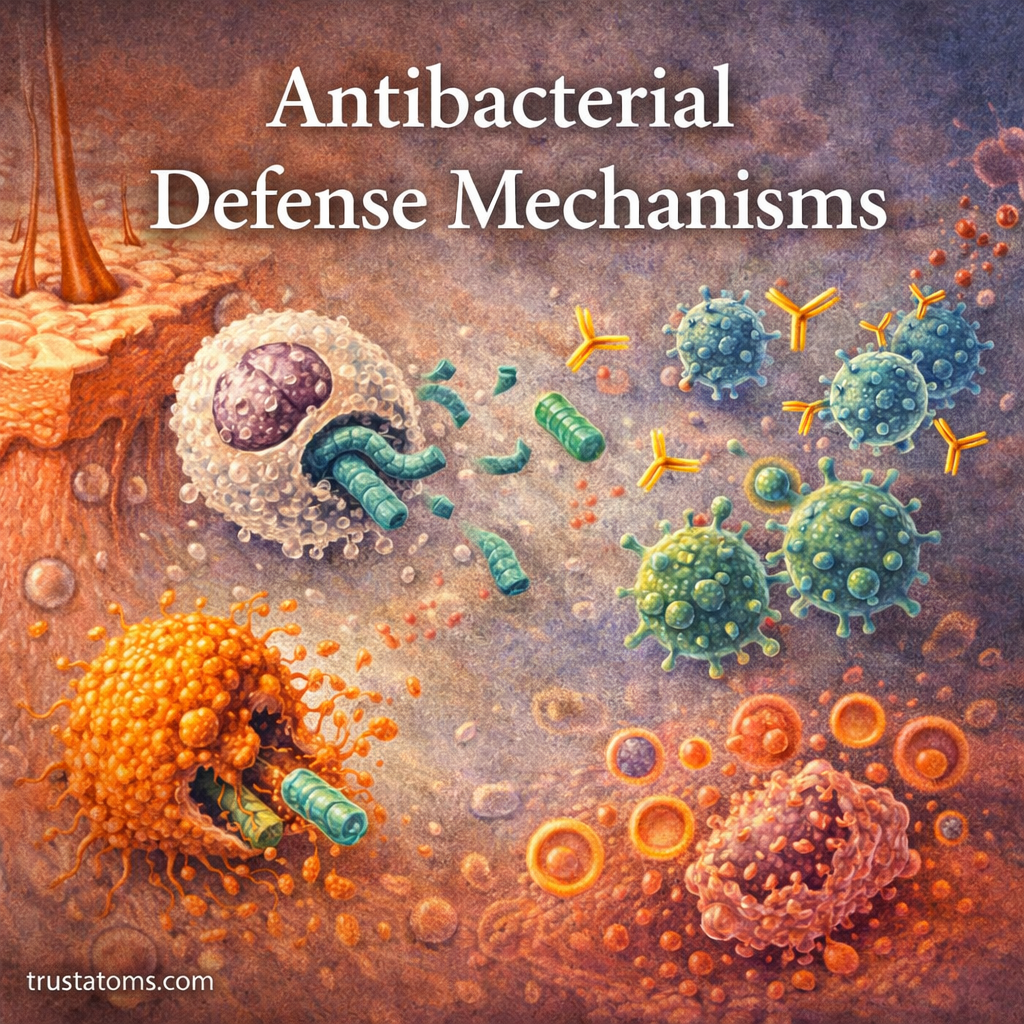
Illustration showing immune cells engulfing bacteria along with antibodies targeting bacterial pathogens.
Illustration of antibacterial defense mechanisms including immune cells and antibody response. trustatoms.com.

Bacteria are everywhere—on surfaces, in the air, and even inside the human body. While many are harmless or beneficial, harmful bacteria can cause infections if they enter the body. To prevent this, the immune system relies on a multi-layered set of antibacterial defense mechanisms designed to block, detect, and eliminate bacterial threats.

These defenses work together across physical barriers, rapid immune responses, and highly targeted adaptive immunity.

Continue reading “Antibacterial Defense Mechanisms”

Antiviral Defense Mechanisms

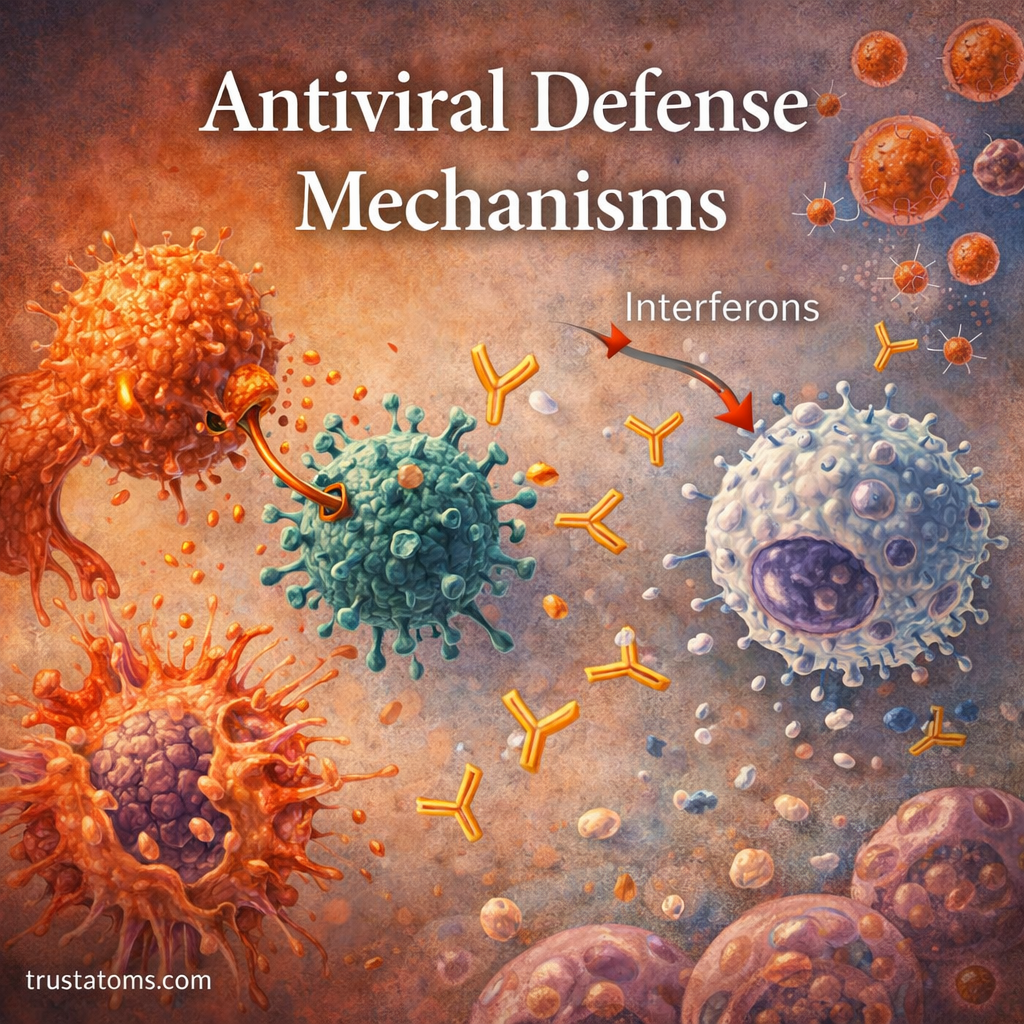
Illustration showing immune cells, antibodies, and viruses interacting during the body’s antiviral defense response.
Illustration of antiviral defense mechanisms and immune response to viral infection. trustatoms.com.

Viruses are unique pathogens that invade host cells and use them to replicate. Because they hide inside our own cells, the body must rely on highly specialized antiviral defense mechanisms to detect and eliminate them. These defenses involve both rapid, non-specific responses and highly targeted immune strategies.

Understanding how the body fights viruses reveals just how coordinated and sophisticated the immune system truly is.

Continue reading “Antiviral Defense Mechanisms”

Fever and Systemic Immune Response

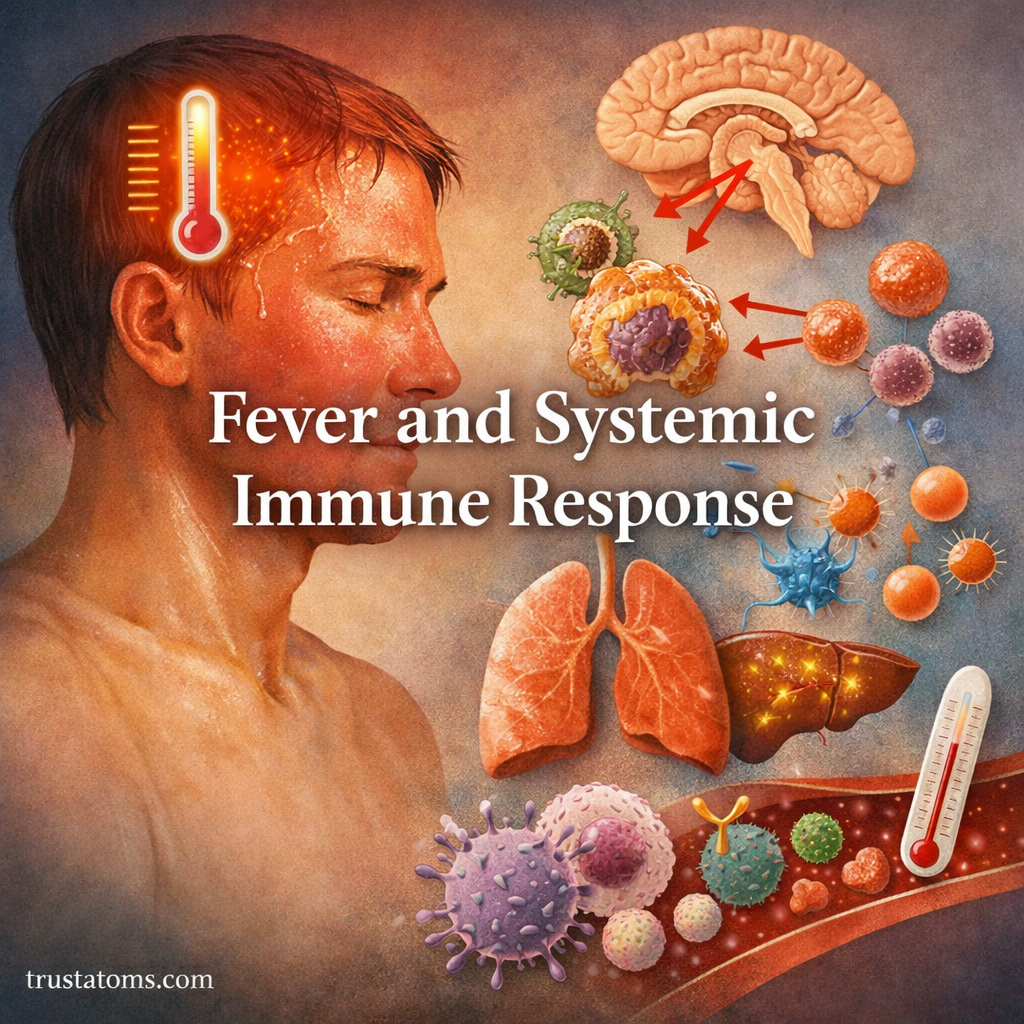
Illustration showing a person with fever alongside immune system response elements including brain signaling and immune cells.
Illustration of fever and the systemic immune response. trustatoms.com.

Fever is one of the body’s most recognizable signs that something isn’t right. While it may feel uncomfortable, fever is actually a powerful and coordinated defense mechanism triggered by the immune system. Understanding how fever works—and how it fits into the broader systemic immune response—helps explain why it plays such a critical role in fighting infections.

Continue reading “Fever and Systemic Immune Response”

Mucosal Immunity in Respiratory and Digestive Tracts

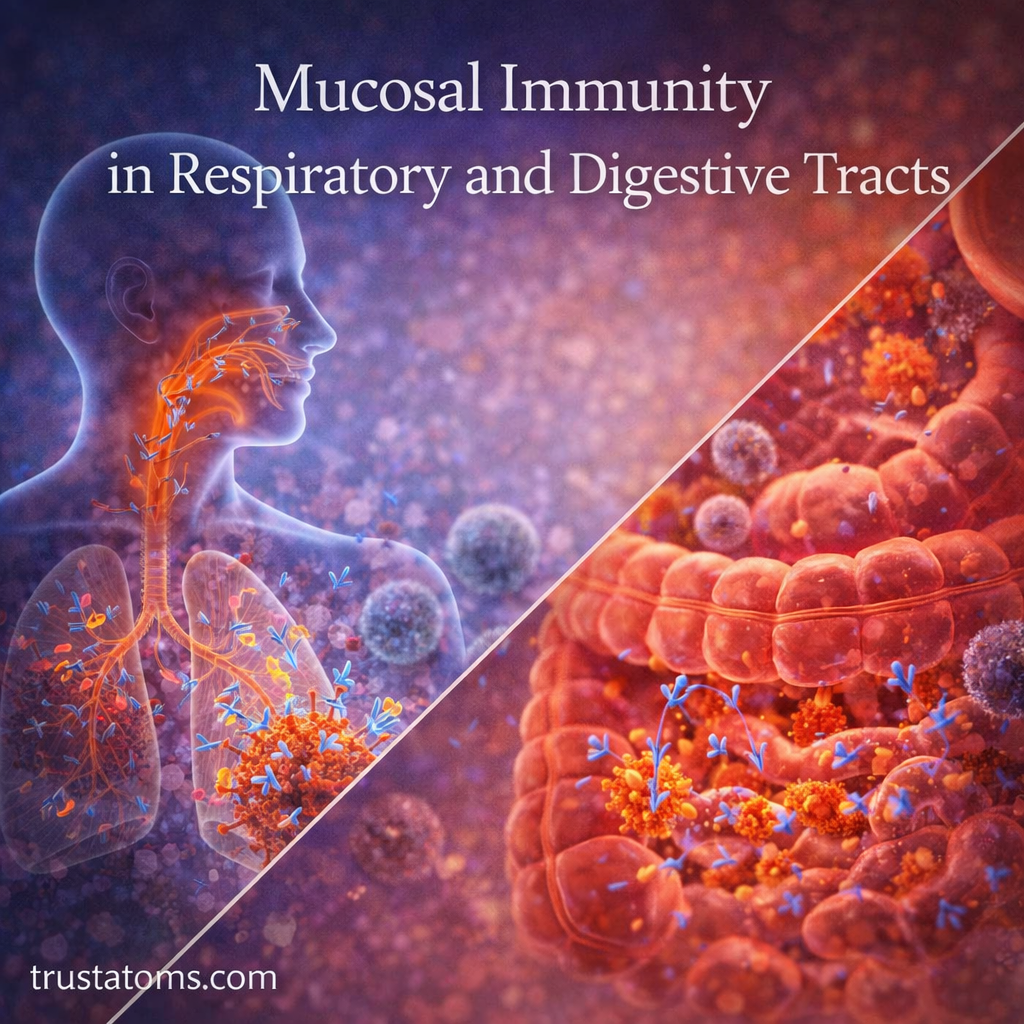
Illustration showing mucosal immunity in the respiratory and digestive tracts with immune defenses protecting lungs and intestines.
Mucosal immunity protecting the respiratory and digestive systems from pathogens. trustatoms.com.

The body is constantly exposed to the outside environment through surfaces like the lungs and the digestive system. These areas, known as mucosal surfaces, are primary entry points for pathogens such as viruses, bacteria, and toxins.

To protect these vulnerable regions, the body relies on mucosal immunity—a specialized branch of the immune system designed to defend the respiratory and digestive tracts while maintaining balance with harmless substances.

Continue reading “Mucosal Immunity in Respiratory and Digestive Tracts”

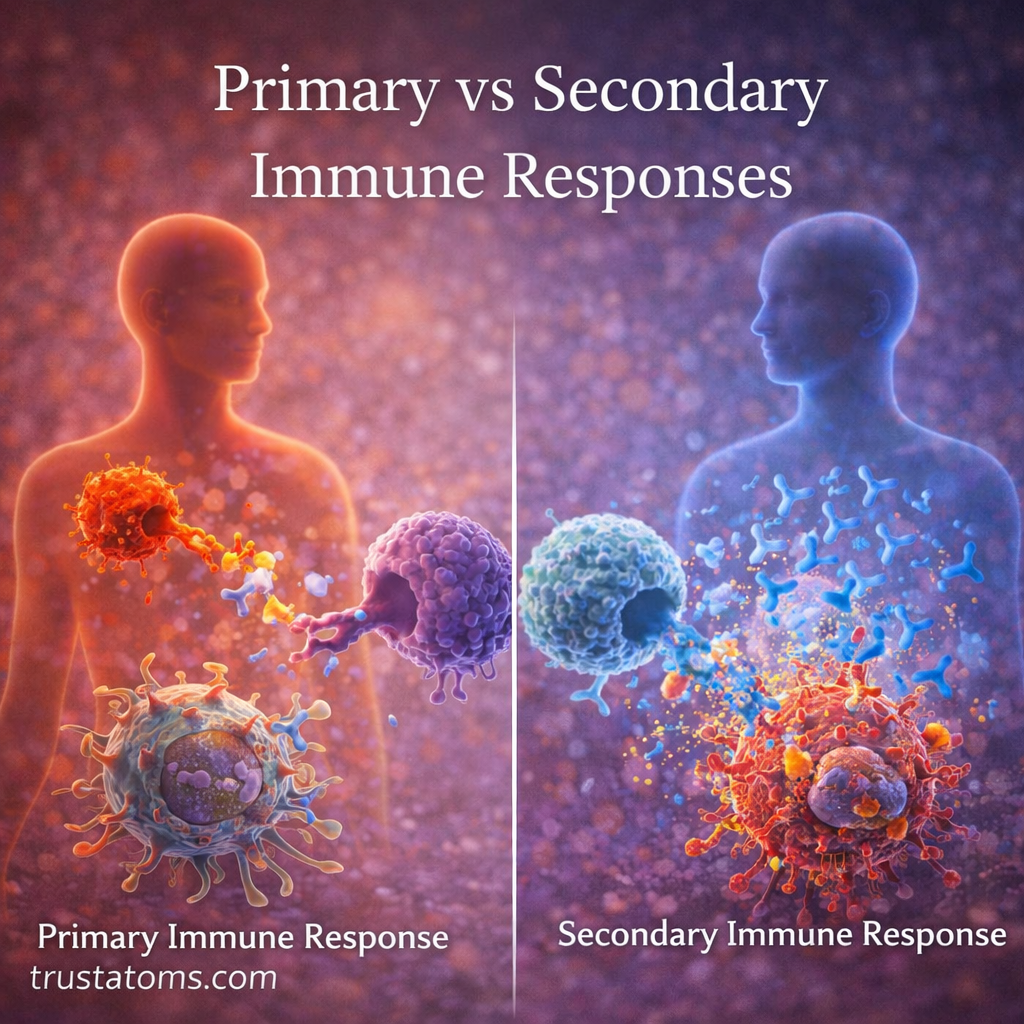
Primary vs Secondary Immune Responses

Split illustration showing primary immune response with slower reaction and secondary immune response with faster, stronger activity.
Comparison of primary and secondary immune responses showing differences in speed and strength. trustatoms.com.

The immune system is designed not only to defend the body but also to learn from past encounters. This ability allows it to respond more effectively to repeated infections. Two key concepts that explain this process are primary immune response and secondary immune response.

These responses differ in speed, strength, and efficiency—and understanding them is essential to grasp how immunity, vaccinations, and long-term protection work.

Continue reading “Primary vs Secondary Immune Responses”

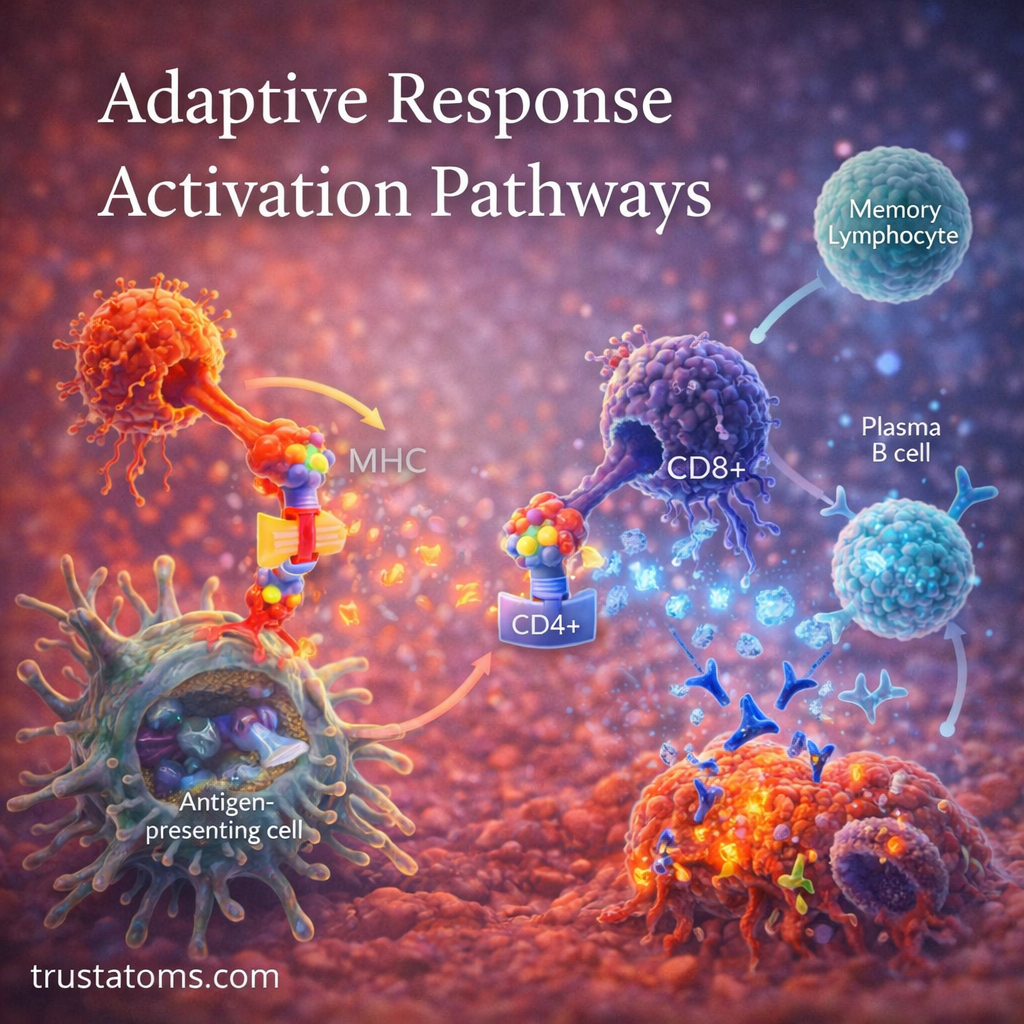
Adaptive Response Activation Pathways

Illustration showing adaptive immune response activation with antigen presentation, T cells, and B cells producing antibodies.
Adaptive immune response activation involving antigen-presenting cells, T cells, and antibody-producing B cells. trustatoms.com.

The adaptive immune system is responsible for targeted, long-lasting protection against specific pathogens. Unlike the innate immune system, which responds quickly but broadly, the adaptive response is highly precise and capable of remembering past infections.

At the center of this process are activation pathways—a series of coordinated steps that allow immune cells to recognize threats, communicate, and mount an effective defense.

Understanding adaptive response activation pathways helps explain how the body develops immunity, responds to vaccines, and fights infections with precision.

Continue reading “Adaptive Response Activation Pathways”

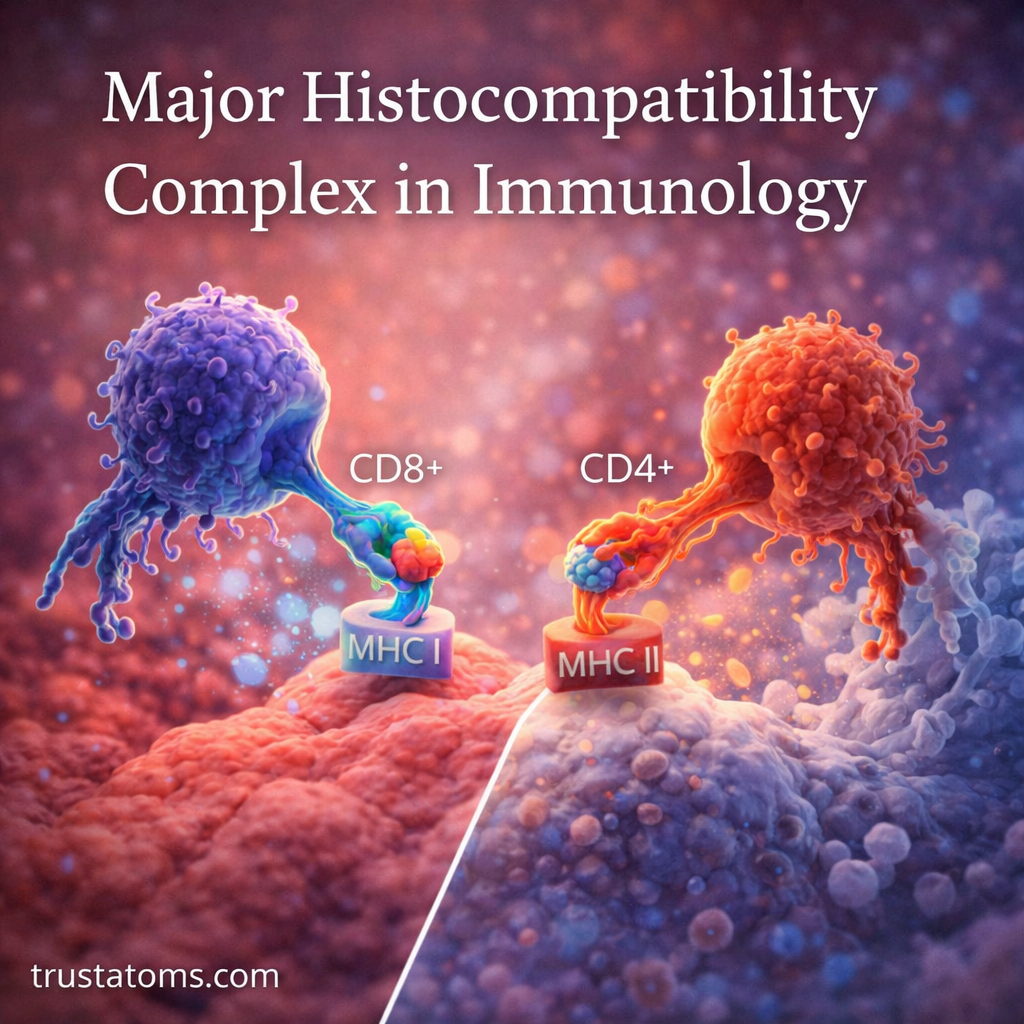
Major Histocompatibility Complex in Immunology

Illustration of MHC class I and class II interactions with T cells in immune system antigen presentation.
MHC class I and class II molecules presenting antigens to T cells in the immune system. trustatoms.com.

The immune system relies on precise communication to detect threats and protect the body. One of the most important components in this process is the Major Histocompatibility Complex (MHC).

MHC molecules act as cellular “ID tags,” allowing immune cells to distinguish between healthy body cells and potential threats. Without this system, the immune response would lack accuracy, leading to infections going undetected—or worse, the body attacking itself.

Continue reading “Major Histocompatibility Complex in Immunology”