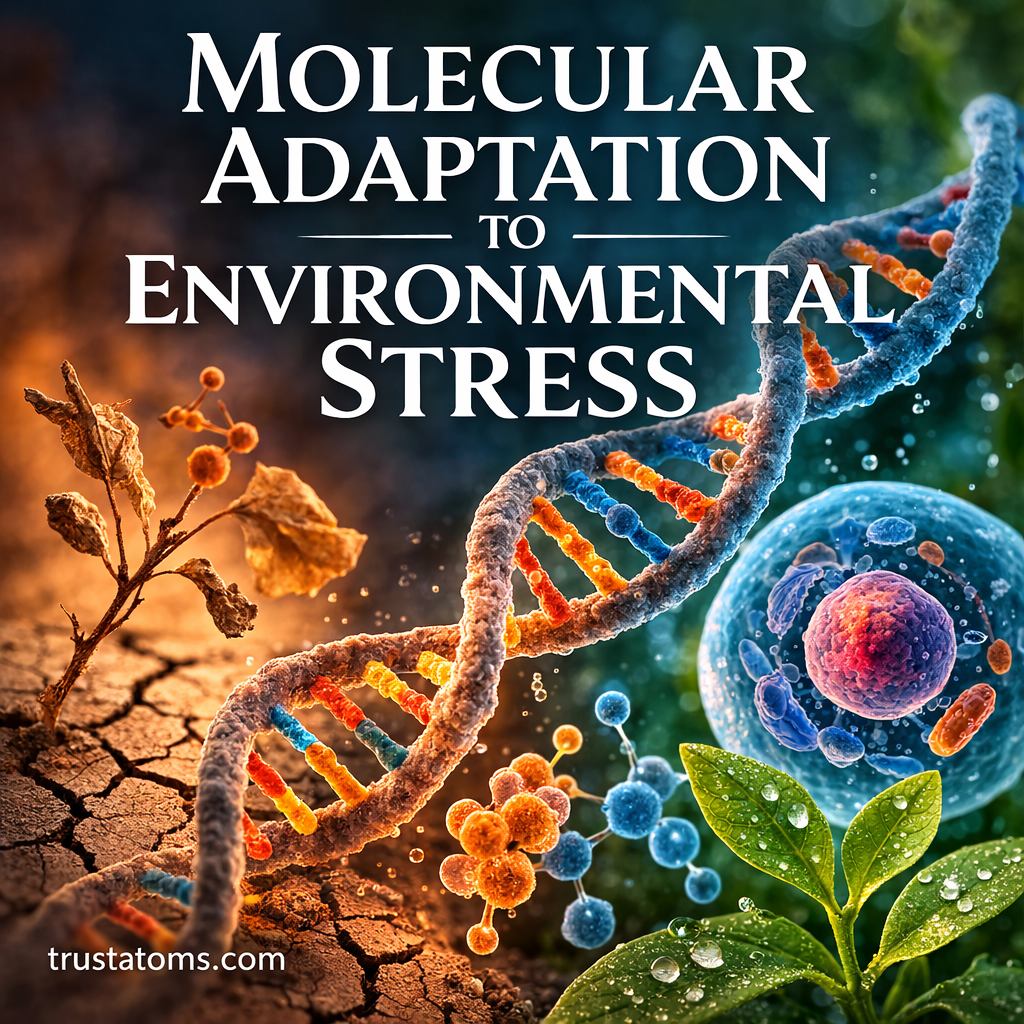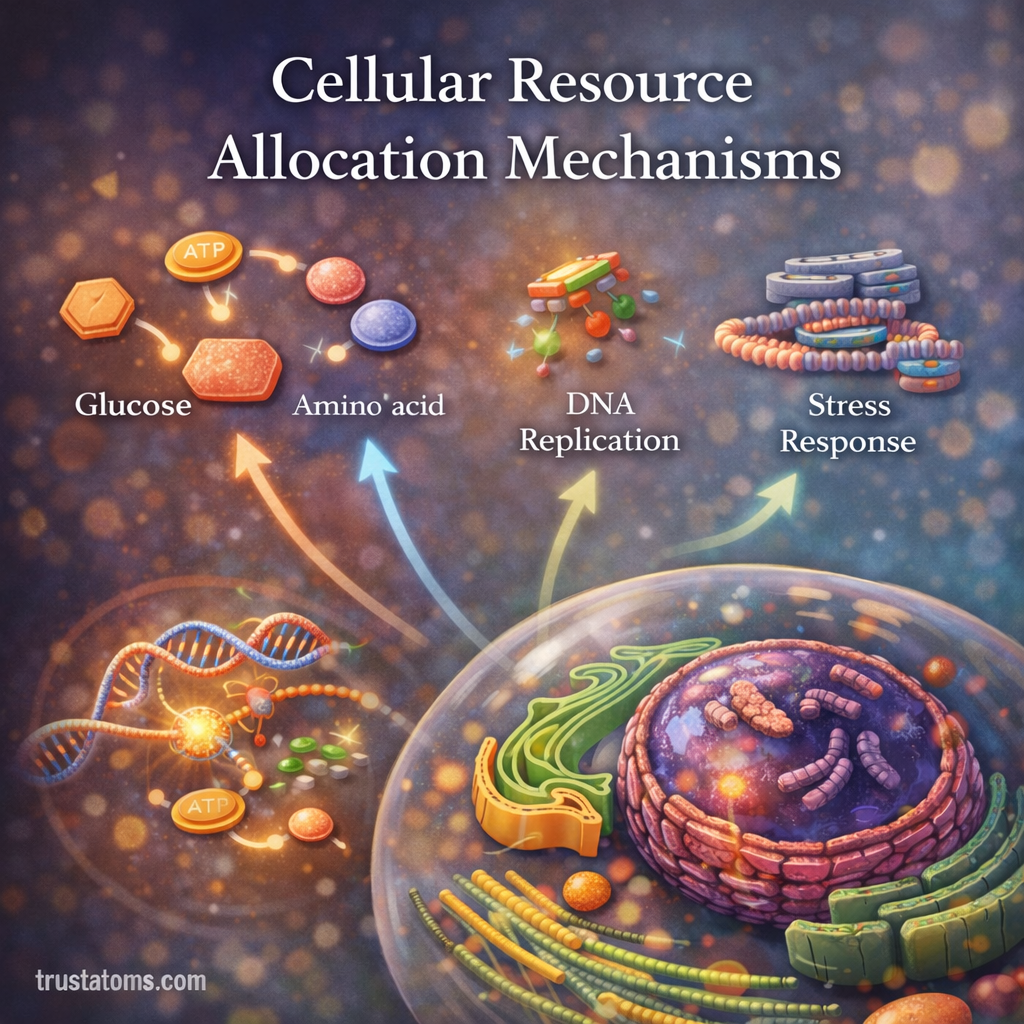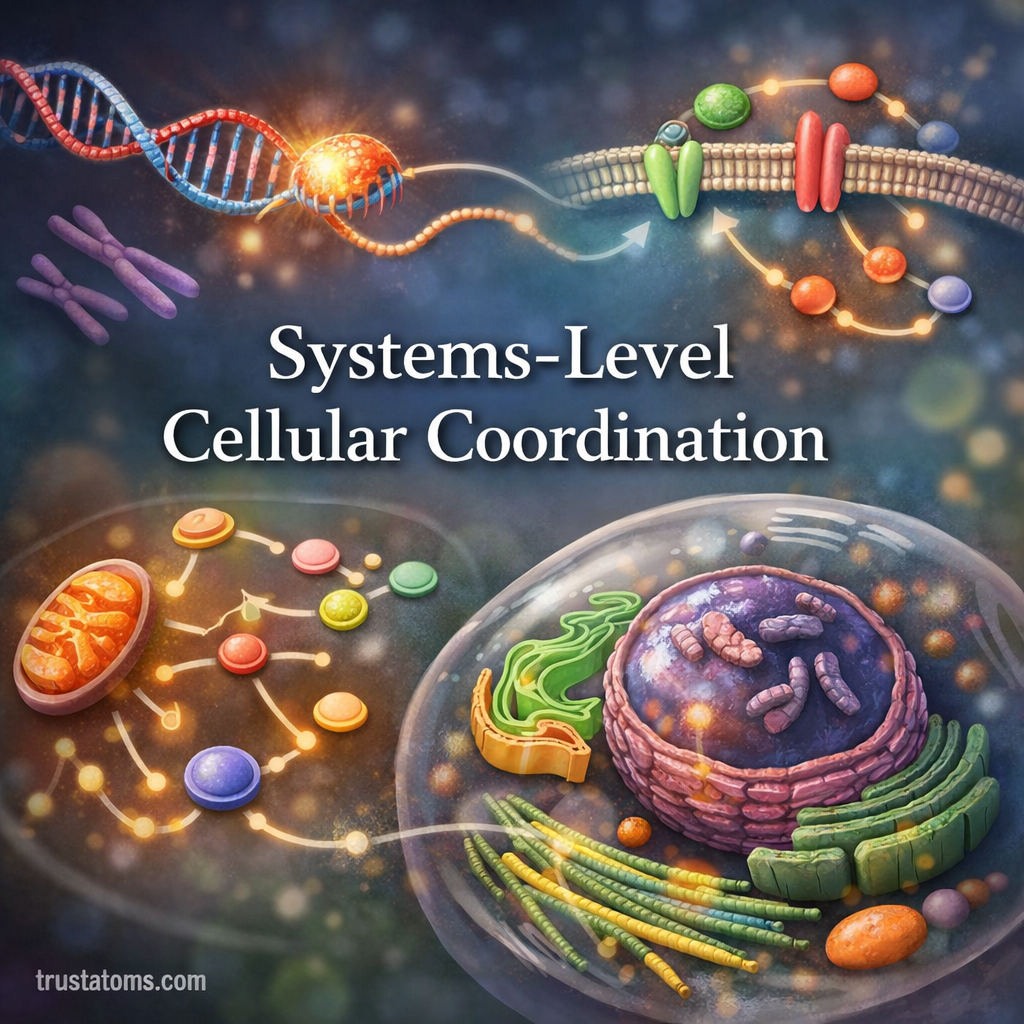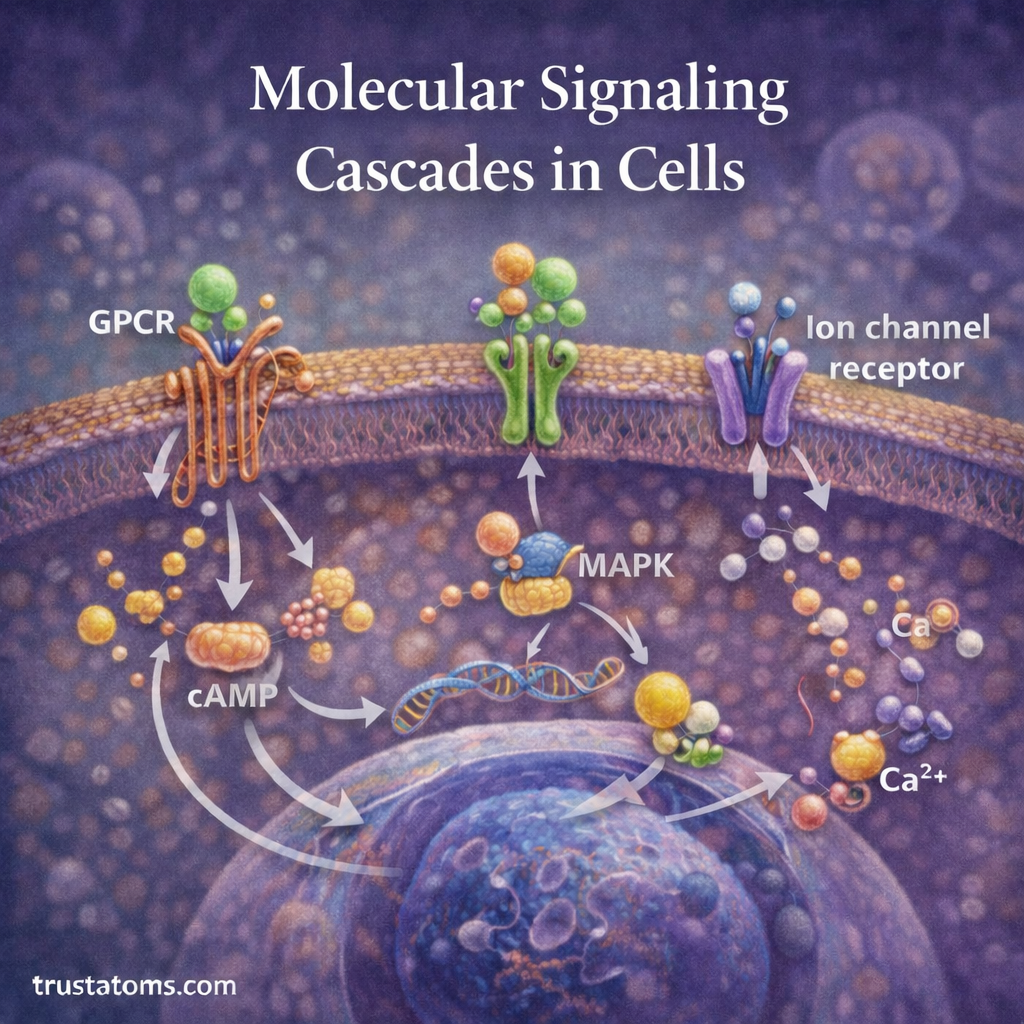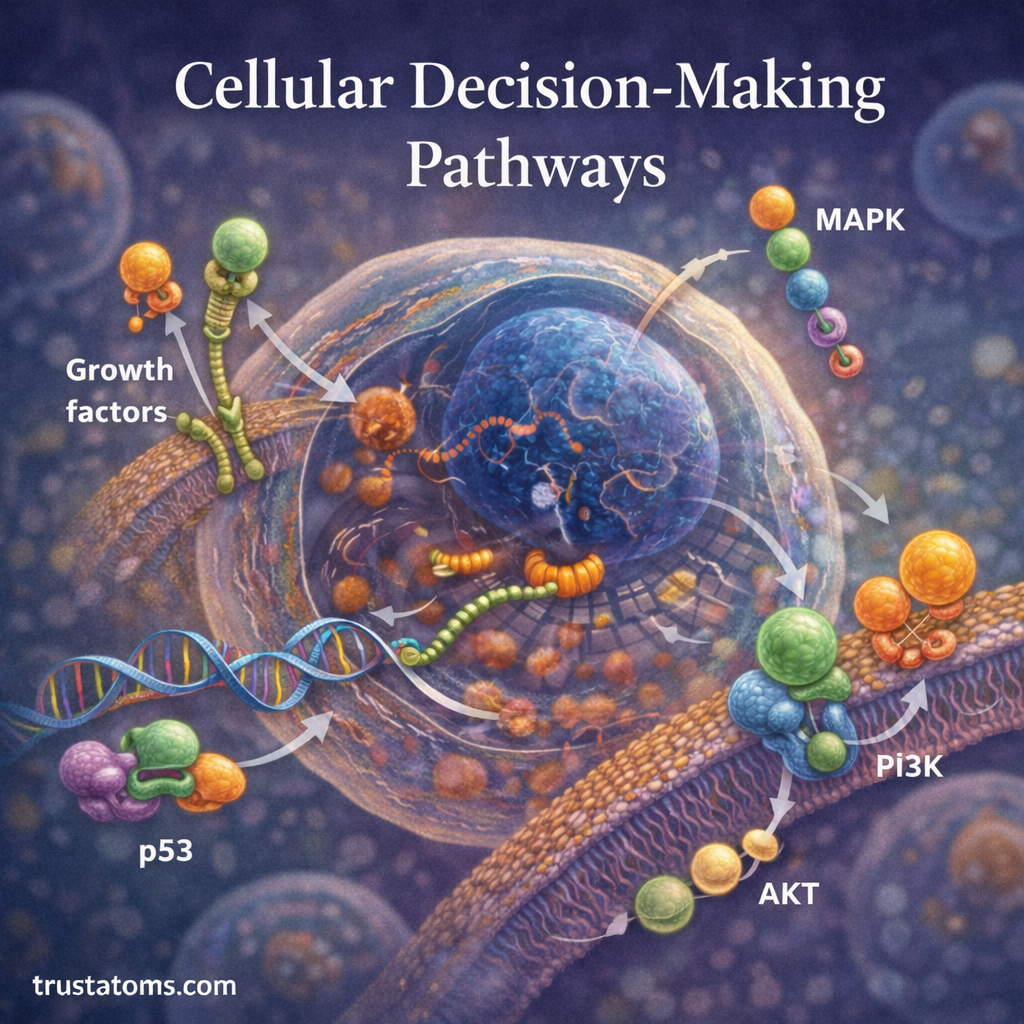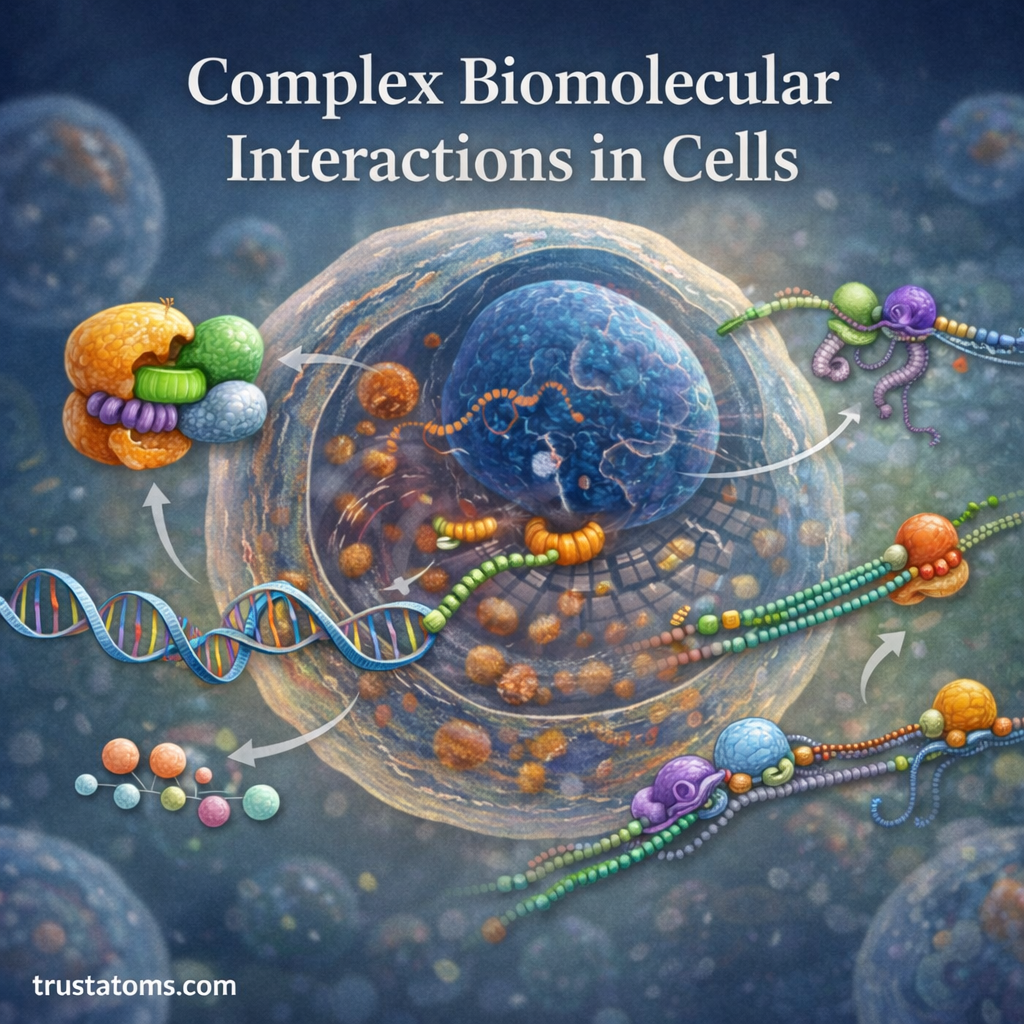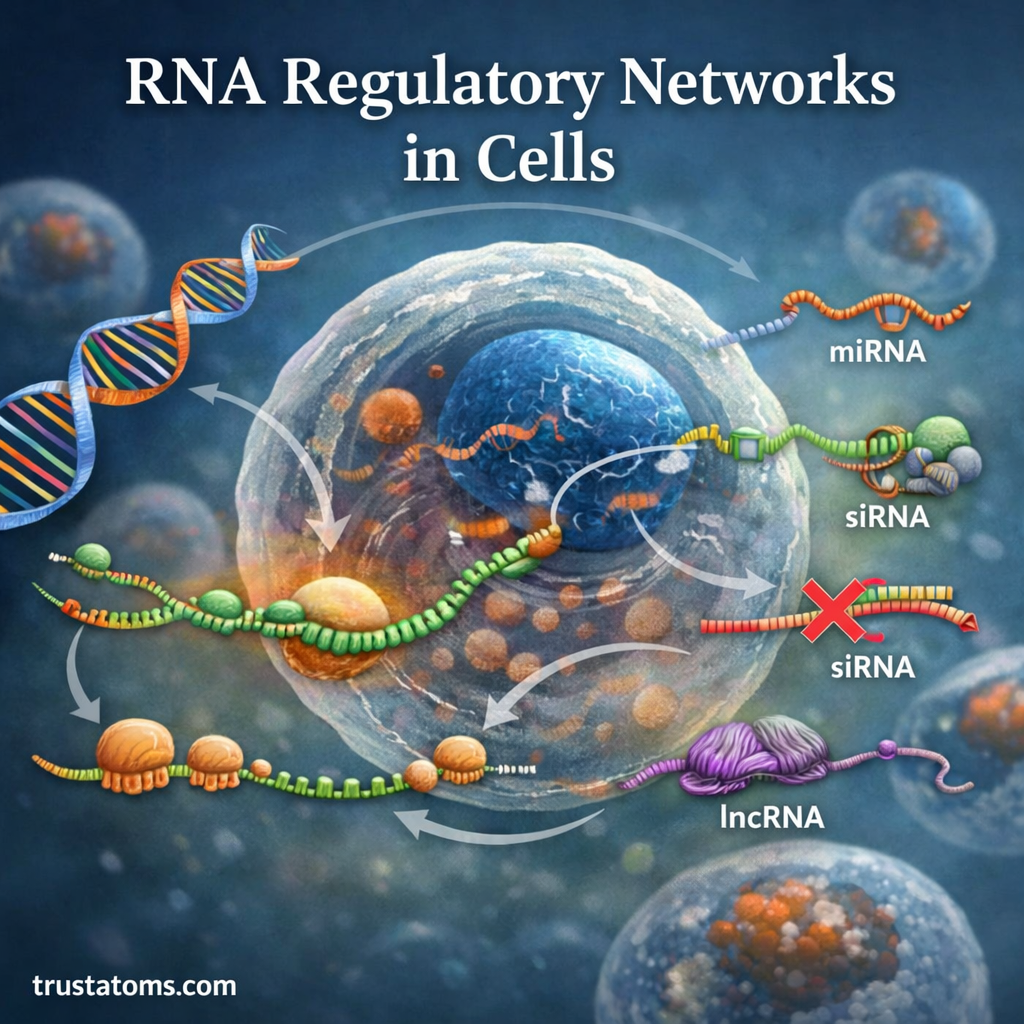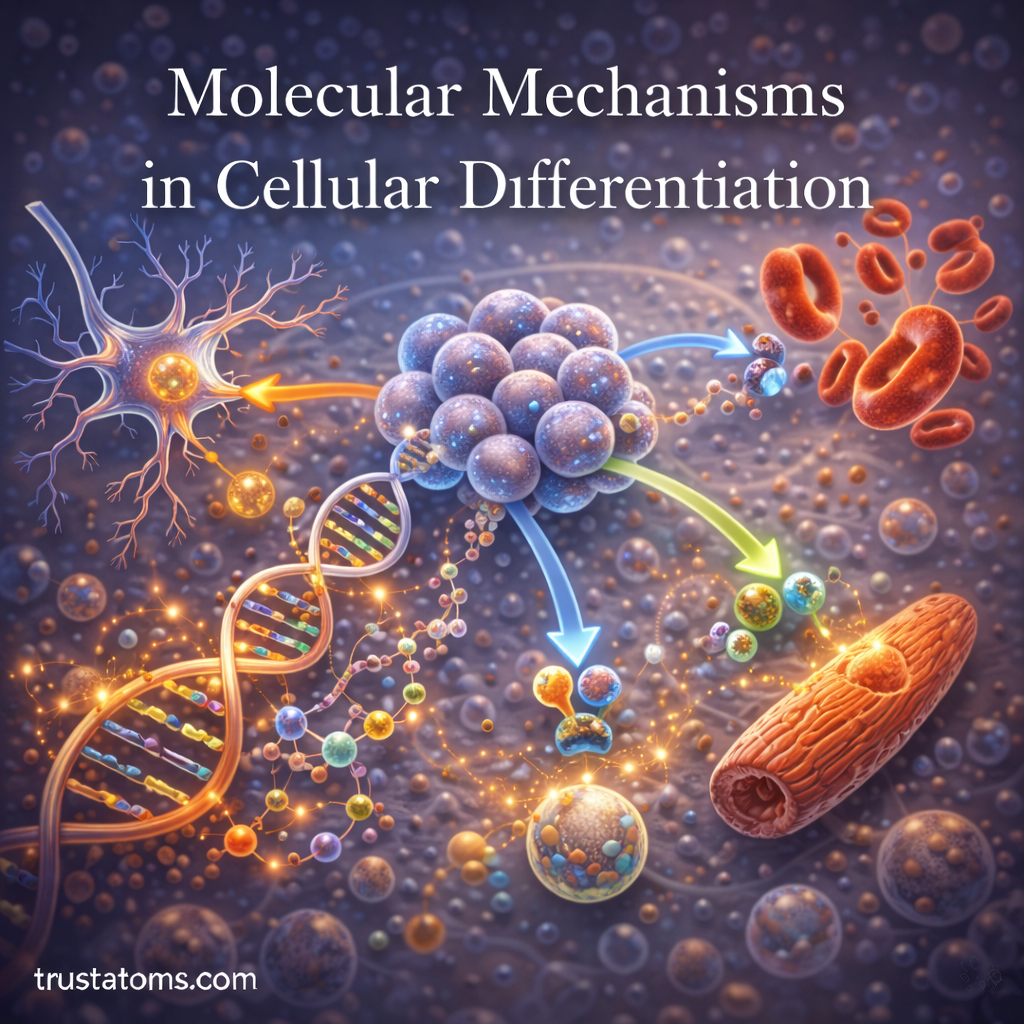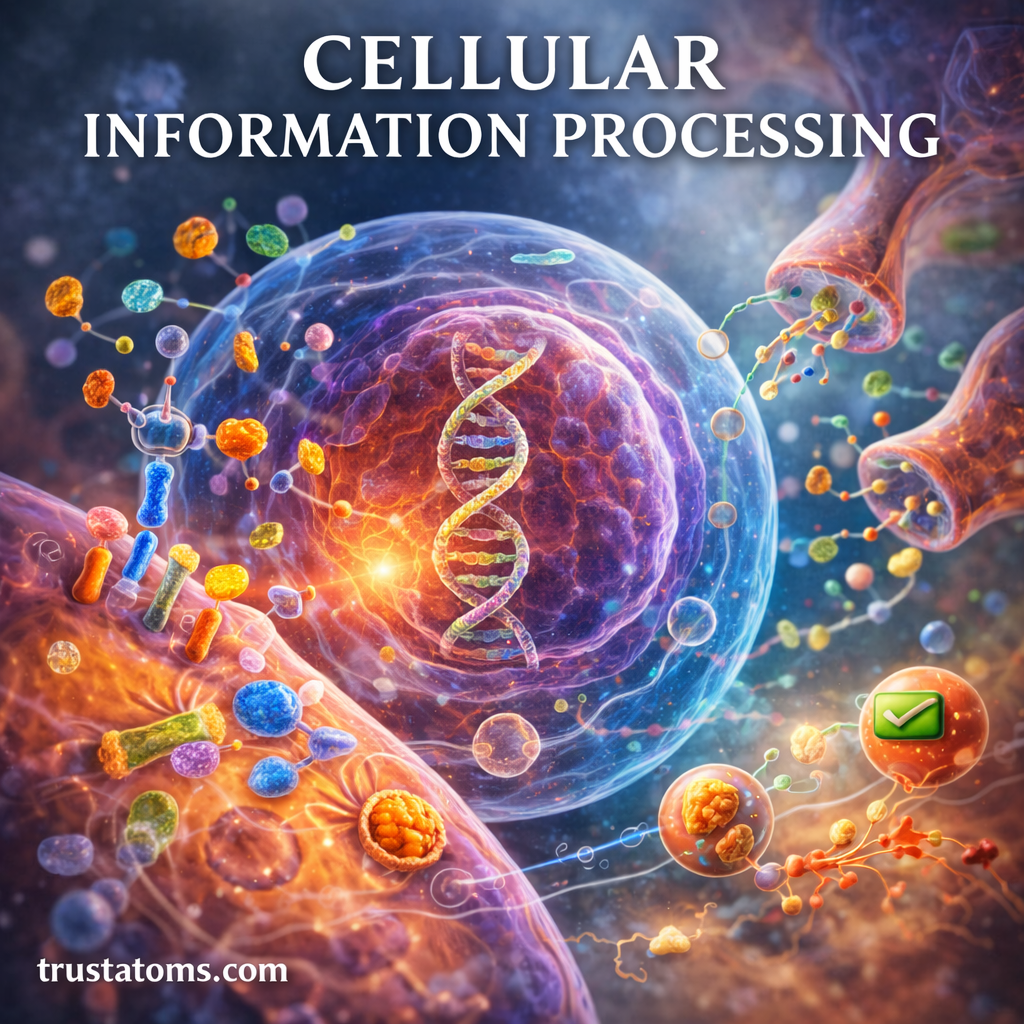
Living cells constantly receive, interpret, and respond to information from their environment. This ability—known as cellular information processing—allows cells to detect signals, make decisions, and coordinate biological functions necessary for survival.
From bacteria sensing nutrients to human immune cells responding to infection, cells rely on complex molecular systems that convert signals into actions. These systems operate through networks of receptors, signaling molecules, gene regulation mechanisms, and feedback loops.
Understanding cellular information processing helps scientists explain how organisms grow, adapt to environmental changes, and maintain internal balance.
Continue reading “Cellular Information Processing”