The launch of the first artificial satellites marked the beginning of the space age. These early achievements not only proved that humans could place objects into orbit, but also transformed communication, science, and global technology forever.
This article explores the origins, key milestones, and lasting impact of the first artificial satellites.
What Is an Artificial Satellite?
An artificial satellite is a human-made object intentionally placed into orbit around Earth or another celestial body.
Unlike natural satellites (such as the Moon), artificial satellites are designed for specific purposes, including:
- Communication
- Weather monitoring
- Scientific research
- Navigation
They travel at high speeds to maintain orbit, balancing gravity and forward motion.
The Historic Launch of Sputnik 1
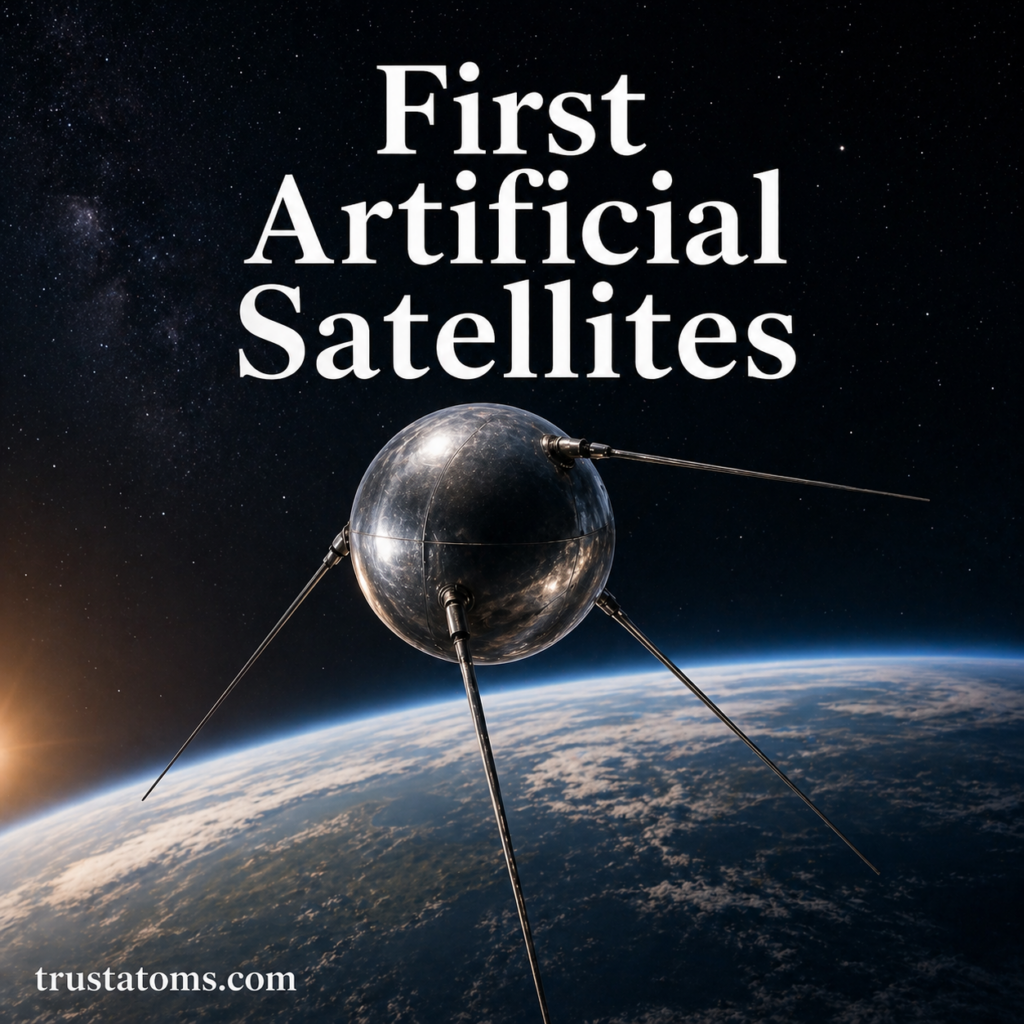
The space age officially began on October 4, 1957, when the Soviet Union launched Sputnik 1.
Key Facts About Sputnik 1
- Diameter: About 58 cm (23 inches)
- Weight: Approximately 83.6 kg (184 lbs)
- Orbit: Completed one orbit every 96 minutes
- Signal: Emitted a simple radio “beep” detectable on Earth
This small metallic sphere shocked the world and demonstrated that spaceflight was achievable.
Why Sputnik 1 Mattered
- Marked the beginning of the Space Race
- Proved orbital technology was possible
- Accelerated scientific and military advancements
The Global Reaction and Space Race
The success of Sputnik 1 triggered intense competition, particularly between the United States and the Soviet Union.
This rivalry led to rapid innovation in:
- Rocket technology
- Satellite development
- Human spaceflight
The event also reshaped global politics, highlighting the importance of technological superiority.
Early Follow-Up Satellites
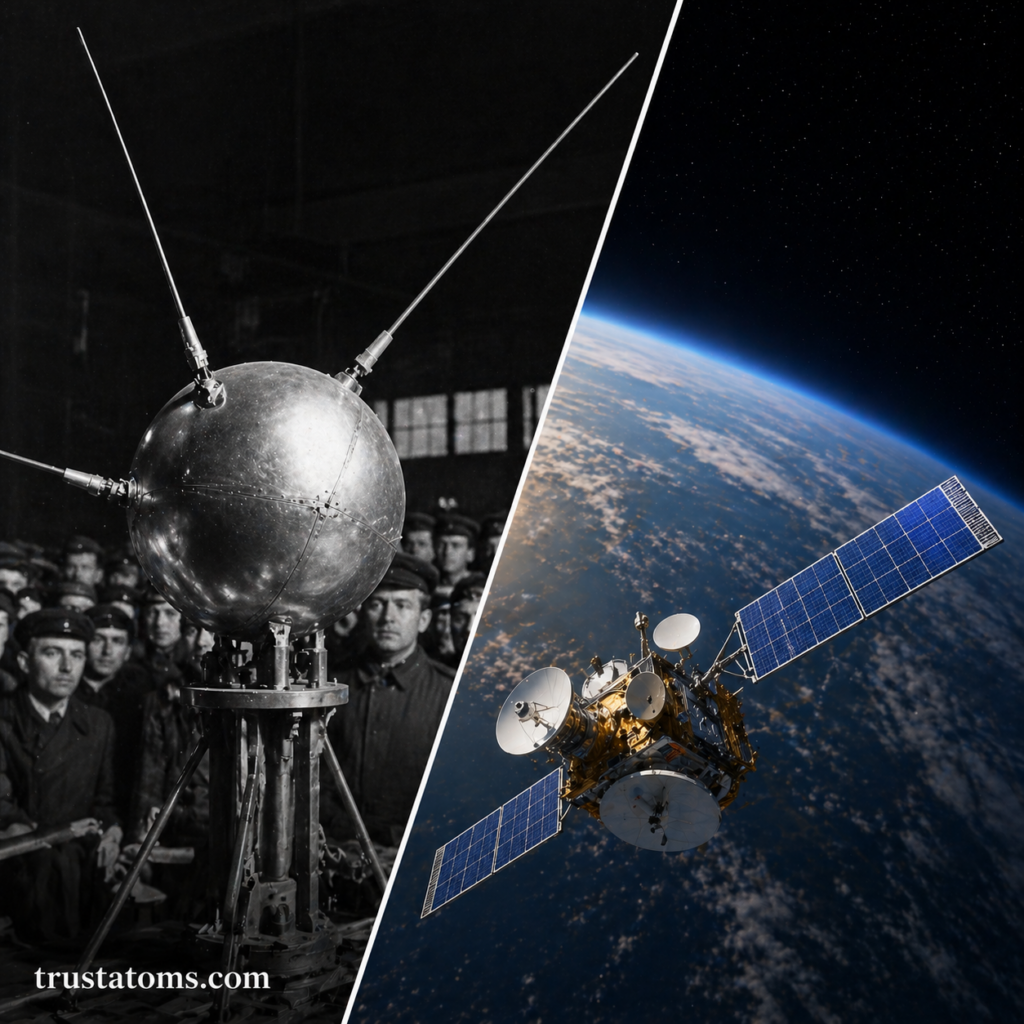
After Sputnik 1, several important satellites followed, each contributing new advancements.
Sputnik 2
Launched in November 1957, Sputnik 2 carried the first living creature into orbit—a dog named Laika.
Key contributions:
- Demonstrated that living organisms could survive launch and orbit
- Provided early biological data for human spaceflight
Explorer 1
In response, the United States launched Explorer 1 in January 1958.
Key achievements:
- Discovered the Van Allen radiation belts
- Marked the U.S. entry into space exploration
Vanguard 1
Another early U.S. satellite, Vanguard 1, launched in 1958, became notable for:
- Being one of the first solar-powered satellites
- Remaining the oldest human-made object still in orbit today
Technological Breakthroughs
The first artificial satellites introduced groundbreaking innovations that shaped modern space technology.
Key Advances
- Miniaturization of electronics
- Development of reliable launch vehicles
- Early communication systems
- Solar power utilization
These technologies laid the foundation for today’s advanced satellite systems.
How Early Satellites Changed the World
The impact of early satellites extended far beyond scientific curiosity.
Immediate Effects
- Improved understanding of Earth’s atmosphere
- Enabled global radio communication
- Advanced military surveillance capabilities
Long-Term Impact
- Development of GPS systems
- Satellite television and internet
- Weather forecasting and climate monitoring
Today, thousands of satellites orbit Earth, supporting daily life in ways most people rarely consider.
Challenges and Limitations
Early satellite missions faced significant obstacles:
- Limited computing power
- Short operational lifespans
- Primitive communication systems
- High launch failure rates
Despite these challenges, scientists and engineers continued to innovate and improve designs.
Legacy of the First Artificial Satellites
The success of early satellites paved the way for modern space exploration.
They enabled:
- Human spaceflight missions
- Deep space exploration
- International space collaboration
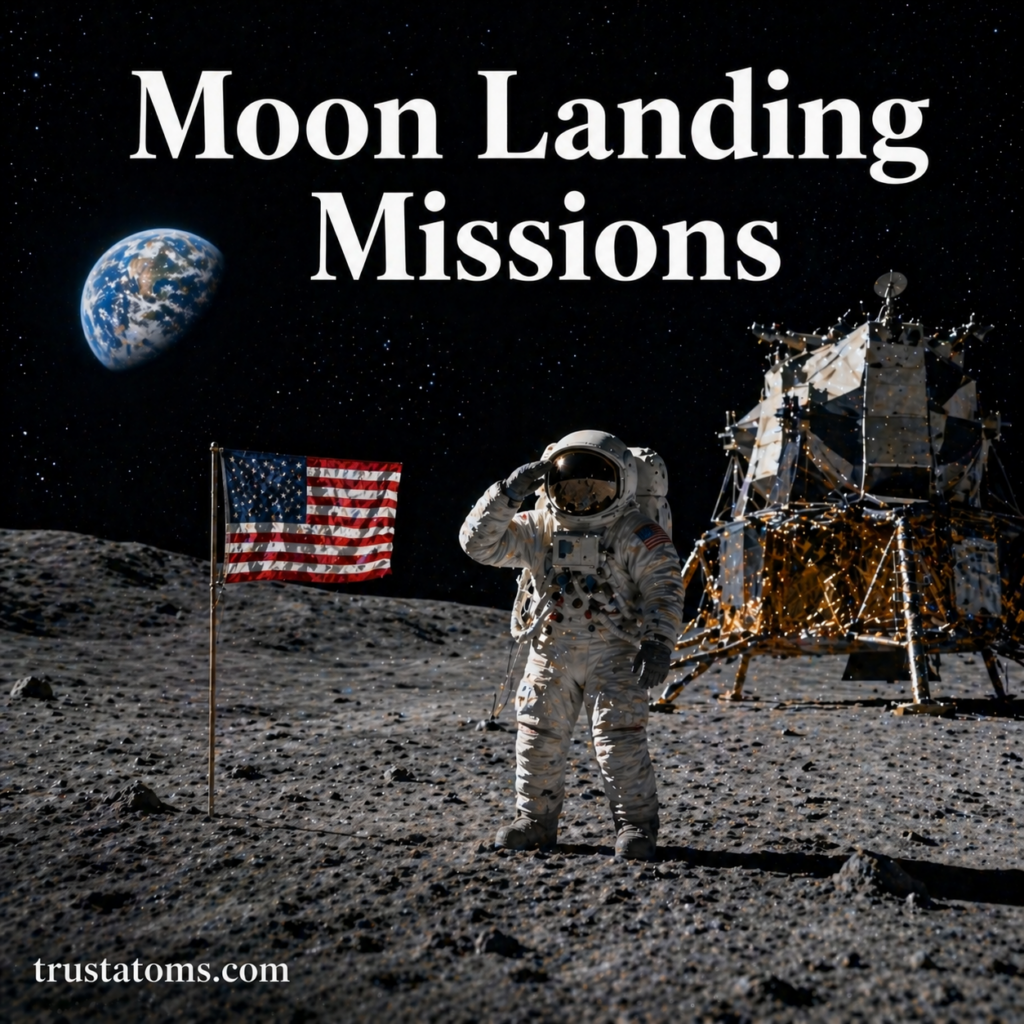
Without these first satellites, achievements like Moon landings and Mars exploration would not have been possible.
Final Thoughts
The first artificial satellites were small in size but enormous in impact. They marked humanity’s first step beyond Earth and opened the door to an entirely new frontier.
From the simple beeps of Sputnik 1 to today’s advanced satellite networks, the journey of space technology continues to shape our world and future.