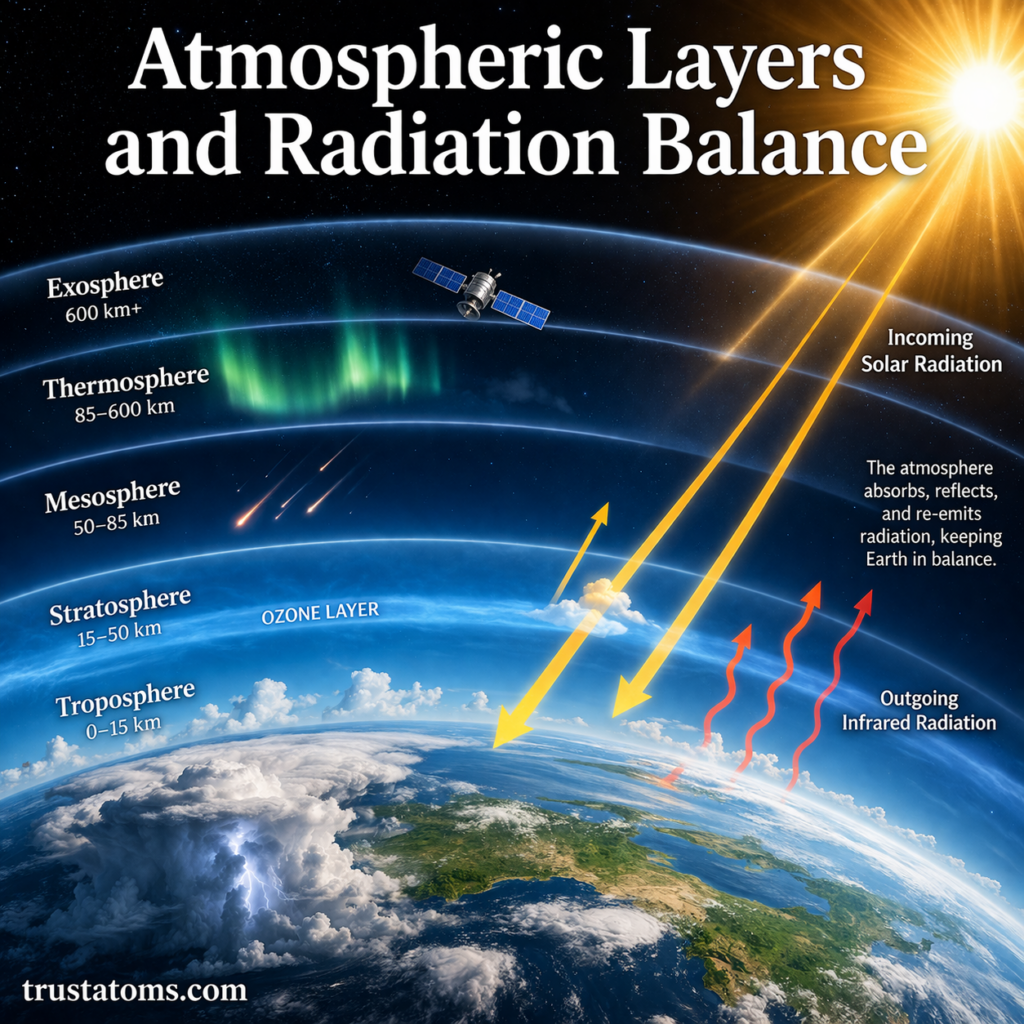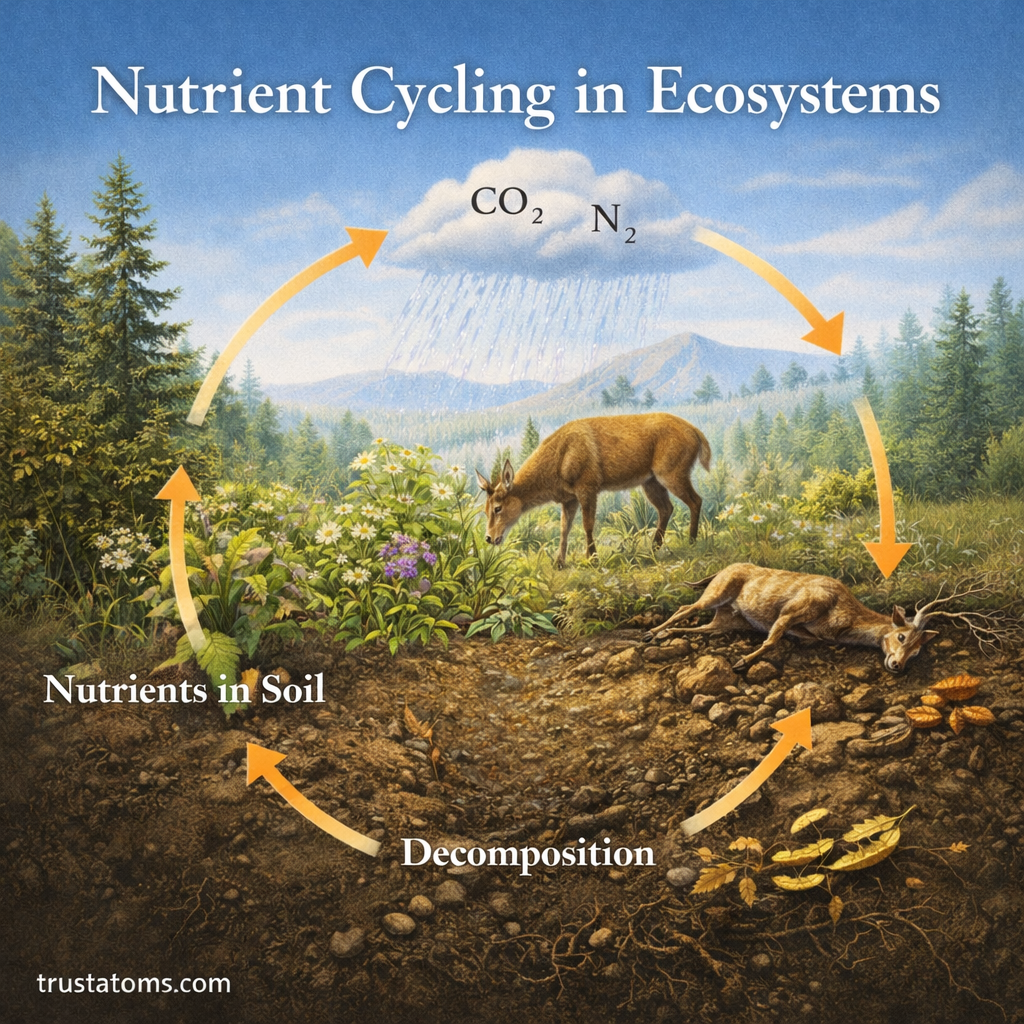
Nutrient cycling is the movement and reuse of essential chemical elements between living organisms and their environment. Through processes such as photosynthesis, feeding, decomposition, and microbial activity, nutrients move among plants, animals, soil, water, and the atmosphere.
Nutrient cycling is one of the most essential processes that keeps natural ecosystems functioning. While energy moves through food chains and is eventually released as heat, chemical elements can be reused repeatedly. This distinction helps explain how ecosystems sustain biological activity over time.
Studying nutrient cycles connects biology and the science of life with chemistry and Earth science. It also helps explain soil fertility, plant productivity, water quality, and the environmental effects of agriculture and pollution.
What Is Nutrient Cycling?
Nutrient cycling describes how chemical elements move between living organisms and nonliving parts of an ecosystem. These elements are incorporated into biological molecules, transferred through food webs, and eventually returned to the environment.
The main participants include producers, consumers, decomposers, and physical reservoirs such as soil, water, rocks, and the atmosphere.
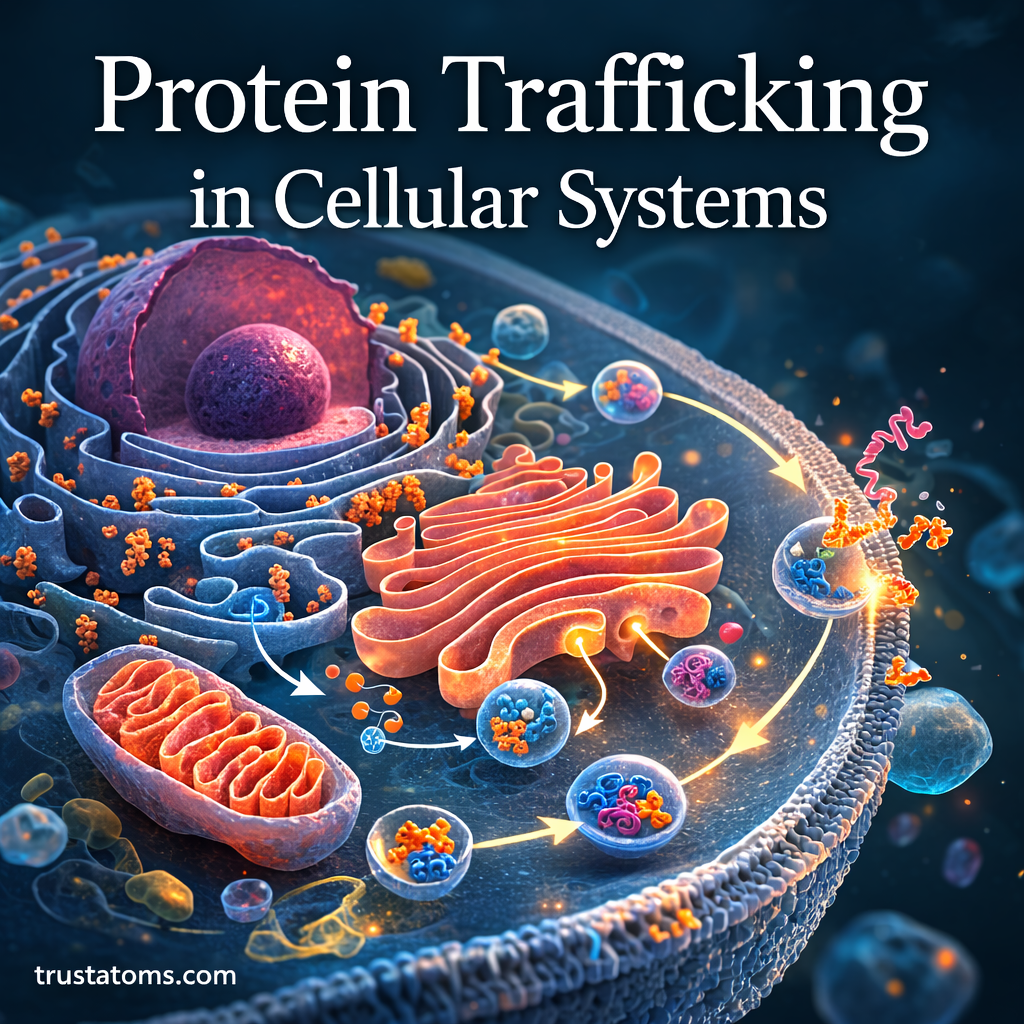
Microorganisms perform many of the chemical transformations involved in these cycles. The microbial roles in nutrient cycling include decomposition, nitrogen fixation, and the conversion of nutrients into forms other organisms can use.
Understanding microbial ecology in environmental systems also helps explain why soil conditions, oxygen availability, and microbial communities influence nutrient recycling.
Nutrients cycle, but energy does not follow the same pattern. Energy flow through trophic systems involves energy entering food webs and progressively dissipating as heat during biological processes.
How Nutrients Move Through Food Webs
Living organisms transfer nutrients through feeding, growth, waste production, and decomposition. Each group contributes differently to the movement of chemical elements.
Producers Absorb Nutrients
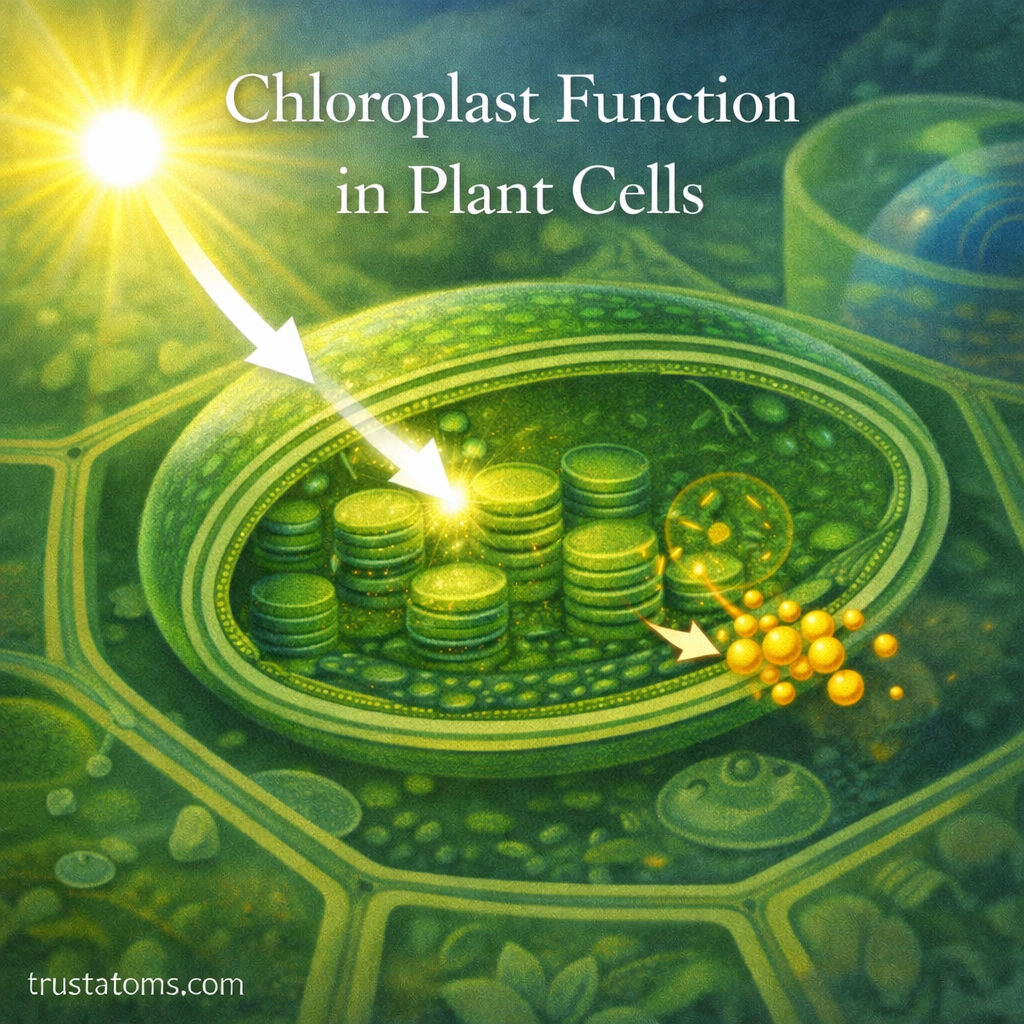
Primary producers include plants, algae, and certain microorganisms. They obtain carbon from carbon dioxide and acquire other nutrients from their surroundings.
Land plants generally absorb nitrogen as nitrate or ammonium and phosphorus as phosphate through their roots. They use these nutrients to produce proteins, nucleic acids, membranes, and other cellular components.
Consumers Transfer Nutrients
Animals obtain nutrients by consuming plants or other organisms. Herbivores incorporate plant nutrients into their tissues, while predators obtain those elements by eating prey.
Consumers return nutrients through waste, shed material, and dead tissues. Animal movement can also redistribute nutrients between different habitats.
Decomposers Release Nutrients
Bacteria and fungi break down dead organisms and organic waste. Their enzymes convert complex organic compounds into simpler substances, some of which become available for uptake by producers.
Detritivores such as earthworms and certain insects fragment organic material, making it easier for microorganisms to process. Together, these organisms help return nutrients to soil and water.
Major Nutrient Cycles in Ecosystems
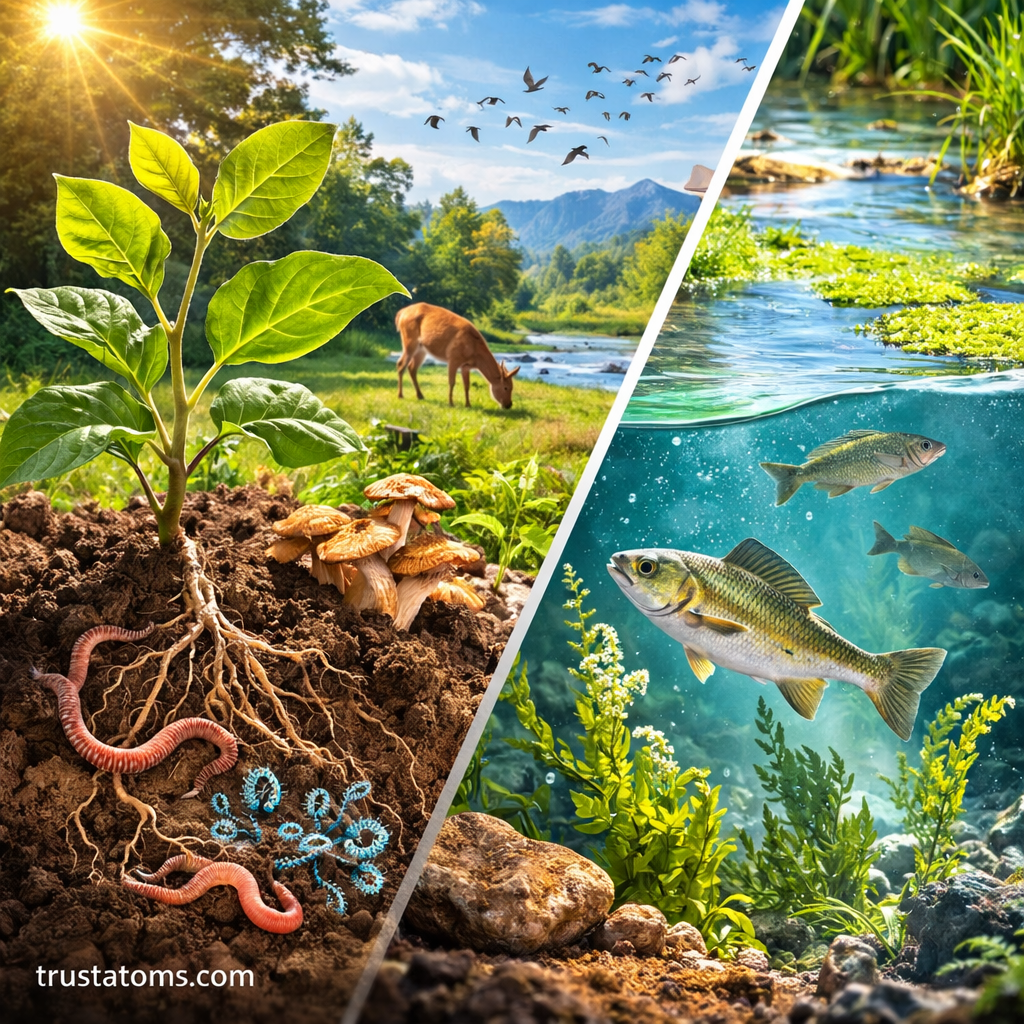
Carbon, nitrogen, and phosphorus follow different pathways because their chemical properties and environmental reservoirs differ. These movements are examples of biogeochemical cycles in Earth systems, which connect biological activity with geological and chemical processes.
The Carbon Cycle
Carbon moves between the atmosphere, organisms, oceans, soils, and geological reservoirs. During photosynthesis, plants and other photosynthetic organisms use carbon dioxide to produce organic compounds.
Carbon then moves through food webs as organisms consume one another. Cellular respiration releases carbon dioxide, while decomposition returns carbon to the atmosphere, soil, or water.
Some carbon remains stored for long periods in soils, ocean sediments, rocks, and fossil fuels. Combustion of fossil fuels transfers carbon from geological reservoirs into the atmosphere as carbon dioxide.
The Nitrogen Cycle
Nitrogen is needed to build proteins, DNA, and RNA. Although nitrogen gas makes up about 78% of Earth’s atmosphere, most organisms cannot use it directly.
Several biological processes convert nitrogen between different chemical forms:
- Nitrogen fixation: Certain microorganisms convert atmospheric nitrogen gas into ammonia, which can form ammonium in the environment.
- Nitrification: Microorganisms oxidize ammonia or ammonium into nitrite and then nitrate under suitable conditions.
- Assimilation: Plants and microorganisms incorporate available nitrogen compounds into organic molecules.
- Ammonification: Decomposition converts organic nitrogen into ammonia or ammonium.
- Denitrification: Certain microorganisms convert nitrate and related compounds into gaseous nitrogen forms, including nitrogen gas.
These transformations depend on environmental conditions. Oxygen availability, for example, strongly influences which microbial nitrogen processes can occur.
The Phosphorus Cycle
Phosphorus is a component of DNA, RNA, ATP, and cell membranes. Unlike carbon and nitrogen, its major natural cycle has no substantial atmospheric gas phase.
Weathering releases phosphorus from minerals in rocks. Plants absorb available phosphate from soil or water, and animals obtain phosphorus through food.
Decomposition returns phosphorus to the environment. Some phosphate binds to soil particles or enters aquatic sediments, where it may remain unavailable to organisms for extended periods.
How the Water Cycle Transports Nutrients
Water is essential for transporting dissolved nutrients through ecosystems. Rainfall, infiltration, groundwater movement, and surface runoff redistribute chemical substances across landscapes.
For example, rainwater can carry dissolved nitrate through soil toward plant roots. However, heavy rainfall may also wash nutrients away from agricultural fields and transport them into rivers or lakes.
Water movement therefore affects both nutrient availability and nutrient loss. Soil texture, vegetation cover, and rainfall intensity influence how much material remains within an ecosystem.
A Practical Example: Nutrient Cycling in a Garden
Consider a vegetable garden where fallen leaves and plant trimmings are collected and composted instead of being discarded.
During composting, bacteria and fungi break down the organic material. Some carbon returns to the atmosphere through microbial respiration, while other organic compounds remain in the compost.
As decomposition continues, nutrients such as nitrogen and phosphorus become available in different forms. When mature compost is added to garden soil, it contributes organic matter and nutrients that can support future plant growth.
New vegetables absorb available nutrients through their roots. After harvesting, plant residues can return to the compost pile, continuing the movement of nutrients through the garden.
However, this is not a perfectly closed system. Harvested vegetables remove nutrients, rainfall can carry nutrients away, and nitrogen may be lost through gaseous emissions. Maintaining soil fertility may therefore require additional nutrient inputs.
How Human Activities Disrupt Nutrient Cycles
Human activities alter nutrient cycling by changing the amounts, locations, and chemical forms of elements entering ecosystems.
Major influences include:
- Agricultural fertilizers: Add nitrogen and phosphorus that can increase crop production but may also enter waterways.
- Deforestation: Changes plant nutrient uptake, soil conditions, and nutrient losses through erosion.
- Fossil fuel combustion: Releases carbon dioxide and certain nitrogen compounds into the atmosphere.
- Urban development: Alters runoff patterns and can increase the movement of pollutants into aquatic systems.
Excess Nutrients and Eutrophication
When excessive nitrogen or phosphorus enters a lake, river, or coastal environment, it can stimulate unusually high algae growth. This nutrient enrichment is called eutrophication.
As algae die, microorganisms decompose the organic matter and consume dissolved oxygen. Under severe conditions, oxygen concentrations can fall enough to harm fish and other aquatic organisms.
Reducing nutrient runoff through appropriate fertilizer use, erosion control, and wastewater treatment can help protect water quality.
Nutrient Availability and Ecosystem Productivity
Ecosystem productivity depends partly on whether organisms can obtain enough essential nutrients. Even when sunlight and water are abundant, limited nitrogen or phosphorus can restrict plant and algal growth.
Nutrient cycling also influences how ecosystems respond to disturbances. After leaves fall or vegetation dies, decomposition can return some nutrients to forms available for new growth.
However, nutrient cycling does not guarantee that every ecosystem remains stable. Drought, soil erosion, pollution, and other disturbances can alter nutrient availability and reduce biological productivity.
Frequently Asked Questions
What is the main purpose of nutrient cycling?
Nutrient cycling makes chemical elements available for repeated use by organisms. It connects nutrient uptake, feeding, waste production, decomposition, and environmental processes that move elements between living and nonliving reservoirs.
What is the difference between nutrient cycling and energy flow?
Nutrients are chemical elements that move repeatedly between organisms and their environment. Energy enters ecosystems, passes through organisms, and eventually dissipates as heat rather than being recycled in the same way.
Why are decomposers necessary for nutrient cycling?
Decomposers break down dead organisms and organic waste, releasing nutrients and converting organic compounds into simpler substances. Their activity helps return essential elements to soil and water, where producers may use them again.
Nutrient cycling connects photosynthesis, feeding, decomposition, and microbial chemistry to the availability of carbon, nitrogen, and phosphorus. A garden compost pile demonstrates these connections on a small scale, while the same principles operate across forests, oceans, and agricultural landscapes. Protecting soil and water quality helps maintain the nutrient processes that support ecosystem productivity.
Sources: OpenStax, Biology 2e; Odum and Barrett, Fundamentals of Ecology; Schlesinger and Bernhardt, Biogeochemistry: An Analysis of Global Change.