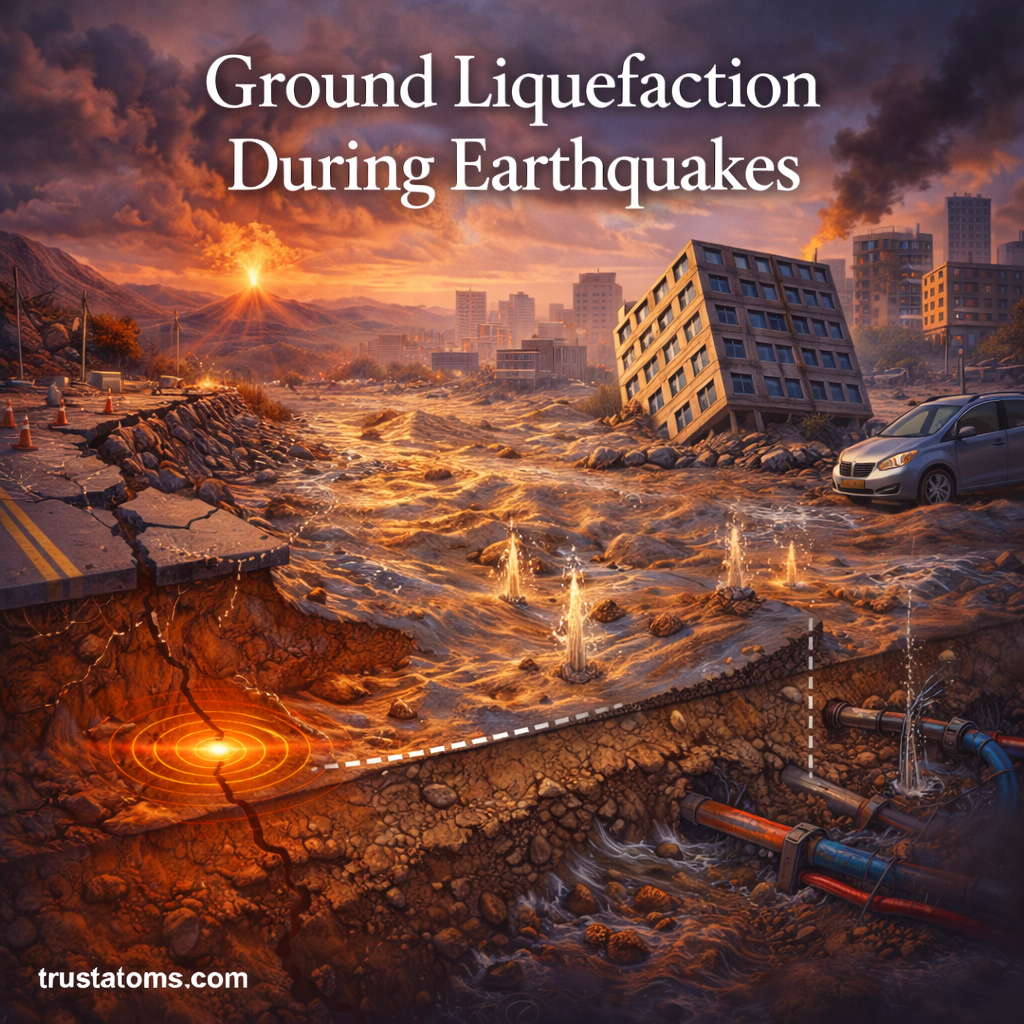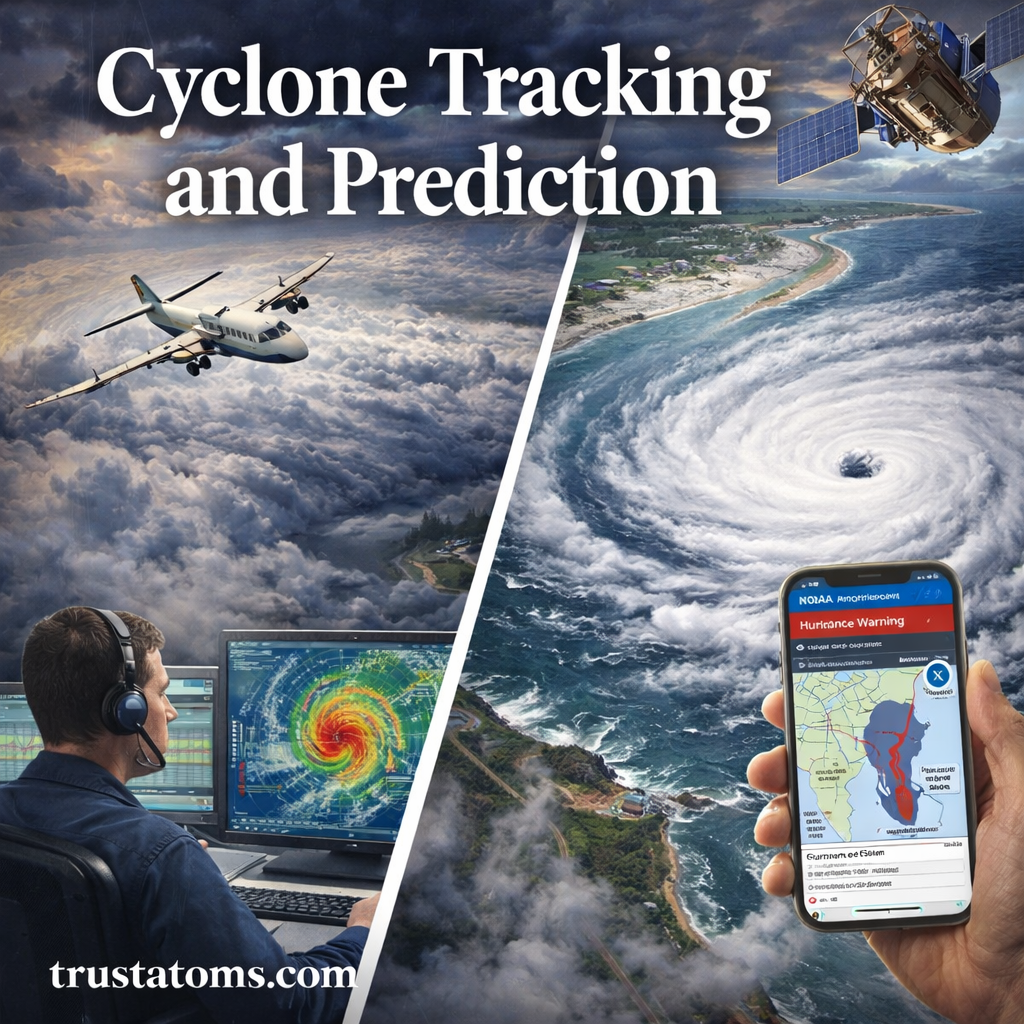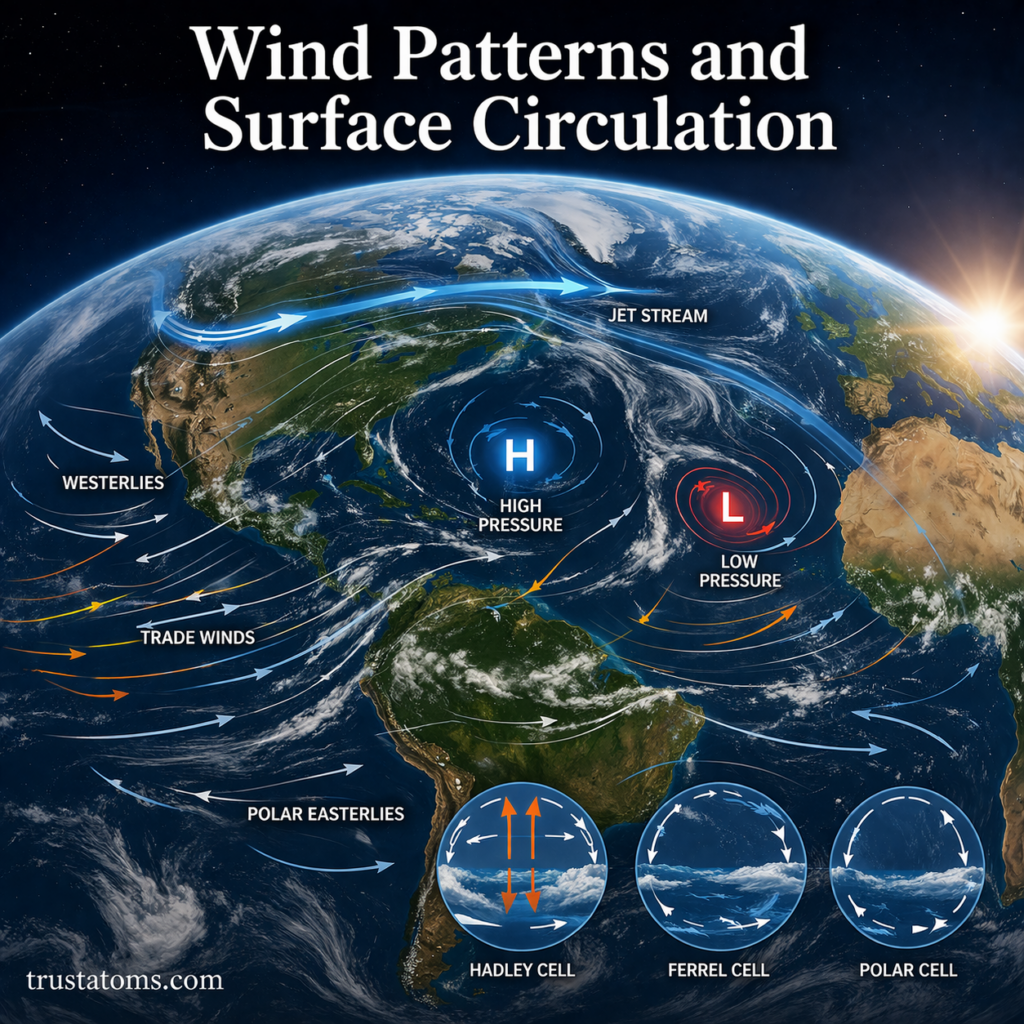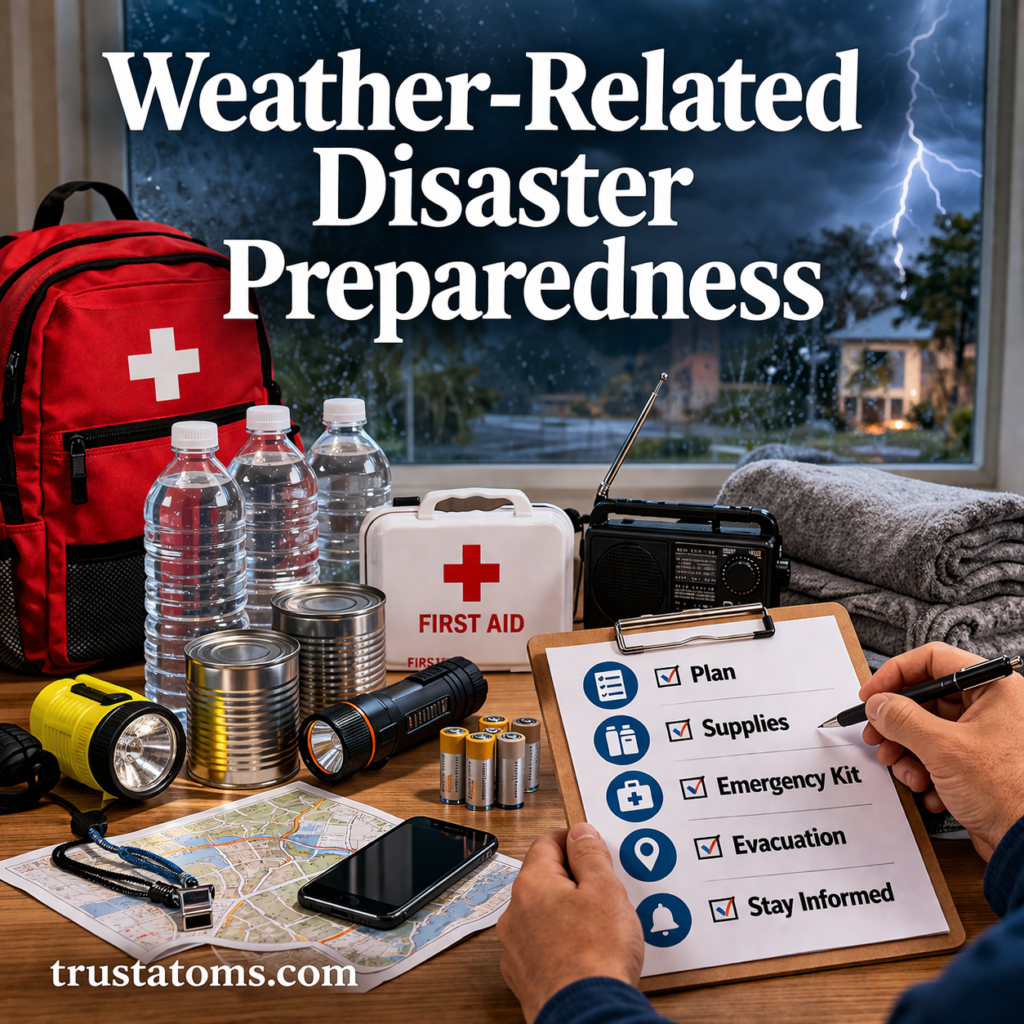
Weather-related disasters are becoming more frequent and intense, affecting communities worldwide. From hurricanes and floods to wildfires and tornadoes, being prepared can significantly reduce risks, protect your property, and save lives.
This guide covers everything you need to know about preparing for extreme weather events, including practical steps, essential supplies, and safety strategies.
Understanding Weather-Related Disasters
Weather-related disasters are natural events caused by atmospheric conditions that can lead to severe damage, disruption, and loss of life.
Common Types of Weather Disasters
- Hurricanes and tropical storms
- Floods and flash floods
- Tornadoes
- Severe thunderstorms
- Wildfires
- Heatwaves
- Winter storms and blizzards
Each type of disaster presents unique risks, but the core principles of preparedness remain similar.
Why Preparedness Matters
Preparation reduces panic and increases your ability to respond quickly and effectively.
Key Benefits of Being Prepared
- Minimizes injury and loss of life
- Reduces property damage
- Improves emergency response time
- Helps families stay connected
- Increases confidence during emergencies
Waiting until the last minute often leads to poor decisions and limited resources.
Step 1: Create an Emergency Plan
An emergency plan ensures everyone in your household knows what to do.
What to Include in Your Plan
- Evacuation routes and safe locations
- Emergency contact list
- Communication strategy if separated
- Roles and responsibilities for family members
- Pet safety arrangements
Tips for an Effective Plan
- Practice your plan regularly
- Keep a printed copy accessible
- Update it as your household changes
Step 2: Build an Emergency Supply Kit
A well-stocked emergency kit is essential for surviving at least 72 hours without outside help.
Basic Emergency Kit Essentials
- Water (1 gallon per person per day)
- Non-perishable food
- Flashlights and extra batteries
- First aid kit
- Battery-powered or hand-crank radio
- Phone chargers and backup power banks
- Personal hygiene items
Additional Items to Consider
- Prescription medications
- Important documents (copies)
- Blankets and warm clothing
- Cash in small denominations
- Multi-tool or basic tools
Store your kit in an easily accessible location and check it every 6–12 months.
Step 3: Stay Informed
Accurate, real-time information can make a critical difference during emergencies.
How to Stay Updated
- Monitor local weather alerts and warnings
- Use reliable weather apps
- Listen to emergency broadcasts
- Follow local emergency management agencies
Warning Systems to Know
- Watches: Conditions are possible
- Warnings: Immediate action is required
Understanding these alerts helps you act quickly and appropriately.
Step 4: Prepare Your Home
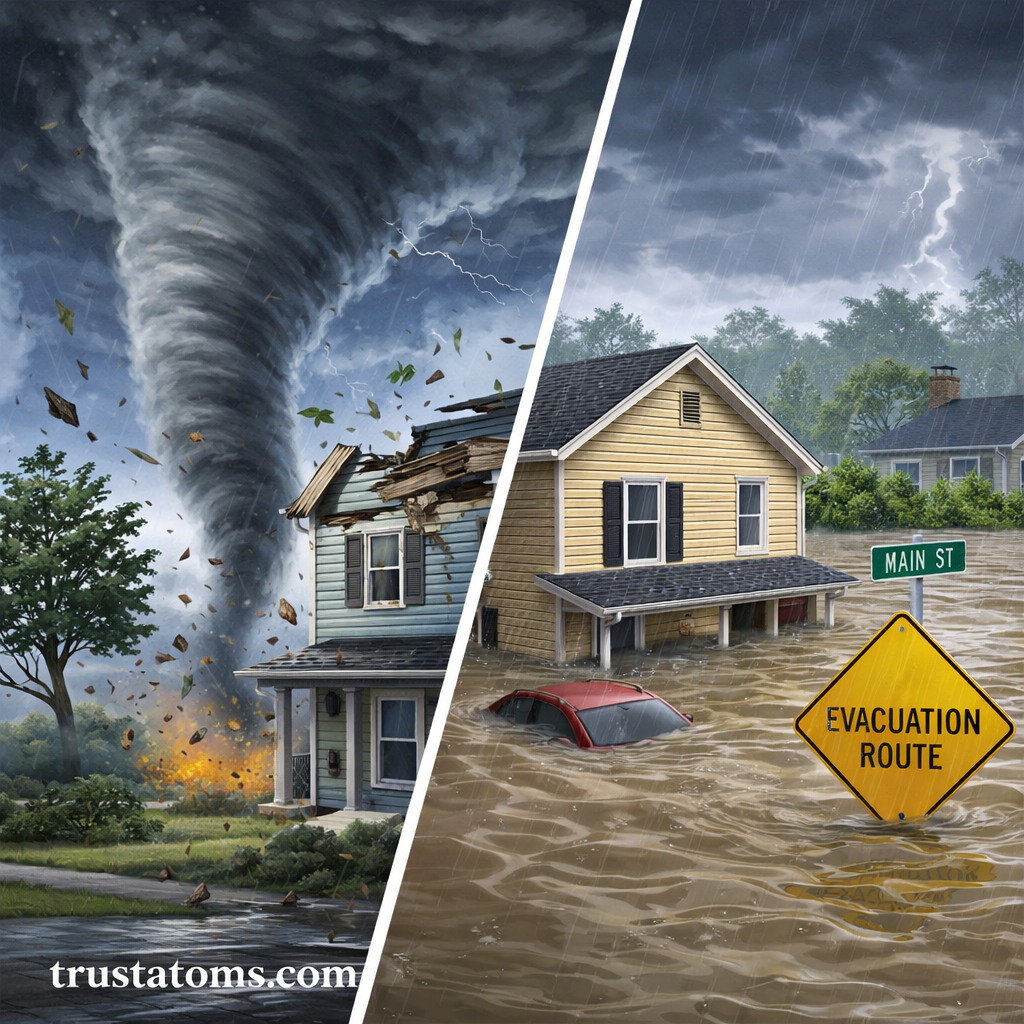
Your home should be reinforced and ready to withstand extreme weather.
General Home Preparation Tips
- Secure loose outdoor items
- Trim trees and remove weak branches
- Install storm shutters if applicable
- Seal windows and doors
- Check your roof and gutters
Hazard-Specific Preparations
Floods
- Elevate electrical systems
- Use sandbags
- Install sump pumps
Wildfires
- Create defensible space around your home
- Remove dry vegetation
- Use fire-resistant materials
Winter Storms
- Insulate pipes
- Stock heating fuel
- Seal drafts
Step 5: Know When to Evacuate
Evacuation decisions can be life-saving.
Signs You Should Evacuate
- Official evacuation orders
- Rapidly rising water levels
- Wildfire proximity
- Structural damage to your home
Evacuation Best Practices
- Leave early to avoid traffic
- Follow designated evacuation routes
- Bring your emergency kit
- Inform someone of your destination
Never ignore evacuation orders—they are issued for your safety.
Step 6: Stay Safe During the Event
Your actions during a disaster can greatly impact your safety.
General Safety Tips
- Stay indoors unless instructed otherwise
- Avoid windows and glass
- Use flashlights instead of candles
- Keep communication devices charged
Situation-Specific Safety
Tornadoes
- Take shelter in a basement or interior room
- Cover your head and neck
Floods
- Avoid walking or driving through water
- Move to higher ground
Heatwaves
- Stay hydrated
- Avoid outdoor activities during peak heat
Step 7: Recovery After the Disaster
Recovery is a critical phase that requires caution and patience.
Immediate Post-Disaster Actions
- Check for injuries
- Avoid damaged structures
- Turn off utilities if necessary
- Document damage for insurance
Long-Term Recovery Tips
- Contact insurance providers
- Seek assistance programs if needed
- Address mental and emotional health
- Rebuild with improved safety measures
Common Mistakes to Avoid
- Waiting too long to prepare
- Ignoring official warnings
- Underestimating the severity of events
- Failing to maintain emergency supplies
- Not having a communication plan
Avoiding these mistakes can significantly improve your readiness.
Final Thoughts
Weather-related disasters are unpredictable, but your preparedness doesn’t have to be. By creating a solid plan, assembling the right supplies, and staying informed, you can protect yourself and your loved ones.
Preparedness isn’t about fear—it’s about control, confidence, and resilience in the face of uncertainty.