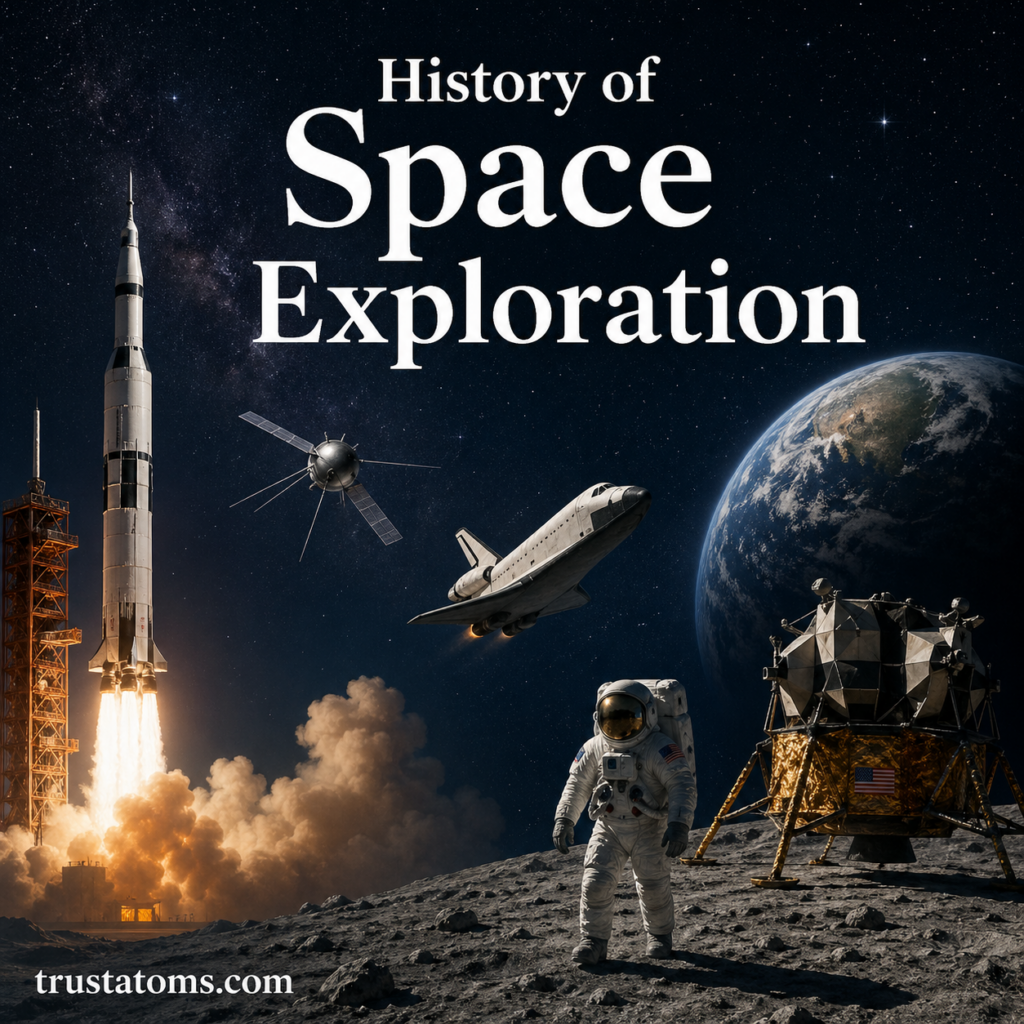
Space exploration is one of humanity’s most ambitious and transformative pursuits. From ancient stargazing to modern missions reaching the edges of our solar system, our desire to understand the universe has driven innovation, discovery, and global collaboration.
This article explores the key milestones, eras, and breakthroughs that shaped the history of space exploration—and where it may be headed next.
Early Curiosity and Foundations
Long before rockets and satellites, civilizations looked to the night sky for meaning and navigation.
Ancient astronomers in civilizations such as:
- Babylonian civilization
- Ancient Greek astronomy
- Chinese astronomy
tracked celestial movements and developed early models of the universe.
Key early contributions included:
- Mapping constellations
- Predicting eclipses
- Developing early calendars
Later, figures like Nicolaus Copernicus and Galileo Galilei revolutionized our understanding by proposing and supporting the heliocentric model, placing the Sun at the center of the solar system.
The Birth of Rocket Science
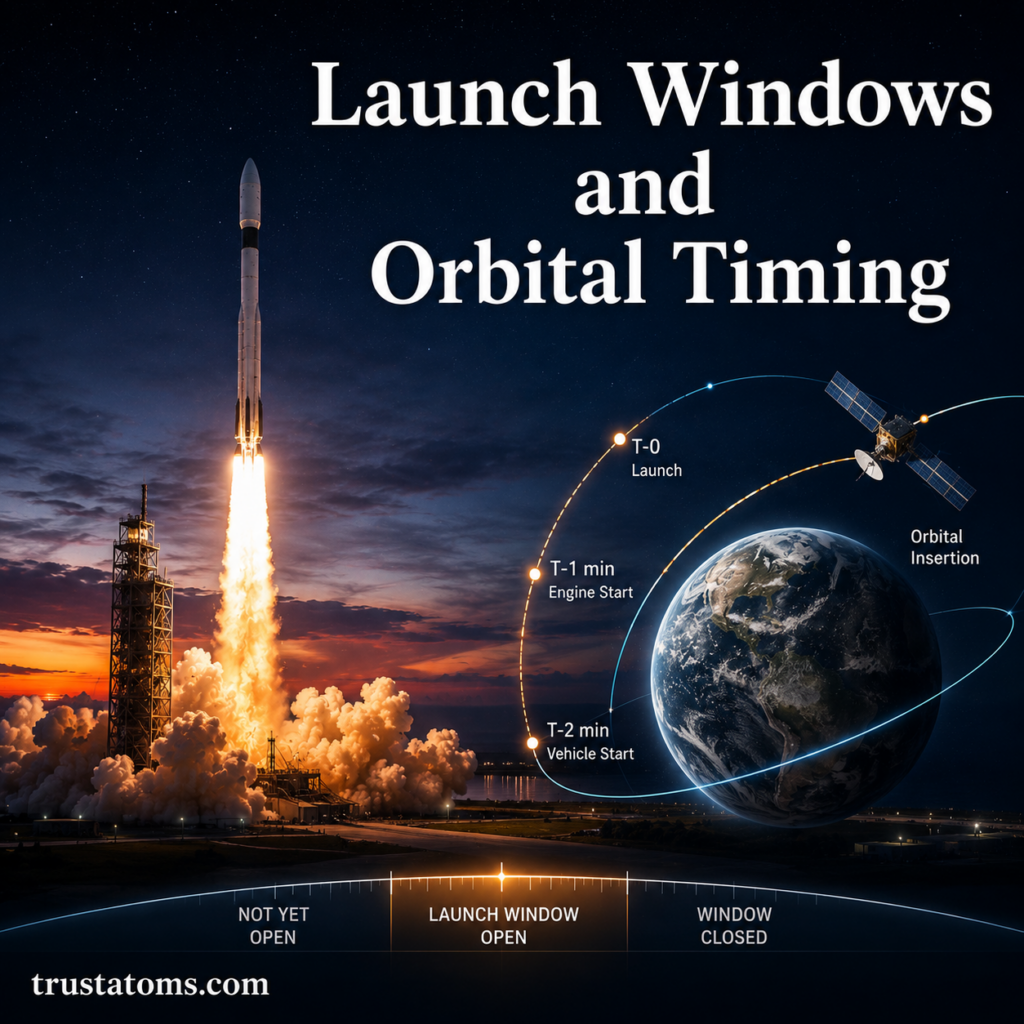
Modern space exploration became possible thanks to advancements in rocket technology during the late 19th and early 20th centuries.
Three pioneers stand out:
- Konstantin Tsiolkovsky – Developed the theoretical foundations of spaceflight
- Robert H. Goddard – Built and launched the first liquid-fueled rocket
- Hermann Oberth – Advanced rocket design concepts
These early breakthroughs laid the groundwork for launching objects beyond Earth’s atmosphere.
The Space Race Era (1950s–1970s)
The Cold War rivalry between the United States and the Soviet Union sparked rapid advancements in space exploration.
Major Milestones
- 1957: Sputnik 1 launched by the Soviet Union, becoming the first human-made object in orbit
- 1961: Yuri Gagarin becomes the first human to orbit Earth
- 1969: Apollo 11 lands humans on the Moon
- Neil Armstrong takes his famous first step
This era demonstrated the possibilities of human spaceflight and inspired generations worldwide.
The Shuttle and Space Station Era (1980s–2000s)
After the Space Race, focus shifted toward reusable spacecraft and long-term space habitation.
Key Developments
- The Space Shuttle program enabled repeated missions to orbit
- Launch of the Hubble Space Telescope, providing deep-space images and discoveries
- Construction of the International Space Station (ISS), a multinational collaboration
The ISS became a symbol of global cooperation, hosting astronauts from multiple countries conducting scientific research in microgravity.
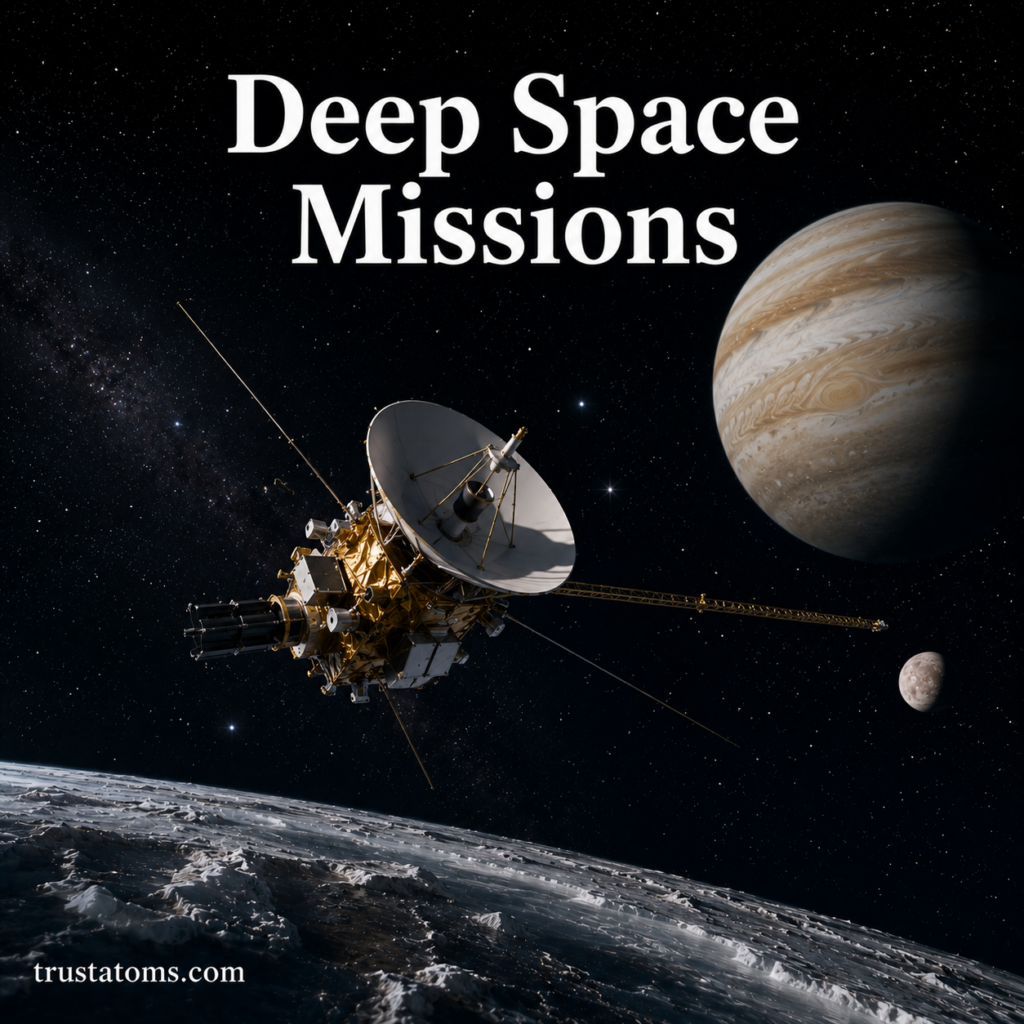
Robotic Exploration and Deep Space Missions
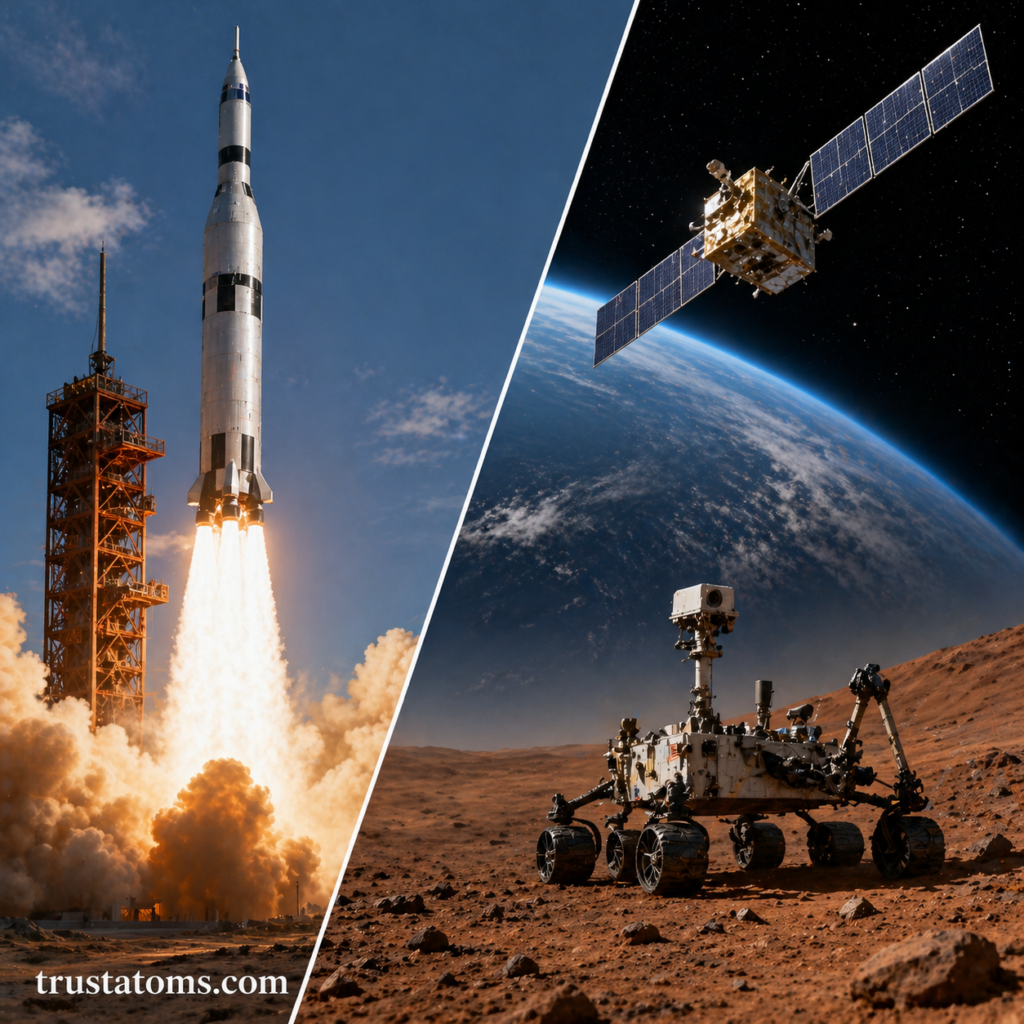
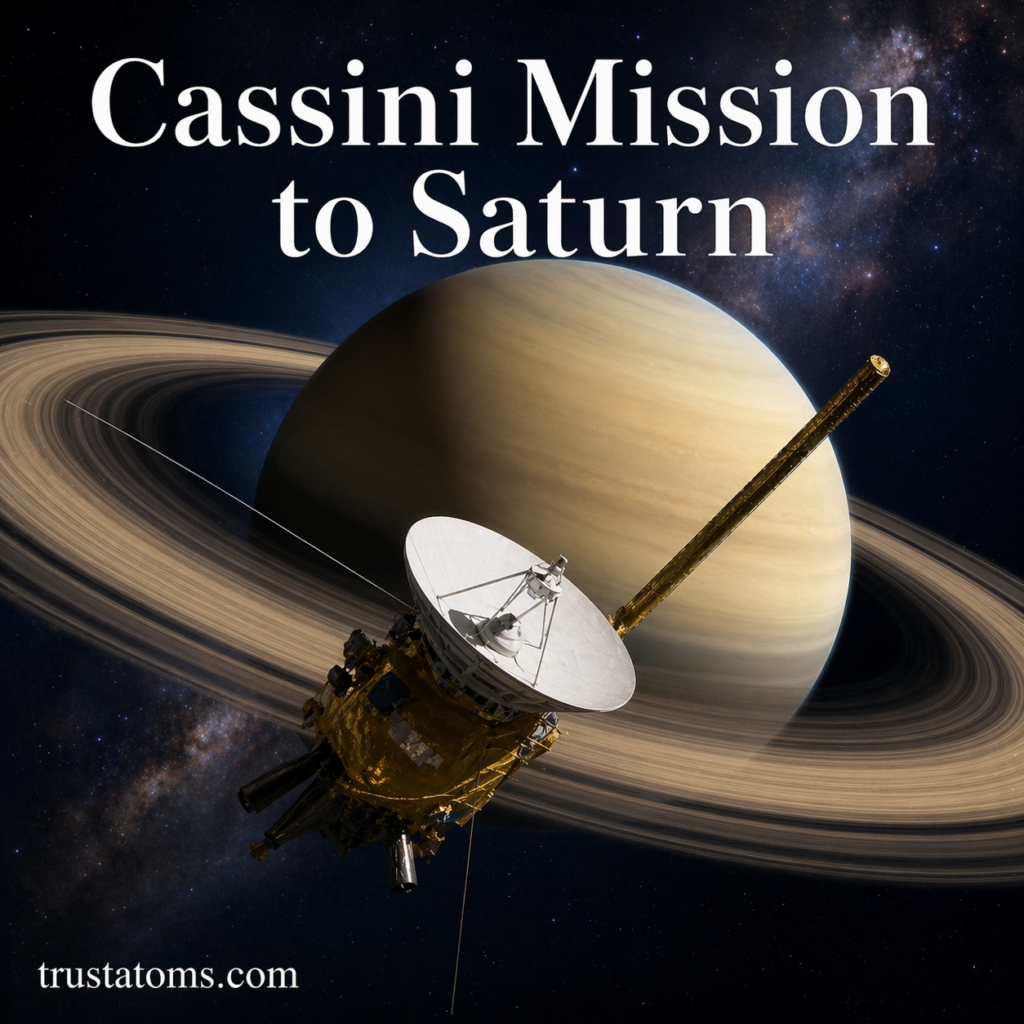
While humans explored low Earth orbit, robotic missions ventured much farther.
Notable Missions
- Voyager program – Sent probes beyond the solar system
- Mars Rover missions – Explored Martian surface and searched for signs of past life
- James Webb Space Telescope – Observing the earliest galaxies and cosmic structures
These missions expanded our understanding of planets, moons, and the broader universe.
The Rise of Private Space Companies
In the 21st century, private companies have reshaped the space industry.
Major players include:
- SpaceX
- Blue Origin
- Virgin Galactic
Key Innovations
- Reusable rocket technology
- Commercial satellite launches
- Early space tourism initiatives
Private companies have reduced launch costs and accelerated innovation, making space more accessible than ever before.
Modern Goals: Moon, Mars, and Beyond
Today’s space exploration efforts focus on sustainability and long-term missions.
Current Objectives
- Return humans to the Moon through Artemis program
- Plan future human missions to Mars
- Search for signs of life on other planets
- Study dark matter and the origins of the universe
Governments and private organizations are working together to push the boundaries of what’s possible.
Why Space Exploration Matters
Space exploration is not just about reaching distant worlds—it has real benefits on Earth.
Key Impacts
- Technological advancements (GPS, satellites, materials science)
- Improved weather forecasting and disaster monitoring
- Inspiration for science, education, and innovation
- International cooperation and peaceful collaboration
It also helps answer fundamental questions about our place in the universe.
The Future of Space Exploration
The future promises even more groundbreaking developments.
Potential advancements include:
- Human colonies on the Moon or Mars
- Advanced propulsion systems for deep space travel
- Asteroid mining and resource utilization
- Exploration of exoplanets beyond our solar system
As technology evolves, space exploration may become a routine part of human activity.
Final Thoughts
The history of space exploration is a story of curiosity, competition, and collaboration. From ancient observations to interstellar probes, humanity has continually pushed the limits of what is possible.
As we look to the future, one thing remains certain: the journey into space is far from over.