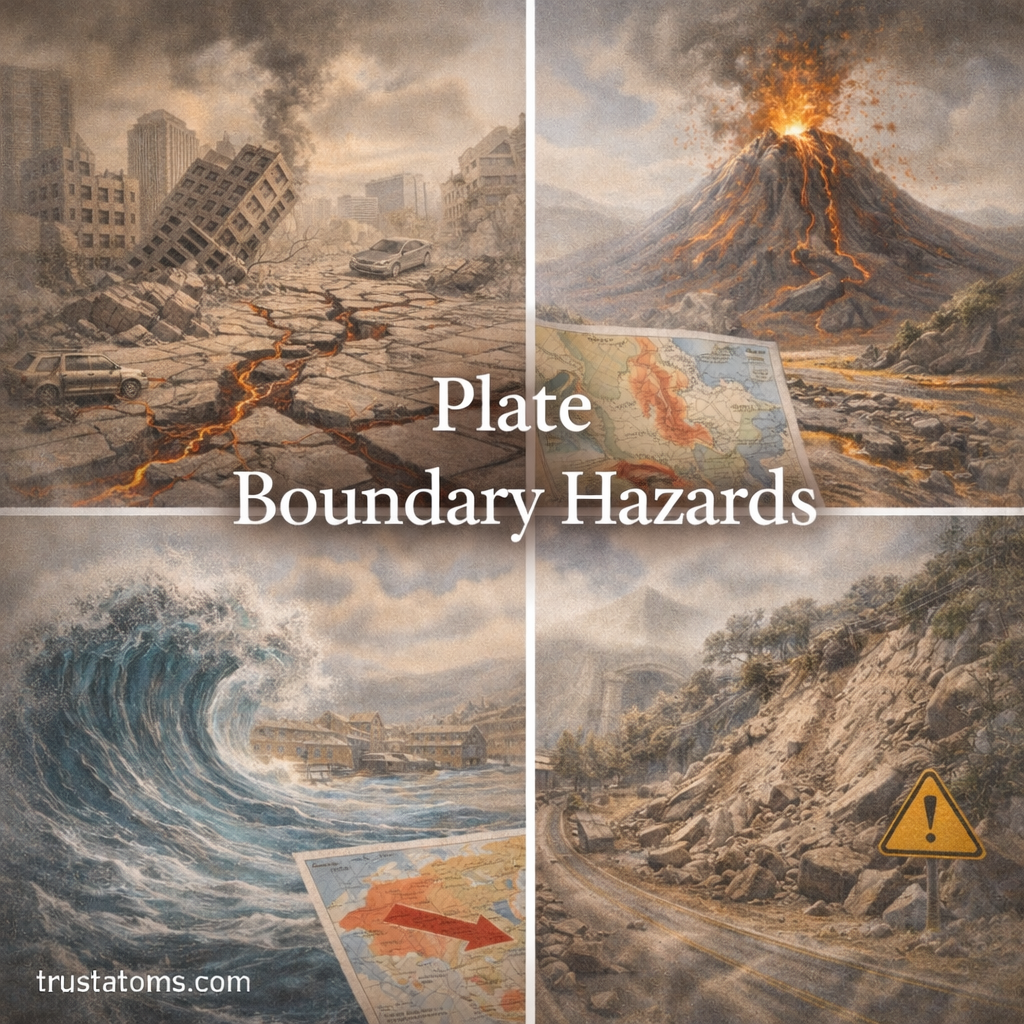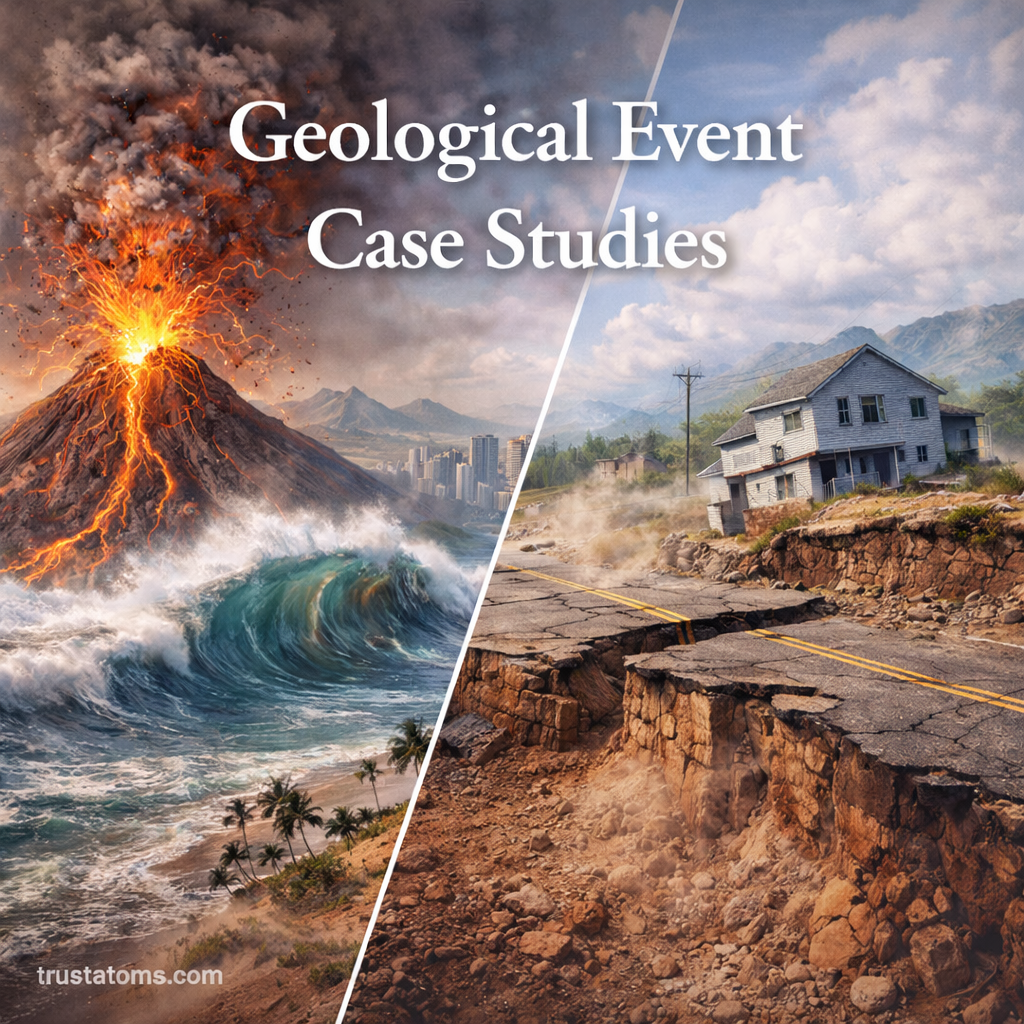
Geological events shape the Earth in dramatic and sometimes destructive ways. From massive earthquakes to volcanic eruptions and landslides, these events reveal the dynamic forces operating beneath and on the surface of our planet.
By studying real-world case studies, scientists can better understand geological processes, improve hazard prediction, and help communities prepare for future events.
What Are Geological Event Case Studies?
Geological event case studies are detailed examinations of specific natural events that have significantly impacted the Earth’s surface or human populations.
They focus on:
- The causes of the event
- The sequence of geological processes
- The environmental and human impacts
- Lessons learned for future risk management
These case studies provide valuable insights that go beyond theory by analyzing real outcomes.
Why Case Studies Matter in Earth Science
Studying past geological events helps scientists and policymakers make informed decisions.
Key Benefits
- Improve understanding of tectonic and surface processes
- Enhance disaster preparedness and response
- Identify high-risk regions
- Inform building codes and infrastructure planning
Real-world examples often reveal complexities that models alone cannot capture.
Case Study 1: The 2011 Tōhoku Earthquake and Tsunami
The 2011 earthquake off the coast of Japan is one of the most powerful ever recorded.
Key Facts
- Magnitude: 9.0
- Location: Offshore northeastern Japan
- Type: Subduction zone earthquake
What Happened
- The Pacific Plate subducted beneath the Okhotsk Plate
- Stress built up along the fault line
- A sudden rupture released massive energy
- The seafloor shifted, displacing large volumes of water
Impacts
- Devastating tsunami waves
- Widespread destruction of coastal communities
- Nuclear crisis at Fukushima
- Thousands of lives lost
Lessons Learned
- Importance of tsunami warning systems
- Need for stronger coastal defenses
- Improved emergency preparedness strategies
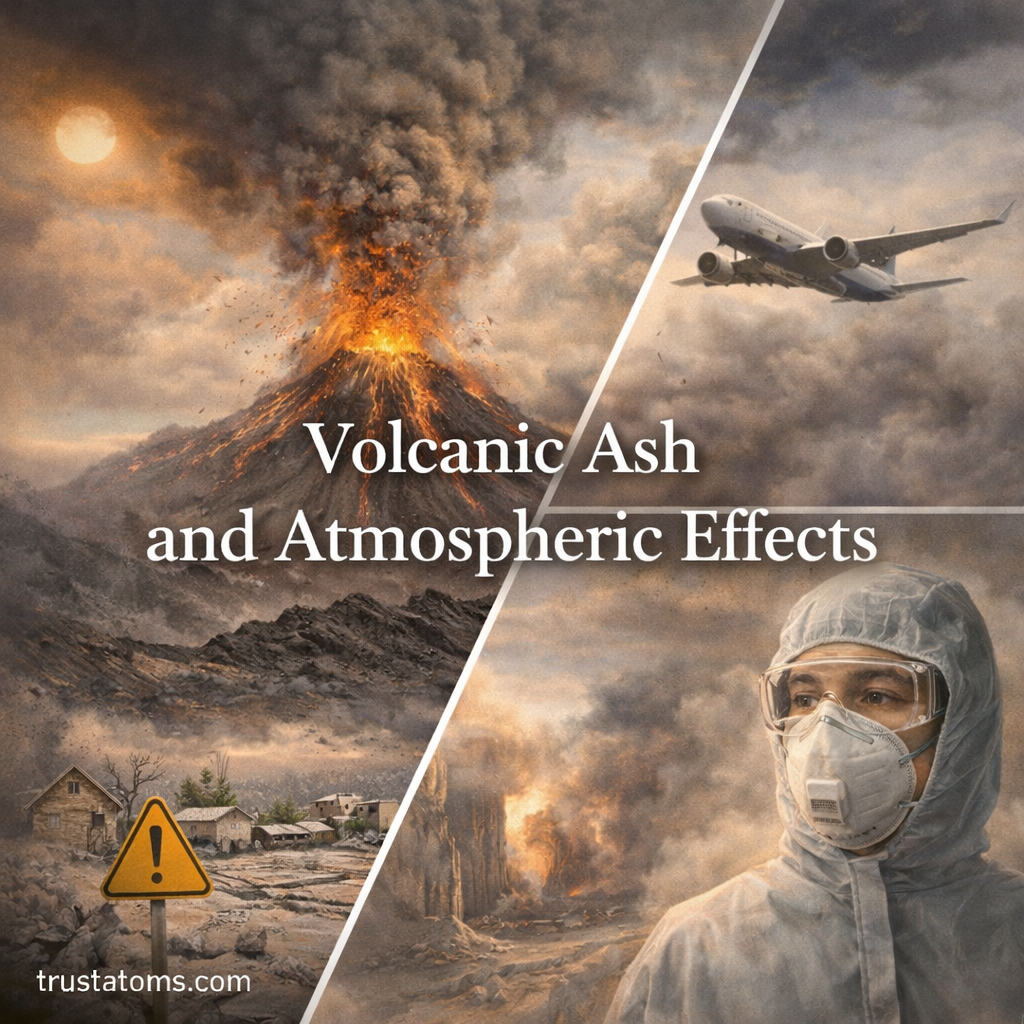
Case Study 2: The 1980 Mount St. Helens Eruption
This volcanic eruption in the United States dramatically changed the surrounding landscape.
Key Facts
- Location: Washington State
- Type: Stratovolcano eruption
- Trigger: Earthquake and magma pressure
What Happened
- A magnitude 5.1 earthquake triggered a landslide
- Pressure was suddenly released
- A lateral blast erupted from the volcano
- Ash spread across multiple states
Impacts
- Forests flattened over hundreds of square miles
- Rivers clogged with volcanic debris
- Significant ecological and economic damage
Lessons Learned
- Monitoring volcanic activity is critical
- Early warning systems can save lives
- Volcanic hazards extend far beyond lava flows
Case Study 3: The 1906 San Francisco Earthquake
One of the most famous earthquakes in U.S. history, this event highlighted the dangers of fault rupture.
Key Facts
- Magnitude: ~7.9
- Fault: San Andreas Fault
- Type: Strike-slip earthquake
What Happened
- Sudden rupture along the fault line
- Ground displacement of up to 20 feet (6 meters)
- Fires broke out across the city
Impacts
- Massive urban destruction
- Thousands of buildings destroyed
- Significant loss of life
Lessons Learned
- Importance of earthquake-resistant construction
- Need for emergency response planning
- Better understanding of fault systems
Case Study 4: The 2004 Indian Ocean Earthquake and Tsunami
This event remains one of the deadliest natural disasters in recorded history.
Key Facts
- Magnitude: 9.1–9.3
- Location: Off the coast of Sumatra
- Type: Megathrust earthquake
What Happened
- A massive rupture occurred along a subduction zone
- The seafloor uplifted dramatically
- A powerful tsunami spread across the Indian Ocean
Impacts
- Over 200,000 fatalities
- Coastal devastation across multiple countries
- Long-term economic and environmental damage
Lessons Learned
- Need for global tsunami warning systems
- Importance of international cooperation
- Public education on evacuation procedures
Case Study 5: The 2010 Haiti Earthquake
This earthquake highlighted how geological events can have greater impacts in vulnerable regions.
Key Facts
- Magnitude: 7.0
- Location: Near Port-au-Prince
- Type: Strike-slip fault
What Happened
- Sudden fault rupture near a densely populated area
- Shallow depth increased surface impact
Impacts
- Extensive building collapse
- Severe humanitarian crisis
- Long-term recovery challenges
Lessons Learned
- Infrastructure quality is critical
- Urban planning affects disaster outcomes
- Emergency response capacity matters
Common Patterns Across Geological Events
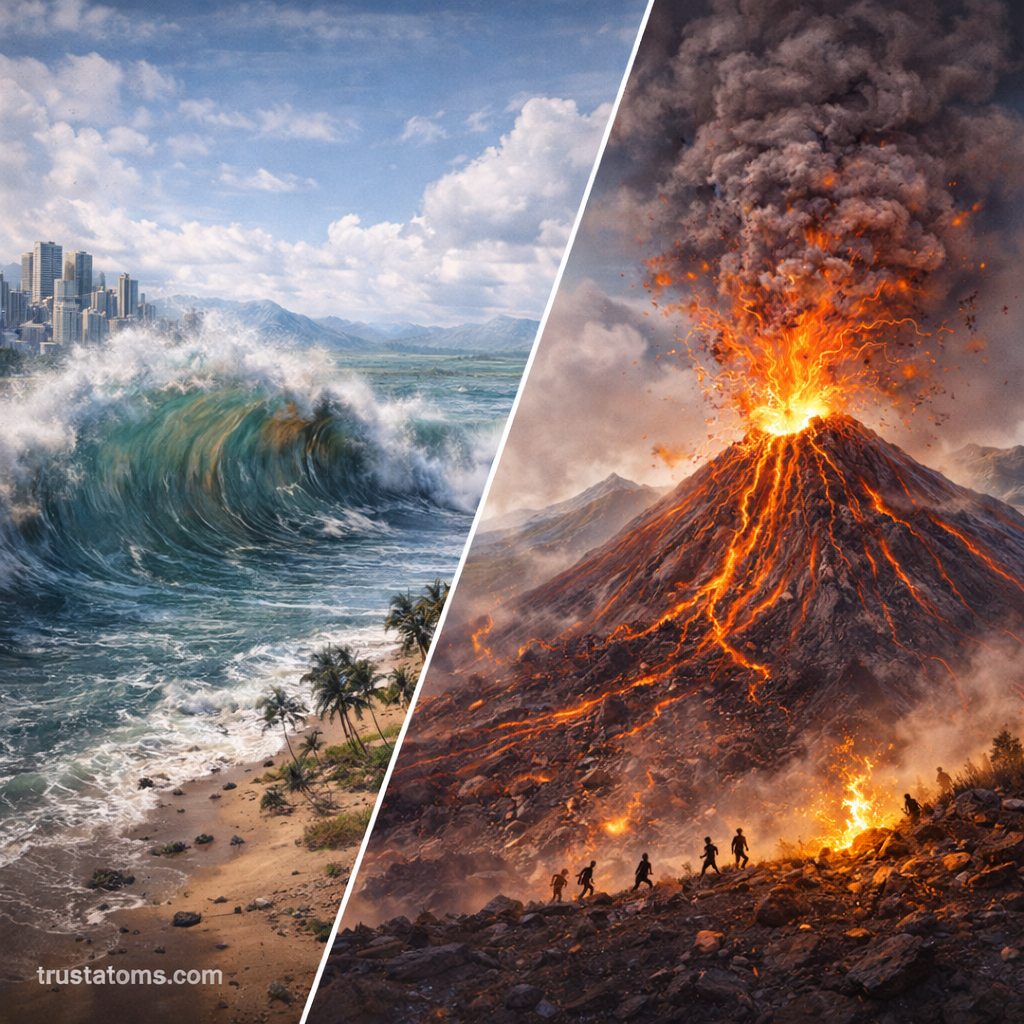
Despite differences in type and location, many geological events share similar patterns:
- Stress buildup followed by sudden release
- Chain reactions (e.g., earthquake → tsunami)
- Widespread environmental and human impacts
Recognizing these patterns helps improve prediction and preparedness.
How Scientists Study Geological Events
Researchers use multiple tools and methods to analyze these events:
Data Collection
- Seismographs to measure earthquakes
- Satellite imaging for surface changes
- Field studies for direct observations
Modeling and Simulation
- Computer models to predict future events
- Hazard mapping for risk assessment
Historical Analysis
- Comparing past events to identify trends
- Studying geological records (e.g., sediment layers)
These approaches allow scientists to build a more complete picture of Earth’s behavior.
The Role of Technology in Modern Case Studies
Advancements in technology have transformed how geological events are studied.
Key Innovations
- Real-time monitoring systems
- GPS tracking of ground movement
- Early warning systems for earthquakes and tsunamis
These tools help reduce risks and improve response times during disasters.
Why Geological Case Studies Matter for the Future
Understanding past geological events is essential for preparing for future ones.
They help:
- Reduce loss of life
- Improve infrastructure resilience
- Guide land-use planning
- Strengthen global disaster response
As populations grow and urban areas expand, this knowledge becomes even more critical.
Final Thoughts
Geological event case studies provide powerful insights into the forces that shape our planet. By examining real-world examples, scientists and communities can better understand risks and develop strategies to mitigate them.
From earthquakes and tsunamis to volcanic eruptions, these events remind us of Earth’s dynamic nature—and the importance of being prepared.